Esports, or electronic sports, has grown exponentially over the past two decades. What started as a niche hobby for passionate gamers has evolved into a billion-dollar industry with a global audience. From large-scale tournaments and professional teams to sponsorships and media rights, esports has firmly established itself as a legitimate form of entertainment, on par with traditional sports. In this blog post, we’ll explore the rise of esports, the factors that contributed to its growth, the impact it has on society, and what the future holds for this dynamic sector.
What is Esports?
At its core, esports is competitive video gaming. It involves professional players, teams, and organizations who compete in video games at the highest level. Esports spans a wide range of game genres, including first-person shooters (FPS), real-time strategy (RTS), multiplayer online battle arena (MOBA), sports simulations, and more. Some of the most popular games that have helped shape the esports landscape include League of Legends, Dota 2, Counter-Strike: Global Offensive, Fortnite, and Overwatch.
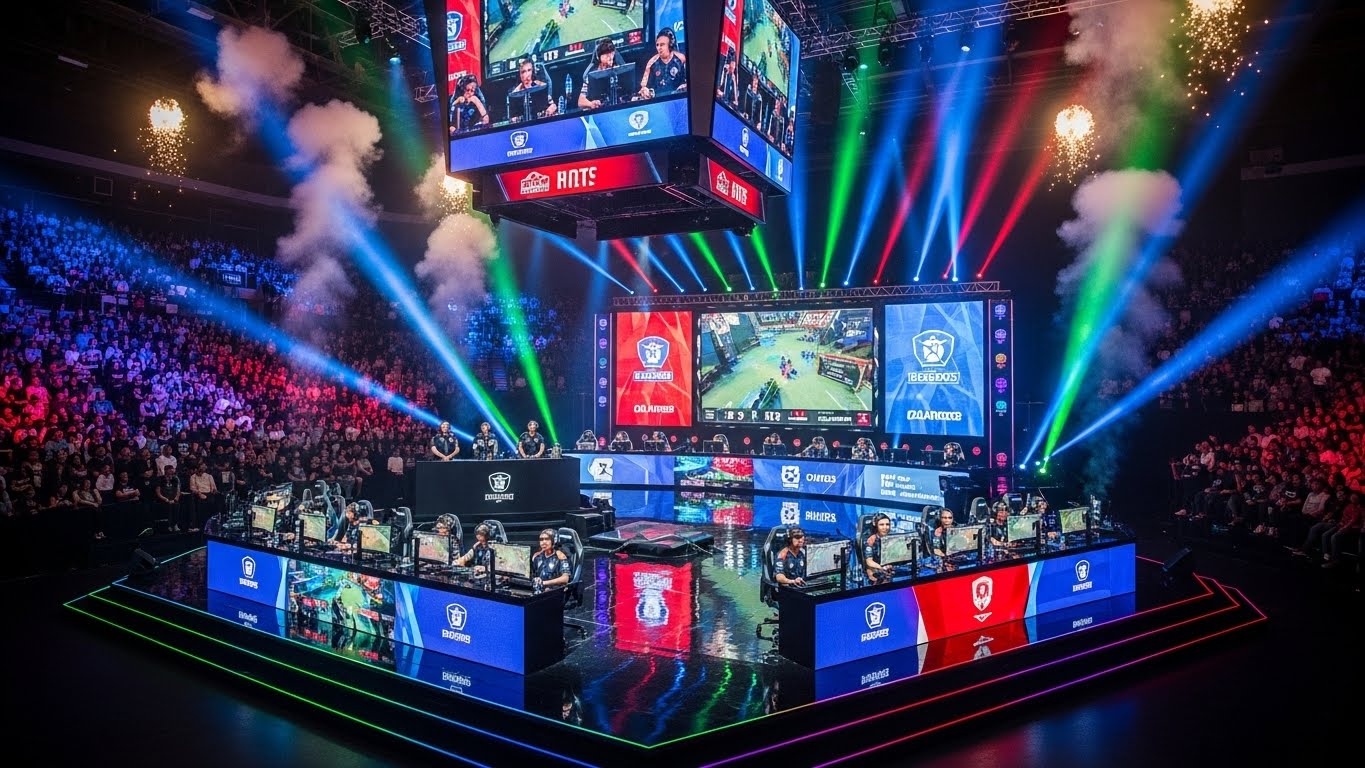
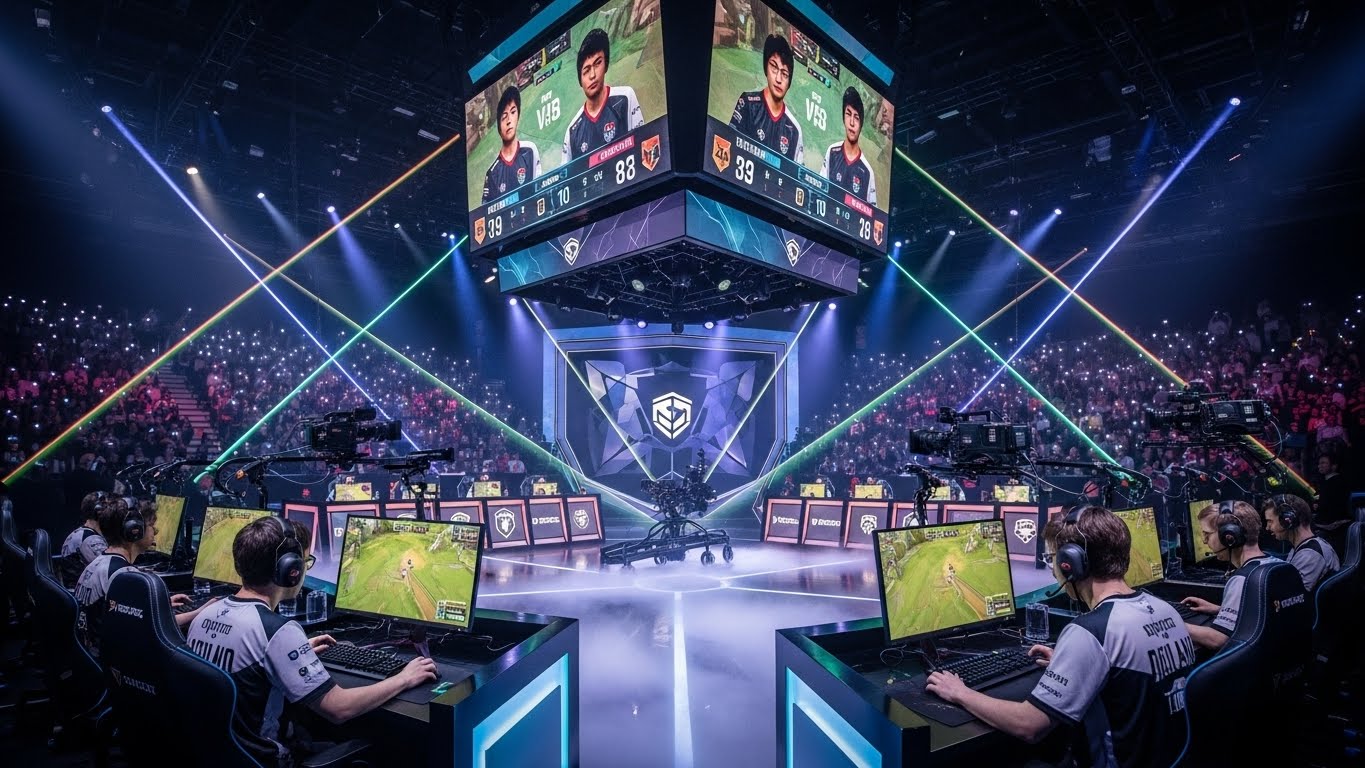
What distinguishes esports from casual gaming is its structured nature. Esports competitions often follow tournament formats, with players or teams competing for prizes, sponsorships, and global recognition. These events are streamed on platforms like Twitch, YouTube, and Facebook Gaming, allowing millions of fans worldwide to watch in real-time.
The Evolution of Esports
Esports has come a long way from its early days. The roots of competitive gaming can be traced back to the 1970s and 1980s when arcade games like Space Invaders and Pong began to gain popularity. The first known competitive gaming event, the Space Invaders Championship, took place in 1980, marking the beginning of a growing interest in competitive video games.
However, it wasn’t until the late 1990s and early 2000s that esports started to form a more recognizable structure. Games like StarCraft and Quake helped lay the foundation for organized esports tournaments. South Korea, in particular, played a pivotal role in the rise of esports during this period, as the country embraced StarCraft as a national pastime. The establishment of professional esports leagues, television broadcasts, and dedicated esports arenas solidified South Korea’s position as a global esports hub.
In the mid-2000s, the growth of high-speed internet and streaming platforms helped fuel the global expansion of esports. Online multiplayer games like World of Warcraft and League of Legends brought together players from all corners of the globe, furthering the appeal and reach of esports. By the 2010s, tournaments like The International (Dota 2) and League of Legends World Championship began to offer multi-million-dollar prize pools, attracting both players and fans to the scene in droves.
Factors Behind the Growth of Esports
Several factors have contributed to the meteoric rise of esports. Below, we’ll take a closer look at some of the key elements that have helped propel esports into mainstream culture.
1. Advancements in Technology
The evolution of technology, especially in gaming hardware and internet connectivity, has been crucial to the success of esports. Faster processors, more powerful graphics cards, and high-definition displays allow games to run smoothly, making competitive play both exciting and fair. Additionally, high-speed internet has facilitated smooth online multiplayer experiences, enabling players to compete with one another across the globe in real-time.
2. Streaming Platforms and Online Communities
Streaming platforms such as Twitch, YouTube Gaming, and Facebook Gaming have made it easier for gamers to broadcast their skills to a global audience. The interactivity and sense of community these platforms offer have turned esports events into shared experiences. Fans can watch live matches, cheer for their favorite teams, and engage with players and commentators in real-time through live chats and social media.
The accessibility of esports through streaming has also helped foster dedicated fan bases. Many esports organizations have their own channels, where they not only stream live competitions but also provide behind-the-scenes content, player interviews, and training sessions. This creates an ongoing connection between players and their supporters.
3. Sponsorships and Investments
Esports has garnered significant attention from corporate sponsors and investors. Companies in the tech, energy drink, telecommunications, and gaming sectors are eager to associate their brands with the esports ecosystem. Sponsorship deals range from individual player endorsements to large-scale partnerships with entire tournaments or leagues.
In addition to brand sponsorships, investors have poured millions of dollars into esports organizations, teams, and infrastructure. The financial backing of esports has facilitated the development of state-of-the-art arenas, training facilities, and player contracts, transforming esports into a fully professionalized industry.
4. Globalization of the Sport
Esports is a truly global phenomenon. Unlike traditional sports, which are often confined to specific regions, esports transcends geographical boundaries. A League of Legends player from North America can compete against a team from China, and fans from every part of the world can tune in to watch the action.
The International appeal of esports has made it possible for players to become international superstars. Countries around the world have embraced competitive gaming, leading to the formation of regional leagues, international tournaments, and global championships. The World Cup of esports is now a reality, with events like The International and the League of Legends World Championship drawing viewers from all corners of the globe.
5. Cultural Shifts
The changing cultural landscape has also played a role in the rise of esports. Gaming has increasingly been accepted as a legitimate form of entertainment, with younger generations in particular embracing it as part of their everyday lives. In many ways, gaming culture has evolved to become intertwined with mainstream culture. Esports celebrities are now akin to traditional athletes, and gaming has moved from being a hobby to a career for many individuals.
The Impact of Esports on Society
Esports has had a significant cultural, economic, and social impact. Beyond entertainment, esports has shaped how we view competition, teamwork, and career opportunities.
1. Economic Impact
The economic impact of esports cannot be understated. According to recent reports, the global esports industry is projected to generate over $1 billion in revenue annually, a figure that continues to grow as esports attracts more viewers and sponsorships. This growth has had a positive impact on job creation, with many individuals finding employment in fields such as event production, marketing, broadcasting, and management within the esports ecosystem.
2. Educational Opportunities
Esports has also opened up new educational opportunities, particularly in the realm of scholarships. Many universities now offer esports scholarships for talented players, allowing them to pursue higher education while competing at a collegiate level. Esports programs at universities provide students with the chance to develop both their gaming skills and their professional careers, often with the potential to go pro.
3. Social Connection
Esports has fostered a unique sense of community. Players, fans, and influencers are able to connect across borders and cultures. Multiplayer games and esports tournaments allow people to come together to share in the excitement of competition. For many, esports has become a way to make lifelong friends and build lasting relationships.
4. Mental and Physical Benefits
While some critics argue that gaming can be detrimental to health, there are numerous studies suggesting that competitive gaming can have positive effects. Esports players often develop quick reflexes, strategic thinking, and team coordination skills, all of which are transferable to real-world tasks. Moreover, esports organizations have increasingly started to invest in player wellness programs, which focus on physical exercise, mental health, and injury prevention.
The Future of Esports
The future of esports looks incredibly bright. As technology continues to improve, we can expect even more immersive experiences, with virtual reality (VR) and augmented reality (AR) potentially playing a major role in the evolution of esports. These technologies could take gaming competitions to the next level, offering fans an unprecedented level of interactivity.
Furthermore, the increasing recognition of esports as a legitimate sport could lead to further mainstream acceptance. Many believe that esports could eventually be included in major global events like the Olympics, further solidifying its place in the world of competitive entertainment.
Finally, as the industry continues to mature, we are likely to see more diverse games, expanded career opportunities, and the continued professionalization of the sector. Esports is not just about playing games anymore; it’s about creating a career, building brands, and becoming a part of a global phenomenon that continues to shape the future of entertainment.
Conclusion
Esports has come a long way from its humble beginnings, transforming into a global industry that is reshaping how we think about competition, entertainment, and even career paths. Thanks to advancements in technology, the rise of streaming platforms, and increasing investments from both sponsors and media companies, esports has become a cultural force that continues to grow in popularity. As we look to the future, the potential for esports is limitless, and its influence on society is only set to expand. Whether you’re a fan, a player, or someone just beginning to explore the world of esports, one thing is clear: this is only the beginning.