In the last decade, the world of competitive gaming, known as esports, has evolved from a niche subculture into a global entertainment phenomenon. Once considered a hobby for a select group of gamers, esports now commands massive audiences, with tournaments broadcasted worldwide and professional players earning multi-million-dollar salaries. Esports has not only redefined what it means to be a “professional athlete,” but it has also given rise to new industries, careers, and even a new generation of fans. In this blog post, we will explore the rapid rise of esports, its global impact, and the future potential of this digital revolution.
What is Esports?
Esports, short for electronic sports, refers to competitive video gaming where individuals or teams compete against each other in various video game titles. These competitions are organized in leagues and tournaments, often culminating in championships where the best players or teams compete for significant prizes. Esports spans a wide variety of genres, from real-time strategy (RTS) games like StarCraft to first-person shooters (FPS) like Counter-Strike and Overwatch, multiplayer online battle arena (MOBA) games like League of Legends, and even sports simulation games like FIFA and NBA 2K.
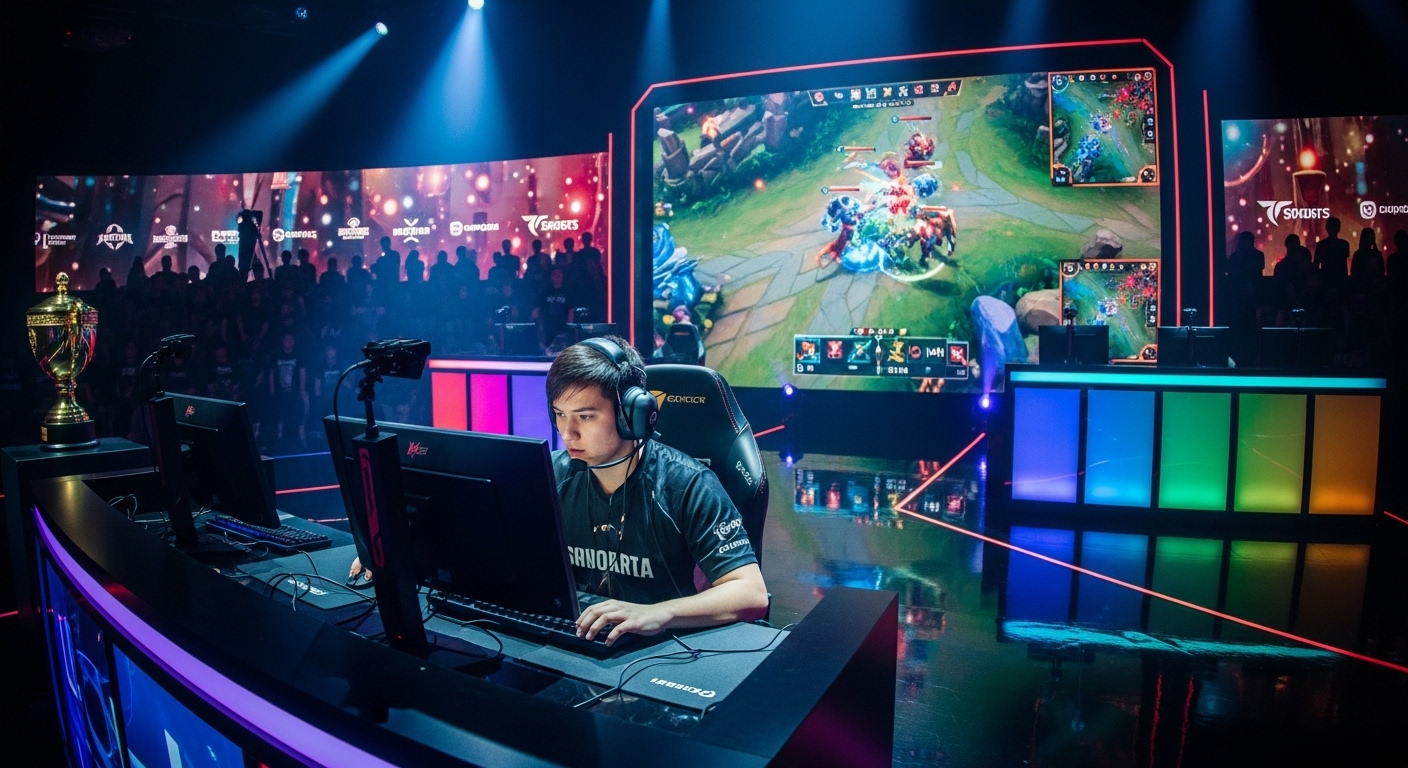
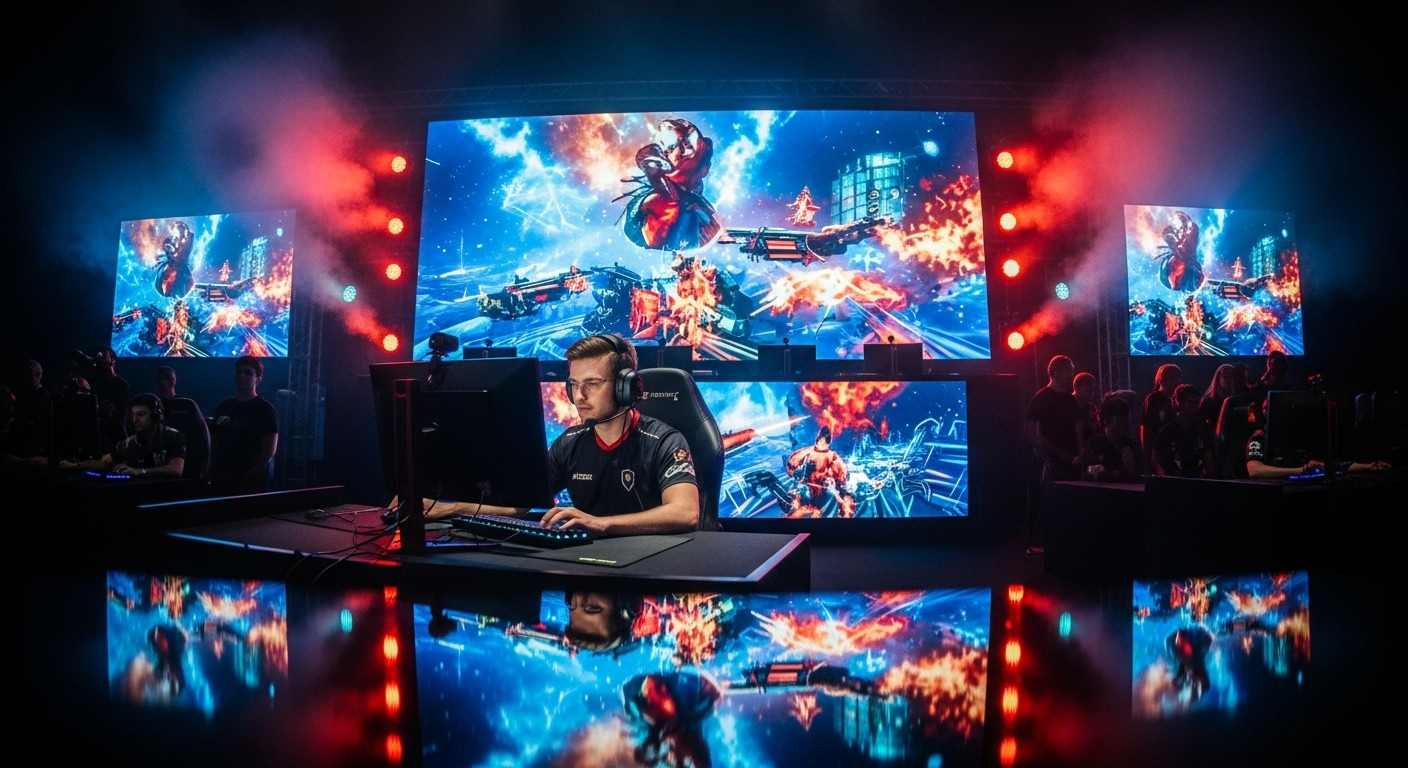
What makes esports distinct from casual gaming is its competitive nature. Unlike playing video games for leisure, esports involves highly skilled players who compete at the highest levels of gameplay, often with a global audience watching from the comfort of their homes. Esports events can be held online or in physical arenas, with millions of viewers tuning in to watch these intense digital battles unfold.
The Origins of Esports: From LAN Parties to Professional Leagues
While the idea of competitive gaming dates back to the 1970s and early 1980s, esports as we know it today began to take shape in the late 1990s and early 2000s. The rise of the internet and broadband connections allowed gamers to compete online, leading to the first major online tournaments. Early competitions like Quake and Warcraft III tournaments helped to establish the foundation for the modern esports scene.
However, it wasn’t until the early 2000s that esports began to attract mainstream attention. The South Korean gaming scene played a pivotal role in the development of competitive gaming. In 2000, the creation of the World Cyber Games (WCG) and the establishment of professional gaming leagues in South Korea marked the birth of esports as a professional industry. By the mid-2000s, gaming cafes in South Korea were packed with players competing in StarCraft, one of the most popular games in the country. The rise of StarCraft as a national obsession in South Korea made esports a legitimate career path for skilled players, and the country became the epicenter of esports culture.
Meanwhile, in the West, gaming began to transition from an underground hobby to a widely accepted form of entertainment. Tournaments like the Electronic Sports World Cup (ESWC) and DreamHack began to attract players from around the world, and the prize pools grew significantly. The emergence of platforms like Twitch in 2011, where gamers could stream their gameplay and build large audiences, helped propel esports to a wider global audience.
The Growth of Esports: From Hobby to Billion-Dollar Industry
In recent years, esports has transitioned from a niche activity into a billion-dollar industry. In 2020, the global esports market was valued at over $1 billion, with projections for future growth continuing to climb. Esports is now a multi-faceted industry that includes professional leagues, sponsorships, streaming platforms, broadcasting rights, merchandise, and even gambling.
One of the driving forces behind the growth of esports has been the increasing availability of online streaming platforms like Twitch, YouTube Gaming, and Facebook Gaming. These platforms allow fans to watch their favorite players, teams, and tournaments live, creating a direct connection between gamers and their audience. This has helped build a strong, engaged fan base, with millions of people tuning in to watch events like the League of Legends World Championship, The International for Dota 2, and CS:GO Major Championships.
Esports has also attracted significant investment from mainstream companies, including major tech companies, media outlets, and traditional sports organizations. The National Basketball Association (NBA) has even launched its own esports league, the NBA 2K League, which allows professional players to compete in the NBA 2K video game. Similarly, traditional sports teams like the Paris Saint-Germain soccer club and Manchester City have invested in esports, creating teams to compete in FIFA and League of Legends tournaments. These partnerships have helped to legitimize esports as a global form of entertainment and established its credibility as a professional industry.
The Key Players: Professional Teams and Gamers
Esports has created a new breed of professional athlete—the esports player. These individuals spend hours upon hours honing their skills, practicing their strategies, and working in teams to develop synergy. Much like traditional sports, esports players need to be in peak mental and physical condition, as gaming requires intense focus, hand-eye coordination, and decision-making abilities.
Many professional esports players have become celebrities in their own right, earning millions in prize money, sponsorship deals, and streaming revenue. Players like Faker from League of Legends, Ninja from Fortnite, and s1mple from Counter-Strike: Global Offensive have amassed massive followings, with millions of fans watching their gameplay and cheering them on during tournaments. In some cases, esports players have transcended gaming to become pop culture icons, making appearances on talk shows, endorsing products, and participating in mainstream media.
Professional teams are also central to the success of esports. Teams like Team Liquid, Cloud9, Fnatic, and T1 have become household names, and their players are revered as the best in the world. These teams participate in major leagues and tournaments, often representing specific games like League of Legends, Overwatch, or Valorant. Esports organizations sign top-tier players, provide them with training facilities, coaches, analysts, and other resources to ensure they can compete at the highest level. These teams also foster a sense of camaraderie, much like traditional sports teams, with players collaborating to develop strategies, learn from each other, and support one another during competitions.
Esports Tournaments: The Digital Stadiums of the Future
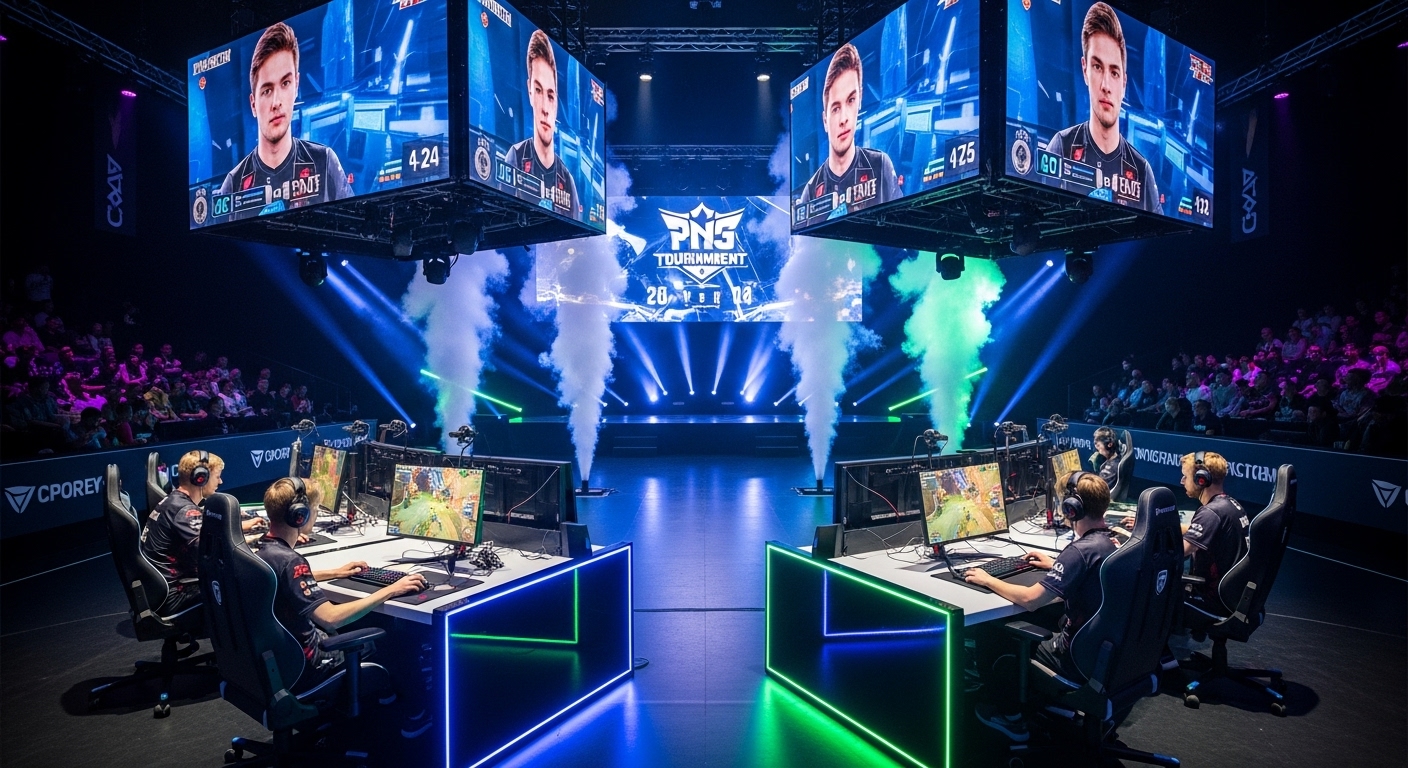
One of the most exciting aspects of esports is the competitive tournaments and championships that take place around the world. Events like the League of Legends World Championship, The International (for Dota 2), and the Overwatch League Grand Finals attract massive audiences both online and in-person. These events are broadcast globally, drawing millions of viewers, and some tournaments offer prize pools exceeding $30 million.
What sets esports tournaments apart from traditional sports events is the level of fan engagement. Esports events are not only about watching the competition but also about interacting with the community. Fans can engage with streamers and players via live chat, participate in online polls and voting, and cheer for their favorite teams in real-time. The community-driven nature of esports has helped create a sense of belonging and excitement that is often unmatched in traditional sports.
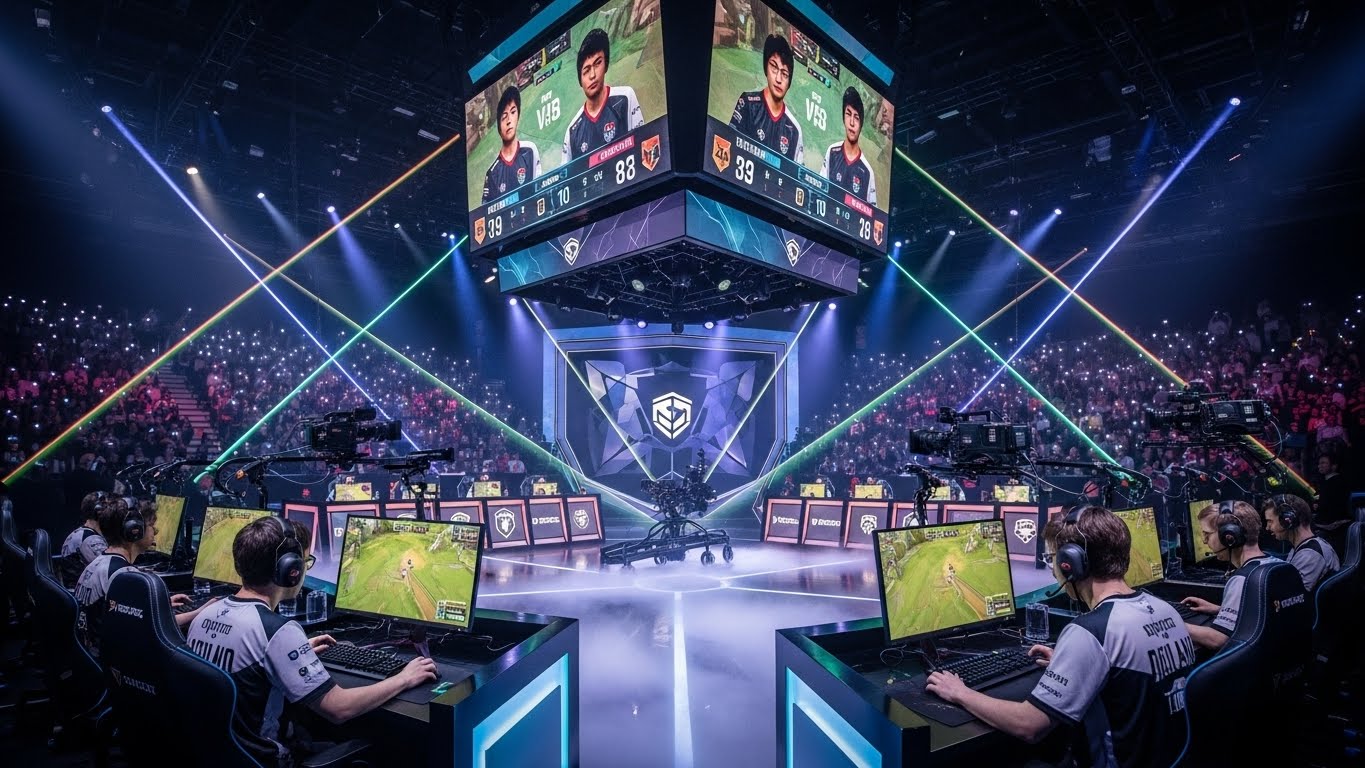
The live experience at esports tournaments is also becoming increasingly sophisticated. Esports arenas, such as the Esports Stadium Arlington in Texas and the Overwatch League venues, offer fans a chance to watch the action up close, while state-of-the-art production values provide an immersive viewing experience. These events are held in massive arenas, with thousands of fans filling the seats to cheer on their favorite players and teams. The energy at these events rivals that of traditional sports, with the added benefit of a digital-first experience that can reach a global audience.
The Future of Esports: Endless Possibilities
As esports continues to evolve, there is no limit to where it might go. With the constant advancements in technology, esports has the potential to become an even bigger global phenomenon. Virtual reality (VR) and augmented reality (AR) could offer new ways to experience esports, with immersive virtual environments allowing fans to feel as though they are inside the game. This technology could enhance the viewing experience by bringing fans closer to the action and allowing them to interact with the game world in entirely new ways.
Esports could also become a staple of the mainstream sports world, with more traditional sports organizations and media companies investing in the industry. The potential for esports to become a part of the Olympic Games has even been discussed, with some considering it a natural evolution of the modern sporting landscape. The rise of mobile esports, particularly in countries like China and India, could further expand the reach of esports and make it accessible to more people.
Additionally, esports will continue to influence the gaming industry, shaping how video games are designed and played. Developers will continue to create games that are optimized for competitive play, leading to the rise of new genres and formats that could attract even larger audiences.
Conclusion: Esports as a Cultural and Economic Powerhouse
Esports has transformed from a niche hobby to a mainstream global industry. What began as a small community of passionate gamers has blossomed into a multi-billion-dollar entertainment sector with professional players, huge tournaments, and a massive fan base. Esports has proven that competitive gaming is not just a passing trend but a cultural and economic powerhouse that is here to stay. As the industry continues to grow and evolve, esports will undoubtedly shape the future of entertainment, digital sports, and online communities, bringing with it even more exciting opportunities for fans, players, and businesses alike.