Introduction: The Rise of a Digital Phenomenon
In the last two decades, the world of competition has undergone a dramatic transformation. Traditional sports, with their stadiums and cheering crowds, have long dominated the cultural imagination. However, a new form of competition has emerged—esports. What began as a niche hobby for a few dedicated gamers has evolved into a multi-billion-dollar industry, captivating millions of fans worldwide and creating professional opportunities previously unimaginable. The rise of esports is not merely a shift in entertainment preferences; it signals a broader cultural, technological, and social transformation that warrants a closer look.
The Origins of Esports: From LAN Parties to Global Tournaments
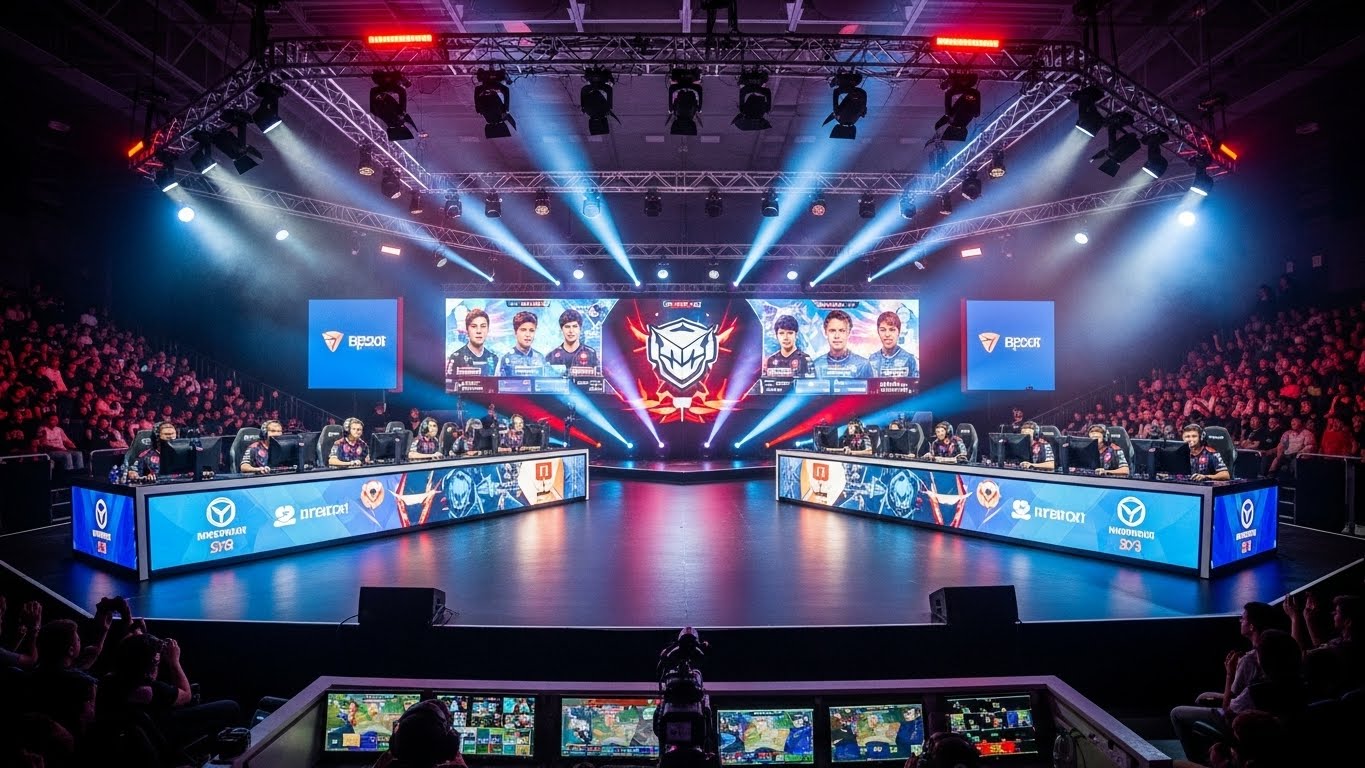
Esports, or electronic sports, refer to organized, competitive video gaming. While gaming has been a pastime since the 1970s, competitive gaming began taking shape in the late 1990s and early 2000s. Early tournaments were often small-scale events, hosted at local gaming centers or LAN parties where players physically connected their computers to compete. Titles such as Quake, StarCraft, and Counter-Strike were among the first games to gain competitive recognition. These tournaments were modest compared to today’s spectacles, but they laid the foundation for professional gaming leagues and a global fan base.
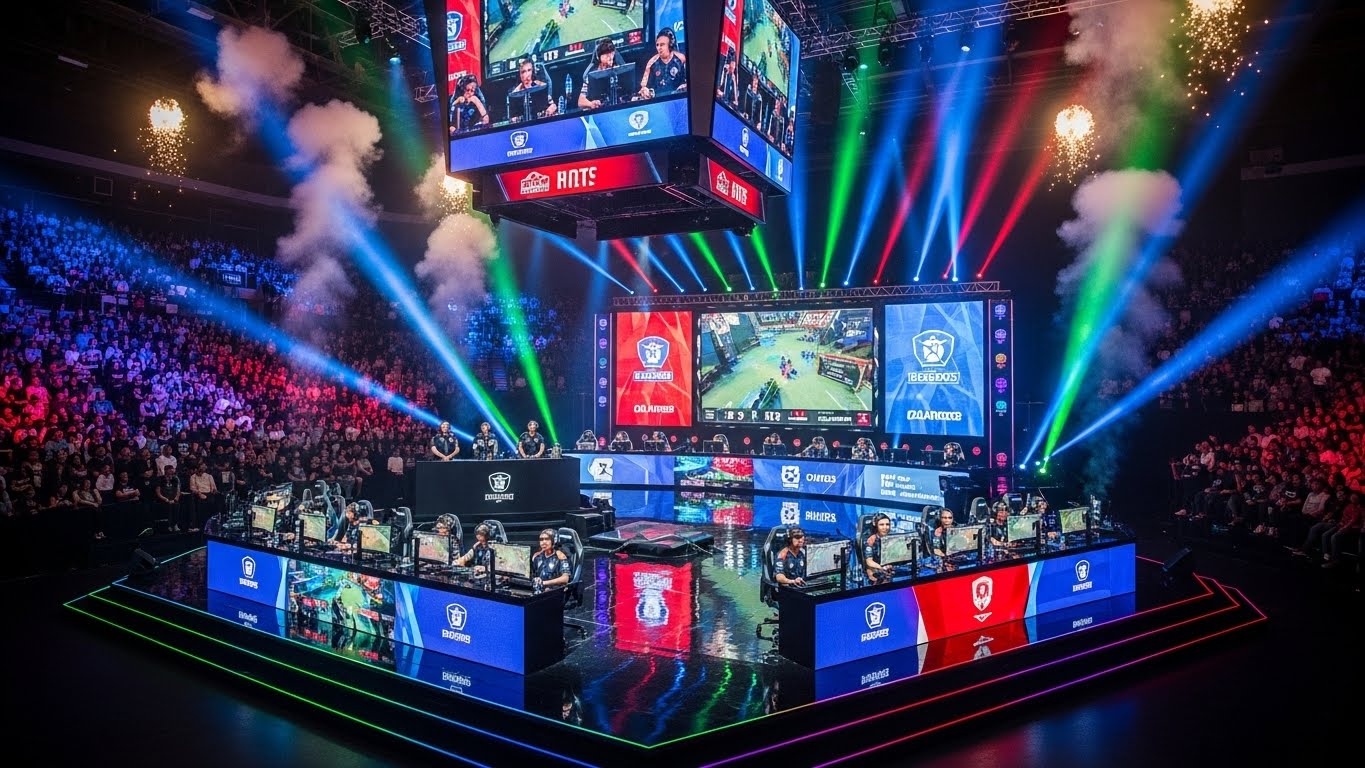
As internet connectivity improved, the reach of competitive gaming expanded exponentially. Online multiplayer games enabled players from different cities and countries to compete in real-time, increasing accessibility and fostering global communities. Today, esports tournaments are broadcast to millions of viewers worldwide, with players competing in front of massive audiences both online and in packed arenas.
The Economic Explosion of Esports
One of the most striking aspects of esports is its rapid economic growth. Professional gaming is no longer a pastime; it is a viable career path with salaries, sponsorship deals, and endorsement opportunities rivaling those of traditional athletes. Tournament prize pools have skyrocketed, with some events offering millions of dollars to the winning team or individual. Sponsorship from technology companies, apparel brands, and even mainstream media has further cemented esports’ commercial legitimacy.
The economic impact of esports extends beyond players. Streamers, content creators, tournament organizers, and event managers contribute to a sprawling ecosystem. Platforms that host live game streams have become central to this ecosystem, providing both entertainment and revenue streams through subscriptions, advertisements, and fan donations. This economic dimension underscores the scale at which esports operates and demonstrates its potential to rival conventional entertainment industries.
The Cultural Significance of Esports
Esports is more than a commercial phenomenon; it is a cultural force. Gaming communities often develop their own unique languages, traditions, and fan rituals, creating spaces for social interaction and shared identity. Unlike traditional sports, which often rely on physical prowess and geographic affiliation, esports transcends physical boundaries, allowing individuals to connect over shared interests regardless of location. This global reach fosters cultural exchange and collaboration in unprecedented ways.
Furthermore, esports has challenged traditional notions of athleticism and competition. Success in esports requires skills such as strategic thinking, rapid decision-making, teamwork, and mental resilience. These qualities are increasingly recognized as legitimate forms of expertise, blurring the lines between conventional sports and digital competition. The cultural acceptance of esports has also encouraged inclusivity, with players from diverse backgrounds and genders gaining visibility and recognition in professional circuits.
Esports as a Career Path
The professionalization of esports has created new career opportunities beyond playing. Teams employ coaches, analysts, and psychologists to optimize performance, while tournament organizers require project managers, marketers, and technical staff. Streaming platforms allow content creators to monetize their skills, often rivaling or exceeding the earnings of professional players. Even educational institutions have begun recognizing esports as a legitimate field of study, offering scholarships and degree programs focused on game design, esports management, and digital media production.
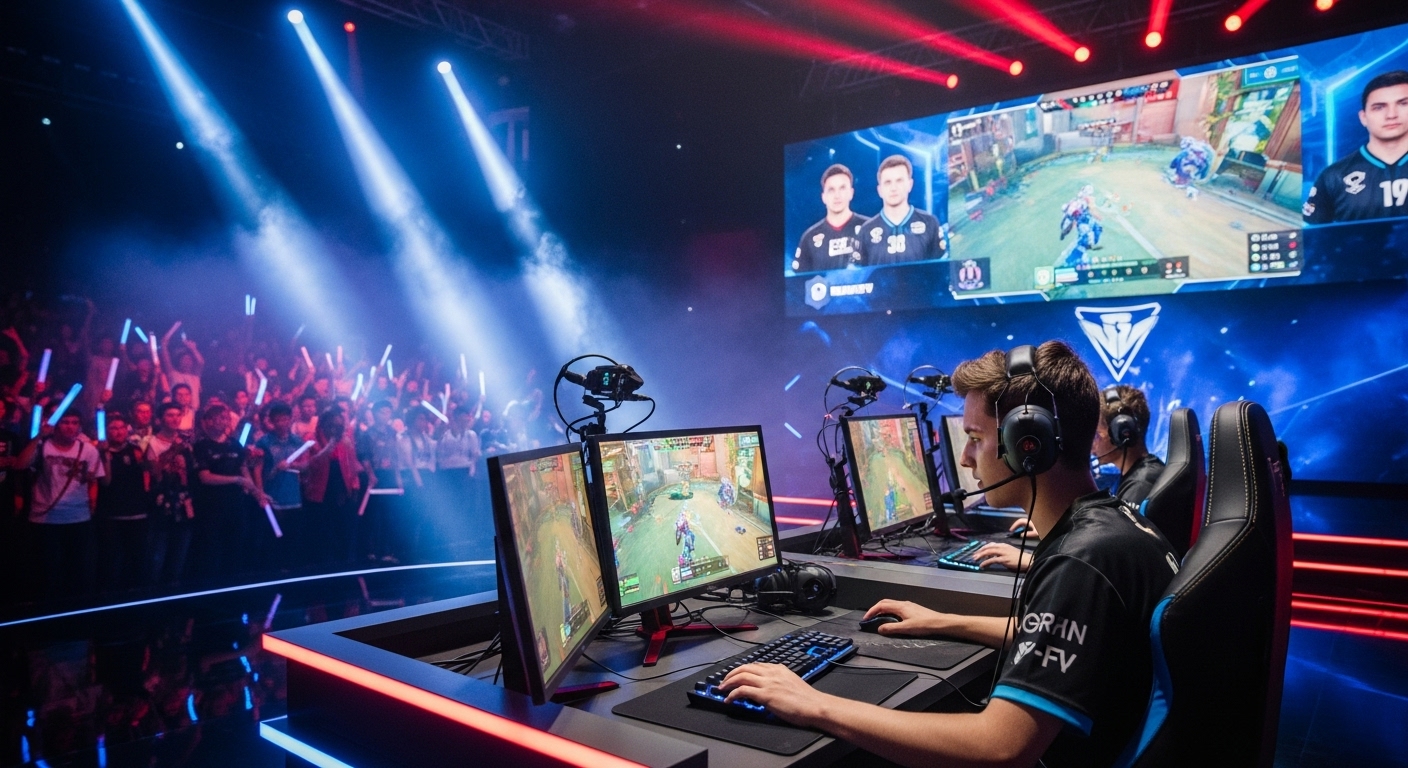
For aspiring professional gamers, the path to success is challenging but attainable. Players must dedicate countless hours to practice, refine their strategies, and maintain peak mental and physical condition. Unlike traditional sports, esports requires continuous adaptation, as game updates and evolving metas demand players remain flexible and innovative. The combination of talent, discipline, and strategy mirrors the rigor seen in conventional athletic careers, highlighting esports’ legitimacy as a professional pursuit.
The Role of Technology in Esports
Technology is the lifeblood of esports. High-speed internet, powerful gaming hardware, and sophisticated software platforms have made competitive gaming possible on a global scale. Advanced analytics and performance-tracking tools enable players and coaches to evaluate gameplay in granular detail, identifying strengths and weaknesses that can be refined over time. Virtual reality and augmented reality technologies promise to push the boundaries of esports even further, creating immersive experiences for both players and spectators.
Streaming technology has also revolutionized fan engagement. Live broadcasts allow millions of viewers to watch tournaments in real time, interact with streamers, and participate in digital communities. This interactivity has created a unique feedback loop, where fan engagement directly influences content creation and tournament design. The technological infrastructure supporting esports ensures that it remains dynamic, interactive, and accessible to a growing global audience.
Health and Well-being in Esports
While esports offers numerous professional and social opportunities, it also presents unique health challenges. Prolonged gaming can lead to physical issues such as repetitive strain injuries, eye strain, and poor posture. Mental health concerns, including burnout, stress, and performance anxiety, are also prevalent among professional players. Unlike traditional sports, where physical training and recovery are emphasized, esports requires a distinct focus on ergonomic practices, mental resilience, and lifestyle management.
Organizations and teams are increasingly recognizing the importance of player well-being. Professional coaching now often includes mental health support, nutrition guidance, and structured training schedules designed to prevent burnout. By prioritizing holistic health, the esports industry demonstrates that competitive gaming can be both sustainable and professional.
The Global Impact of Esports
Esports is a truly global phenomenon. Countries across North America, Europe, and Asia have established robust competitive circuits, with South Korea often cited as a pioneering hub for professional gaming culture. International tournaments attract players and fans from every corner of the world, fostering cross-cultural collaboration and competition. Esports also plays a role in diplomacy and national pride, with countries supporting teams in international competitions and recognizing the economic and social benefits of nurturing gaming talent.
Moreover, esports has become a platform for social change and community-building. Charitable tournaments, awareness campaigns, and inclusive gaming initiatives demonstrate that esports can transcend entertainment, serving as a catalyst for positive societal impact. The global reach of esports ensures that its influence extends beyond the screen, shaping cultural, economic, and social landscapes worldwide.
The Future of Esports
Looking ahead, esports shows no signs of slowing down. Emerging technologies, increasing investment, and growing mainstream recognition suggest that competitive gaming will continue to expand. Virtual reality, artificial intelligence, and cloud gaming could redefine how players compete and fans experience tournaments. Additionally, esports’ integration into educational programs and youth development initiatives indicates its potential to become a cornerstone of 21st-century skills and careers.
As esports matures, it will likely face challenges related to regulation, fair play, and sustainability. Ensuring competitive integrity, protecting player welfare, and maintaining audience engagement are ongoing concerns that require careful management. However, the industry’s adaptability and innovative spirit suggest that it will continue to evolve, creating opportunities for players, fans, and professionals alike.
Conclusion: A New Era of Competition
Esports represents more than just gaming; it embodies a new paradigm of competition, community, and creativity. From its humble beginnings in local LAN parties to its current status as a global cultural and economic force, esports has transformed how we think about sports, entertainment, and professional achievement. It challenges conventional ideas of athleticism, fosters global connectivity, and provides career opportunities that were unimaginable just a few decades ago.
The rise of esports signals a broader shift in society’s relationship with technology and competition. As digital experiences continue to shape our world, esports stands at the forefront, demonstrating that the future of sports and entertainment is not confined to physical arenas. It is a vibrant, dynamic, and inclusive world where talent, strategy, and passion converge beyond the screen, redefining what it means to compete in the modern era.