Introduction: The Digital Revolution in Gaming
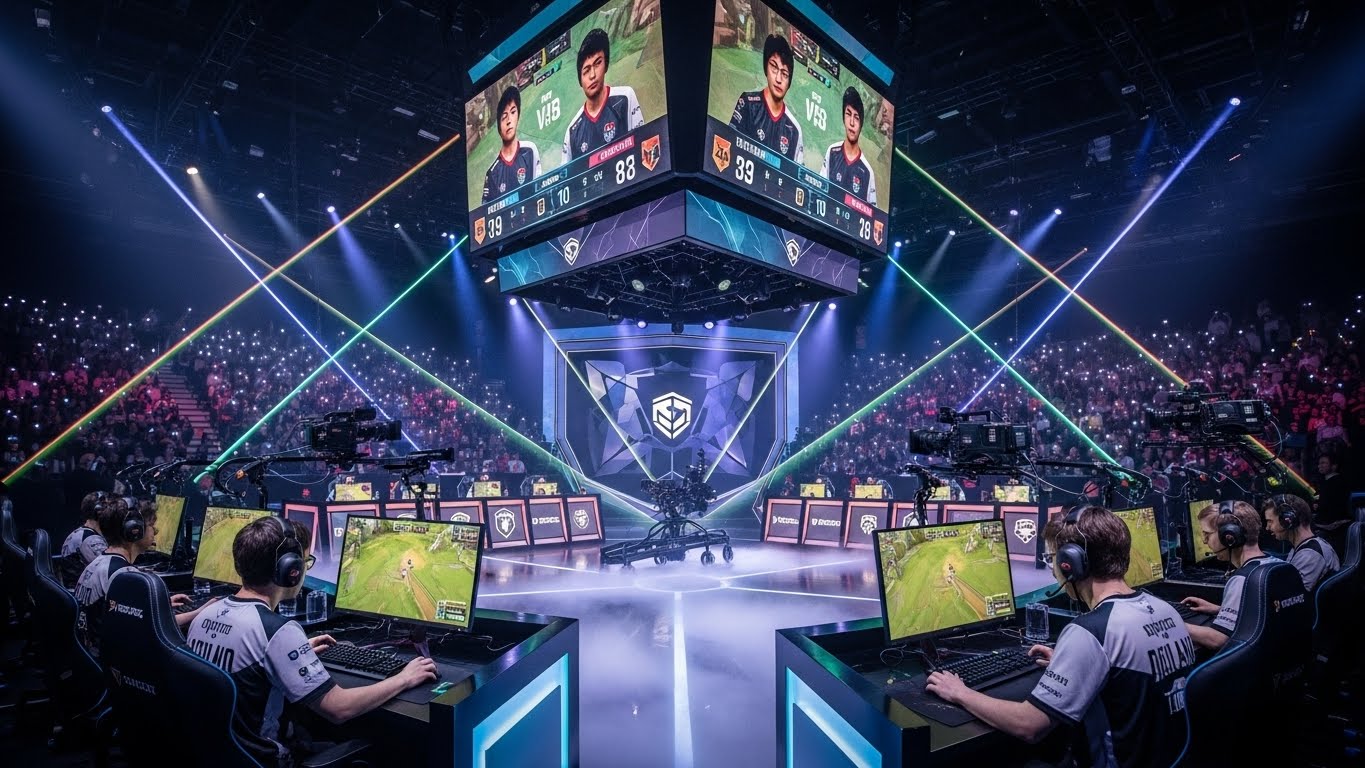
Esports, or electronic sports, has evolved from a niche pastime to a global phenomenon. What once began as small, local competitions between friends has blossomed into an entire industry, with professional teams, dedicated fans, and multi-million dollar tournaments. In a world dominated by technology and digital culture, esports has emerged as a major force in entertainment, education, and business. The rise of competitive gaming is a testament to the growing power of digital platforms and the massive demand for interactive, high-energy competition. But how did esports evolve from casual play to mainstream recognition? And what does the future hold for this exciting and fast-growing sector?
The Origins of Esports: From Arcade Games to Streaming Platforms
The roots of esports can be traced back to the early days of video gaming. In the 1970s and 1980s, arcade games like Pong and Space Invaders were among the first to offer competitive experiences. Gamers began to congregate in arcades, challenging each other to beat high scores. By the late 1990s, the internet had become more accessible, and online multiplayer games like Warcraft and StarCraft laid the foundation for organized competitive gaming. The concept of esports began to take shape as gamers from all over the world competed against each other in tournaments. These early events were typically small and regional, but they set the stage for the larger, more sophisticated competitions we see today. As the internet became faster and more reliable, competitive gaming shifted to online platforms, and games like League of Legends, Counter-Strike, and Dota 2 became staples of the esports scene.
The Growth of Esports: From Grassroots to Global Entertainment
In the early 2000s, esports began to grow rapidly. Organizations like Major League Gaming (MLG) and DreamHack started to host larger tournaments, attracting both professional players and fans. As streaming platforms like Twitch emerged, gamers were able to broadcast their gameplay to a global audience. This democratization of broadcasting turned esports from a localized phenomenon into a global spectacle. Esports tournaments were no longer just for the hardcore gaming community—they became accessible to anyone with an internet connection. With the rise of streaming services, fans could now watch their favorite players and teams compete in real time, often with live commentary, analysis, and fan interaction. The emergence of esports as a spectator sport brought it to the attention of major brands and investors, and soon, sponsorships and advertising deals flooded in. As a result, tournaments like The International, League of Legends World Championship, and Fortnite World Cup began offering multi-million dollar prize pools, attracting players from all over the world.
Esports and the Modern Gaming Landscape
Esports is no longer just about playing video games; it is a cultural movement that intersects with entertainment, business, and technology. Esports tournaments are now broadcasted on television and streaming platforms like Twitch, YouTube Gaming, and Facebook Gaming. The content surrounding esports has expanded to include documentaries, analysis shows, podcasts, and more, contributing to a rich media ecosystem. What once was a hobby has now become a full-fledged industry with players, coaches, analysts, and production teams, all working to create the most entertaining and competitive experiences for fans. In fact, some of the biggest esports titles—such as League of Legends, Dota 2, and Counter-Strike: Global Offensive—have esports scenes that are more lucrative and competitive than traditional sports leagues. Moreover, many professional esports organizations now operate in much the same way as traditional sports teams, with training facilities, coaches, and support staff. Esports athletes train for hours each day, perfecting their skills, analyzing opponents, and staying at the top of their game, just like professional athletes in any other sport.
The Players: The Athletes Behind the Screen
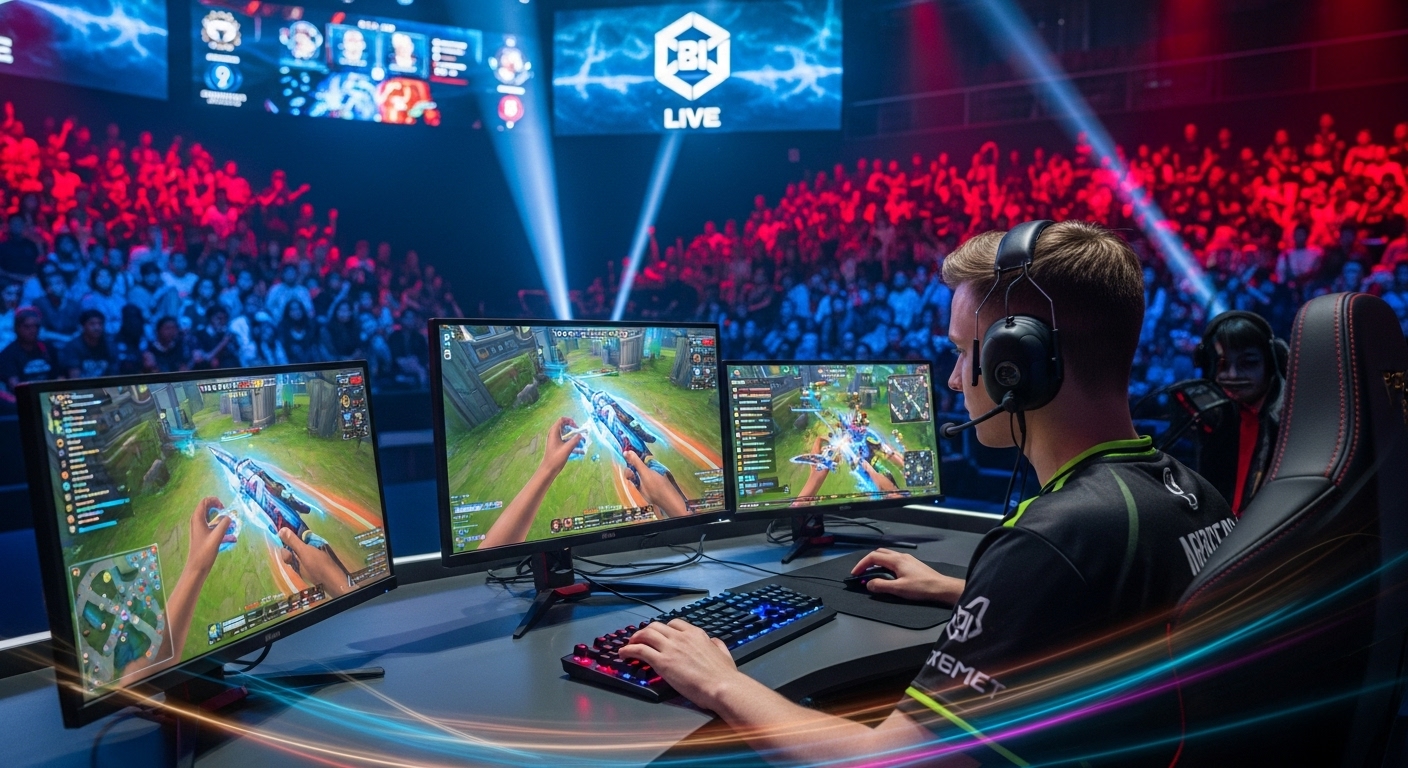
At the heart of every esports competition is the player. These athletes are often young—many start their professional careers in their teens—and their journey is similar to that of traditional athletes. They dedicate countless hours to practice, build strategies, and collaborate with their teammates. Success in esports requires a combination of fast reflexes, strategic thinking, and communication. Esports players often specialize in specific games, such as League of Legends, Overwatch, or Call of Duty, and climb the ranks through online competition. The most successful players often attract sponsorships from major companies, allowing them to make a living from their gaming skills. However, the path to success is not easy. Players must cope with intense pressure, a constant need to improve, and, often, the expectations of fans who follow their every move. Some players even develop mental and physical health issues due to the demanding nature of their profession. Despite these challenges, the rewards for those who succeed in esports are substantial. Top players can earn six-figure salaries, travel the world, and build massive followings on social media.
The Business of Esports: Sponsorships, Teams, and Big Money
Esports has evolved into a highly profitable industry. Major brands—from tech companies like Intel and ASUS to beverage giants like Coca-Cola and Red Bull—have all invested in esports sponsorships. In fact, sponsorships now account for a significant portion of esports revenue, as companies recognize the enormous potential of the growing esports audience. Esports tournaments, especially the larger international events, can attract millions of viewers both online and offline. The global audience for esports is estimated to be over 450 million, and the industry is expected to generate billions of dollars in revenue in the coming years. Beyond sponsorships, esports organizations also generate income from ticket sales, broadcasting rights, and merchandise. Teams like Cloud9, Fnatic, and T1 are not just organizations—they are brands with their own identities, fanbases, and sponsorship deals. The most successful esports organizations have diversified revenue streams and even operate in multiple game titles. These teams compete in international leagues, sign sponsorship deals, and offer merchandise to their fans, making them integral players in the esports ecosystem.
Esports as a Spectator Sport: The Rise of Esports Streaming
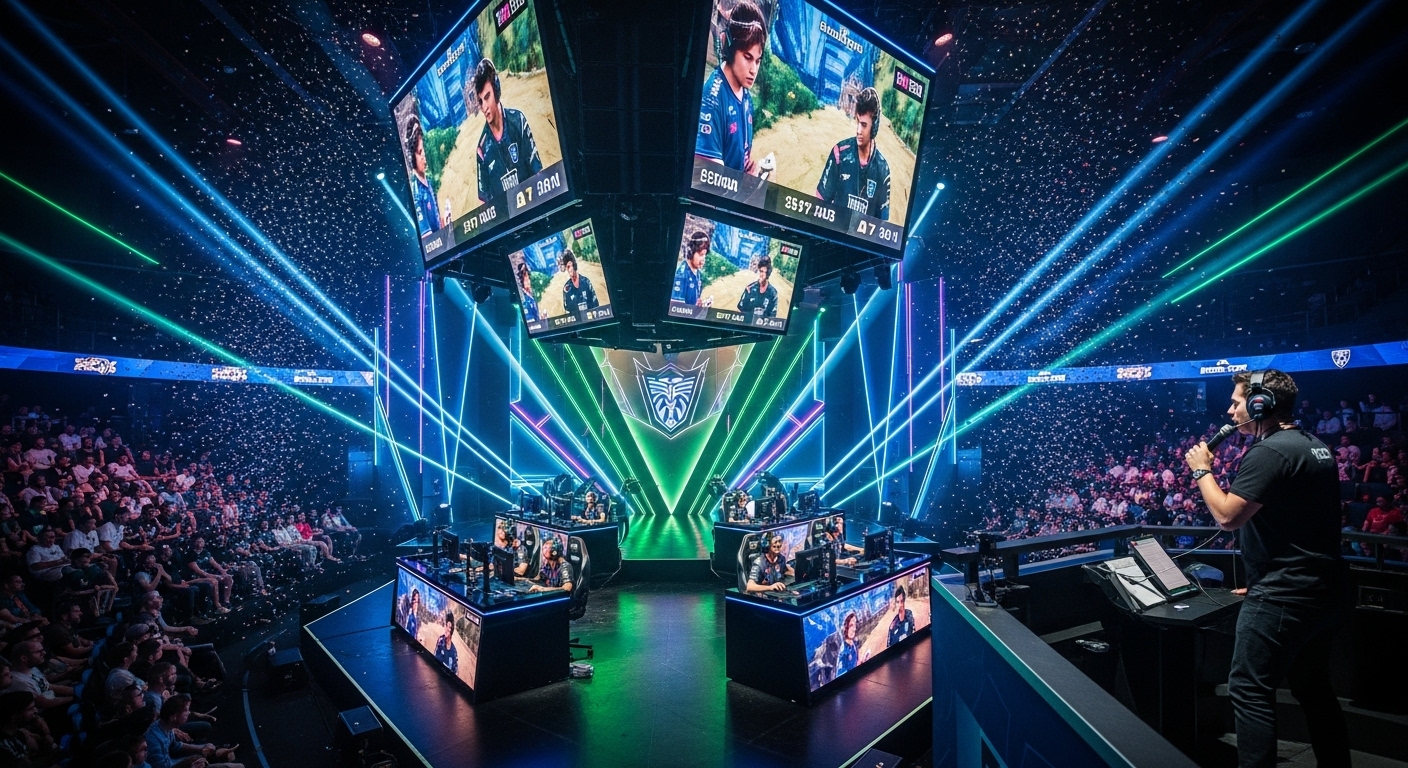
What makes esports particularly unique is its ability to bring millions of fans together from all around the world to watch live events. Platforms like Twitch, YouTube Gaming, and Facebook Gaming have enabled esports to flourish as a spectator sport. Competitive gaming is now one of the most-watched forms of entertainment, with events often attracting audiences larger than those of traditional sports leagues. The rise of esports streaming has also led to the creation of full-time careers for streamers, who generate income through sponsorships, donations, and subscriptions. These content creators serve as the face of gaming culture, providing live commentary, gameplay analysis, and community-building experiences for fans. Esports streaming allows viewers to follow players, teams, and tournaments in real-time, often engaging in live chats with other fans. This interactive aspect of esports broadcasts makes the experience more personal and immersive, helping to build tight-knit communities around games and players.
The Impact of Esports on Traditional Sports
Esports has had a profound impact on traditional sports, and the two are increasingly intertwined. Many professional sports teams, including those in football, basketball, and soccer, have started to invest in esports, either by sponsoring esports teams or creating their own. The rise of esports has led to more crossover between the worlds of gaming and traditional sports. For example, many professional sports leagues now have their own esports divisions, such as the NBA 2K League and the ePremier League. These leagues feature professional athletes and esports players competing in virtual sports, blurring the lines between physical and digital competition. Moreover, esports is drawing the attention of younger generations, many of whom prefer playing or watching esports over traditional sports. As esports continues to grow, it is likely that it will become an integral part of the sporting landscape, influencing everything from sponsorship strategies to fan engagement.
The Future of Esports: Innovation and Global Expansion
The future of esports looks bright. As technology continues to advance, the competitive gaming experience will become more immersive and interactive. Virtual reality (VR) and augmented reality (AR) are expected to play a larger role in esports, providing players and fans with entirely new ways to experience gaming. Cloud gaming, where players can stream games without needing expensive hardware, will also open up esports to a broader audience. Additionally, the global expansion of esports is inevitable. While esports is already popular in regions like North America, Europe, and South Korea, countries in Latin America, Southeast Asia, and Africa are starting to embrace competitive gaming. As internet infrastructure improves worldwide, the accessibility of esports will only increase. Esports tournaments are also expected to grow in scale, with even larger prize pools, more global sponsorships, and more mainstream media coverage. Esports may soon rival traditional sports in terms of viewership, cultural influence, and revenue generation.
Esports and Education: Learning Through Gaming
One of the most significant benefits of esports is its ability to foster learning. Many educational institutions have begun to recognize the value of esports, incorporating competitive gaming into their curriculum. Some schools and universities even offer scholarships for esports athletes, providing opportunities for students to pursue a career in gaming while earning a degree. Additionally, esports help develop critical skills such as teamwork, communication, strategy, and problem-solving—skills that are highly transferable to the real world. Through esports, students learn to collaborate, analyze complex situations, and think on their feet—just as they would in business, science, or any other field. In this way, esports is not only entertainment; it’s a platform for educational growth.