Esports, or electronic sports, has evolved from a niche hobby into a billion-dollar industry that captivates millions worldwide. Once dismissed as casual gaming, competitive gaming has grown into a structured, professional arena where players train rigorously, teams compete internationally, and fans gather to witness extraordinary digital skill. This blog delves into the fascinating world of esports, exploring its history, impact, challenges, and the future of competitive gaming as a legitimate sport and cultural phenomenon.
The Origins of Esports
The roots of esports trace back to the late 1970s and 1980s when arcade competitions and early video games sparked friendly rivalry. Classic titles like Space Invaders and Pac-Man hosted tournaments that drew enthusiastic crowds. However, it wasn’t until the 1990s, with the advent of multiplayer games like Doom and Quake, that competitive gaming began to take shape on a global scale.
The growth of the internet in the 2000s fueled esports by connecting players across continents. Online multiplayer battles became the norm, and communities of competitive players started to emerge. LAN tournaments and early leagues laid the foundation for what would become a professionalized global esports ecosystem. From small gatherings to massive arenas, the evolution of esports has been a journey of skill, innovation, and dedication.
What Defines Esports
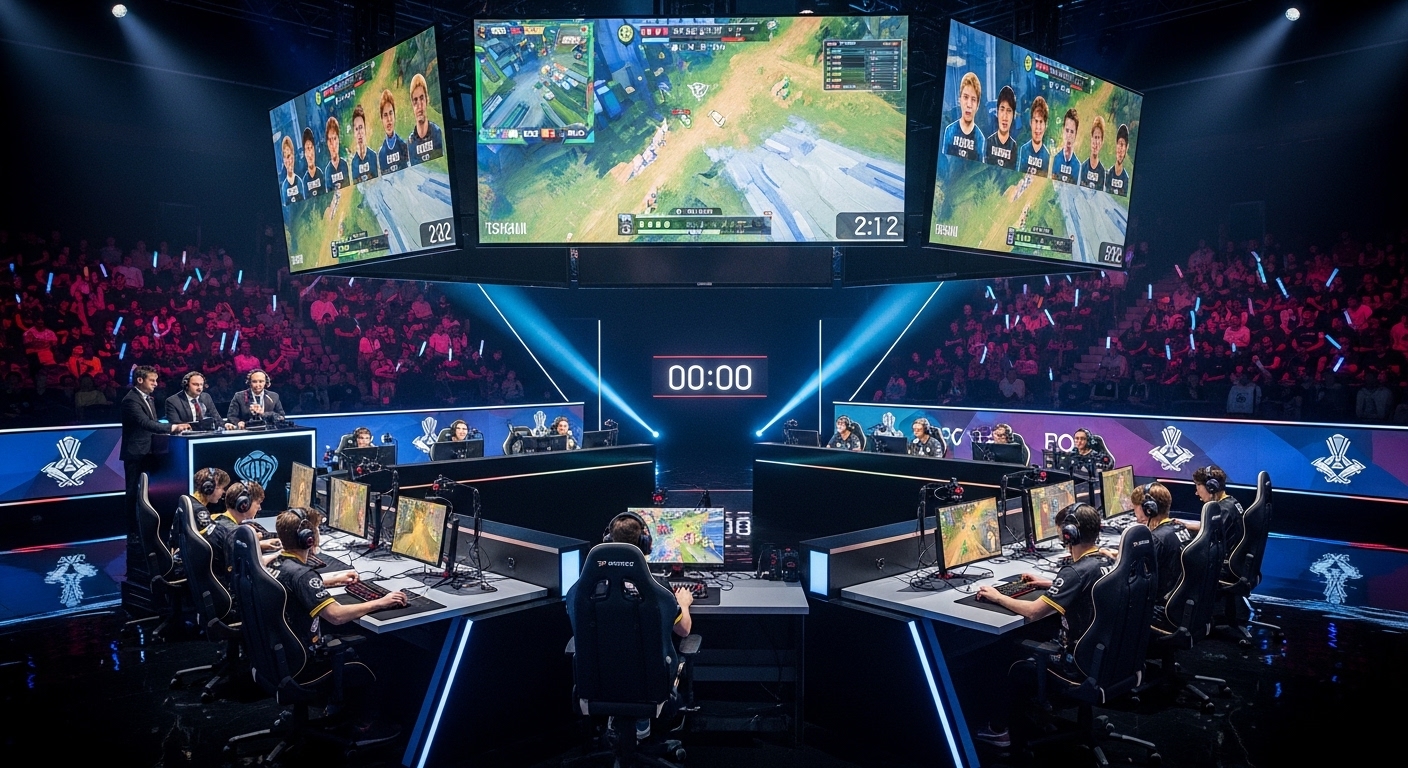
Esports differs from casual gaming in its competitive and professional nature. It involves organized tournaments, structured teams, official rules, and often significant cash prizes. Popular esports genres include multiplayer online battle arena (MOBA) games, first-person shooters (FPS), real-time strategy (RTS), and sports simulation games. Titles such as League of Legends, Dota 2, Counter-Strike: Global Offensive, Fortnite, and Call of Duty have become staples of the competitive scene.
Professional esports players undergo rigorous training similar to traditional athletes, including strategic analysis, practice sessions, team coordination, and even physical conditioning. Esports is more than just playing games—it’s a disciplined pursuit of mastery that requires focus, reflexes, teamwork, and mental endurance.
The Global Growth of Esports
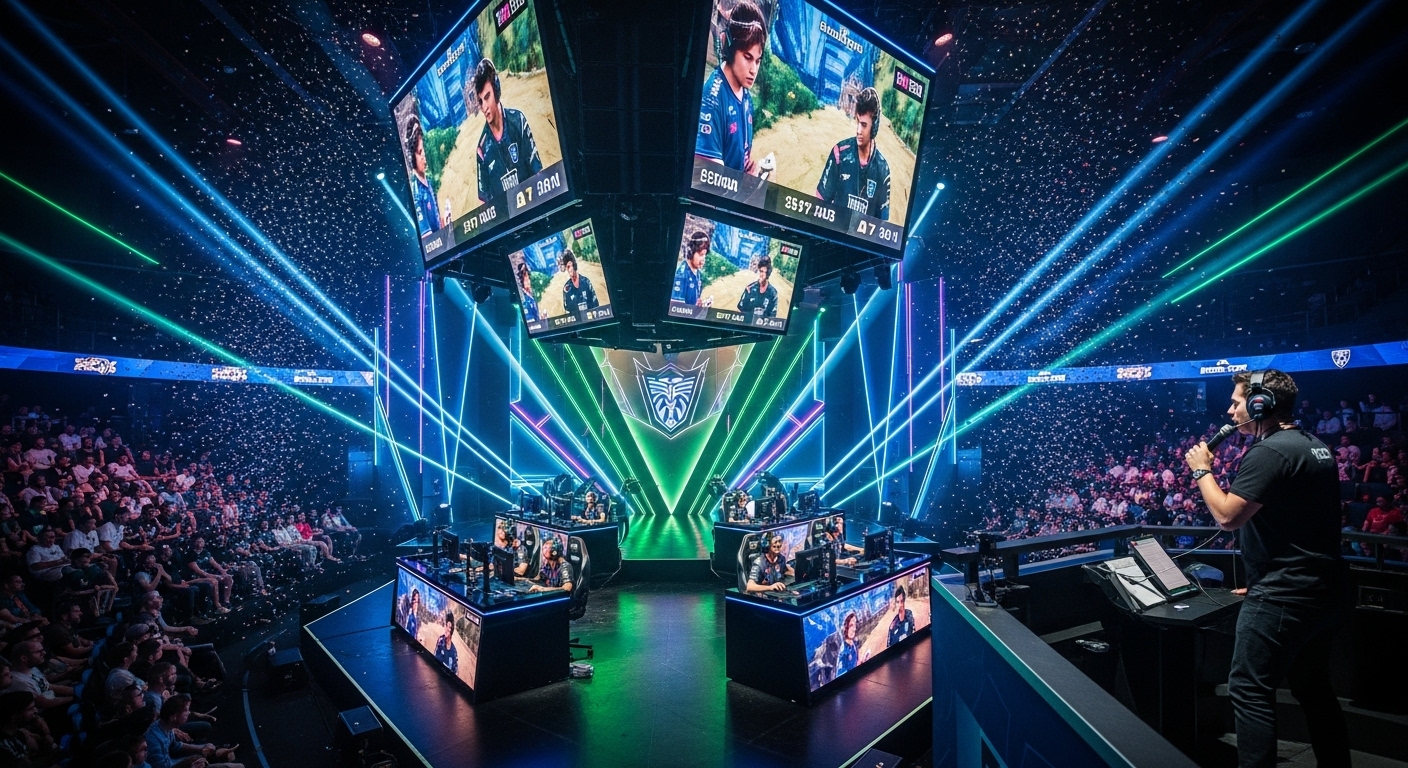
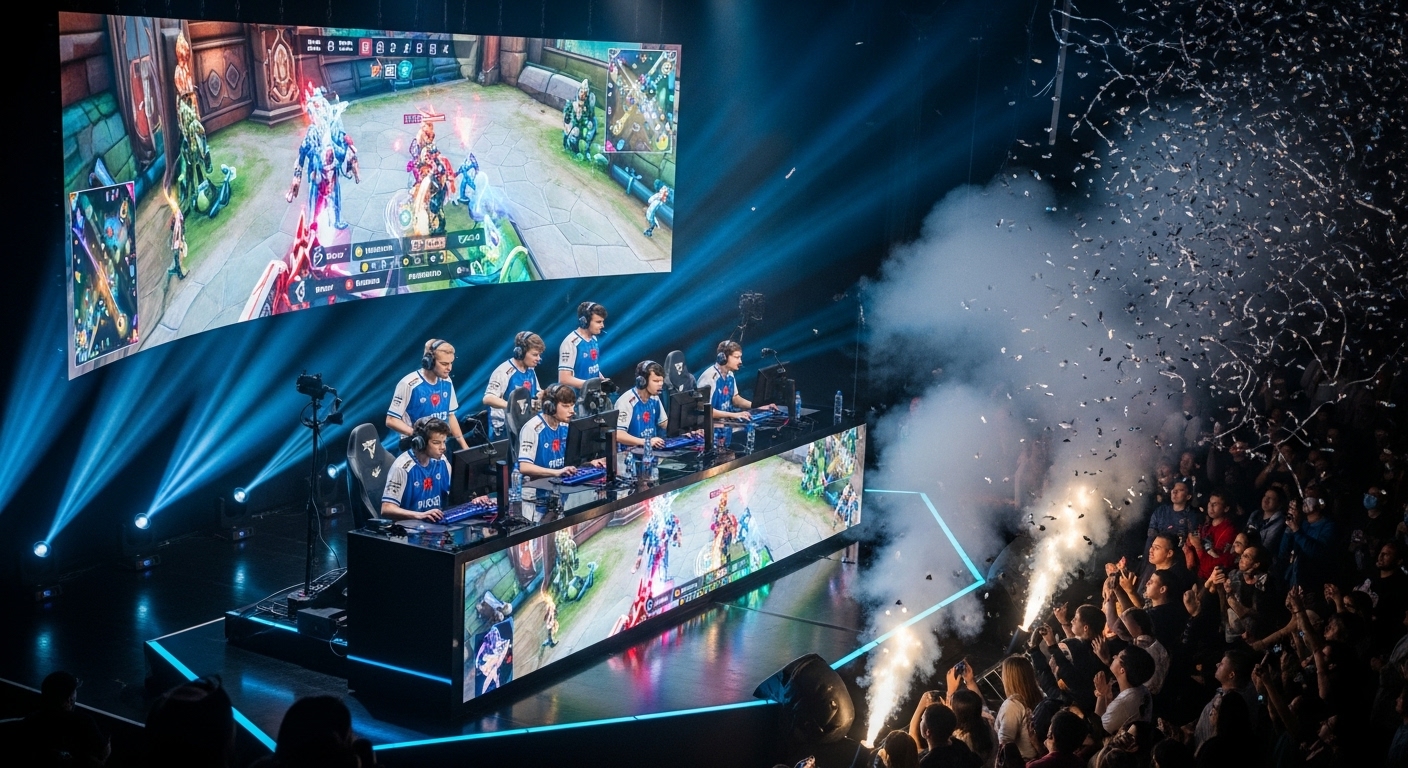
The global rise of esports is unprecedented. Millions of fans watch tournaments on streaming platforms, filling virtual arenas and physical venues alike. Major competitions like The International, the League of Legends World Championship, and the Fortnite World Cup attract audiences comparable to traditional sports events.
Esports has become a multibillion-dollar industry encompassing sponsorships, advertising, merchandising, and ticket sales. Countries across the globe, particularly in Asia, Europe, and North America, have recognized esports as a legitimate professional sport. Governments and organizations invest in esports infrastructure, while universities offer scholarships and programs to nurture competitive gaming talent.
The Psychological and Cognitive Benefits of Esports
Esports offers more than entertainment—it also provides cognitive and psychological benefits. Competitive gaming enhances strategic thinking, problem-solving, and multitasking skills. Players must process complex information rapidly, anticipate opponents’ moves, and adapt strategies on the fly.
Moreover, esports develops teamwork and communication skills. Multiplayer games require players to collaborate, coordinate tactics, and make real-time decisions under pressure. The mental resilience built through competitive gaming fosters patience, focus, and persistence, valuable traits both inside and outside the digital arena.
The Social Impact of Esports
Esports has transformed social interactions, creating communities that transcend borders. Online multiplayer platforms connect players worldwide, fostering friendships, mentorship, and teamwork. Gaming clans, guilds, and professional teams provide players with belonging and identity, while fans engage in discussion, content creation, and community events.
The rise of streaming platforms and esports media has also expanded the social dimension. Fans can interact with professional players, watch live commentary, and participate in online events. This connectivity has made esports a social phenomenon, blending competition, entertainment, and cultural exchange.
Esports as a Career
Esports has opened new career opportunities beyond professional gameplay. Players, coaches, analysts, commentators, and content creators now have avenues to build careers in the gaming industry. Professional esports players can earn salaries, sponsorship deals, and tournament winnings, making competitive gaming financially viable.
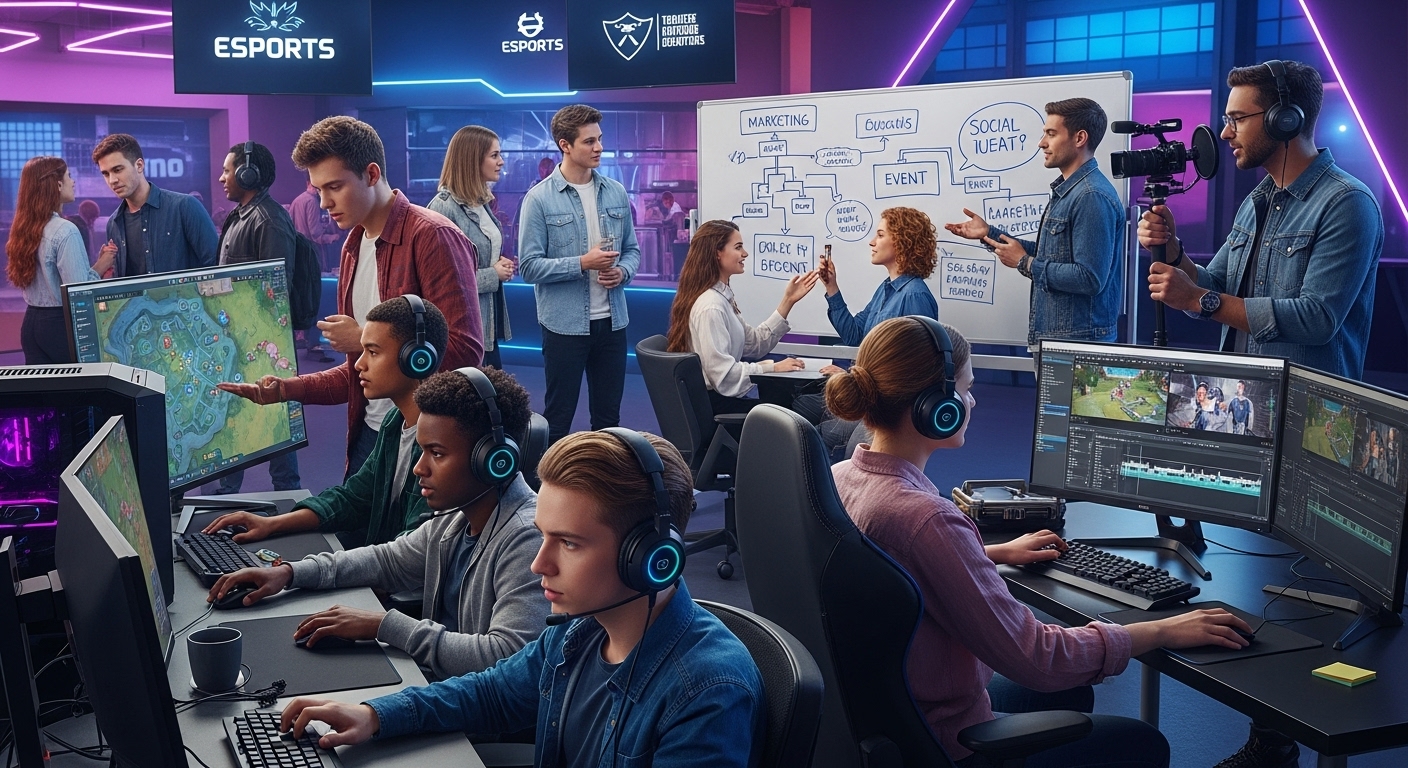
The esports ecosystem also creates jobs in marketing, event management, broadcasting, game development, and technology. This growth reflects the legitimacy of esports as a professional domain, demonstrating that the skills cultivated in gaming can translate into meaningful careers in the digital economy.
The Role of Technology in Esports
Technology plays a crucial role in the development and popularity of esports. High-speed internet, advanced gaming hardware, and sophisticated software allow players to compete at unprecedented levels. Streaming platforms enable real-time broadcasting of tournaments, connecting millions of viewers worldwide. Analytics tools and artificial intelligence assist teams in strategy formulation, performance tracking, and skill improvement.
Virtual reality and augmented reality are also beginning to influence esports, offering new immersive experiences and expanding the boundaries of competitive gameplay. Technology continues to elevate esports, making it not just a game but a cutting-edge entertainment and sports experience.
Challenges Facing Esports
Despite its rapid growth, esports faces challenges. Player burnout is a major concern, as professional gamers often undergo grueling schedules and high-pressure environments. Maintaining physical and mental health is critical to sustaining long-term careers.
Additionally, esports must address issues of inclusivity, diversity, and accessibility. While progress has been made, barriers still exist for underrepresented groups. Ethical concerns around monetization, gambling, and online toxicity also require attention to ensure the integrity and sustainability of the industry.
Esports and Education
Esports has begun to intersect with education in remarkable ways. Universities and colleges now offer esports programs, scholarships, and competitive teams. These programs teach not only gaming skills but also communication, leadership, event management, and strategic thinking.
Esports education prepares students for careers in gaming, media, technology, and entrepreneurship. It also fosters soft skills such as teamwork, problem-solving, and critical thinking. By integrating esports into educational systems, institutions recognize its potential to inspire innovation and skill development in the digital age.
Esports and Cultural Influence
Esports has a profound cultural impact, influencing entertainment, fashion, music, and media. Iconic games and players inspire fan art, music remixes, and cosplay, while tournaments become global spectacles that celebrate creativity and community.
Esports also challenges traditional notions of sports, proving that digital competition can evoke passion, excitement, and admiration comparable to physical sports. This cultural shift highlights the growing acceptance of esports as a legitimate and influential part of modern life.
The Future of Esports
The future of esports is full of promise. Emerging technologies like virtual reality, cloud gaming, and artificial intelligence will redefine how games are played and experienced. Esports leagues may integrate more advanced broadcasting techniques, immersive storytelling, and interactive fan experiences.
Global expansion will continue, with new markets embracing competitive gaming and creating diverse opportunities. As esports becomes increasingly professionalized, the line between traditional sports and digital sports will blur, establishing esports as a permanent fixture in the global sporting landscape.
Esports and Personal Growth
Esports is more than competition; it is a journey of personal growth. Players learn discipline, resilience, and strategic thinking. They build confidence, social connections, and leadership skills. Even fans benefit, developing appreciation for teamwork, skill, and creativity. Competitive gaming is a reflection of human potential, proving that digital arenas can inspire achievement, learning, and cultural connection.
Conclusion
Esports has transformed from a casual pastime into a global cultural and professional phenomenon. It combines competition, technology, community, and creativity, impacting players, fans, and industries worldwide. The discipline, skill, and teamwork inherent in esports mirror traditional sports, while its accessibility and innovation set it apart as a unique modern pursuit.
As esports continues to grow, it promises not only entertainment but also personal development, career opportunities, and cultural influence. Far beyond pixels on a screen, esports is a testament to human ingenuity, passion, and the power of digital connection. It is more than a game—it is a global movement reshaping how we play, compete, and connect in the 21st century.