Introduction
Esports, or competitive gaming, has evolved from a niche hobby into a global phenomenon that is reshaping entertainment, sports culture, and digital engagement. What began as small local tournaments among friends has now grown into a multi-billion-dollar industry with professional players, international leagues, and millions of viewers worldwide. Unlike traditional sports, esports combines technology, strategy, reflexes, and creativity in ways that appeal to a new generation of fans. This blog explores the origins of esports, its growth, cultural impact, and the factors driving its worldwide popularity.
The Origins of Esports
The concept of competitive gaming is not new. In the late 1970s and 1980s, arcades became the breeding ground for gaming competitions. Titles such as Space Invaders, Pac-Man, and later Street Fighter and Mortal Kombat drew players eager to prove their skills. With the arrival of home computers and consoles, games like StarCraft, Counter-Strike, and Warcraft popularized competitive gameplay on a larger scale. Early esports tournaments were modest, often organized by local gaming communities or magazines, but they laid the groundwork for professional leagues and international competitions that would emerge decades later.
The Explosion of the Esports Industry
Esports has experienced unprecedented growth over the past decade. Professional leagues, global tournaments, and live streaming platforms have transformed competitive gaming into a full-fledged entertainment industry. Prize pools for major events now reach millions of dollars, attracting top talent from around the world. Sponsorships, merchandise sales, and media coverage have made esports a lucrative career path for players, coaches, analysts, and content creators. Organizations have emerged to manage teams, coordinate tournaments, and negotiate broadcasting rights, establishing esports as both a professional and mainstream phenomenon.
Popular Esports Games
Esports encompasses a variety of game genres, each offering unique challenges and audience experiences. Multiplayer online battle arena games, such as League of Legends and Dota 2, emphasize teamwork, strategy, and coordination. First-person shooters like Counter-Strike, Valorant, and Call of Duty focus on precision, reflexes, and tactical decision-making. Fighting games, sports simulations, and real-time strategy games also contribute to the competitive landscape. This diversity ensures that esports attracts players and fans with different interests, fostering a vibrant and inclusive community.
The Role of Professional Players
Professional esports players dedicate significant time and effort to hone their skills. Daily routines often include hours of practice, strategic planning, and analysis of opponents’ gameplay. Top players require mental resilience, focus, and adaptability, as competitive environments are highly demanding. Beyond gaming ability, professional players also engage with fans, maintain personal brands, and participate in media appearances. This level of dedication mirrors traditional sports, emphasizing that esports requires discipline, commitment, and teamwork to succeed at the highest level.
Streaming Platforms and Fan Engagement
Streaming platforms have been instrumental in popularizing esports. Services such as Twitch and YouTube Gaming allow fans to watch live tournaments, follow favorite players, and engage with communities in real time. Interactive features such as live chat, donations, and subscriber perks create a sense of involvement and connection between viewers and players. Streaming has also democratized access to esports, allowing smaller tournaments and amateur players to reach global audiences. These platforms have transformed esports into a participatory, community-driven experience that appeals to a wide demographic.
The Economics of Esports
Esports is a multi-billion-dollar industry with diverse revenue streams. Prize money, sponsorships, advertising, merchandise, ticket sales for live events, and media rights contribute to the economic growth of the sector. Major organizations invest in training facilities, coaching staff, and player development programs, creating structured systems similar to traditional sports. The industry also generates employment opportunities across broadcasting, marketing, event management, and content creation. Esports’ economic influence highlights its legitimacy and sustainability as a professional and commercial enterprise.
The Social Impact of Esports
Esports has created global communities that transcend cultural and geographic boundaries. Online forums, social media groups, and fan communities foster collaboration, discussion, and shared experiences. Multiplayer games encourage teamwork, communication, and problem-solving, while tournaments and live events provide opportunities for social connection. Esports also inspires younger generations to develop skills, pursue professional careers, or engage in content creation. By connecting people worldwide, esports has become more than entertainment; it is a social and cultural phenomenon.
Education and Esports
Educational institutions increasingly recognize esports as a valuable tool for learning and skill development. Colleges and universities offer scholarships, programs, and dedicated esports teams, integrating competitive gaming into campus life. Participation develops critical thinking, leadership, communication, and time management skills. Additionally, esports programs teach students about technology, broadcasting, and event management, preparing them for careers in digital media and professional gaming. This integration demonstrates that esports can combine recreation with education and personal growth.
Women in Esports
Women are becoming increasingly prominent in esports, breaking barriers in a historically male-dominated industry. Female players, commentators, and streamers have gained recognition, inspiring future generations and promoting inclusivity. Organizations and tournaments now emphasize gender equality, providing platforms for women to compete at the highest level. Greater representation enhances diversity in gaming, enriching the community and encouraging broader participation. The growing presence of women in esports reflects a positive shift toward inclusivity and equal opportunity.
Global Esports Tournaments
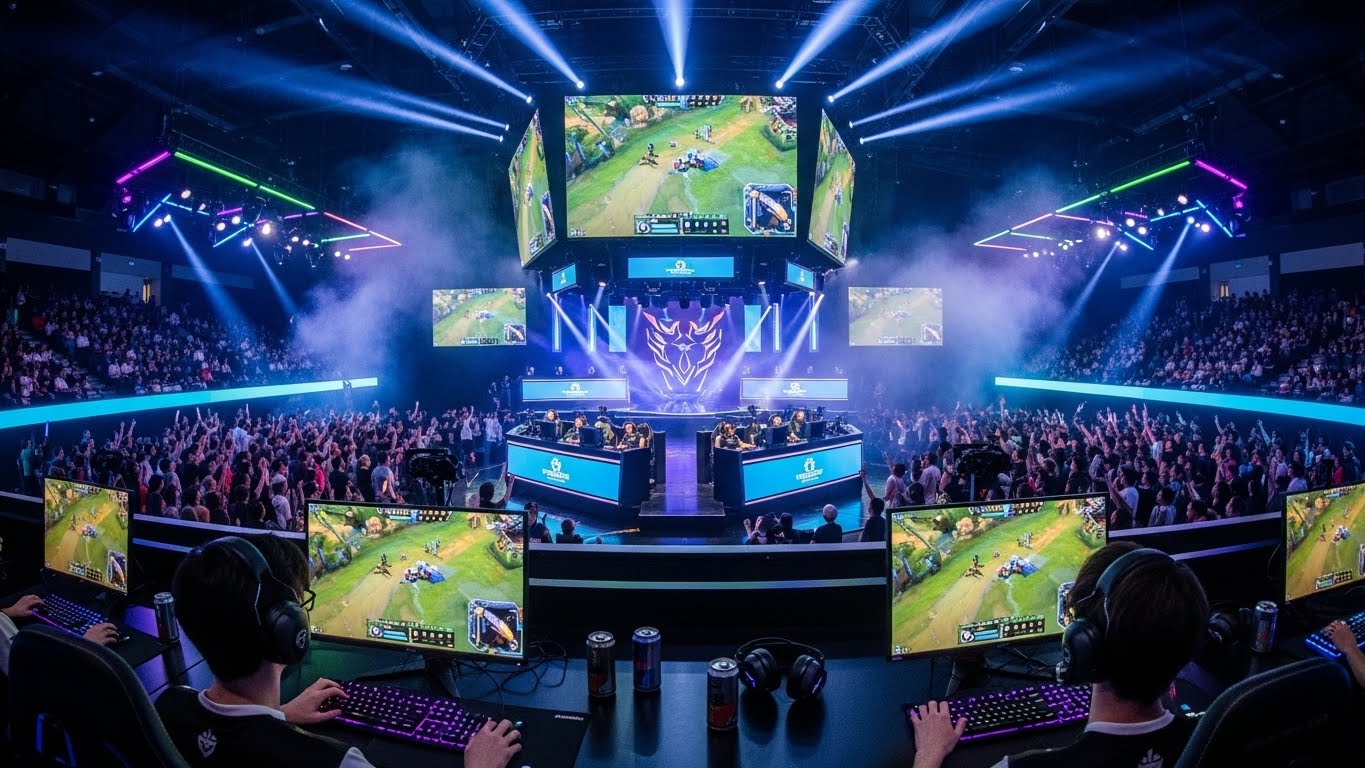
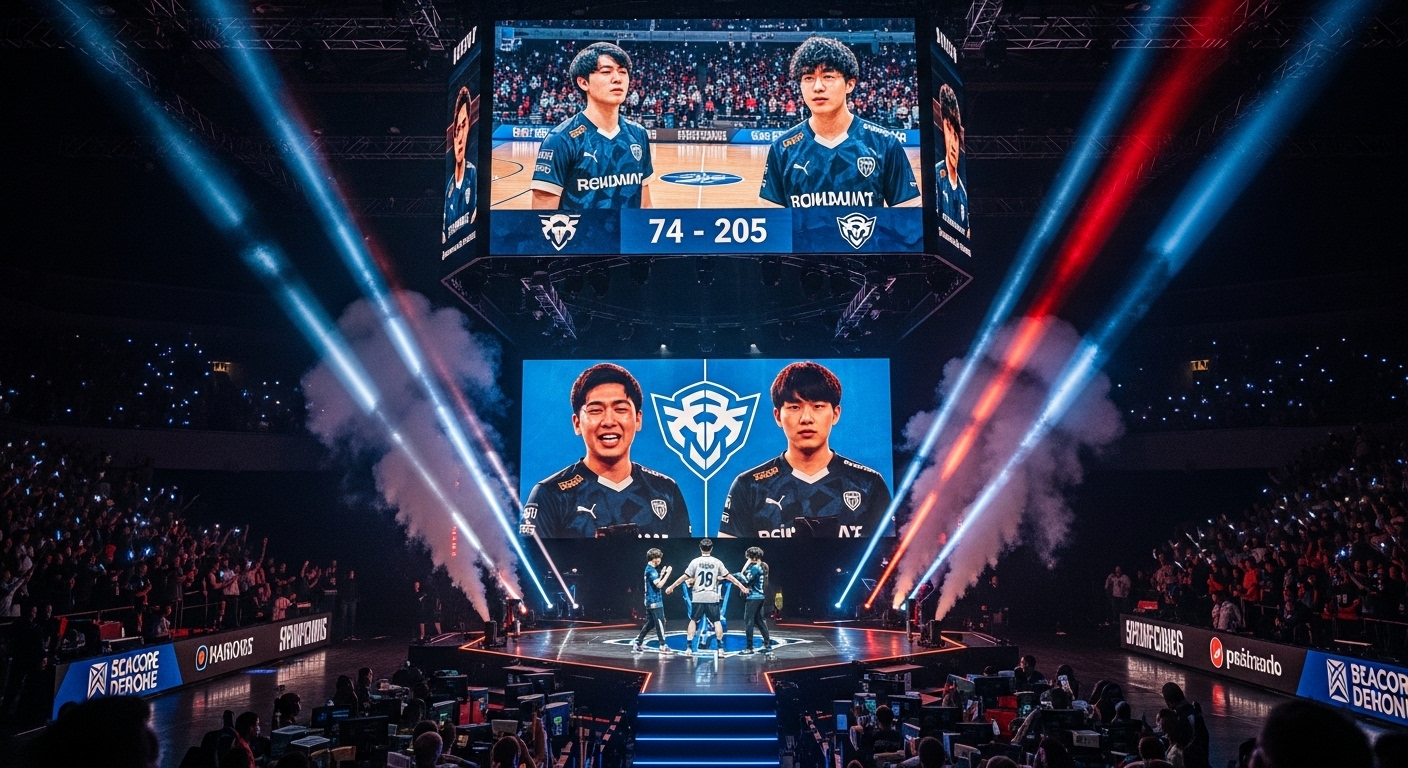
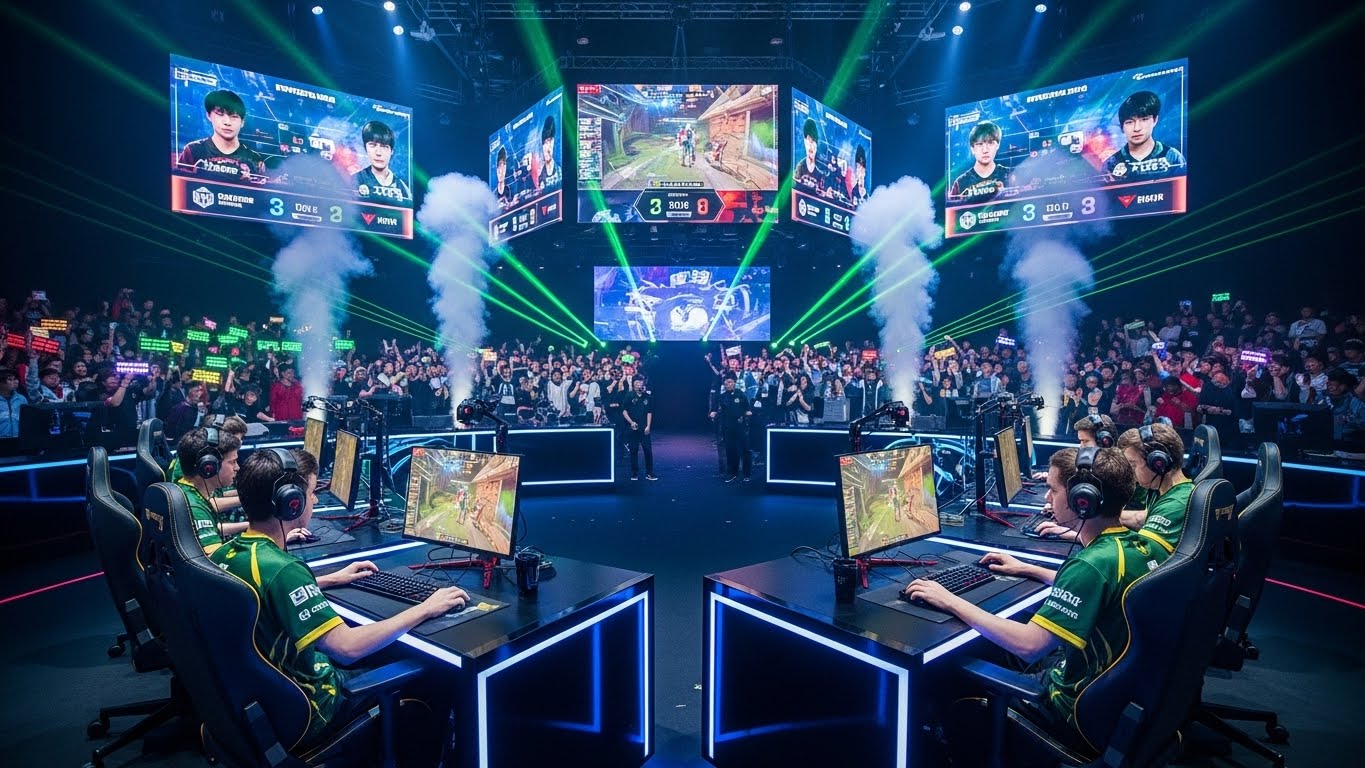
Esports tournaments attract millions of viewers worldwide and rival traditional sports events in scale and production. Competitions such as the League of Legends World Championship, Dota 2’s The International, and the Fortnite World Cup feature high stakes, elaborate production, and international teams. These events generate excitement, foster cultural exchange, and celebrate athletic skill and strategic thinking. Global tournaments also inspire fans and amateur players, demonstrating the aspirational nature of esports and its power to unite diverse audiences around shared passions.
Mental and Physical Demands of Esports
Competitive gaming requires intense mental focus, reflexes, and decision-making. Players must anticipate opponents’ moves, adapt strategies, and perform under pressure. While esports may appear sedentary, physical fitness is crucial for maintaining focus, stamina, and overall health. Many professional players incorporate exercise, nutrition, and mental conditioning into their routines. The combination of cognitive and physical preparation distinguishes esports from casual gaming, emphasizing its status as a demanding and professional pursuit.
The Future of Esports
The future of esports is full of potential and innovation. Emerging technologies such as virtual reality, augmented reality, and artificial intelligence promise to enhance immersion, strategy, and fan engagement. Esports will continue to expand globally, attracting broader audiences and deeper investments. Greater inclusivity, sustainability, and professionalization are shaping the industry, ensuring that it remains accessible and appealing. As esports grows, it is poised to redefine entertainment, competition, and digital culture for generations to come.
Conclusion
Esports has transformed the landscape of gaming, entertainment, and competition. It is no longer a niche pastime but a global industry that combines skill, strategy, technology, and creativity. Professional players, global tournaments, and streaming platforms have elevated esports to mainstream recognition, influencing culture, economy, and society. From education and social impact to economic opportunities and technological innovation, esports has proven to be a dynamic, inclusive, and influential force. Its rise signifies a new era of competitive entertainment, inspiring players, fans, and creators worldwide.