
Introduction: The Rise of a New Era
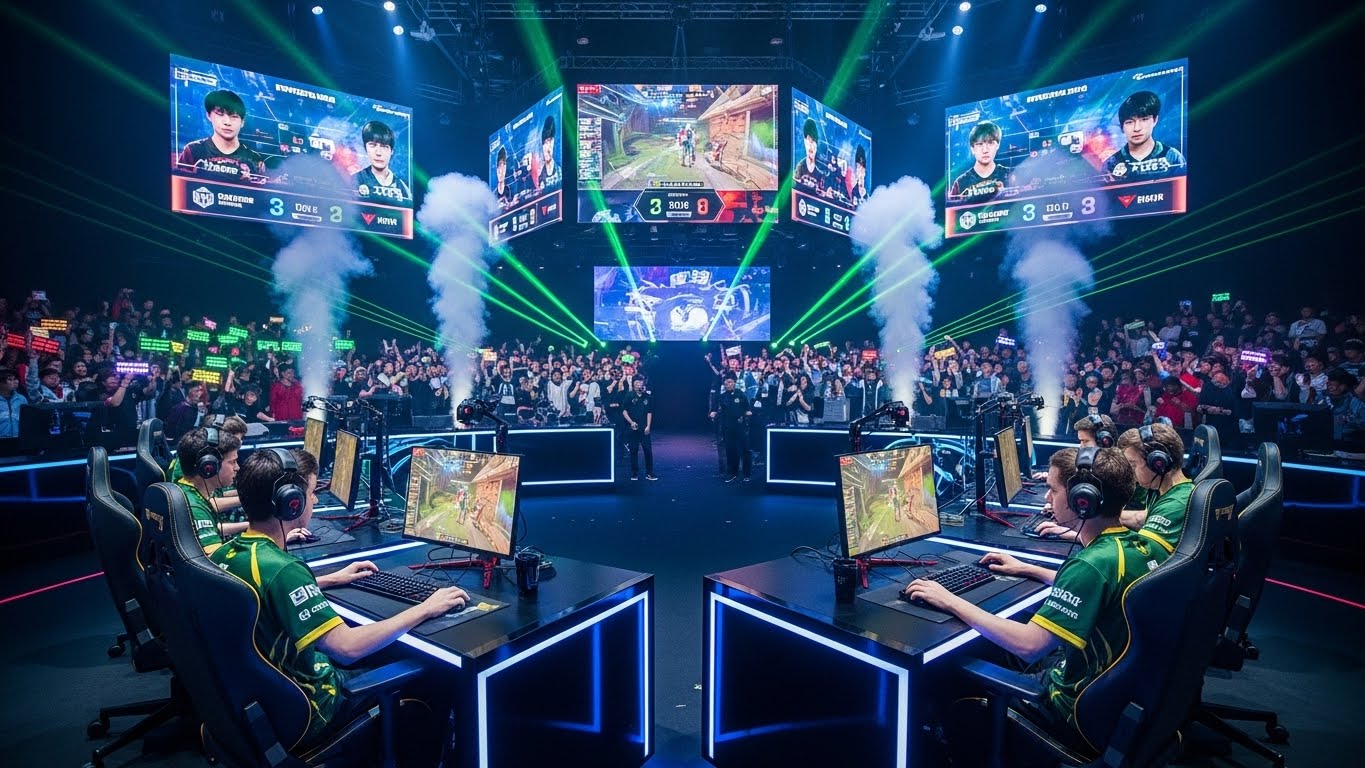
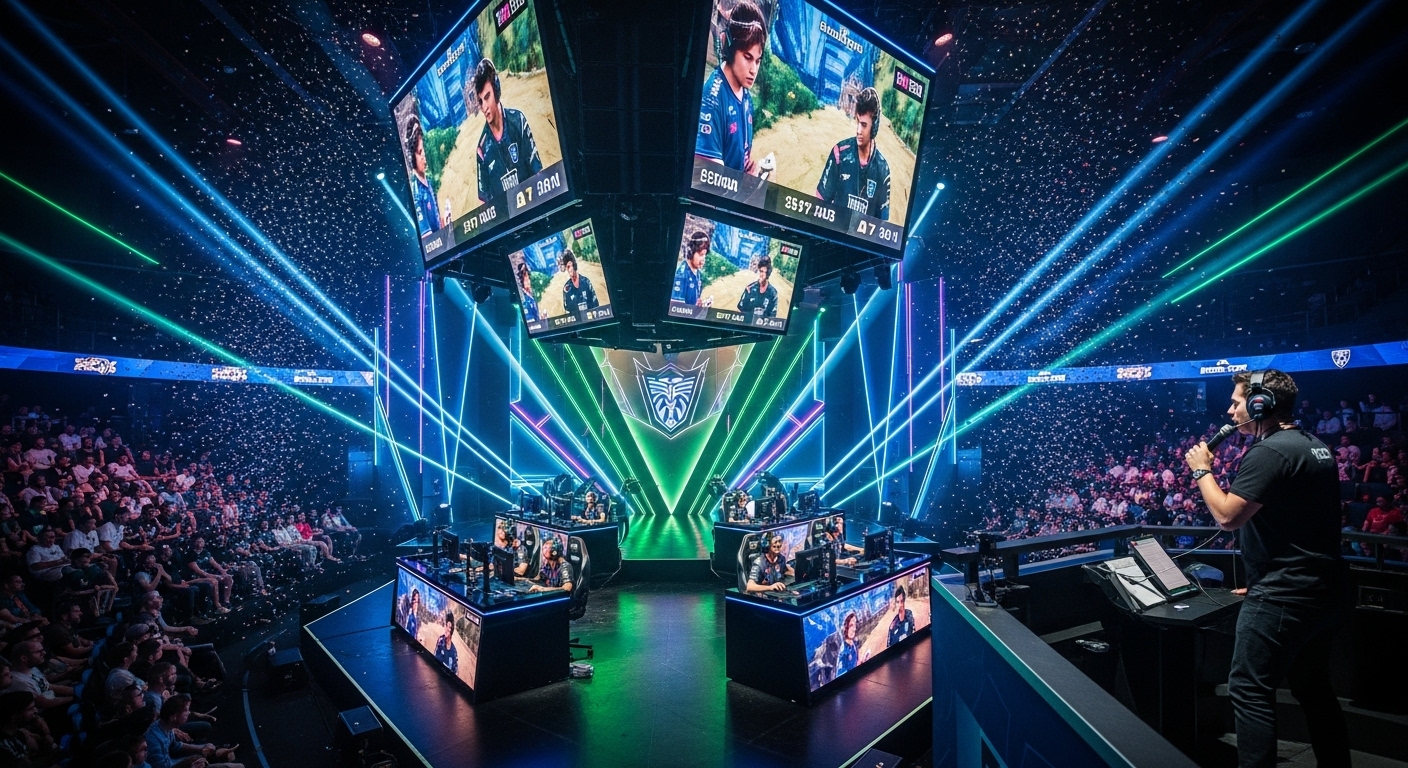
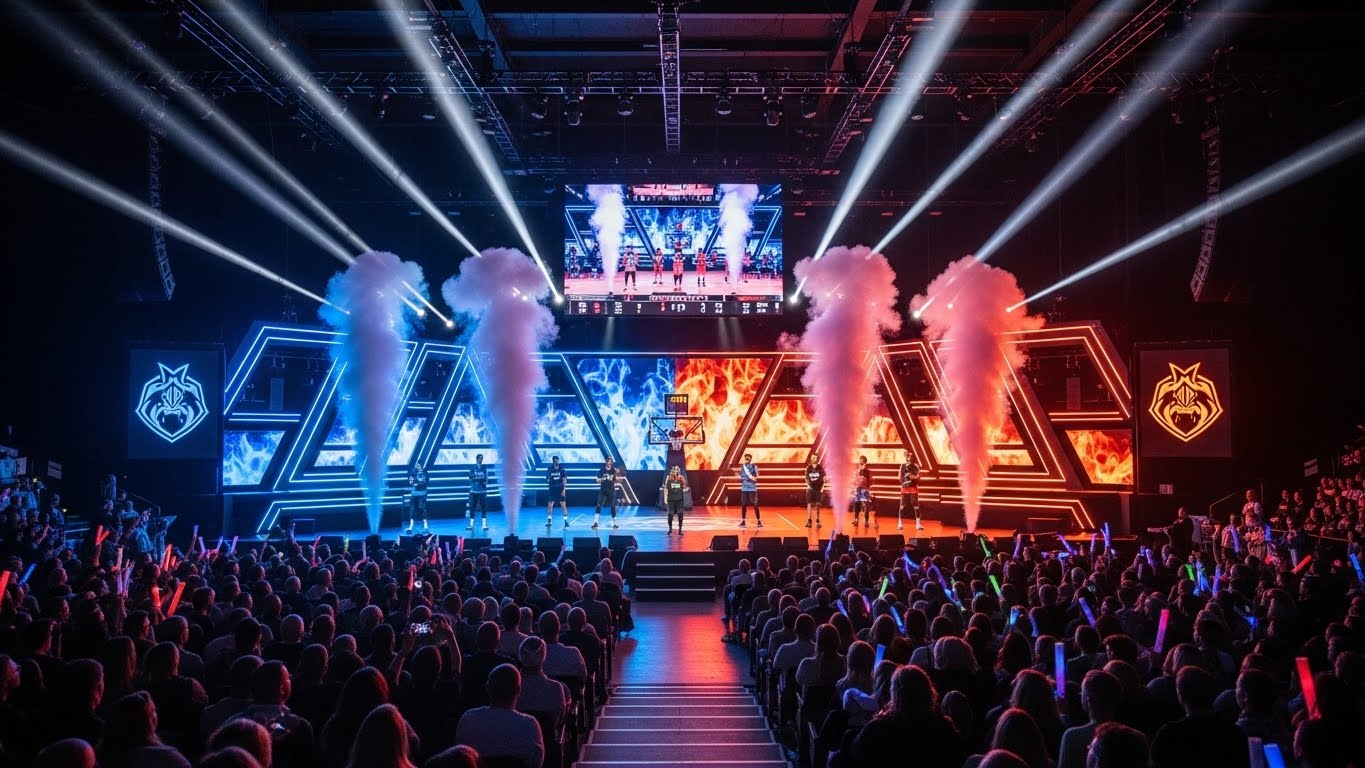
Esports has quickly transformed from a niche activity enjoyed by a select group of gamers to a global entertainment powerhouse with millions of fans and players. What was once a small-scale community of passionate gamers has evolved into a massive industry, complete with professional leagues, sponsorships, enormous prize pools, and an ever-growing audience. In just a few short decades, esports has become a staple of modern entertainment, with tournaments attracting viewership numbers comparable to those of traditional sports events. This blog post will explore the explosive growth of esports, its cultural impact, the economic factors that drive it, and the challenges and opportunities it faces moving forward.
The Early Days of Competitive Gaming
Esports, or competitive gaming, dates back to the early days of video games. The concept of organized competition over video games has its origins in the 1970s when the first-ever competitive gaming event was held at Stanford University in 1972. The event, called the “Intergalactic Spacewar Olympics,” was organized around the popular game Spacewar. While the event was modest, it marked the beginning of competitive gaming and foreshadowed the future growth of esports.
However, it wasn’t until the 1990s that esports began to take shape as we know it today. The rise of arcade games and multiplayer online games like Doom and Quake in the early 90s laid the foundation for competitive gaming. The Red Annihilation tournament in 1997, which was centered around the Quake franchise, is often cited as one of the first major esports events. This competition garnered significant attention and began to show the potential for esports as a legitimate form of entertainment.
The late 1990s and early 2000s witnessed the rise of games that would become staples in the esports world. StarCraft, Warcraft III, and Counter-Strike not only grew in popularity but also became the games around which competitive esports tournaments were built. Esports leagues and tournaments like the World Cyber Games (WCG) and the Electronic Sports World Cup (ESWC) began to emerge, bringing together players from all corners of the globe to compete for prize money and recognition.
The Big Bang: The Emergence of Major Esports Titles
The 2010s marked a significant shift in the world of esports. Games such as League of Legends, Dota 2, and Counter-Strike: Global Offensive (CS:GO) elevated esports to new heights, turning it into a global phenomenon. These games established a competitive ecosystem that helped esports gain mainstream recognition, thanks to their large-scale tournaments, professional leagues, and growing viewership.
Riot Games’ League of Legends (LoL) is arguably one of the most influential games in esports history. Released in 2009, LoL grew rapidly, with its annual World Championship becoming one of the most-watched esports events in the world. By 2018, the League of Legends World Championship had reached over 100 million viewers, surpassing the Super Bowl in viewership numbers. This achievement marked a pivotal moment for esports, as it solidified the notion that competitive gaming was a serious and global spectacle.
Similarly, Dota 2, developed by Valve Corporation, captured the imagination of esports enthusiasts worldwide. The International (TI) tournament, which began in 2011, quickly became the cornerstone of the Dota 2 esports scene. What set TI apart was its ever-growing prize pool, funded largely by the community through in-game purchases and donations. By 2018, the prize pool for TI reached over $25 million, making it the largest prize pool in esports history. Such enormous prize pools were indicative of the massive economic potential of esports.
The Explosion of Esports Streaming and Media Platforms
As the popularity of esports grew, so did the platforms that allowed fans to watch and engage with their favorite games and players. The emergence of streaming services, particularly Twitch, revolutionized the way fans could interact with the esports community. Founded in 2011, Twitch allowed users to stream gameplay live and interact with their audiences through chat features. This new form of media consumption quickly gained traction, especially within the gaming community.
Twitch became the go-to platform for esports tournaments, enabling fans to watch events live, cheer on their favorite teams, and even chat with players and other fans. By 2014, Amazon acquired Twitch for nearly $1 billion, validating the platform’s massive value. Other platforms, such as YouTube Gaming and Facebook Gaming, also entered the scene, further cementing streaming as a major component of the esports ecosystem.
Esports has benefited greatly from the accessibility and interactivity of live streaming. Viewers no longer had to wait for tournament recaps or news articles to keep up with the action; they could watch events as they happened, often with the ability to engage directly with the broadcasters. The ability to see players’ reactions, hear live commentary, and participate in live discussions created a sense of community that helped fuel the growth of esports.
The Economics of Esports: Sponsorships, Prize Money, and Viewership
Esports has transformed into a multi-billion-dollar industry, with revenue streams coming from multiple sources, including sponsorships, media rights, merchandise, ticket sales, and, of course, prize money. As the industry grew, esports organizations began to adopt similar business models to traditional sports leagues, relying heavily on sponsorships from major corporations.
Sponsorships have become one of the primary sources of revenue for esports teams and events. Companies like Red Bull, Coca-Cola, Intel, and Logitech have all invested heavily in the esports industry, either by sponsoring individual players, teams, or entire events. These sponsorship deals often include product placement, advertisements, and even exclusive partnerships, creating a mutually beneficial relationship between companies and esports organizations.
Prize money has also played a significant role in the growth of esports. Tournaments like The International and the League of Legends World Championship offer massive prize pools that attract top-tier players from around the world. As mentioned earlier, The International 2018 boasted a prize pool of over $25 million, while the League of Legends World Championship 2020 had a prize pool of around $2.3 million. Such enormous prize pools make esports an appealing career option for skilled gamers, further fueling the competitive scene.
Viewership is another major contributor to esports’ economic growth. Major tournaments and events regularly attract millions of viewers globally. For example, the 2019 League of Legends World Championship garnered over 100 million viewers. The global reach of esports is one of its most attractive features, as it transcends geographic and cultural boundaries, allowing fans from all over the world to connect over a shared love of gaming. The accessibility of streaming platforms, combined with esports’ ability to attract young, tech-savvy audiences, has made esports incredibly valuable to advertisers and sponsors.
Esports as a Cultural Phenomenon
Esports has grown beyond the realm of gaming and has become an integral part of global pop culture. What was once seen as a pastime for “nerds” or “gamers” has now evolved into a legitimate form of entertainment, rivaling traditional sports in terms of viewership, sponsorship, and media coverage.
One of the most significant cultural impacts of esports has been its ability to unite people from different backgrounds, cultures, and regions. Esports tournaments attract a global audience, and online communities have formed around popular games and esports teams. Fans no longer just watch the action; they actively engage in it, whether it’s through watching live streams, participating in fan discussions, or even cosplaying as their favorite players or characters.
Esports has also created new career paths, allowing players, commentators, analysts, and content creators to make a living off of their passion for gaming. Professional gamers can earn salaries through tournament winnings, sponsorships, and team contracts. Streamers on platforms like Twitch and YouTube Gaming can generate significant revenue through ad revenue, donations, and subscriptions. As the esports ecosystem continues to grow, it provides more opportunities for people to turn their love of gaming into a career.
Challenges Facing the Esports Industry
Despite its explosive growth, the esports industry is not without its challenges. Some of the key issues facing the esports world include sustainability, player health, and integrity.
Sustainability is a pressing concern, as the rapid growth of esports could lead to instability in certain areas. For instance, many esports organizations rely heavily on sponsorships and prize money to sustain their operations. If the industry were to experience a downturn in sponsorships or a shift in the popularity of certain games, some organizations could struggle to stay afloat. Additionally, as new games emerge and others fade in popularity, esports organizations must adapt quickly to keep their relevance and audience engaged.
Player health is another concern. Professional esports players often train for long hours, sometimes up to 10-12 hours a day, in order to stay competitive. This intense training regimen can take a toll on their physical and mental health, leading to issues such as carpal tunnel syndrome, eye strain, and mental burnout. As the esports industry matures, there has been an increased focus on player health, with many teams now offering wellness programs and mental health support to help players cope with the pressures of professional gaming.
Integrity is also a growing concern in the esports world. As the industry grows, issues such as cheating, match-fixing, and player contract disputes have come to light. In response, many esports organizations are working toward establishing more robust systems of regulation and governance to maintain fairness and integrity in the competitive scene. Governing bodies and anti-cheating software are becoming more common as the industry continues to mature.
The Future of Esports: What Lies Ahead?
The future of esports looks incredibly promising, with new trends and developments shaping the industry’s trajectory. Some of the most exciting prospects for esports include the rise of mobile gaming, the integration of virtual reality (VR) and augmented reality (AR), and its potential inclusion in major traditional sporting events like the Olympics.
Mobile esports is expected to grow significantly, especially in regions like Southeast Asia and India, where mobile gaming is already immensely popular. Games like PUBG Mobile, Free Fire, and Mobile Legends have attracted massive followings and have the potential to make esports even more accessible to a broader audience.
Virtual reality and augmented reality also have the potential to revolutionize esports. VR could create more immersive gaming experiences for both players and fans, while AR could add a layer of excitement and engagement to live broadcasts.
The integration of esports into the Olympics or other traditional sports events is another exciting possibility. While esports was initially excluded from the Tokyo 2020 Olympics, discussions are already underway about the potential for esports to be included in future Olympic Games. This would bring esports even more mainstream recognition and further solidify its place in the global entertainment landscape.
Conclusion: Esports is Here to Stay
Esports has come a long way since its humble beginnings, evolving into one of the most exciting and lucrative industries in the world. With millions of players, billions of dollars in revenue, and an ever-growing fan base, esports has cemented its place in the entertainment landscape. While the industry faces challenges, its future remains incredibly bright. As esports continues to innovate and evolve, there’s no doubt that it will continue to shape the future of entertainment for years to come.