Introduction: Gaming’s Evolution Beyond Entertainment
The world of gaming has undergone a dramatic transformation over the past two decades. Once considered a niche hobby for enthusiasts, video games have now grown into a global phenomenon. At the forefront of this transformation is esports, a competitive form of gaming where professional players and teams compete in tournaments for fame, recognition, and significant monetary rewards. Esports is no longer just about casual play; it has evolved into a multi-billion-dollar industry with a massive fan following, professional leagues, sponsorships, and even scholarships for aspiring players.
Esports stands as a testament to the power of digital culture, highlighting how entertainment, technology, and competition can intersect to create something uniquely engaging. This blog explores the growth, impact, and future of esports, shedding light on why it has captured the attention of millions worldwide.
Understanding Esports: Competitive Gaming Defined
Esports, short for electronic sports, is the organized competition of video games. Unlike casual gaming, esports emphasizes skill, strategy, and teamwork. Players often specialize in specific games, honing their abilities through rigorous practice and training. Popular esports titles span various genres, including real-time strategy games, first-person shooters, multiplayer online battle arenas, and sports simulations.
Games like League of Legends, Dota 2, Counter-Strike, and Fortnite have become staples in the esports community. Each game has its unique competitive environment, rules, and audience. Some esports tournaments are structured similarly to traditional sports leagues, with seasons, rankings, and playoffs, while others operate as one-off championships with large prize pools.
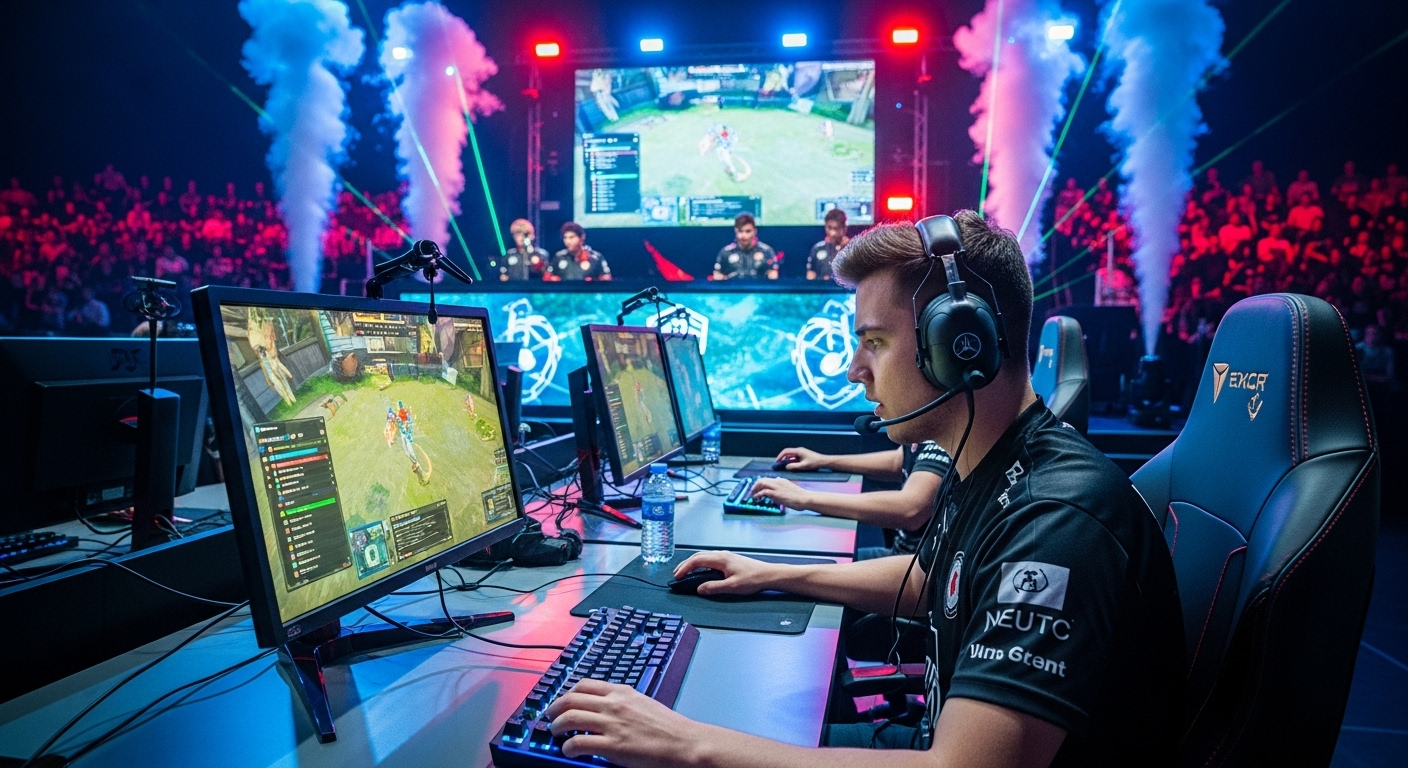
Professional esports players often dedicate their lives to training, much like athletes in conventional sports. They analyze strategies, review gameplay footage, and develop teamwork skills to outperform their competitors. This level of commitment underscores the professionalism and legitimacy that esports has achieved in recent years.
The Global Impact of Esports
Esports is more than a pastime; it has a profound economic, social, and cultural impact. The industry generates billions of dollars annually through sponsorships, media rights, merchandise, and ticket sales. Large tournaments attract thousands of in-person attendees, while millions more watch online through streaming platforms.
The accessibility of esports sets it apart from traditional sports. Anyone with an internet connection and gaming equipment can participate, watch, or engage with the community. This global reach has allowed esports to foster diverse fan bases, transcending geographic and cultural boundaries.
Furthermore, esports has provided opportunities for careers beyond playing professionally. Tournament organizers, commentators, content creators, analysts, and marketing professionals have all found lucrative avenues within the industry. The ecosystem surrounding esports is thriving, making it an integral part of the modern entertainment landscape.
Popular Esports Games and Their Communities
Esports thrives on the variety of games available for competition. Multiplayer online battle arena games like League of Legends and Dota 2 emphasize strategy, team coordination, and rapid decision-making. First-person shooters such as Counter-Strike and Call of Duty test precision, reflexes, and tactical planning. Sports simulation games like FIFA and NBA 2K provide a digital alternative to traditional athletic competition, allowing fans to engage in familiar sports in a virtual environment.
The communities surrounding these games are vibrant and passionate. Fans often follow their favorite players, streamers, and teams, celebrating victories and analyzing defeats. Social media, live streaming platforms, and online forums facilitate interaction, discussion, and collaboration, turning esports into a shared cultural experience.
Esports communities are also responsible for promoting inclusivity and diversity within gaming. While challenges remain, initiatives to increase representation and provide safe spaces for players of all backgrounds are gaining traction. This community-driven culture is one of esports’ defining features, creating an environment that fosters both competition and camaraderie.
Training and Professionalism in Esports
Becoming a professional esports player requires more than just gaming skills. Players undergo rigorous training regimens that resemble those of traditional athletes. They spend hours daily practicing mechanics, strategizing with teammates, studying opponents, and maintaining physical and mental health.
Coaching has become an integral part of esports, with professional coaches analyzing gameplay, providing feedback, and designing practice routines to optimize performance. Mental conditioning is equally important, as players must manage stress, focus under pressure, and maintain a positive mindset during intense competition.
The professionalization of esports has also led to structured career paths. Players can progress through amateur leagues, regional competitions, and professional circuits, eventually reaching international tournaments. This system mirrors conventional sports, providing legitimacy and long-term sustainability to esports careers.
The Role of Technology in Esports
Technology is at the heart of esports. High-performance gaming hardware, fast internet connections, and sophisticated software platforms are essential for competitive play. Streaming technology has revolutionized how audiences consume esports content, allowing fans to watch live events from anywhere in the world.
Virtual reality and augmented reality are beginning to influence esports, offering immersive experiences for both players and spectators. Artificial intelligence tools assist in performance analysis, strategy development, and talent scouting, further professionalizing the industry.
Advancements in technology have also democratized access to esports. Mobile gaming tournaments, for example, have allowed players from regions with limited PC or console access to participate in competitive gaming. This technological integration ensures that esports continues to grow and adapt in the digital age.
Economic Opportunities and Sponsorships
Esports has become a significant economic driver, attracting investment from traditional sports franchises, tech companies, and entertainment brands. Sponsorship deals with companies ranging from energy drinks to electronics giants provide financial support for players, teams, and tournaments.
Prize pools in major tournaments can reach millions of dollars, rewarding top players with life-changing sums. For instance, annual competitions in games like Dota 2 and Fortnite have offered prizes exceeding ten million dollars. These financial incentives have elevated esports from a hobbyist activity to a viable career option.
Additionally, merchandising, streaming subscriptions, and content creation contribute to the economic ecosystem. Teams sell branded apparel, players monetize streams, and organizations generate revenue through advertising and media rights. The economic opportunities within esports are vast, reflecting its commercial viability and cultural significance.
Esports as a Spectator Sport
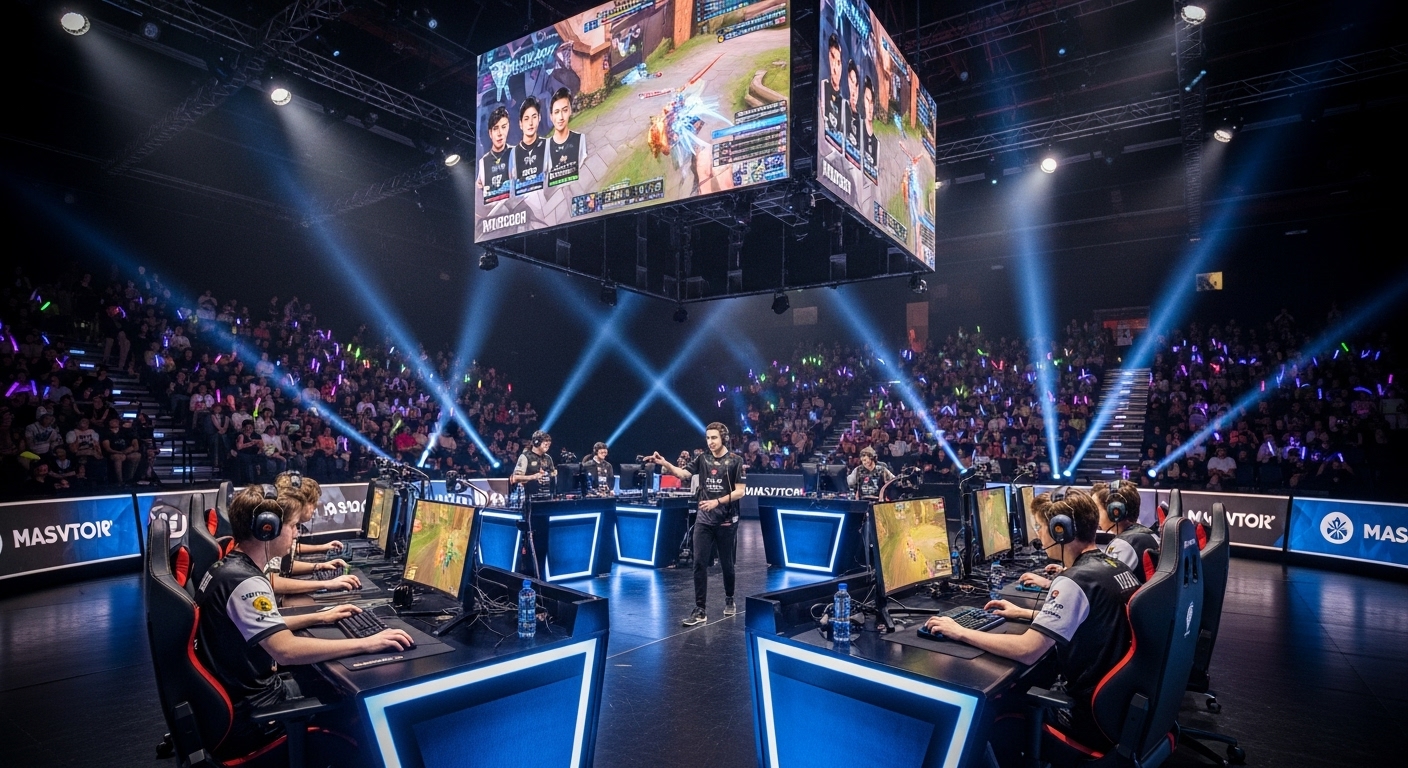
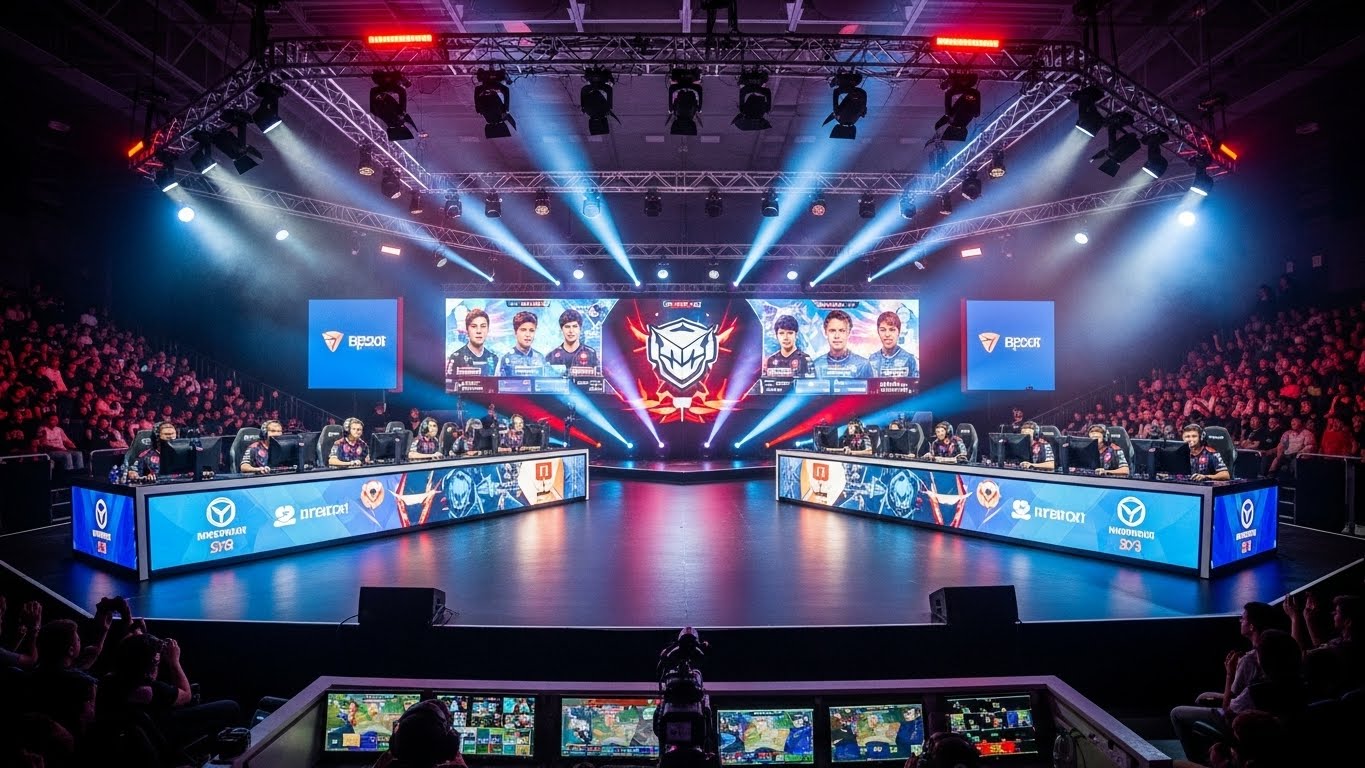
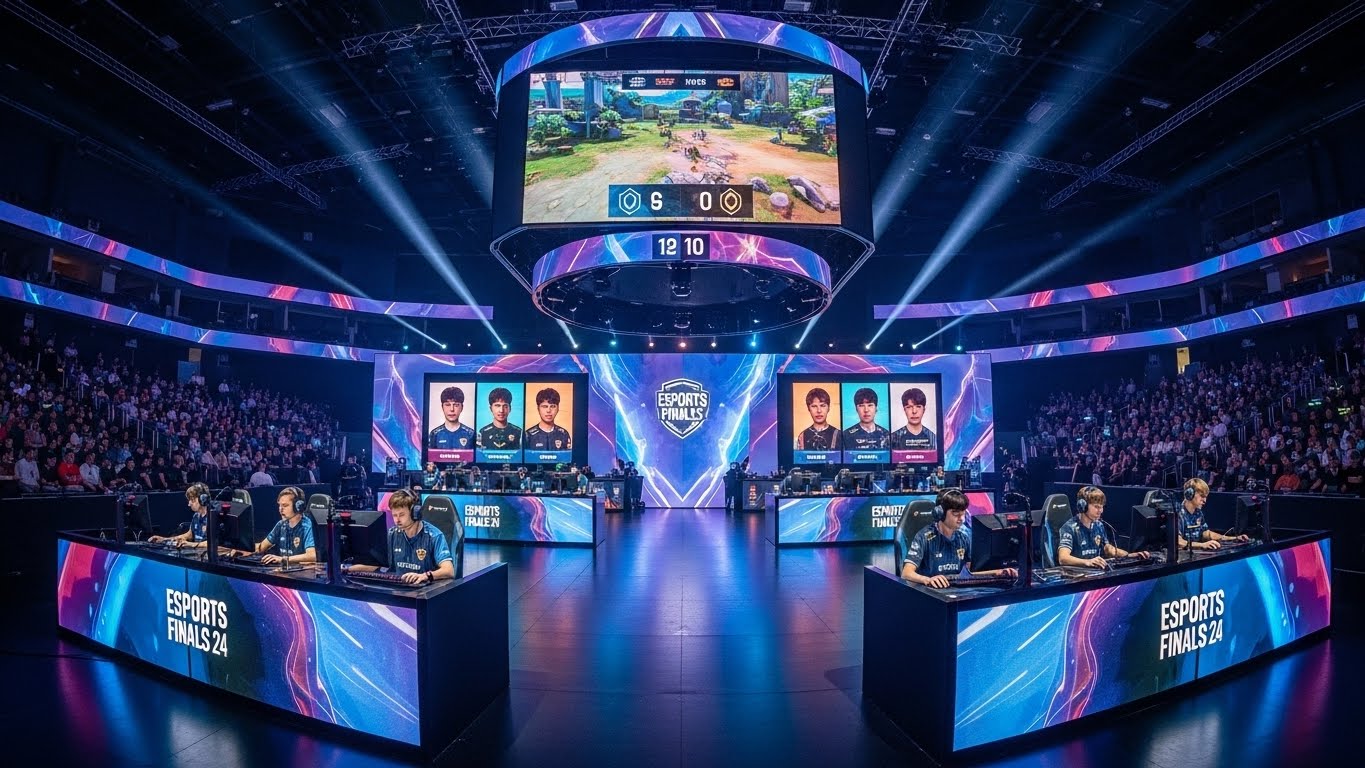
Esports has successfully transitioned from a participatory hobby to a spectator-driven phenomenon. Major tournaments fill arenas, attract millions of online viewers, and generate excitement comparable to traditional sports events. Live commentary, professional analysis, and engaging production values enhance the viewing experience, making esports entertaining for casual fans and enthusiasts alike.
Spectatorship also plays a crucial role in shaping the industry. Fans influence team popularity, create community-driven content, and provide feedback that drives innovation in game design and tournament structure. The relationship between players and spectators is interactive, creating a dynamic ecosystem where engagement is rewarded with recognition and opportunities.
Challenges Facing the Esports Industry
Despite its growth, esports faces several challenges. The industry must address issues related to player health, burnout, and career longevity. Intense schedules, high pressure, and prolonged screen time can impact physical and mental well-being. Establishing sustainable training routines, providing health support, and promoting balanced lifestyles are essential for long-term success.
Regulation and governance remain another challenge. With diverse games, organizations, and international participation, standardizing rules, contracts, and ethical practices is complex. Ensuring fairness, preventing cheating, and protecting player rights are ongoing concerns that the industry continues to navigate.
Finally, inclusivity remains a critical issue. While progress has been made, esports must continue to address gender representation, accessibility, and cultural diversity to ensure that opportunities are available to all aspiring participants.
The Future of Esports
The future of esports is promising. Growth is expected to continue, driven by technological advancements, increasing investment, and a growing global fan base. Virtual and augmented reality, artificial intelligence, and mobile gaming will likely shape new competitive formats, making esports even more immersive and accessible.
Esports may also integrate further with traditional sports, education, and entertainment. Universities are offering esports scholarships, professional sports teams are investing in esports divisions, and media companies are producing documentaries and series that celebrate competitive gaming. This convergence reflects the cultural significance and mainstream acceptance of esports.
Furthermore, esports will likely continue to inspire creativity and innovation in game design, community building, and digital engagement. As the industry matures, new career opportunities, sustainable infrastructures, and global connectivity will solidify esports as a permanent fixture in modern culture.
Conclusion: Esports as a Cultural Revolution
Esports represents more than just competitive gaming; it symbolizes a cultural shift in how we define sports, entertainment, and community. From humble beginnings in living rooms and arcades to massive international tournaments with millions of viewers, esports has transformed the landscape of digital entertainment.
The industry’s growth demonstrates the potential of technology, creativity, and human skill to converge in ways that were once unimaginable. For players, fans, and professionals alike, esports offers opportunities for personal achievement, economic advancement, and cultural participation.
As esports continues to evolve, it will redefine competition, challenge traditional perceptions of sports, and inspire generations of gamers worldwide. It is a phenomenon that has transcended the boundaries of leisure, becoming a defining element of the 21st-century digital era.