Introduction
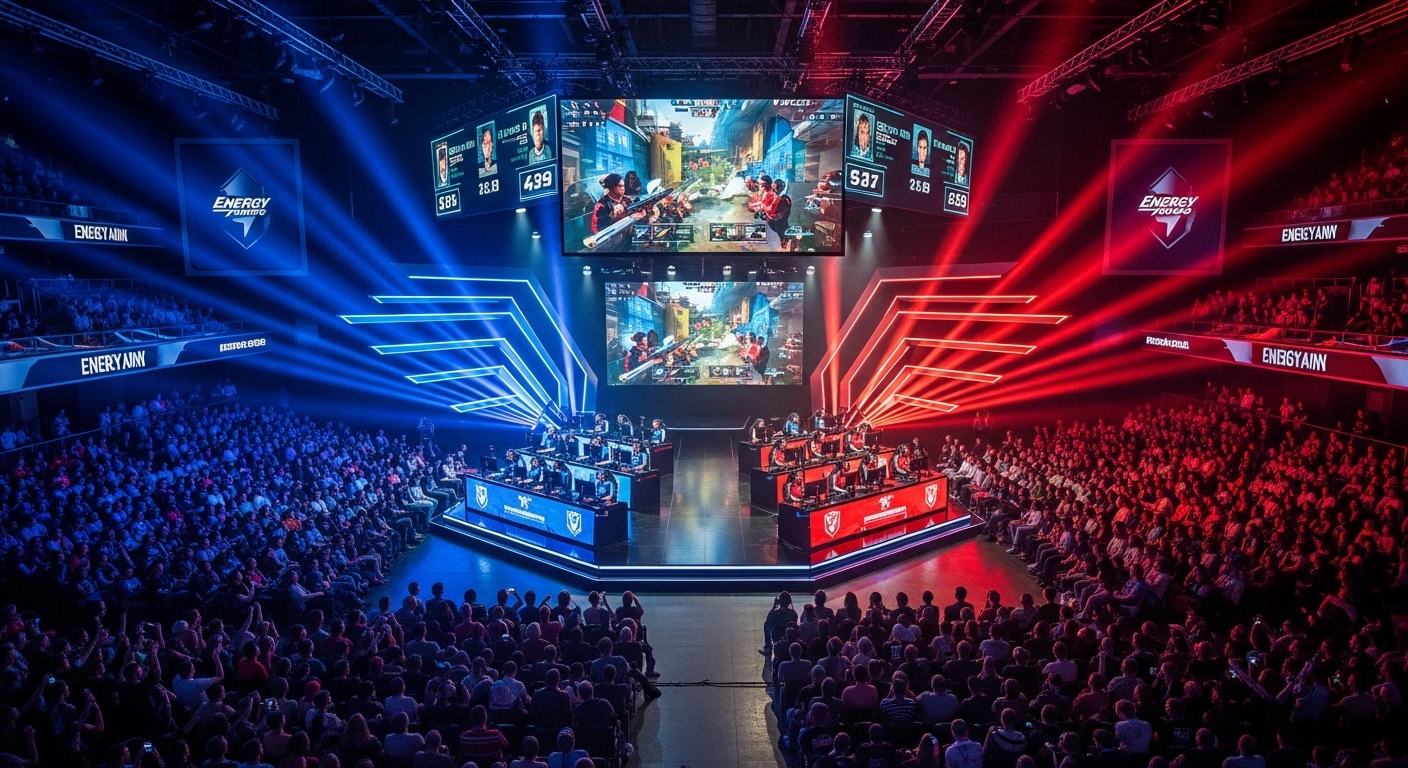
In recent years, esports has evolved from a niche hobby into a global phenomenon, captivating millions of fans and players around the world. What was once seen as an underground scene is now a multi-billion-dollar industry, drawing huge audiences and creating new career opportunities. Esports, short for electronic sports, refers to organized, multiplayer video game competitions, particularly between professional players, individually or as teams. From humble beginnings in local gaming competitions to grand international tournaments, esports has firmly established itself as a major form of entertainment and a legitimate sport in its own right.
This blog explores the rise of esports, its cultural impact, the mechanics behind its growth, and how it has reshaped the world of competitive entertainment. We will also look into the future of esports and the exciting opportunities it holds for gamers, fans, and businesses alike.
The Evolution of Esports: From Casual Play to Global Phenomenon
Esports has its roots in the early days of competitive video gaming, where players would gather for local tournaments to test their skills. In the 1990s and early 2000s, games like StarCraft, Quake, and Warcraft began to foster communities of competitive players. However, it was the rise of online multiplayer games and platforms like Battle.net, Steam, and Xbox Live that transformed competitive gaming into a global, accessible activity.
As technology advanced, so did the complexity and popularity of video games. With better internet speeds, powerful gaming consoles, and more sophisticated game mechanics, multiplayer games such as League of Legends, Dota 2, Counter-Strike, and Overwatch began to draw larger and more dedicated fanbases. Professional tournaments and leagues started to emerge, attracting sponsorships, large cash prizes, and worldwide viewership.
By the mid-2010s, esports had reached an inflection point. What was once an underground culture now had a formal structure, with global organizations, streaming platforms like Twitch, and major corporate sponsors. The emergence of esports as a recognized industry was solidified by the inclusion of esports in major events like the Asian Games, further legitimizing it as a competitive sport.
The Mechanics of Esports: Games, Players, and Tournaments
At its core, esports revolves around competitive video games that require skill, strategy, and teamwork. These games are typically multiplayer, with players facing off against one another either individually or as part of a team. The most popular genres in esports include first-person shooters (FPS), multiplayer online battle arena (MOBA), real-time strategy (RTS), and sports simulation games.
Game Genres
First-person shooters, like Counter-Strike: Global Offensive (CS: GO), Call of Duty, and Overwatch, are fast-paced games that test players’ reflexes, accuracy, and strategy. In these games, players compete in teams to achieve specific objectives, often involving elimination of the opposing team or capturing key locations.
MOBA games, such as League of Legends and Dota 2, are hugely popular in the esports world. These games involve teams of players controlling unique characters with specific abilities and working together to destroy the opposing team’s base while defending their own. MOBAs require strategic thinking, coordination, and quick decision-making.
RTS games, like StarCraft II, are more about resource management, strategic planning, and execution. Players control armies and bases, gathering resources and building units to defeat their opponents in real-time. RTS games demand a high level of multitasking and precise timing.
Sports simulation games like FIFA and NBA 2K simulate real-world sports, with players controlling teams and athletes to compete in virtual versions of soccer, basketball, and other sports. These games offer a more accessible form of esports for fans of traditional sports.
The Role of Players
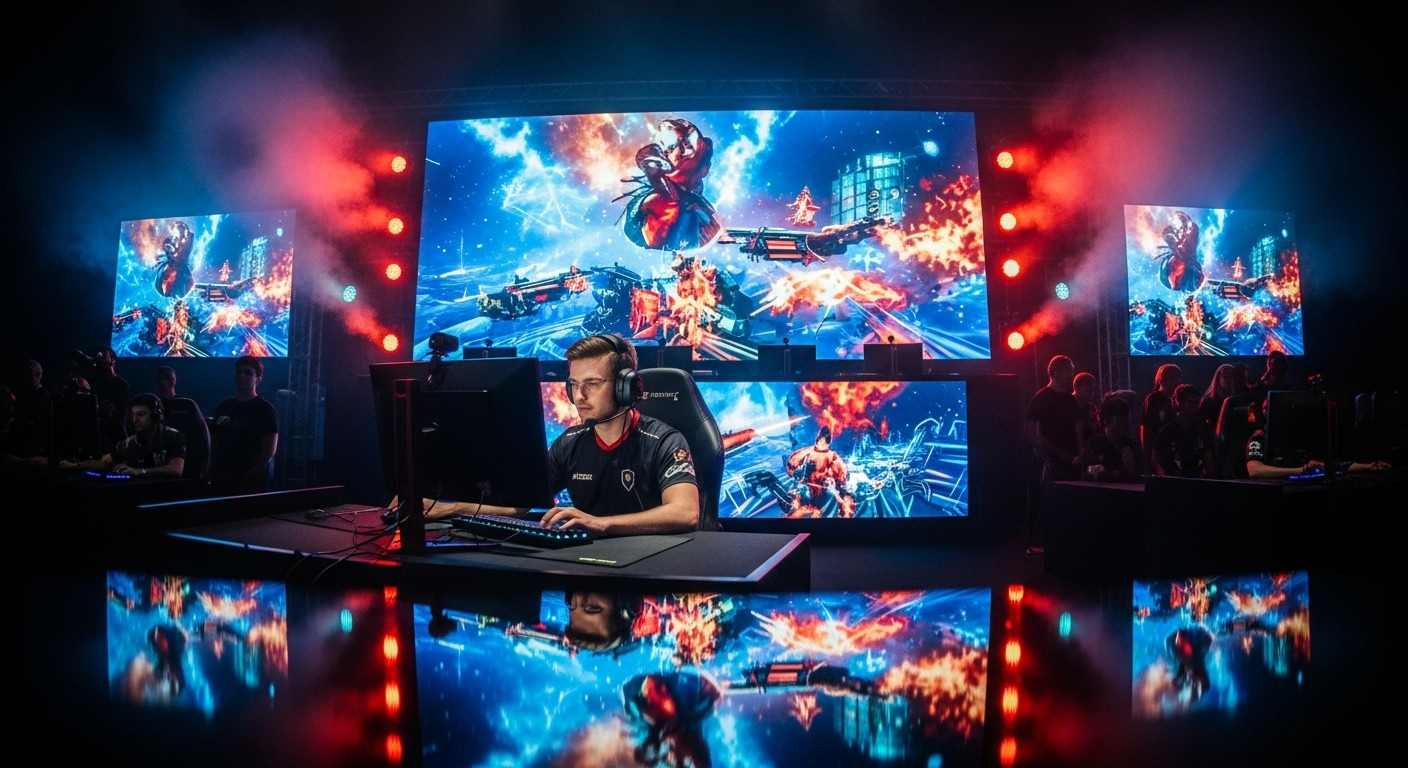
Professional esports players are the heart of the industry. They dedicate countless hours to training, practicing, and refining their skills. Many players start their careers at a young age, often entering the competitive scene as teenagers. Success in esports requires a combination of natural talent, game knowledge, and relentless practice. Top players are highly strategic, quick-thinking, and able to execute complex tactics under pressure.
Esports players train similarly to traditional athletes, with structured practice schedules, coaching, and physical conditioning. However, unlike traditional sports, esports players do not have the same physical demands, though their mental endurance is tested to the limit. Long hours of practice, high-stakes tournaments, and the pressure of competition can take a toll on players’ mental health, making psychological support an increasingly important part of the esports ecosystem.
Tournaments and Leagues
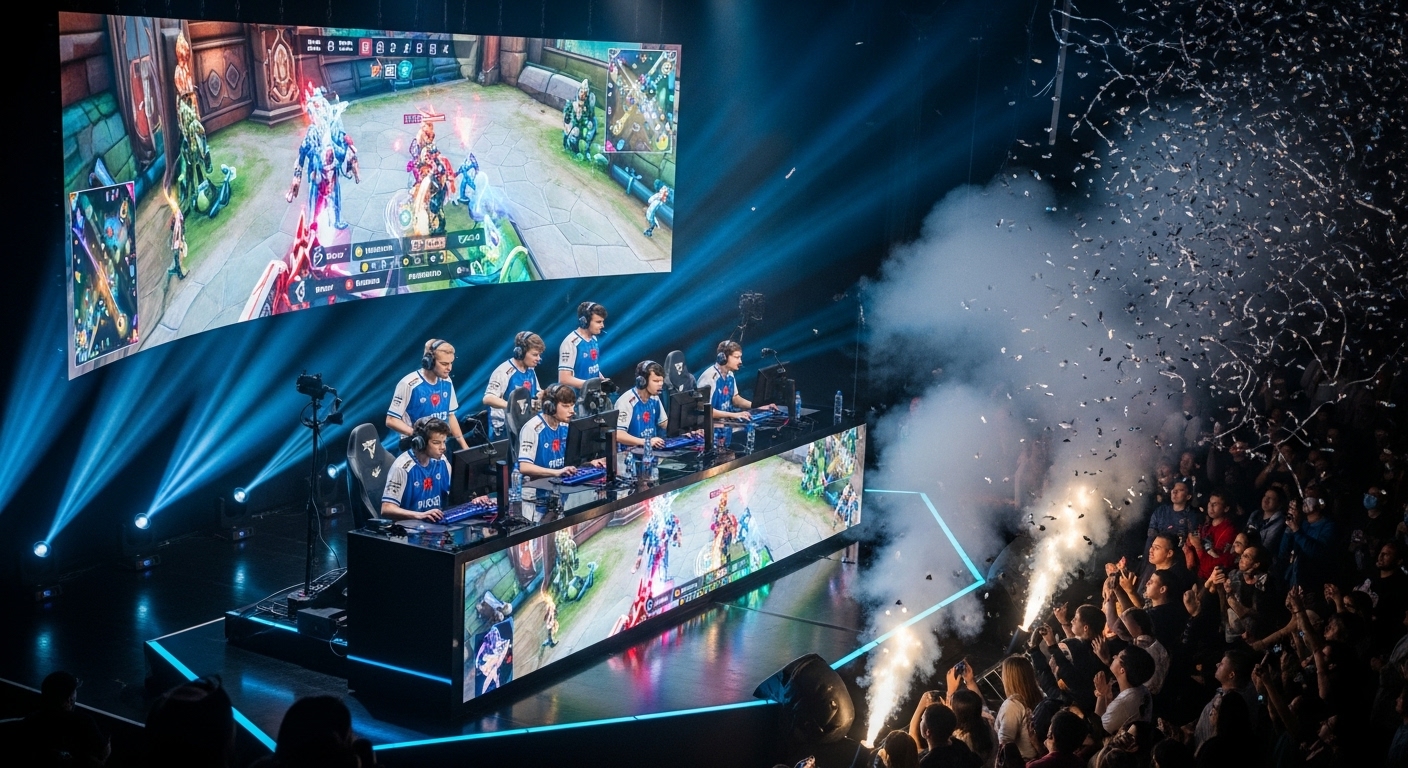
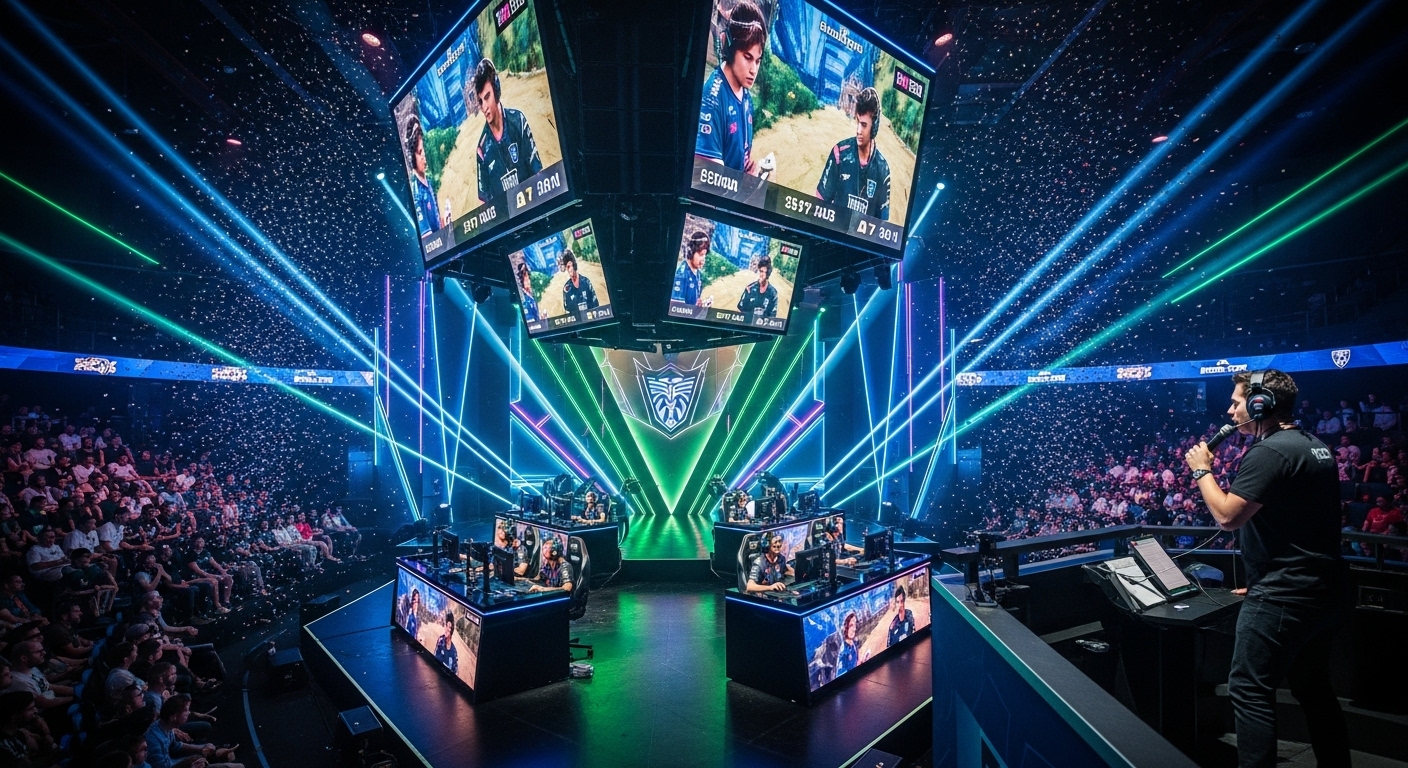
Esports tournaments and leagues are the focal points of the competitive scene. These events range in size from small, local competitions to massive, internationally televised tournaments with millions of viewers. Some of the most prestigious tournaments include The International (for Dota 2), the League of Legends World Championship, and the Overwatch League. These events attract top-tier players from around the globe, with teams competing for large cash prizes and fame.
Tournaments are usually broadcast live through streaming platforms like Twitch and YouTube, where fans can watch their favorite players and teams compete in real-time. These streams often feature professional commentators, analysts, and fan interactions, making the viewing experience similar to traditional sports broadcasts.
The Rise of Esports as a Global Industry
Esports is no longer just about the games themselves; it is a full-fledged industry. The rise of esports has generated significant economic opportunities in several areas, including advertising, sponsorships, broadcasting rights, merchandise sales, and event organization.
Sponsorships and Advertising
One of the key drivers of esports’ growth is its lucrative sponsorship deals. Major brands such as Coca-Cola, Intel, Red Bull, and Audi have recognized the potential of esports and invested heavily in partnerships with teams, events, and players. These sponsorships bring in millions of dollars and allow esports organizations to grow, offer better salaries to players, and enhance the overall fan experience.
Advertising is another important revenue stream. Esports events attract large audiences, both live and online, making them a prime target for advertisers looking to reach a young, tech-savvy demographic. Commercials, brand integrations, and product placements are common during broadcasts, helping esports maintain its financial growth.
Streaming and Broadcasting
Streaming platforms like Twitch have played a pivotal role in the rise of esports. Twitch, owned by Amazon, allows gamers to stream their gameplay to a global audience, attracting millions of viewers. In addition to gaming streams, Twitch broadcasts esports tournaments and live events, enabling fans to follow their favorite players and teams in real-time.
The popularity of esports streaming has led to partnerships between streaming platforms and major esports leagues. This synergy has helped esports reach new audiences and further solidify its place in mainstream entertainment. The rise of YouTube Gaming, Facebook Gaming, and other platforms has also contributed to the expansion of esports broadcasting, allowing fans to engage with their favorite content creators and esports professionals.
Merchandise and Fan Engagement
Esports has created a vibrant culture, with fans showing immense loyalty to their favorite teams, players, and games. Merchandise sales, including team jerseys, posters, and other memorabilia, generate additional revenue for organizations. Fans can support their favorite players by purchasing official merchandise, helping to grow the identity of their teams and build a sense of community.
Esports events and tournaments also offer fans the chance to interact with players and organizations through social media, fan meetups, and live events. Social media platforms like Twitter, Instagram, and Discord provide an interactive space for fans to follow the latest news, engage with content, and show support for their favorite players and teams.
Esports and Traditional Sports: A Growing Parallel
Esports is increasingly seen as a legitimate competitor to traditional sports. While esports may not involve physical exertion in the same way as basketball or soccer, the level of skill, coordination, and strategy required is just as intense. Esports athletes face the same pressure as traditional athletes, with their careers, reputations, and financial success on the line.
One of the key similarities between esports and traditional sports is the rise of professional leagues and franchises. Much like the NBA or NFL, esports now has major leagues such as the Overwatch League and League of Legends Championship Series. These leagues operate similarly to traditional sports leagues, with teams competing in regular-season matches and playoffs, all culminating in a world championship.
Esports has also seen crossover with traditional sports, with many sports organizations investing in esports teams and events. For example, traditional sports teams such as the Dallas Cowboys and Paris Saint-Germain have entered the esports scene by sponsoring or owning esports teams. This collaboration highlights the growing legitimacy of esports as a major form of competition and entertainment.
The Future of Esports: What’s Next?
As esports continues to grow, the future holds exciting possibilities. Technological advancements, such as the rise of virtual reality (VR) and augmented reality (AR), could further transform the way esports is played and consumed. These technologies may allow fans to experience esports in entirely new ways, such as by placing themselves in the middle of the action during a live tournament.
The continued growth of esports as a global industry will likely lead to more mainstream media coverage, with television networks and streaming platforms dedicating more resources to broadcasting esports events. The inclusion of esports in major events like the Asian Games and the potential for esports to become part of the Olympics could further cement its place as a recognized sport.
Moreover, the growing diversity of games and players will expand the range of competitive titles in esports, giving rise to new tournaments, leagues, and opportunities. Esports could also see increased collaboration with other entertainment sectors, such as music and film, further integrating itself into global pop culture.