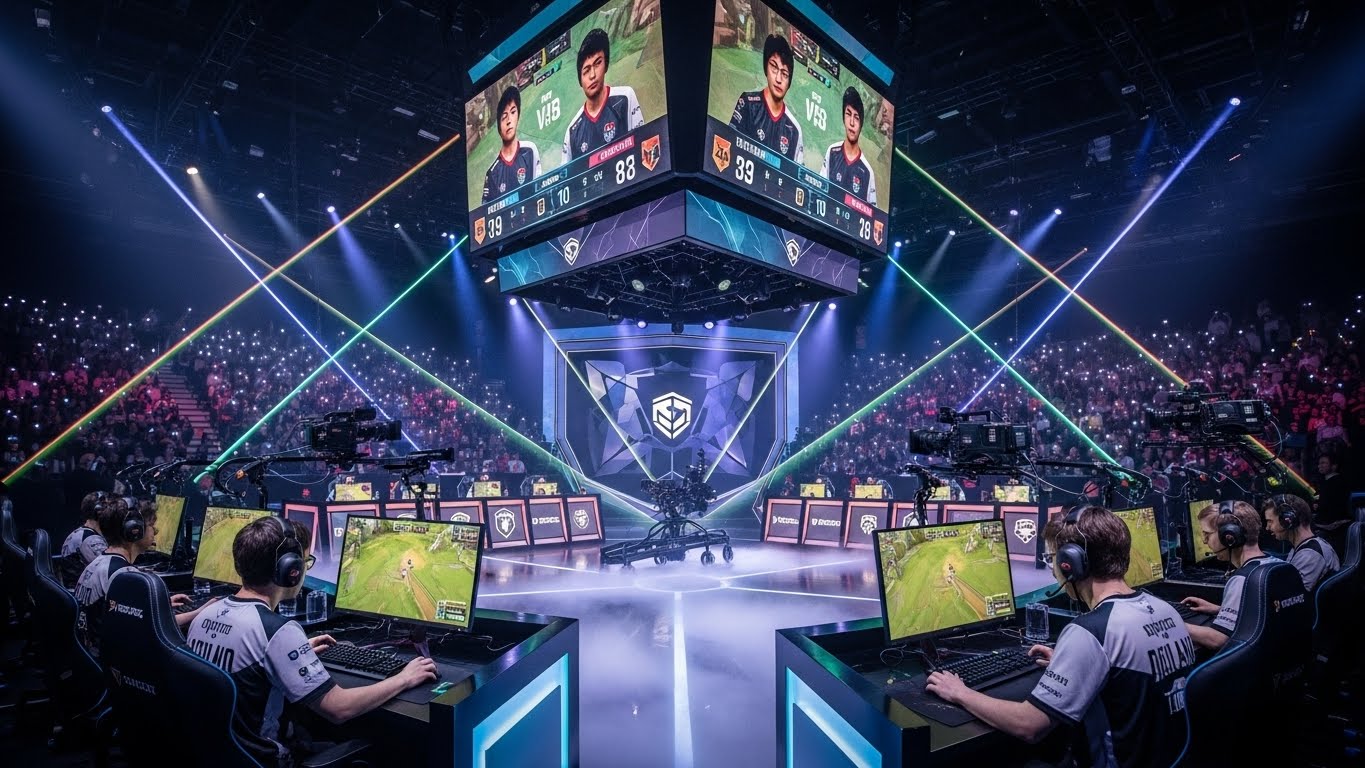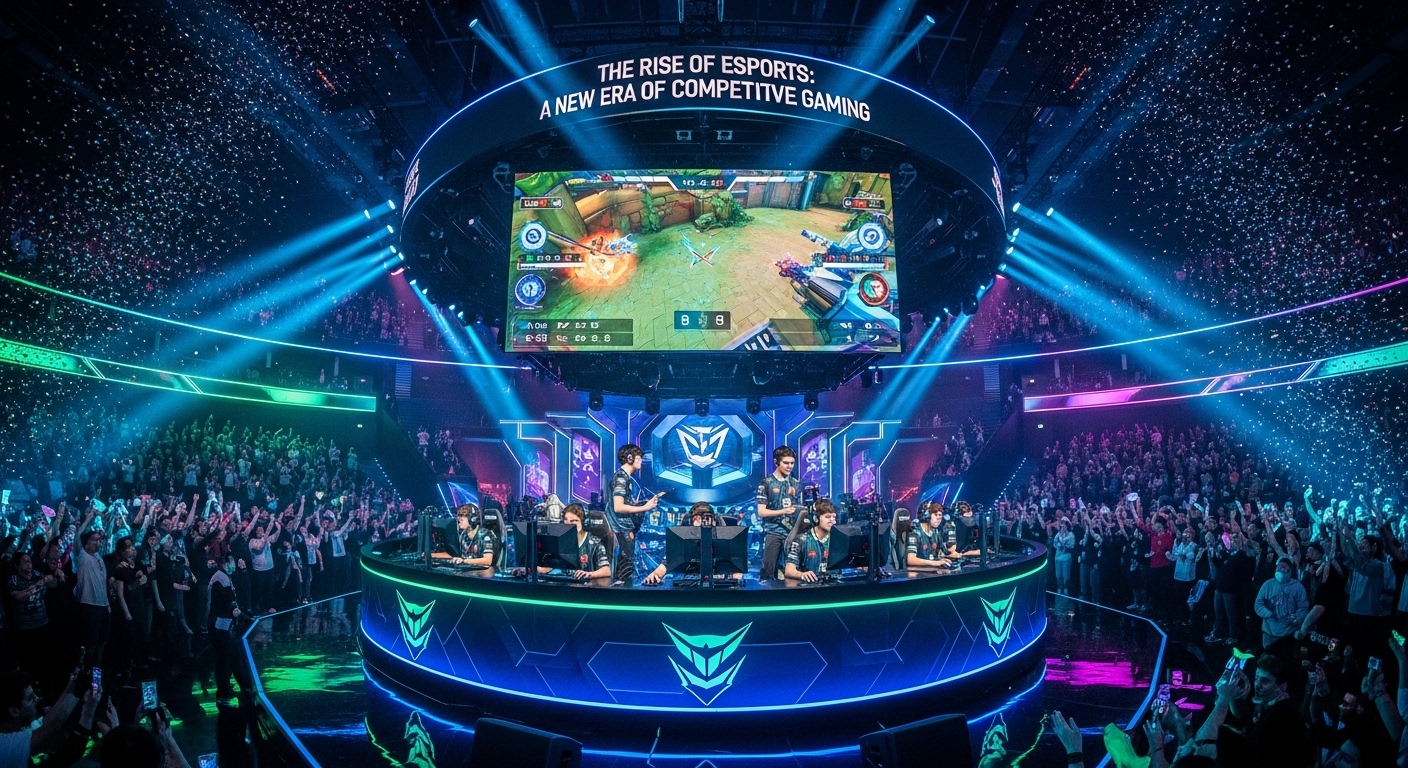

Esports, or competitive gaming, has transformed from a niche hobby into a global phenomenon, attracting millions of fans and generating billions in revenue each year. With professional teams, sponsorships, live tournaments, and even college scholarships, esports has established itself as a legitimate form of competition and entertainment. In this blog, we will explore the growth, dynamics, and impact of esports, along with its challenges and future potential.
What is Esports?
Esports refers to organized, competitive video gaming where individuals or teams compete against each other in various games. Unlike casual gaming, esports involves high skill levels, strategic thinking, and rigorous practice schedules. Popular esports titles include games like League of Legends, Dota 2, Counter-Strike: Global Offensive, Fortnite, and Call of Duty, among others.
Esports competitions can range from local tournaments to massive international events, often held in large arenas and streamed online to millions of viewers. Unlike traditional sports, esports allows fans from around the world to watch competitions live, interact through chat, and engage with players and teams in real-time.
The Explosive Growth of Esports
Over the past decade, esports has experienced exponential growth. What started as small gatherings of gamers in internet cafes or living rooms has evolved into professionally organized leagues with corporate sponsorships and media coverage.
Several factors have contributed to this growth. High-speed internet and streaming platforms have made it easier for fans to watch matches globally. Social media and online communities have amplified player popularity and engagement. Additionally, professional organizations have invested in branding, merchandise, and marketing, making esports a viable career path for top players.
Statistics reveal the magnitude of this growth. Esports viewership has surpassed hundreds of millions globally, and the industry’s revenue is projected to continue increasing due to sponsorships, advertising, ticket sales, and media rights. This rapid expansion has solidified esports as a significant player in the global entertainment landscape.
The Structure of Esports Competitions
Esports tournaments are organized in multiple formats, including leagues, single-elimination, double-elimination, and round-robin systems. Major tournaments such as The International, League of Legends World Championship, and EVO attract global attention and massive prize pools.
Professional esports players often belong to teams that provide coaching, training facilities, analysts, and support staff. These teams operate similarly to traditional sports franchises, emphasizing strategy, teamwork, and individual skill development. Training regimens can be intense, involving hours of practice, studying opponents, and reviewing game footage to refine techniques and strategies.
In addition to professional leagues, amateur competitions provide aspiring players with a platform to showcase their skills. Online tournaments, collegiate esports programs, and regional events create a pipeline of talent, ensuring the ecosystem remains dynamic and competitive.
The Role of Technology in Esports
Technology plays a critical role in the growth and success of esports. High-performance gaming hardware, fast internet connections, and advanced streaming platforms have enabled smooth gameplay, competitive fairness, and global viewership.
Streaming services have revolutionized fan engagement, allowing viewers to watch matches live, interact with broadcasters, and even influence game commentary. Virtual reality and augmented reality technologies are also starting to shape the esports experience, creating immersive ways for fans to connect with competitions.
Game developers continually update titles to maintain balance, add new features, and keep the competitive environment fresh. These technological advancements ensure esports remains dynamic, engaging, and attractive to both players and fans.
The Global Impact of Esports
Esports is not limited to a single region or demographic. Its appeal is global, with strong followings in Asia, Europe, North America, and beyond. Countries such as South Korea, China, and the United States have established robust esports ecosystems, complete with professional leagues, dedicated arenas, and government support in some cases.
The rise of esports has economic implications as well. It generates revenue through sponsorships, merchandise, ticket sales, advertising, and media rights. Cities hosting major tournaments benefit from tourism, hospitality, and local business engagement. Furthermore, esports has created new career opportunities, including professional players, coaches, analysts, event organizers, content creators, and broadcasters.
Esports also has a cultural impact. It has fostered global communities, encouraged inclusivity, and challenged traditional perceptions of sports and competition. Fans connect through shared experiences, online communities, and social media platforms, creating a sense of belonging and identity.
The Psychological and Social Aspects of Esports
Competitive gaming requires more than just physical skill; it demands mental resilience, strategic thinking, and teamwork. Esports players often face intense pressure, as their performance is constantly scrutinized by fans, analysts, and sponsors. Maintaining focus, managing stress, and coping with losses are essential skills for professional players.
Team-based esports fosters collaboration and communication. Successful teams develop strong synergy, clear strategies, and mutual trust. Players must adapt to dynamic game situations, anticipate opponents’ moves, and make split-second decisions. These skills translate into real-world competencies such as problem-solving, decision-making, and leadership.
However, esports also presents challenges. Long hours of gaming can lead to physical strain, mental fatigue, and burnout. Ensuring player health and well-being has become a priority for professional teams, with initiatives focused on balanced training schedules, physical fitness, and mental health support.
Esports and Education
Esports has begun to integrate into educational systems, with colleges and universities offering esports programs, scholarships, and dedicated facilities. These programs provide students with opportunities to develop skills, gain experience, and pursue careers in the esports industry.
In addition to competitive training, educational programs focus on career pathways such as game development, event management, broadcasting, marketing, and analytics. This integration helps legitimize esports as a professional pursuit and encourages young players to combine passion with education.
Furthermore, esports fosters critical thinking, teamwork, and digital literacy among students. By participating in organized competitions, students develop skills that are transferable to various professional fields, including technology, business, and media.
Challenges Facing Esports
Despite its growth, esports faces several challenges. One major concern is regulation and standardization. Unlike traditional sports, esports lacks a universal governing body, which can lead to inconsistencies in rules, player contracts, and competition integrity.
Monetization and financial sustainability also pose challenges. While top-tier players and teams earn substantial incomes, many aspiring professionals struggle to generate a stable livelihood. Sponsorships and advertising revenue often concentrate on a small percentage of elite players, leaving others to rely on secondary income sources.
Health and well-being are additional concerns. Prolonged gaming can lead to physical issues such as eye strain, repetitive stress injuries, and poor posture. Mental health challenges, including stress, anxiety, and burnout, are prevalent in highly competitive environments. Addressing these issues is crucial for the long-term sustainability of the esports ecosystem.
The Future of Esports
The future of esports is promising, with continued expansion, technological advancements, and broader acceptance. Emerging technologies such as virtual reality, cloud gaming, and AI-driven analytics will further enhance the competitive and entertainment aspects of esports.
Global events may continue to grow in scale, attracting more sponsors, fans, and media attention. Educational and career pathways will become more structured, offering aspiring players a clear trajectory from amateur competitions to professional careers.
Esports may also become increasingly integrated with mainstream culture. Collaborations with traditional sports, entertainment franchises, and media platforms could further legitimize esports as a central part of the global entertainment landscape.
Additionally, inclusivity and accessibility will play an important role. Efforts to make esports welcoming to diverse participants, including women and players with disabilities, will help ensure the community remains vibrant and representative of global audiences.
Conclusion: Esports as a Defining Element of Modern Culture
Esports has evolved far beyond casual gaming into a dynamic industry that combines competition, entertainment, and community. It has reshaped how we perceive sports, challenged traditional career pathways, and created a global culture centered on digital interaction.
While challenges such as regulation, health, and financial sustainability remain, the potential of esports is enormous. Its ability to engage millions, foster innovation, and create economic and social opportunities underscores its significance in the modern digital era.
As technology continues to advance and competitive gaming grows in popularity, esports is likely to become an even more influential part of global culture. It represents not just a form of entertainment but a new frontier in human interaction, collaboration, and competition. For players, fans, and industry professionals alike, esports is not just a pastime—it is a defining element of the digital age.