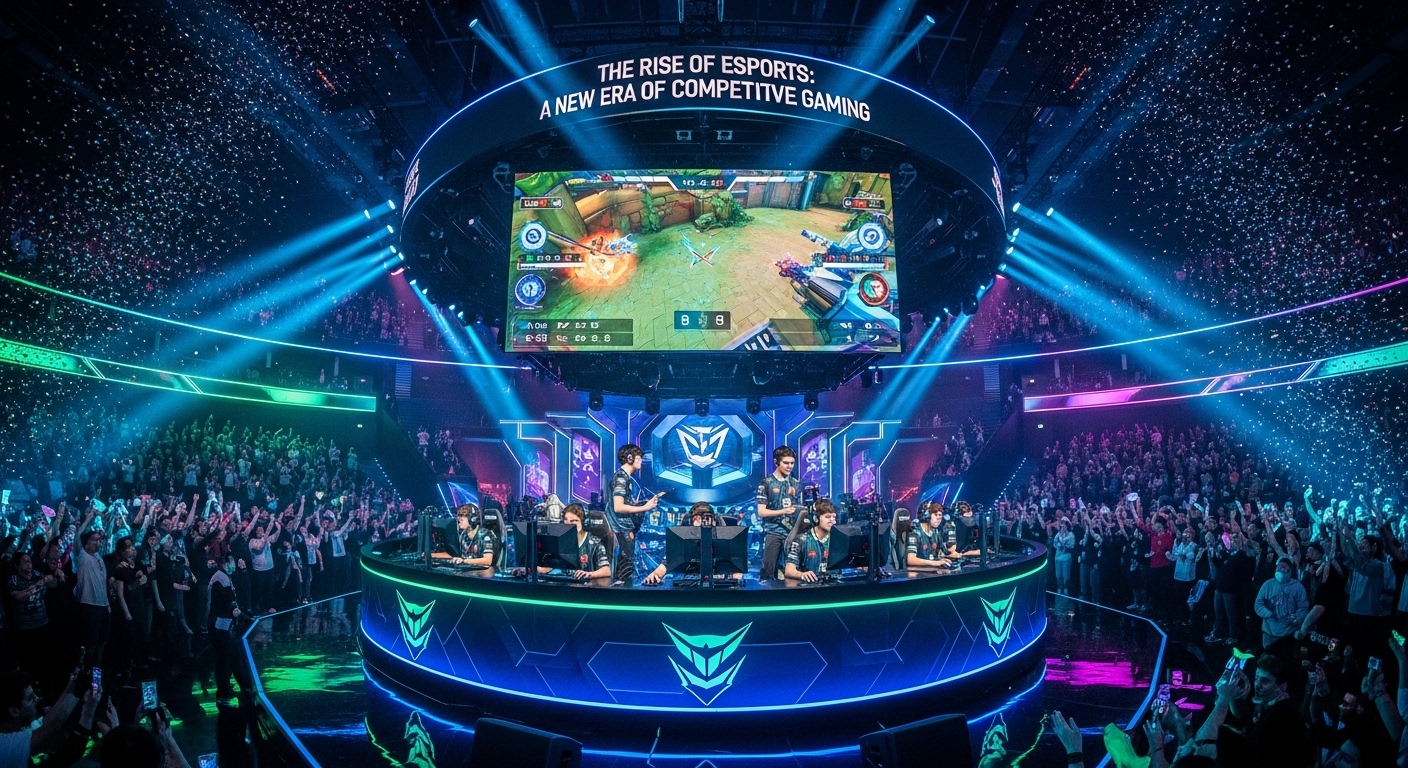
Introduction: The Rise of Competitive Gaming
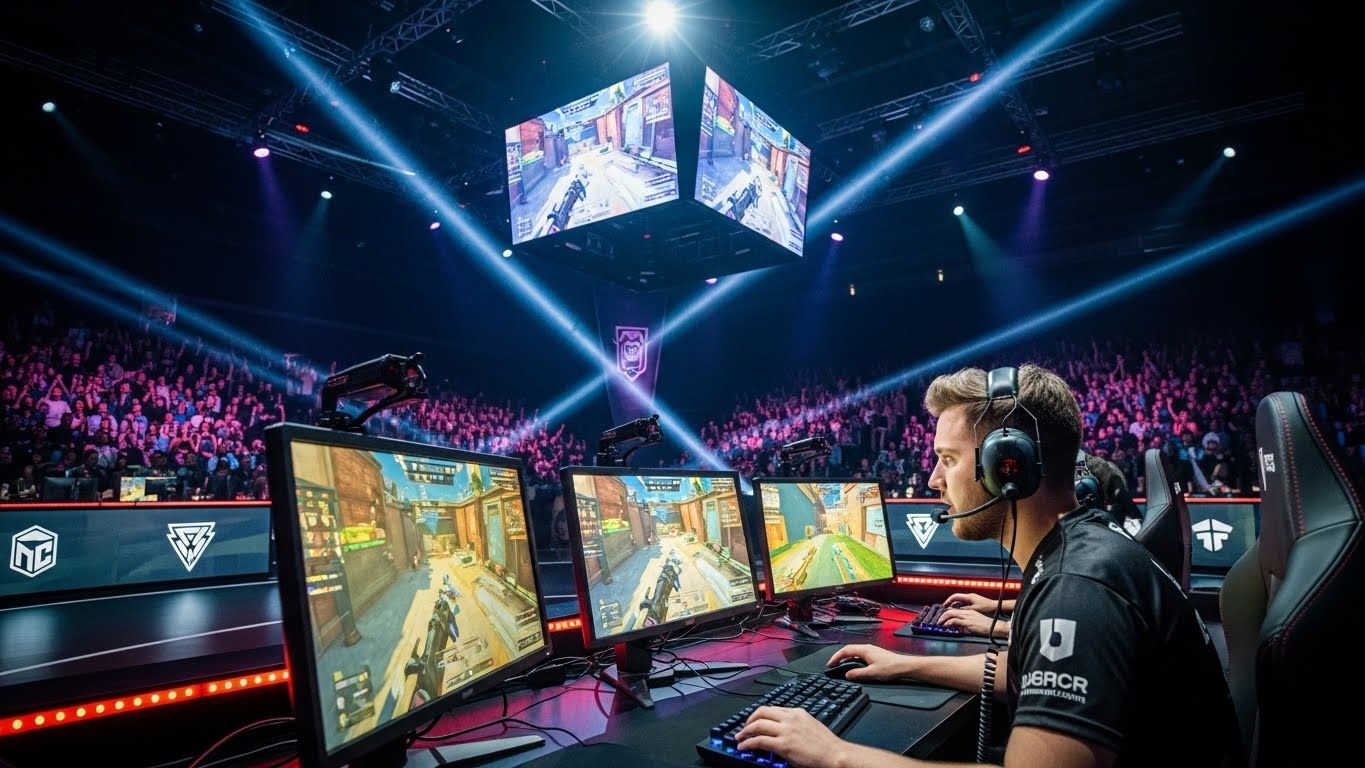
In the past few decades, the global entertainment industry has undergone massive transformations, and among the most remarkable developments has been the rise of Esports. Once considered a niche pastime enjoyed by small groups of enthusiasts, competitive gaming has grown into a billion-dollar industry with millions of fans, professional players, major sponsorship deals, and large-scale international tournaments. Esports, short for electronic sports, refers to organized, competitive video gaming where individuals or teams face off in popular titles such as League of Legends, Dota 2, Counter-Strike, Valorant, Fortnite, and many others. What began as casual gaming among friends has evolved into a cultural phenomenon that rivals traditional sports in both popularity and professionalism.
The Origins of Esports
To understand the current success of Esports, it is necessary to look back at its humble beginnings. The concept of competitive gaming first appeared in the 1970s, long before the internet became a household necessity. One of the earliest recorded gaming competitions was held at Stanford University in 1972 for the game “Spacewar!” where players competed for a year’s subscription to Rolling Stone magazine. In the 1980s, the introduction of arcade games like Pac-Man and Donkey Kong brought competition into public spaces. High score contests in arcades became a form of recognition and prestige, sparking the earliest community-driven rivalries among players.
The 1990s witnessed a revolution with the rise of home consoles and personal computers. Titles like Street Fighter, Doom, and StarCraft helped shape the competitive gaming scene. The 1997 Red Annihilation tournament for Quake, often cited as one of the first major Esports events, featured over 2000 participants and ended with the winner taking home the developer’s personal Ferrari as a prize. By the end of the decade, Esports was beginning to formalize, with online gaming becoming possible due to improved internet connectivity and early streaming technologies.
The 2000s: Foundation of Modern Esports
The early 2000s marked the beginning of Esports as we recognize it today. Broadband internet, gaming forums, and early social media platforms helped communities form around specific games. Titles like Counter-Strike 1.6, Warcraft III, and StarCraft: Brood War were not only popular but established the first professional circuits. South Korea, in particular, became a global hub for competitive gaming. The country’s government and media embraced Esports as a legitimate form of entertainment, with national television broadcasting live matches and professional gamers achieving celebrity status.
At the same time, organizations such as Major League Gaming (MLG) in North America and the World Cyber Games (WCG) began hosting global tournaments, bringing together the best players from different regions. The early 2000s also saw the birth of gaming clans, teams, and sponsors who recognized that Esports could be more than just a hobby—it could be a career. Players started signing contracts, receiving salaries, and competing under professional management.
The growth of internet cafes and LAN centers also played a crucial role. These spaces served as training grounds where gamers could hone their skills and socialize with others who shared the same passion. By the end of the decade, Esports had built a strong foundation with global communities, structured leagues, and competitive infrastructure that would propel it into mainstream culture in the coming years.
The 2010s: Esports Becomes Mainstream
If the 2000s laid the foundation, the 2010s were the decade when Esports exploded into mainstream recognition. Several key factors contributed to this growth: improved streaming technology, widespread internet access, and the rise of social media platforms like Twitch and YouTube Gaming. These platforms transformed how audiences engaged with gaming content. No longer did fans have to rely on limited television coverage; they could watch their favorite players live, interact in real-time, and even support them financially through subscriptions and donations.
Games like League of Legends, Dota 2, and Counter-Strike: Global Offensive became global phenomena, hosting tournaments with prize pools in the millions. The International, Dota 2’s annual world championship, became famous for its massive community-funded prize pools, reaching tens of millions of dollars and setting new standards for competitive gaming payouts. Similarly, Riot Games’ League of Legends World Championship evolved into one of the most-watched Esports events in the world, attracting tens of millions of viewers annually and filling massive stadiums in cities like Seoul, Paris, and Los Angeles.
This decade also saw the professionalization of Esports organizations. Teams like Fnatic, Cloud9, T1, and G2 Esports began functioning like traditional sports clubs with coaches, analysts, nutritionists, and dedicated training facilities. Sponsorship deals from global brands such as Coca-Cola, Intel, and Nike further legitimized the industry. Governments and educational institutions began to take Esports seriously as well, with universities offering scholarships for talented players and schools forming competitive teams.
The Global Cultural Impact of Esports
Esports has grown far beyond the boundaries of gaming; it has become an integral part of global culture. It brings together people from different countries, backgrounds, and languages through a shared passion for digital competition. The diversity within the Esports community demonstrates how gaming can bridge social and cultural gaps that traditional sports sometimes struggle to overcome.
The emergence of streaming personalities and Esports influencers has further shaped modern entertainment. Professional players like Faker, s1mple, and Ninja have become global icons, inspiring millions of fans. Their success stories reflect the potential of digital talent and the changing landscape of fame in the internet era. Instead of movie stars or athletes, younger generations often idolize Esports professionals who represent skill, perseverance, and innovation.
Esports has also influenced fashion, music, and technology. Collaborations between gaming companies and clothing brands have created unique styles that blend gaming culture with streetwear. Music performances at major tournaments—such as Imagine Dragons performing at a League of Legends final—highlight how Esports events are not merely competitions but grand entertainment spectacles that fuse different creative fields.
Economic Growth and Industry Expansion
From an economic standpoint, Esports is one of the fastest-growing entertainment sectors. The industry generates revenue through various streams: advertising, media rights, sponsorships, merchandise, ticket sales, and in-game purchases. Esports organizations operate similarly to traditional sports franchises, with brand value, fan engagement, and performance all contributing to profitability.
Media coverage and broadcasting deals have become significant revenue drivers. Traditional media companies that once ignored gaming now actively invest in Esports. Networks broadcast tournaments, and streaming platforms compete for exclusive broadcasting rights, similar to how major sports leagues operate. Esports events regularly sell out massive venues such as Madison Square Garden, Staples Center, and international arenas across Asia and Europe.
Sponsorships from non-endemic brands—companies outside the gaming industry—further underscore Esports’ commercial appeal. Automakers, banks, and beverage brands recognize the marketing potential in reaching young, tech-savvy audiences through gaming. The industry’s financial ecosystem continues to evolve, attracting investors, entrepreneurs, and even traditional sports teams seeking entry into the digital domain.
The Player’s Journey: From Amateur to Professional
Behind every successful Esports team lies years of dedication, training, and sacrifice. Becoming a professional gamer requires far more than casual playing. Top players commit to intense daily practice schedules, often exceeding ten hours a day. They study strategies, review game footage, and collaborate with coaches and teammates to perfect their performance.
Most professionals begin their journey in local tournaments or online ranked matches. Success in these arenas can attract attention from scouts or established organizations. Once signed, players enter structured team environments, often living together in gaming houses or training facilities. These spaces provide not only the necessary equipment but also an environment focused on teamwork, discipline, and performance enhancement.
The path to success is not without its challenges. Players face mental pressure, physical fatigue, and short career spans. The constant demand for precision, reflexes, and mental focus can lead to burnout. As a result, Esports teams have increasingly prioritized mental health support and physical fitness, recognizing that maintaining a player’s well-being is essential for sustained success.
The Role of Technology in Esports Development
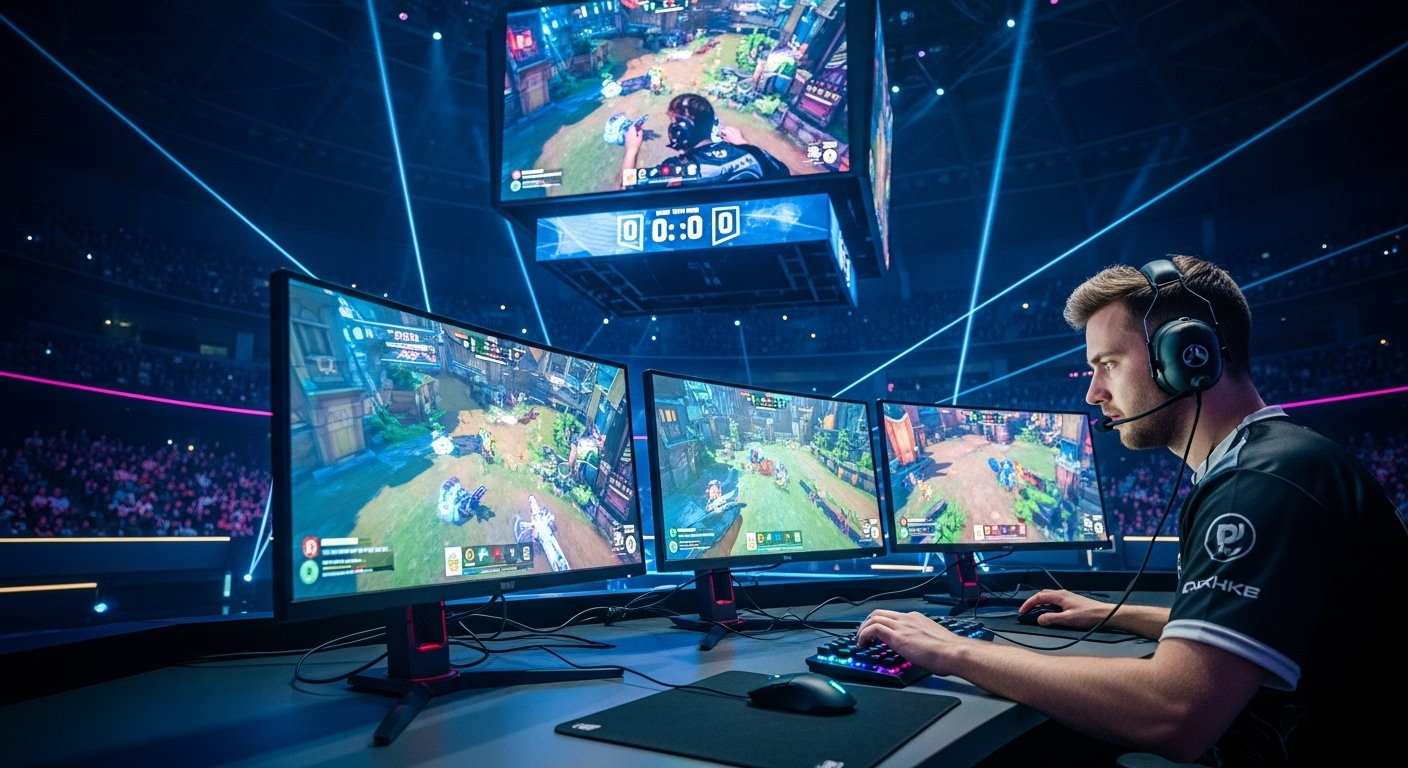
Technology lies at the heart of Esports’ evolution. Advances in hardware, software, and network infrastructure have made modern gaming more immersive, accessible, and competitive. High-refresh-rate monitors, precise input devices, and optimized gaming rigs ensure fair and high-performance gameplay.
Streaming technology has also been a game-changer. Services like Twitch and YouTube Gaming enable millions of viewers to watch live matches in real time with minimal latency. Social features such as chat interaction, emotes, and real-time commentary create an interactive spectator experience unlike any other form of entertainment.
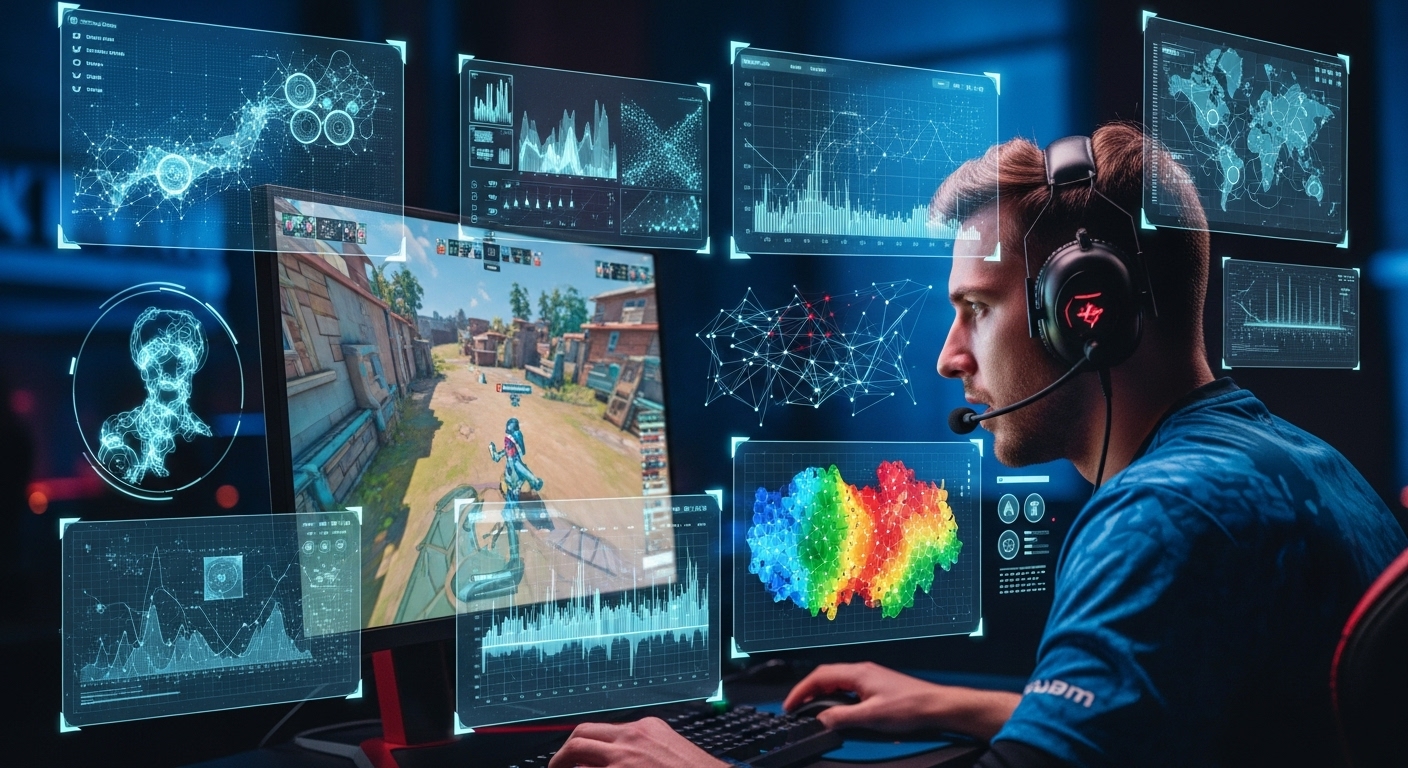
Virtual reality (VR) and augmented reality (AR) are expected to influence the next phase of Esports evolution. These technologies promise deeper immersion and new competitive genres that merge physical and digital experiences. Additionally, artificial intelligence (AI) is increasingly used for player analytics, match predictions, and automated training systems, providing players and coaches with valuable data insights that improve performance and strategy.
The Esports Community and Fan Engagement
One of the most defining aspects of Esports is its passionate community. Fans are not passive consumers—they are active participants. Online forums, social media discussions, and fan art contribute to the cultural richness surrounding Esports. Communities rally behind their favorite teams, creating chants, memes, and narratives that mirror the energy of traditional sports fandom.
Events like BlizzCon, DreamHack, and EVO showcase the communal spirit of gaming. These gatherings combine live tournaments, cosplay, developer panels, and social interaction, fostering a sense of belonging among attendees. The digital nature of Esports also allows fans from across the world to participate in global conversations, forming friendships and rivalries that transcend geography.
Challenges Facing the Esports Industry
Despite its impressive growth, Esports faces numerous challenges that threaten its stability and integrity. One major issue is the lack of unified regulation. Unlike traditional sports, Esports does not have a single governing body. This fragmentation results in inconsistent rules, contract disputes, and uneven player protection across different games and regions.
Cheating and match-fixing are also ongoing concerns. As financial stakes rise, so does the temptation for unethical behavior. Developers and tournament organizers continually implement anti-cheat systems, but maintaining competitive integrity remains an ongoing battle.
Another major concern is player burnout and mental health. The relentless schedule and pressure to perform can lead to exhaustion. Moreover, the relatively young age of many professional players means they often struggle with fame, financial management, and post-retirement transitions. Addressing these issues requires industry-wide initiatives that prioritize player welfare and create sustainable career paths.
Esports in Education and Society
The growing acceptance of Esports has opened doors in education and academia. Universities now offer Esports scholarships, and high schools establish competitive gaming clubs to nurture young talent. Beyond competition, gaming teaches valuable life skills such as teamwork, communication, and strategic thinking.
Esports also fosters inclusivity and digital literacy. Players from different backgrounds can compete on equal footing, and accessibility tools allow people with disabilities to participate fully. Moreover, the industry creates a wide range of career opportunities beyond playing—such as broadcasting, event management, marketing, coaching, and game design.
As society continues to digitize, Esports serves as a bridge between technology, creativity, and competition. It represents the modern convergence of entertainment, innovation, and community.
The Future of Esports
Looking ahead, the future of Esports appears exceptionally bright. Analysts predict continued growth in both audience size and revenue. The integration of emerging technologies—such as cloud gaming, 5G, and AI—will make competitive gaming more accessible than ever before. Mobile Esports, particularly in regions like Southeast Asia and India, is expected to drive massive expansion by bringing high-quality competition to millions of smartphone users.
Esports may also see deeper integration with traditional sports. Already, major sports franchises have entered the space, launching their own gaming divisions or hosting virtual tournaments. The lines between physical and digital competition will continue to blur, creating hybrid experiences that appeal to fans of both worlds.
Virtual reality Esports could introduce entirely new genres of competition where physical movement, reflexes, and digital skill combine. As technology advances, audiences will be able to experience matches through immersive virtual environments, allowing them to feel like they are inside the arena itself.
Conclusion: The Enduring Power of Esports
From small gatherings of enthusiasts to massive global championships, Esports has become one of the most transformative cultural movements of the modern era. It embodies the spirit of competition, innovation, and community in the digital age. Esports has proven that passion and skill transcend geography, language, and background, uniting millions under a shared love for gaming.
While challenges remain, the foundation built over decades ensures that Esports will continue to grow and evolve. It is not merely a trend—it is a revolution that reshapes how we define sports, entertainment, and digital culture. As new generations of players and fans emerge, Esports stands poised to become an enduring global institution, inspiring creativity, competition, and connection in a rapidly changing world.