Introduction: A Digital Revolution in Sports
Esports has emerged as a groundbreaking phenomenon, transforming video games from a casual pastime into a professional competitive arena. With millions of fans worldwide, professional players, and high-stakes tournaments, esports has become a legitimate part of modern culture. It is no longer just a hobby; it is a platform where skill, strategy, and teamwork meet technology.
The Rise of Competitive Gaming
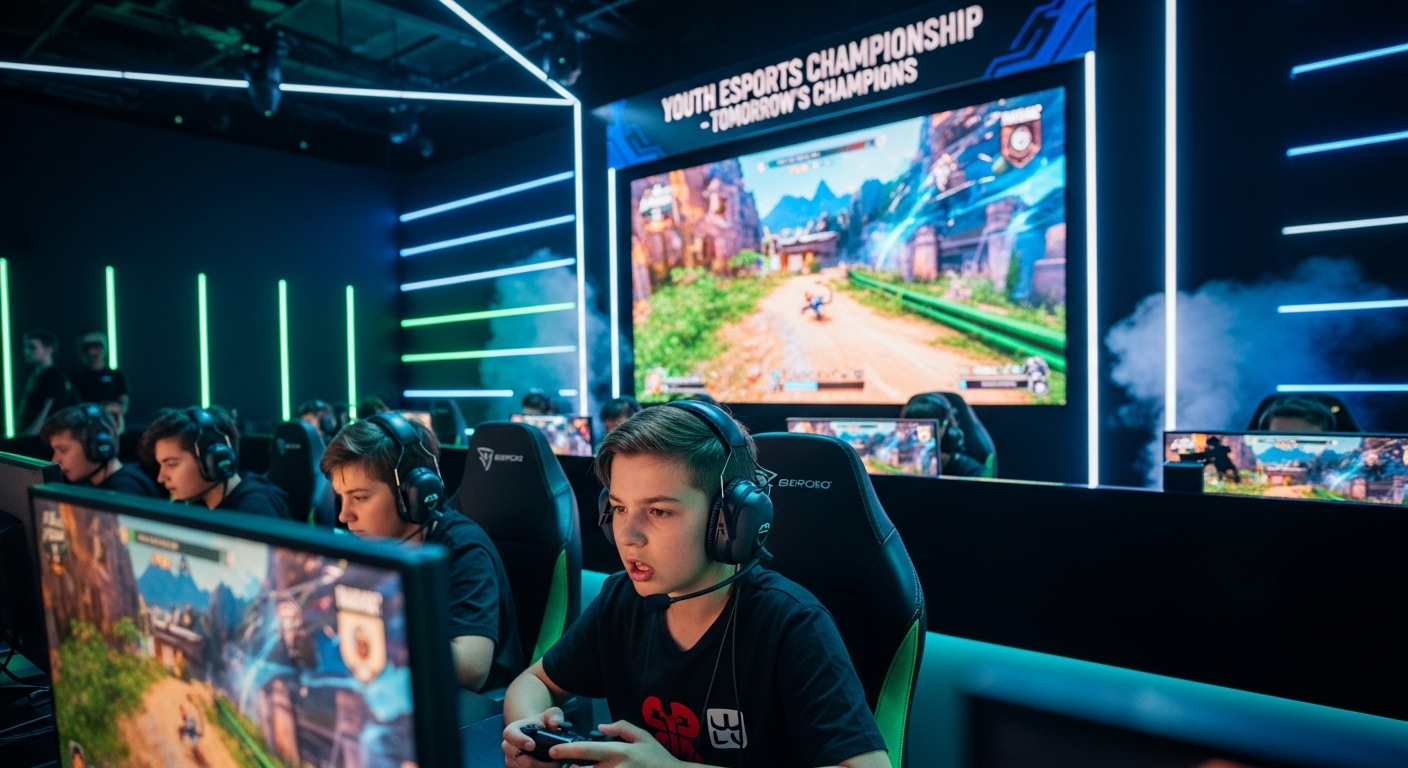
The journey of esports began with local tournaments and small-scale competitions, but the industry has grown exponentially over the past two decades. Games like League of Legends, Dota 2, Counter-Strike, and Fortnite have built professional leagues, attracting both players and viewers. Modern esports competitions are highly organized, with teams, coaches, analysts, and sponsors supporting players in ways similar to traditional sports teams.
Global Popularity and Influence
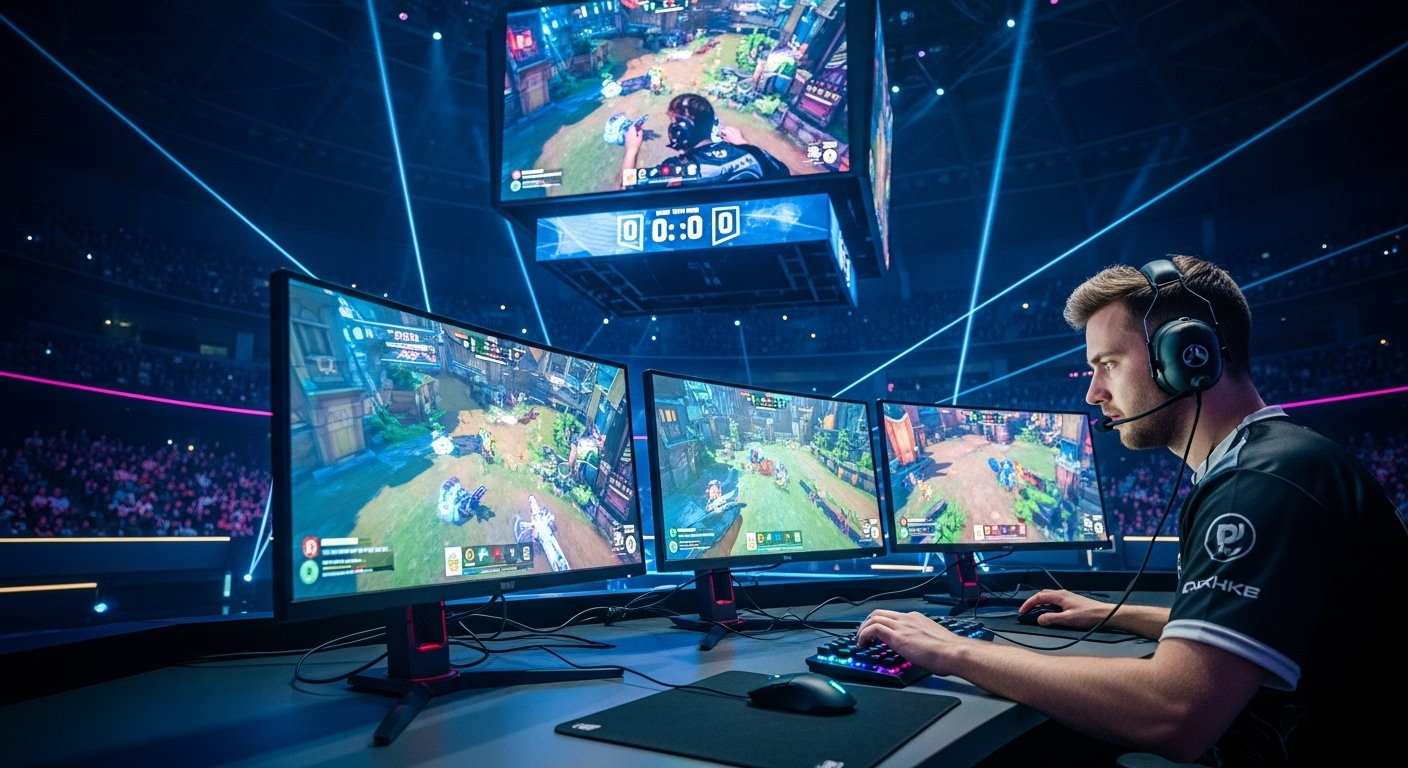
Esports transcends borders, connecting players and audiences from around the world. Major tournaments now attract millions of live viewers both online and in arenas, rivaling the audience size of conventional sports events. Streaming platforms and social media have amplified the reach of esports, creating a community-driven culture where fans actively engage with their favorite players and teams.
Economic Impact and Opportunities
The esports industry has grown into a multi-billion-dollar ecosystem. Revenue comes from sponsorships, advertising, tournament prizes, merchandise, and streaming subscriptions. Beyond playing professionally, esports has created career opportunities in areas such as content creation, coaching, event management, and marketing. The economic potential demonstrates that esports is not just entertainment but also a viable career path for many.
Challenges Facing Esports
Despite its rapid growth, esports faces several challenges. Critics often debate whether competitive gaming should be classified as a sport, and players frequently encounter issues like burnout, stress, and physical strain from long hours of practice. Ensuring fair play, mental health support, and sustainable practices are crucial for the long-term success of the industry.
The Future of Esports
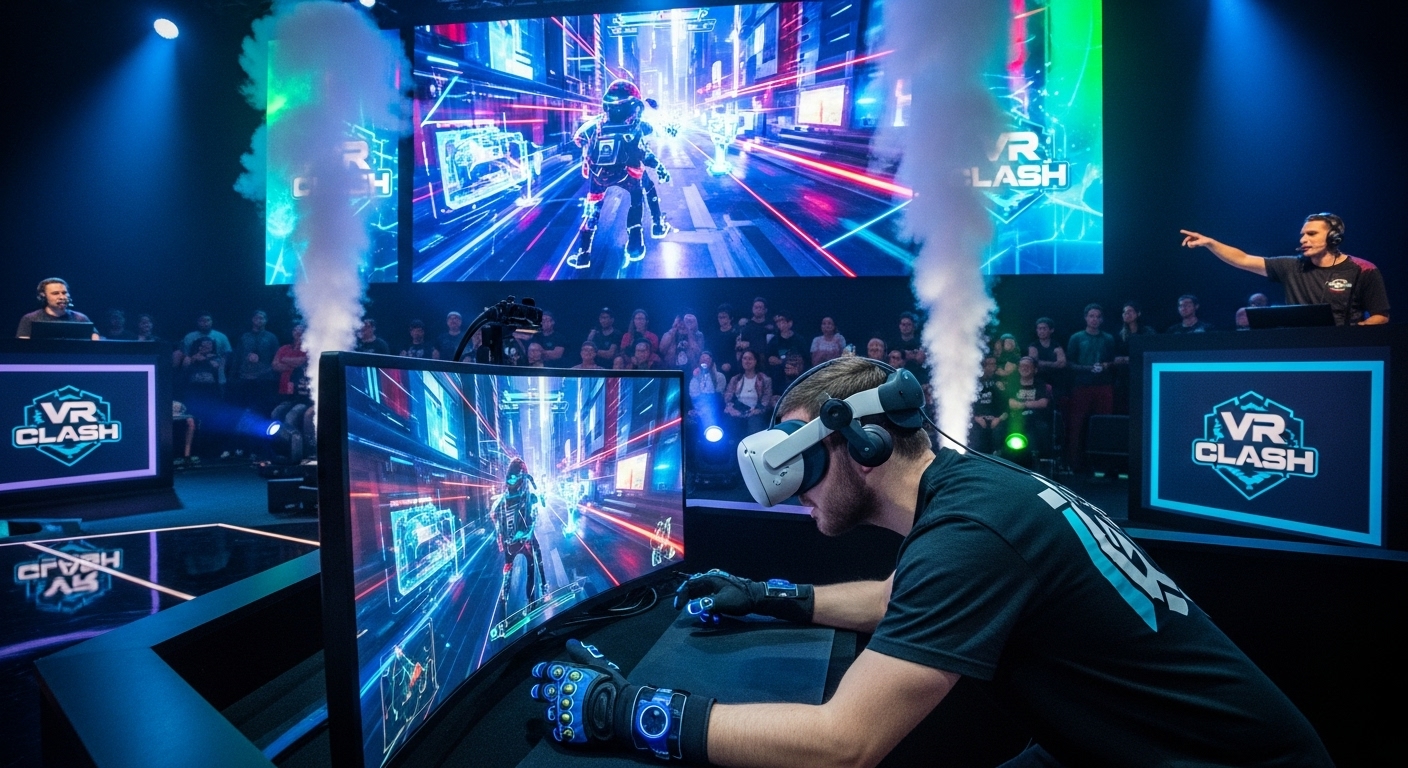
The future of esports is promising and dynamic. Innovations such as virtual reality, augmented reality, and advanced analytics are poised to enhance both gameplay and viewer experience. Educational institutions and governments are starting to recognize esports as a legitimate field, paving the way for scholarships, training programs, and professional development opportunities.
Conclusion: Redefining Competition in the 21st Century
Esports is more than just a game—it is a cultural movement, a career pathway, and a global phenomenon. It combines skill, strategy, and entertainment in a way that resonates with millions of people worldwide. As technology evolves and the industry continues to expand, esports is set to redefine the meaning of competitive sports in the digital age.