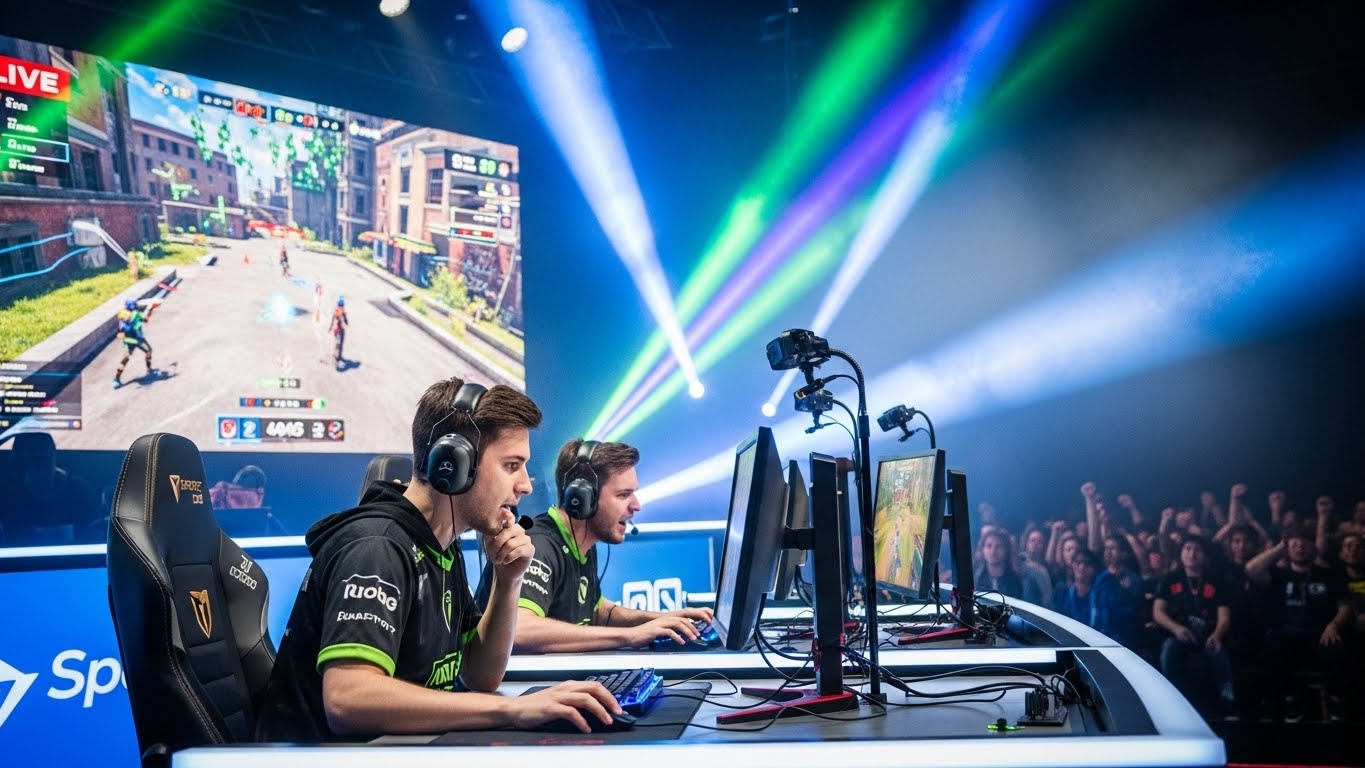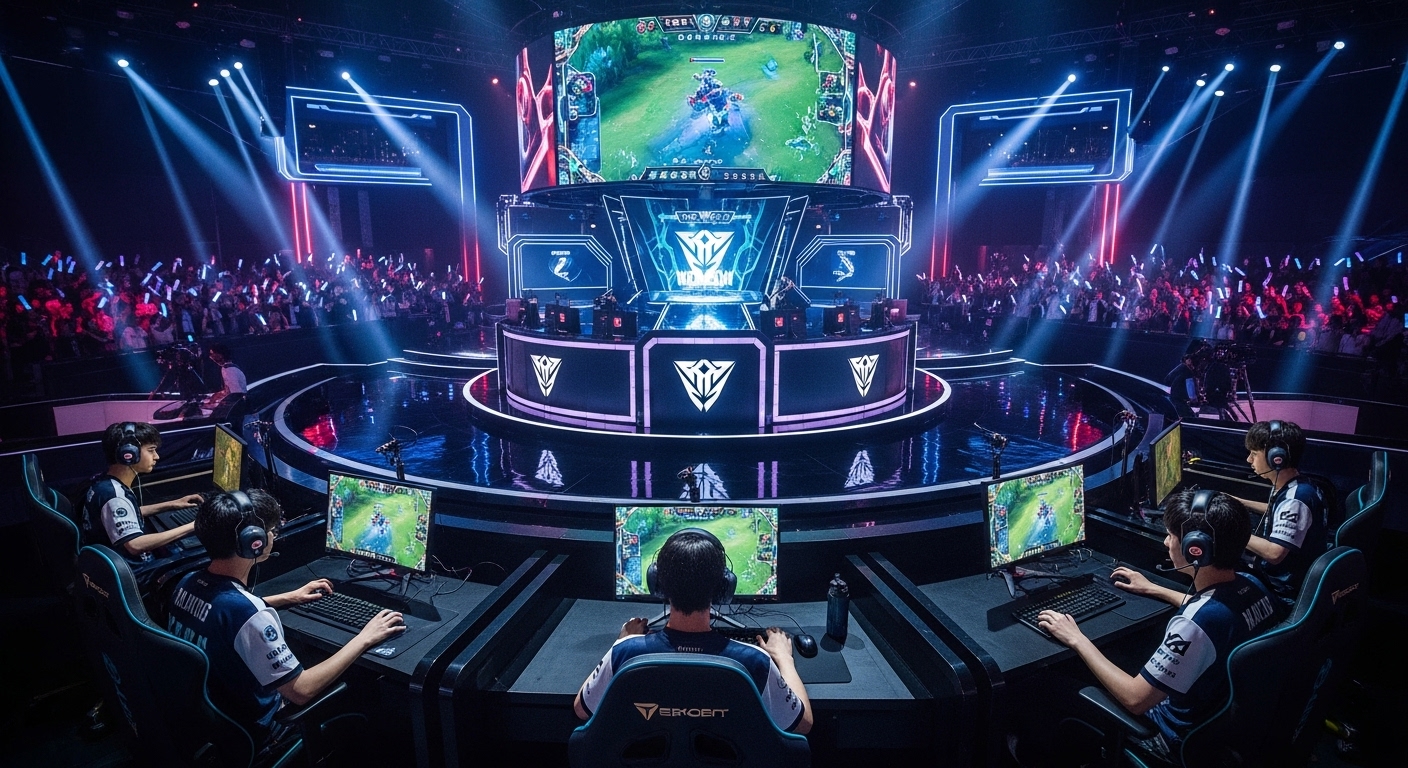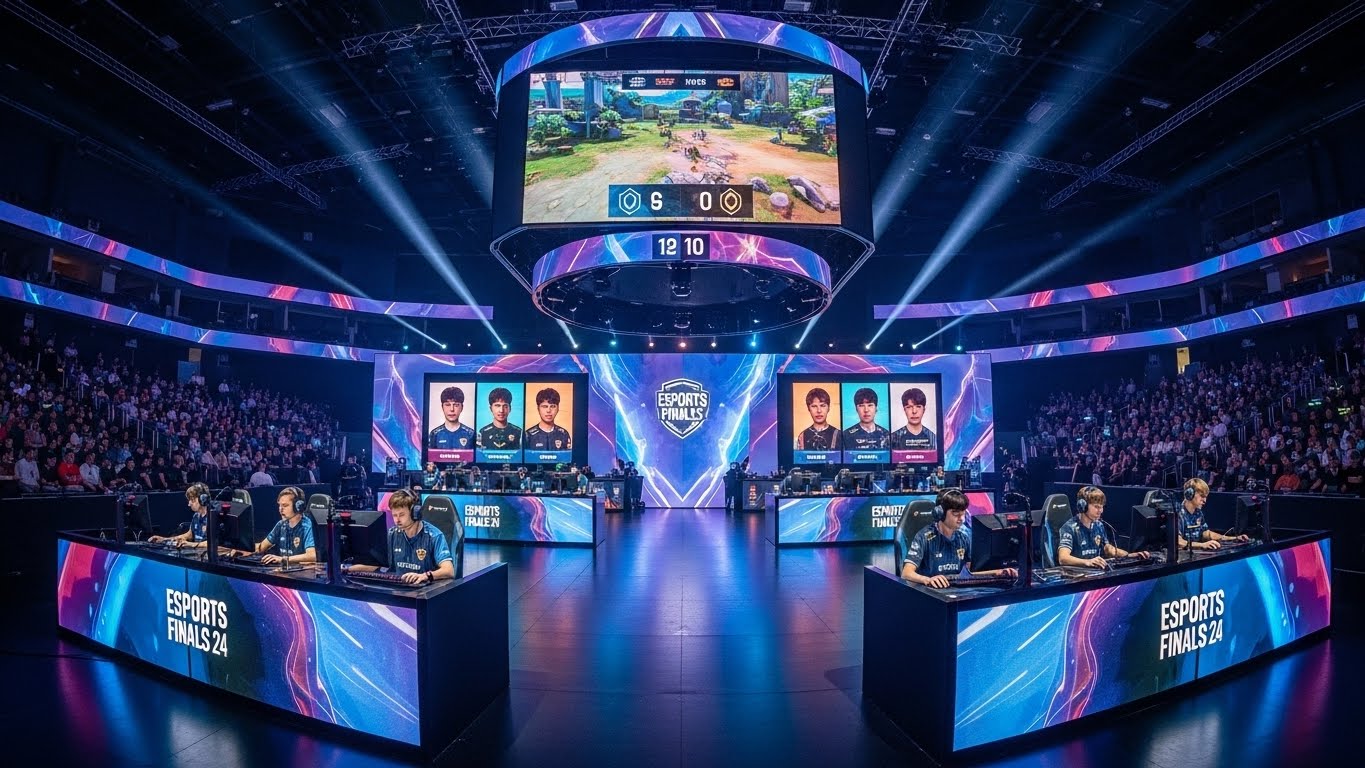
Esports has grown from a niche hobby into a global phenomenon, transforming gaming into a serious competitive sport. With millions of fans, professional players, and massive tournaments, esports is redefining how we perceive entertainment, competition, and community in the digital age.
The Rise of Competitive Gaming
Esports, short for electronic sports, began as small-scale competitions in arcades and local tournaments. Early games like StarCraft, Counter-Strike, and Warcraft laid the foundation for competitive play, attracting dedicated communities and casual spectators alike.
The internet accelerated esports’ growth by allowing players worldwide to compete online. Today, major tournaments draw audiences rivaling traditional sports events, with live streaming platforms connecting millions of fans globally.
Popular Esports Genres
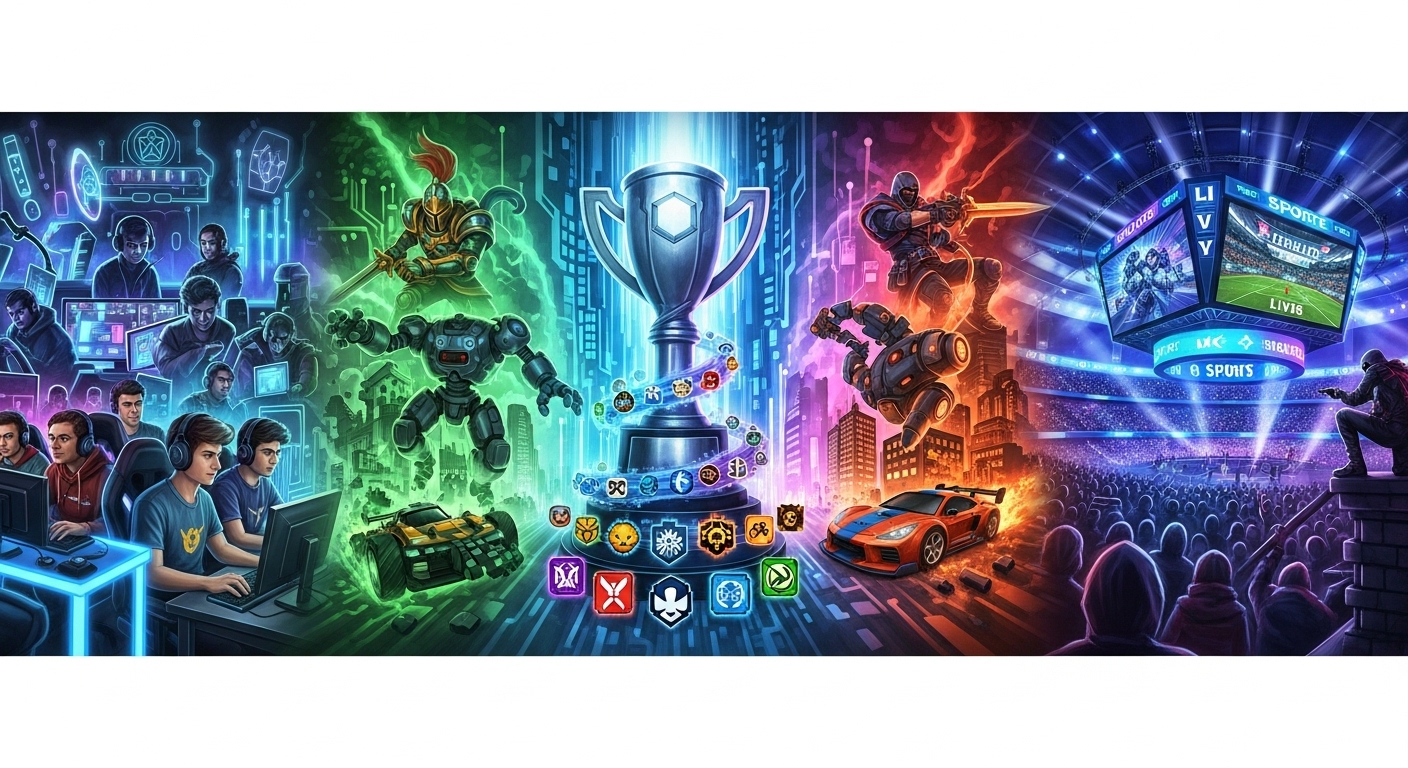
Esports encompasses a variety of game types, each offering unique challenges and competitive strategies. Multiplayer Online Battle Arena (MOBA) games like League of Legends and Dota 2 emphasize teamwork, strategy, and quick decision-making. First-Person Shooters (FPS) such as Call of Duty and Counter-Strike demand precision, reflexes, and tactical awareness.
Sports simulation games like FIFA and NBA 2K bring familiar athletic competition into the digital world, while battle royale titles like Fortnite combine survival, strategy, and fast-paced action. This diversity ensures that esports has something for every type of gamer and fan.
The Impact of Esports
Esports has a significant cultural, social, and economic impact. It fosters teamwork, strategic thinking, and hand-eye coordination among players. For many, esports is also a career path, offering opportunities as professional players, coaches, commentators, or content creators.
The industry generates billions of dollars annually through sponsorships, merchandise, and tournament prize pools. Its influence extends beyond gaming, shaping media, marketing, and entertainment trends worldwide.
Challenges in the Esports Arena
Despite its rapid growth, esports faces challenges. The pressure of competitive gaming can lead to mental health issues, including stress and burnout. Ensuring fair play, preventing cheating, and maintaining a healthy competitive environment remain ongoing concerns.
Accessibility is another challenge, as high-quality equipment and fast internet are essential for top-level competition. Making esports more inclusive is vital to ensure that talent from all backgrounds can thrive.
The Future of Esports
The future of esports is bright and full of possibilities. Advancements in virtual reality and augmented reality could make competitions even more immersive. As global audiences grow, esports will likely integrate further with mainstream sports and entertainment, creating hybrid events that appeal to a broader demographic.
Educational institutions are beginning to recognize esports, offering scholarships and programs to train future professionals. This institutional support could solidify esports as a respected and sustainable industry for years to come.
Conclusion
Esports is more than just playing video games—it is a cultural revolution, a career opportunity, and a source of global entertainment. With innovation, inclusivity, and community at its core, esports continues to level up, shaping the way people play, compete, and connect in the modern digital era.