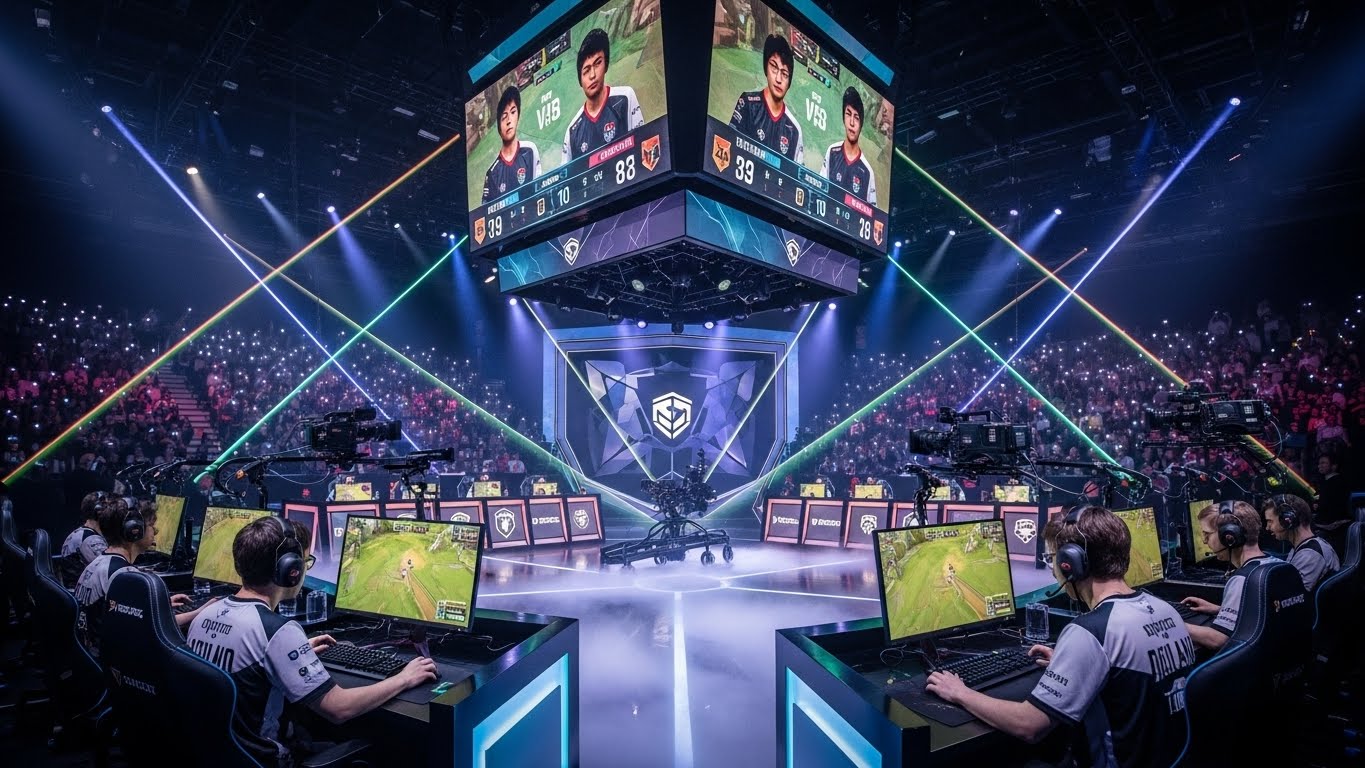
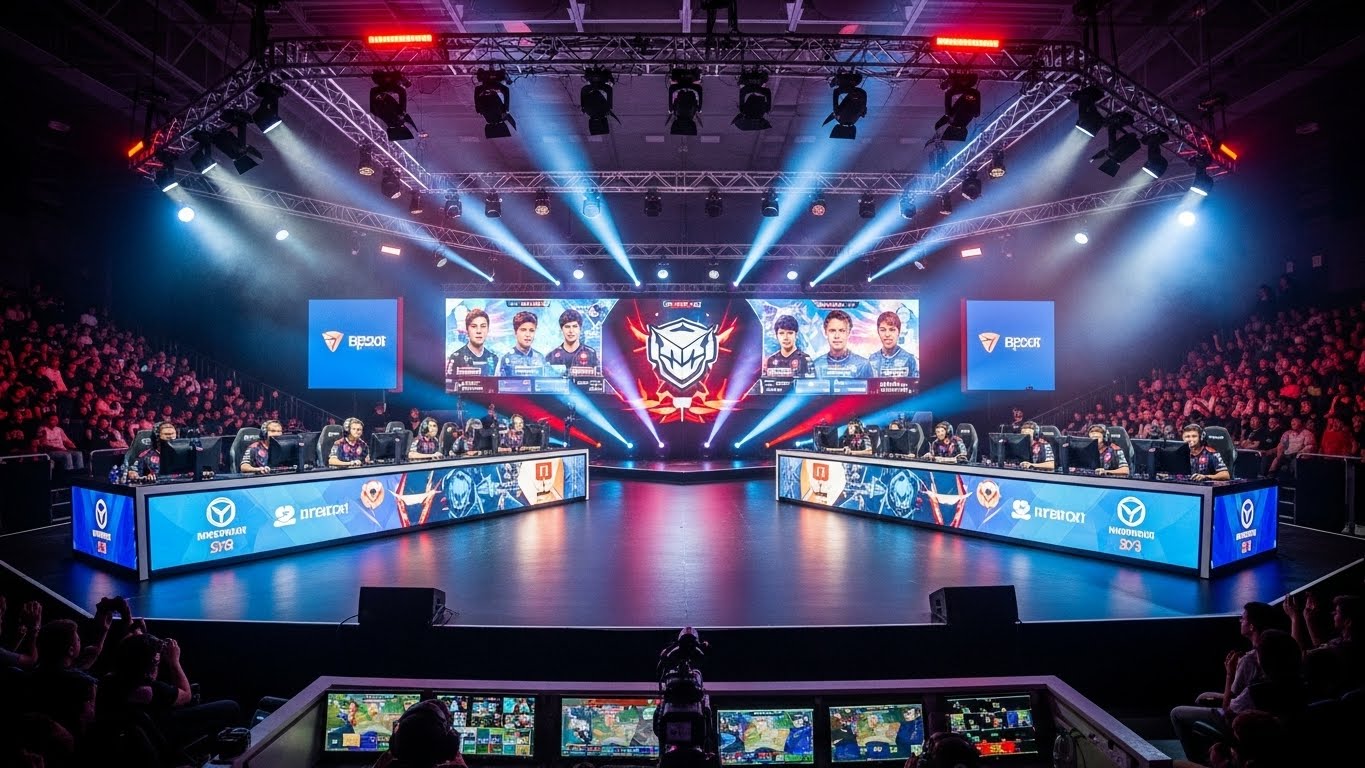
In the last decade, the world of competitive gaming, popularly known as esports, has transformed from a niche hobby into a global phenomenon. Esports is no longer confined to bedroom setups or local gaming tournaments. It has grown into a multi-billion-dollar industry that captivates millions of fans worldwide, attracts sponsorships from major brands, and even influences popular culture. From casual online competitions to stadium-filling international tournaments, esports has carved a unique place in modern entertainment, merging technology, sportsmanship, and artistry in unprecedented ways.
Understanding Esports: More Than Just Gaming
At its core, esports refers to organized competitive video gaming. Players, often forming professional teams, compete against each other in popular games such as League of Legends, Dota 2, Counter-Strike: Global Offensive, and Fortnite. These competitions are often held online or in live venues with audiences watching both in-person and through streaming platforms. Unlike casual gaming, esports emphasizes strategy, precision, teamwork, and mental resilience. Professional players train rigorously, sometimes for over 10 hours a day, to perfect their mechanics, coordination, and game knowledge.
Esports is also a blend of entertainment and sport. Unlike traditional sports, which rely on physical prowess, esports depends heavily on cognitive abilities, reflexes, decision-making skills, and collaboration. This has broadened the definition of sports itself, challenging conventional ideas about athleticism and competitive excellence. With this evolution, esports has gained legitimacy, with some countries even recognizing professional gaming as a career and offering athletes visas similar to traditional sports professionals.
The Rise of Esports: A Historical Perspective
The roots of esports can be traced back to the late 1970s and 1980s, when arcade competitions and early gaming tournaments started to emerge. Games like Space Invaders and Pac-Man drew competitive players who would often compete for high scores. The concept of esports took a more organized form in the 1990s with the rise of multiplayer games on PCs and consoles. Titles like Quake and StarCraft established the foundation for professional gaming, where strategy and skill were critical for victory.
The 2000s marked a turning point with the emergence of global tournaments and professional leagues. Internet connectivity allowed players from different parts of the world to compete against each other, and streaming technology enabled audiences to watch live gameplay. Platforms dedicated to gaming content began to flourish, connecting players and fans and turning esports into a spectator sport. Today, esports tournaments fill arenas with tens of thousands of spectators and attract millions more through live streaming, rivaling traditional sports events in viewership and fan engagement.
Popular Esports Games and Their Appeal
The esports landscape is diverse, with multiple genres attracting players and viewers worldwide. Multiplayer Online Battle Arenas (MOBAs) like League of Legends and Dota 2 emphasize team strategy, hero selection, and resource management. First-Person Shooters (FPS) such as Counter-Strike: Global Offensive and Call of Duty highlight precision, reflexes, and map control. Battle Royale games like Fortnite and PUBG combine survival tactics with fast-paced combat, appealing to a younger audience.
Each game has a unique competitive ecosystem with professional teams, tournaments, and a dedicated fanbase. What unites these games is their ability to create high-stakes, skill-driven experiences that captivate both players and spectators. Esports games are often updated with patches and expansions, keeping the competitive scene dynamic and continuously challenging players to adapt and innovate.
The Role of Streaming in Esports Growth
One of the most significant factors contributing to the meteoric rise of esports is streaming. Platforms that allow gamers to broadcast their gameplay in real-time have not only expanded the reach of esports but also transformed it into a global entertainment phenomenon. Viewers can watch professional matches, learn strategies, and engage with players through chat, creating a sense of community around esports.
Streaming has also made esports accessible to anyone with an internet connection. Fans from countries where live tournaments are rare can still follow their favorite players and teams, creating a worldwide fanbase. Moreover, the integration of monetization options such as subscriptions, donations, and sponsorships has allowed professional gamers to turn streaming into a viable career, further fueling the esports economy.
Esports and Professionalism: Training and Lifestyle
Professional esports athletes often have lifestyles similar to traditional athletes. They follow strict training regimens that include practice sessions, strategy discussions, physical fitness routines, and mental conditioning. Unlike casual gamers, professional players must maintain peak performance under pressure, handle the stress of high-stakes competitions, and continuously refine their skills.
Teams are managed by coaches, analysts, and support staff who provide tactical guidance, performance analytics, and psychological support. The level of professionalism in esports is now comparable to conventional sports, with contracts, salaries, endorsements, and brand collaborations playing a crucial role in a player’s career. The growth of esports academies and training facilities around the world highlights the structured approach taken to develop the next generation of champions.
Economic Impact of Esports
Esports has become a multi-billion-dollar industry with revenue streams that include sponsorships, advertising, merchandise, tournament prize pools, and media rights. Major brands, from technology companies to soft drink manufacturers, sponsor tournaments and teams, recognizing esports’ potential to reach a young, tech-savvy audience. Prize money for top tournaments can reach millions of dollars, attracting highly skilled players and making esports a lucrative career choice.
In addition, esports contributes to local economies by creating jobs, attracting tourism, and generating revenue through live events. Cities hosting large tournaments benefit from hotel bookings, transportation services, and increased media exposure. The economic influence of esports continues to grow, making it an integral part of the digital entertainment ecosystem.
Cultural Influence and Social Impact
Esports is more than just competition; it has become a cultural phenomenon influencing entertainment, fashion, and social interactions. Professional players and teams have large social media followings, shaping trends and popularizing games across different demographics. Cosplay, fan art, and esports-related content further reinforce the community and cultural impact of competitive gaming.
Socially, esports offers an inclusive environment where people from diverse backgrounds can connect through shared interests. Online communities provide a sense of belonging and opportunities for collaboration, teamwork, and leadership development. Additionally, esports has shown the potential to inspire educational initiatives, with schools and universities offering esports scholarships and academic programs related to game design, digital media, and sports management.
Challenges Facing the Esports Industry
Despite its rapid growth, esports faces several challenges. Player burnout is a major concern, with long practice hours and high-pressure competitions impacting mental health. There are also issues related to cheating, match-fixing, and ethical concerns surrounding sponsorships and gambling. The lack of standardized regulations across countries complicates governance, and disparities in access to technology can limit participation in developing regions.
Addressing these challenges requires a coordinated effort from game developers, tournament organizers, and regulatory bodies. Initiatives focused on player welfare, ethical guidelines, and sustainable growth are essential to ensure that esports remains a healthy and thriving ecosystem.
The Future of Esports
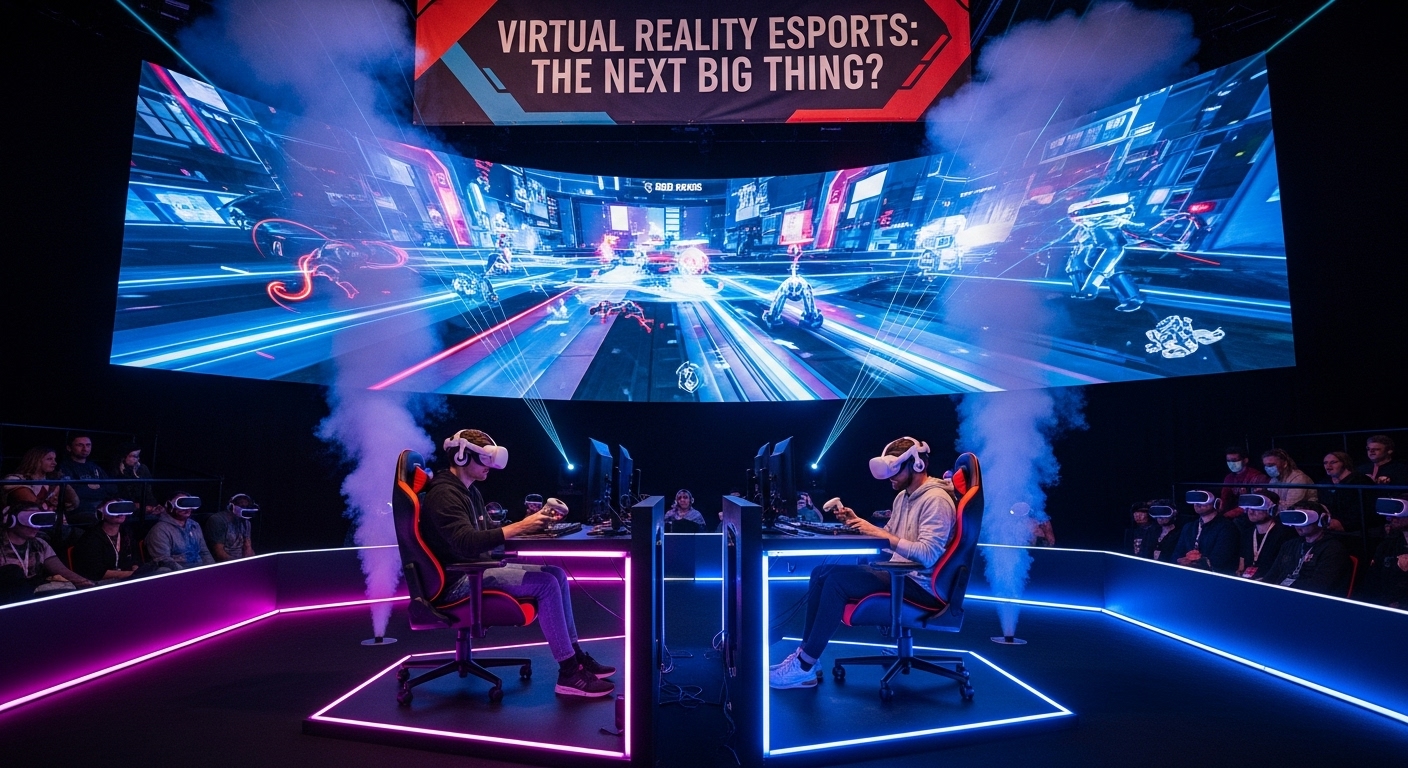
The future of esports looks incredibly promising. Advances in virtual reality (VR) and augmented reality (AR) technologies could redefine competitive gaming by creating more immersive experiences. Artificial intelligence (AI) may be used to analyze player performance and enhance training methods. Additionally, esports is likely to expand into new regions, with increasing recognition from governments, educational institutions, and traditional sports organizations.
As esports continues to evolve, it will likely integrate further with mainstream entertainment, including collaborations with movies, music, and live events. The boundary between digital and physical sports may blur, and esports could become a permanent fixture in global culture, inspiring a new generation of athletes and fans.
Conclusion
Esports is no longer just a hobby; it is a global movement that redefines competition, entertainment, and community in the digital age. From humble beginnings in arcades to filling stadiums and streaming to millions worldwide, esports has proven that video games can be serious, professional, and culturally significant. The combination of skill, strategy, and spectacle makes esports a unique form of modern sports, one that continues to grow in popularity and influence.
As technology advances and opportunities expand, esports is poised to become an even more integral part of our lives, shaping how we play, watch, and interact in the world of digital competition. Its rise is a testament to human creativity, adaptability, and the enduring appeal of competition in all its forms.