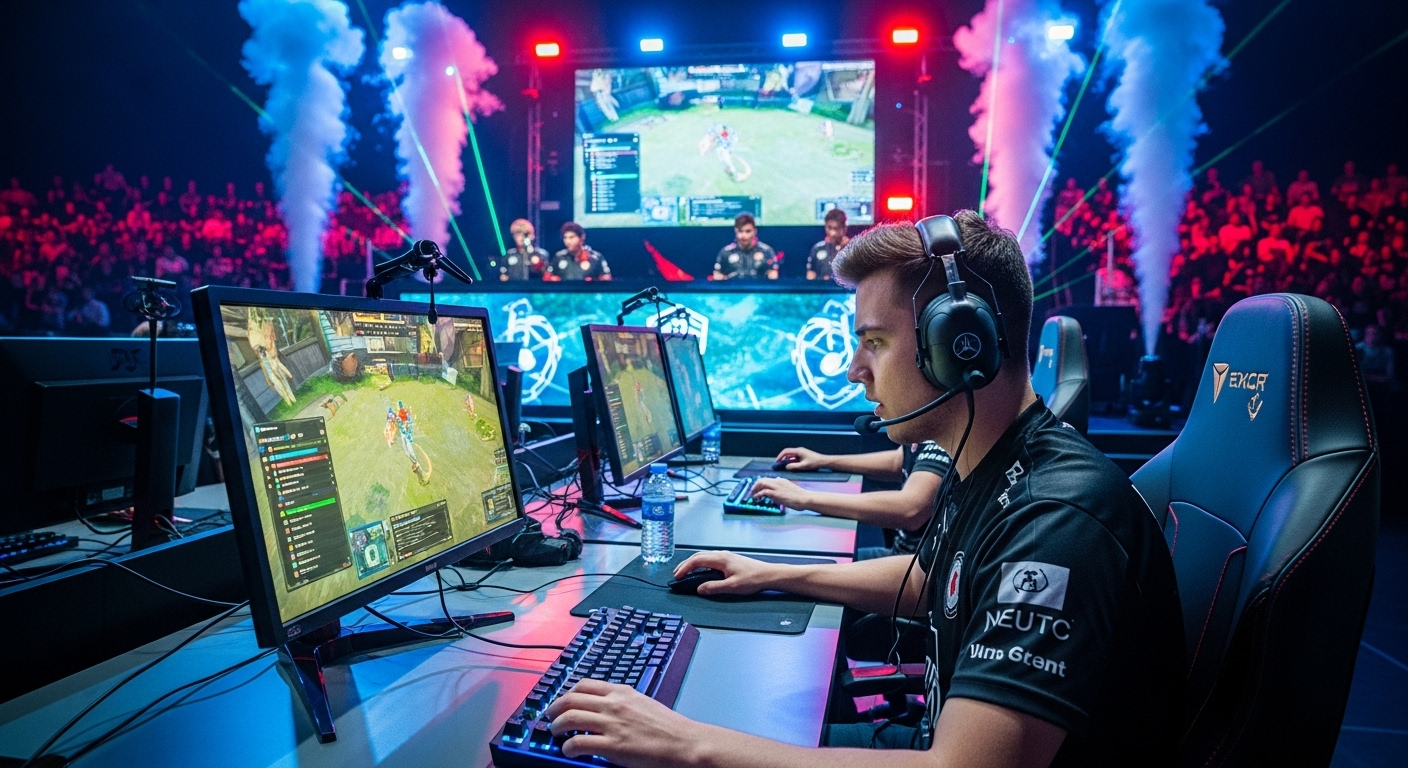
Esports, short for electronic sports, has transformed the world of competitive gaming into a billion-dollar global phenomenon. What was once a niche hobby has now grown into a professional industry that rivals traditional sports in popularity, revenue, and cultural impact. From grassroots competitions in small internet cafes to stadium-filling tournaments watched by millions, esports is shaping the way people experience gaming, entertainment, and competition.
The Origins of Esports
Esports traces its roots back to the early days of video gaming in the 1970s and 1980s. The first recorded gaming competition took place in 1972 at Stanford University, where students competed in the game “Spacewar.” In the 1980s, arcade games such as Pac-Man and Donkey Kong became platforms for competitive play, with high-score rankings sparking friendly rivalries among players.
The rise of home consoles and personal computers in the 1990s marked a significant evolution in competitive gaming. Games like Street Fighter, Warcraft, and StarCraft introduced players to multiplayer modes that allowed them to compete directly against one another. These early tournaments laid the groundwork for the organized, professional esports scene that we see today.
The Growth of Professional Esports
The 2000s marked the era of professional esports, fueled by advancements in internet technology. Multiplayer online games allowed gamers to connect from different parts of the world, enabling large-scale competitions. South Korea emerged as a leader in esports during this period, with professional leagues for games like StarCraft attracting television audiences and sponsorship deals.
As streaming platforms grew in popularity, esports reached a global audience. Platforms like Twitch, YouTube Gaming, and others allowed fans to watch live matches, follow professional players, and engage with communities. The professionalization of esports has led to the formation of teams, coaching staff, analysts, and sponsorships, creating a structured ecosystem similar to traditional sports.
Popular Esports Genres and Games
Esports encompasses a variety of game genres, each with its own competitive scene and fan base. Multiplayer online battle arena (MOBA) games such as League of Legends and Dota 2 are among the most popular, requiring strategic teamwork, communication, and fast reflexes. First-person shooter (FPS) games like Counter-Strike: Global Offensive and Valorant focus on precision, tactics, and coordination.
Real-time strategy (RTS) games, fighting games, and sports simulation games like FIFA and NBA 2K also have dedicated competitive communities. Each genre offers unique challenges and attracts players with different skill sets, contributing to the diversity of the esports industry.
The Rise of Esports Tournaments
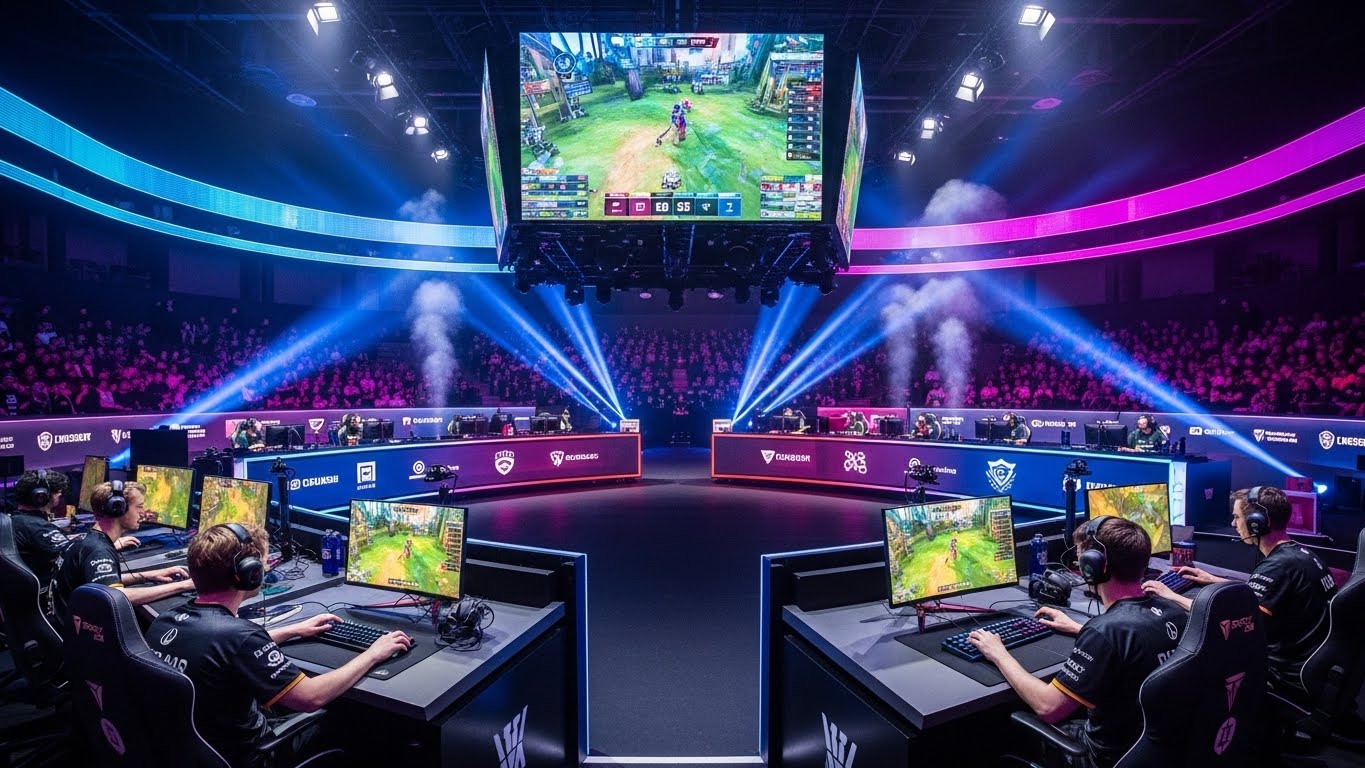
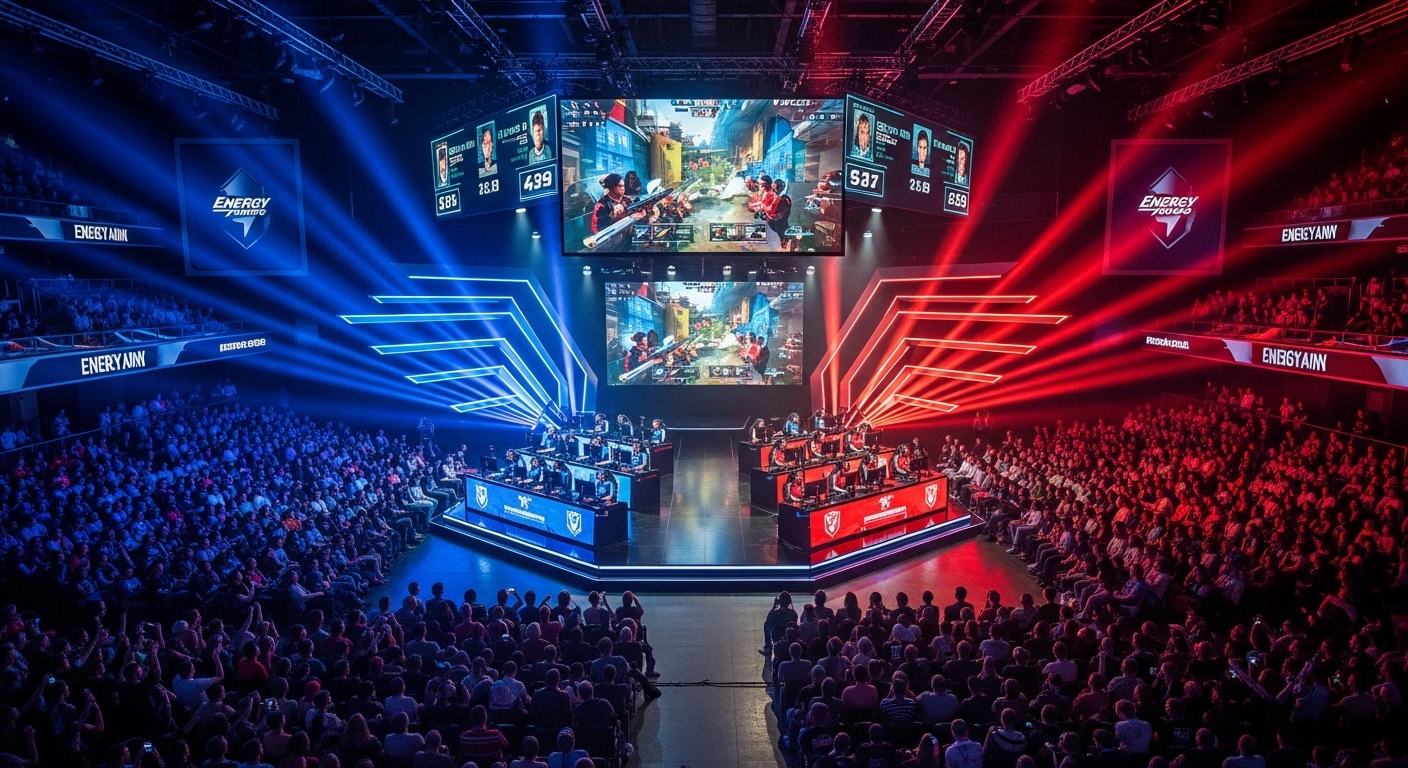
Esports tournaments are central to the competitive ecosystem, offering fame, fortune, and recognition to top players. Major events like The International for Dota 2, the League of Legends World Championship, and the Fortnite World Cup draw millions of viewers globally. Prize pools for these tournaments can reach millions of dollars, rivaling traditional sports championships.
Tournaments are often broadcast live with professional commentary, known as casting, which adds entertainment value for viewers. Beyond prize money, tournaments provide exposure for players, teams, and sponsors, solidifying the professional esports infrastructure. The excitement of live events, both online and offline, demonstrates how esports has become a mainstream entertainment phenomenon.
Esports Teams and Organizations
Esports teams are structured similarly to professional sports teams. They consist of players, coaches, analysts, managers, and support staff who work together to achieve competitive success. Some of the most renowned organizations include Cloud9, Fnatic, Team Liquid, and T1, each with teams competing in multiple games.
These organizations invest in talent development, training facilities, and branding to enhance performance and market presence. Sponsorship deals with tech companies, apparel brands, and energy drinks are common, providing revenue streams that support the growth of professional players and teams. The rise of esports organizations has elevated gaming from a casual pastime to a viable career path.
The Role of Streaming in Esports
Streaming has played a crucial role in the global expansion of esports. Platforms like Twitch, YouTube, and Facebook Gaming allow players to broadcast gameplay to audiences in real time. Fans can watch matches, interact with players via chat, and participate in community events.
Streaming has also created new career opportunities, with professional streamers generating income through subscriptions, donations, and sponsorships. For esports teams, streaming serves as a marketing tool, promoting players, merchandise, and brand partnerships. The combination of competitive play and interactive streaming has turned esports into a form of entertainment that is engaging, immersive, and widely accessible.
Esports and Youth Culture
Esports has a significant impact on youth culture, inspiring a new generation of gamers and fans. Young players often aspire to become professional esports athletes or streamers, dedicating hours to practice and honing skills. Esports also fosters community, with forums, online groups, and social media platforms connecting players worldwide.
The popularity of esports among youth has influenced trends in gaming peripherals, fashion, and lifestyle. Gaming chairs, mechanical keyboards, and high-performance computers have become symbols of the esports lifestyle, while players’ personalities and achievements inspire fans globally. Esports culture emphasizes skill, strategy, and teamwork, encouraging values that extend beyond gaming.
The Economic Impact of Esports
The esports industry has grown into a multi-billion-dollar market, generating revenue from sponsorships, advertising, media rights, merchandise, and ticket sales. Companies across various sectors, from technology to consumer goods, recognize the potential of esports to reach engaged and tech-savvy audiences.
Esports events drive tourism, merchandising, and digital media consumption. Major tournaments held in stadiums attract local businesses, hospitality services, and global media coverage. The industry also creates employment opportunities in broadcasting, coaching, marketing, and game development, making esports a significant contributor to the modern economy.
Esports in Education and Collegiate Programs
Esports has extended its influence into education, with schools and universities recognizing competitive gaming as a legitimate extracurricular activity. Collegiate esports programs provide scholarships, structured training, and opportunities to compete at high levels.
These programs teach strategic thinking, teamwork, leadership, and communication skills. By integrating esports into education, institutions offer students an alternative path to personal and professional development. It also helps change societal perceptions, portraying esports as a discipline that requires dedication, practice, and skill rather than a casual hobby.
The Global Reach of Esports
Esports is a truly global phenomenon. While South Korea and China were early leaders, the industry has expanded rapidly in North America, Europe, and Southeast Asia. Online platforms allow fans from different countries to watch live competitions, follow favorite players, and participate in discussions.
International tournaments showcase the diversity of gaming talent and foster cross-cultural connections. Esports has become a unifying force, demonstrating that digital competition transcends language, geography, and culture. Its global appeal continues to grow, reflecting the increasing importance of technology and digital entertainment worldwide.
The Challenges Facing Esports
Despite its rapid growth, esports faces several challenges. Player burnout is common due to long hours of practice, travel, and high-pressure competition. Maintaining mental and physical health is crucial for sustainable careers.
Regulation and governance are other challenges. Unlike traditional sports, esports lacks standardized rules across different games and regions, which can lead to disputes and inconsistencies. Additionally, concerns about cheating, online harassment, and fair compensation must be addressed to ensure the integrity and growth of the industry.
The Future of Esports
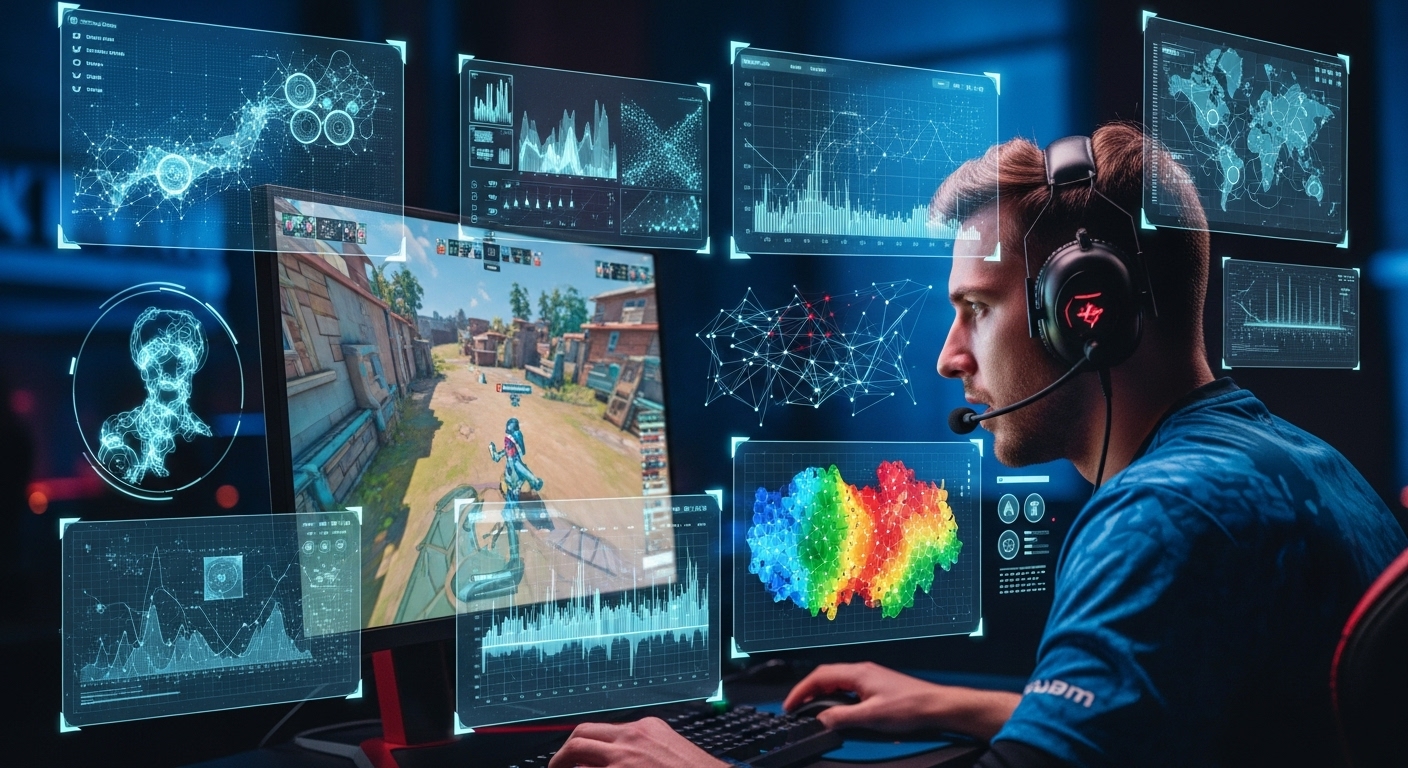
The future of esports looks promising, with continued technological advancements and growing mainstream acceptance. Virtual reality and augmented reality could bring new dimensions to competitive gaming, creating immersive experiences for players and audiences alike. Artificial intelligence may enhance training, strategy analysis, and spectator engagement.
Esports may also become more integrated with traditional sports, media, and entertainment. Partnerships between gaming companies, broadcasters, and sports leagues are already blurring the lines between digital and physical competition. The industry is evolving into a multi-faceted ecosystem that encompasses gaming, entertainment, and culture on a global scale.
Esports and Society
Esports is more than just competitive gaming; it has become a cultural and social force. It challenges traditional notions of sports, redefining athleticism to include strategy, reflexes, and mental agility. It creates communities where fans, players, and creators interact, fostering collaboration and shared passion.
Esports also promotes inclusivity, with players from diverse backgrounds and regions competing at elite levels. It inspires innovation, encourages technological literacy, and provides platforms for creativity and self-expression. Society is witnessing the rise of a new form of sport that thrives in the digital age.
Conclusion: The Rise of a Digital Sporting Era
Esports has evolved from small-scale gaming competitions to a global entertainment and professional industry. Its impact is evident in culture, education, the economy, and technology. With professional teams, live tournaments, streaming platforms, and a passionate global audience, esports is redefining the meaning of competition and entertainment.
The digital arena of esports continues to expand, offering opportunities for players, fans, and businesses alike. It is not just a trend; it is a lasting shift in how people play, watch, and experience games. As technology advances and society embraces digital competition, esports will remain a defining feature of the 21st century, inspiring new generations of gamers and shaping the future of sports and entertainment.