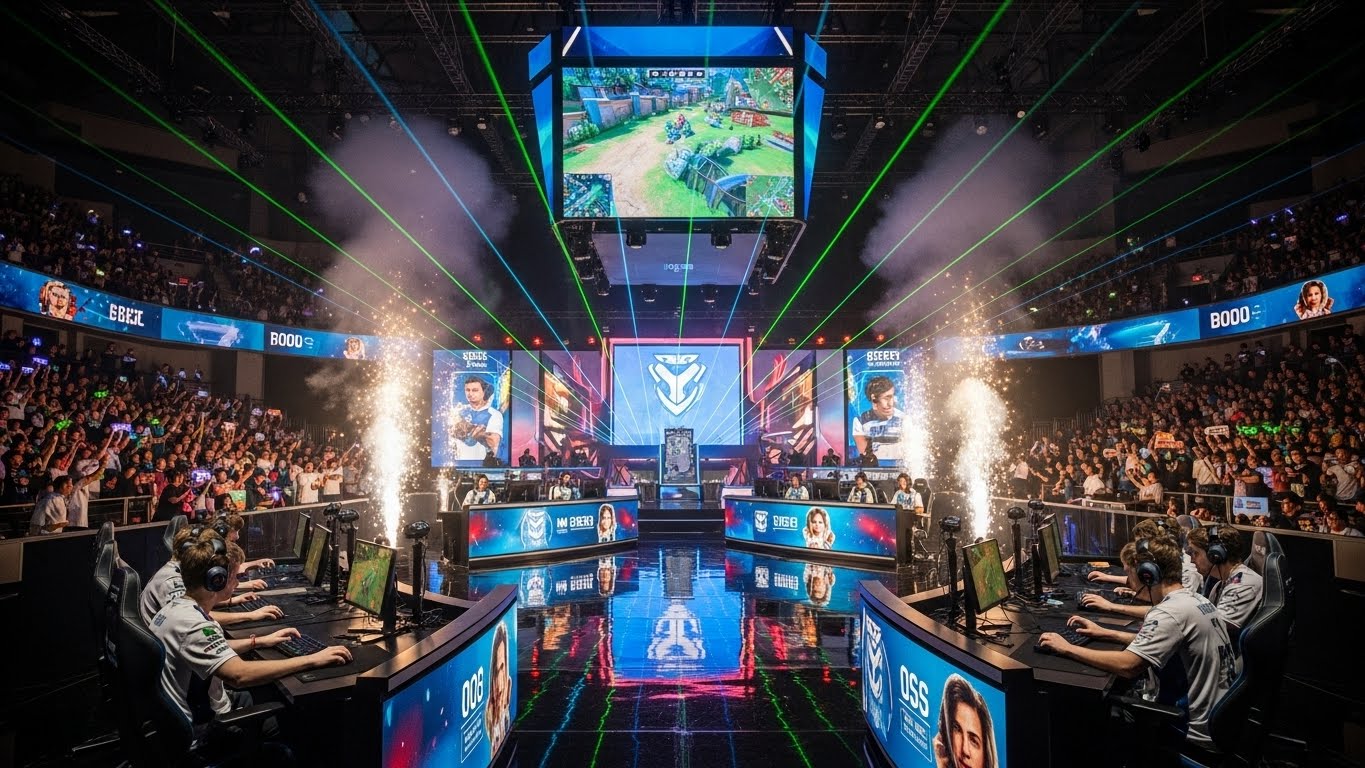
In the past two decades, esports has transformed from a niche hobby into a multi-billion-dollar global industry. What once started as informal competitions in basements and local gaming clubs has now evolved into professional leagues, massive tournaments, and careers that rival traditional sports. This blog explores the growth, challenges, and future of esports, highlighting how gaming culture has reshaped entertainment, competition, and community engagement worldwide.
The Origins of Esports
The roots of esports trace back to the late 1970s and early 1980s, when arcade competitions and video game tournaments began to attract attention. One of the earliest recorded events was the 1980 Space Invaders Championship held in the United States, which drew thousands of participants. These early competitions were small in scale, but they laid the foundation for competitive gaming culture.
As gaming consoles became more accessible in the 1980s and 1990s, multiplayer games started gaining popularity. Titles such as Street Fighter, Mortal Kombat, and later, Counter-Strike and StarCraft, fostered competitive environments where players could test their skills against each other. The advent of the internet further accelerated esports, making it possible for gamers to compete online across continents.
The Rise of Professional Leagues
Esports began professionalizing in the early 2000s with the formation of leagues and organized tournaments. South Korea became a global hub, especially with the rise of StarCraft as a competitive game. Professional gamers in Korea gained celebrity status, with televised matches and lucrative sponsorships. The concept of gaming as a legitimate career started taking shape.
In Western countries, esports slowly gained traction. League of Legends, Dota 2, and Counter-Strike tournaments started drawing large audiences, and organizations began signing players as professional athletes. Prize pools for major tournaments skyrocketed, sometimes reaching millions of dollars. This not only attracted top talent but also cemented esports as a serious industry with long-term growth potential.
Esports and Technology
The growth of esports is inseparable from technological advancements. High-speed internet, powerful gaming hardware, and streaming platforms like Twitch have revolutionized how players compete and fans consume content. The rise of smartphones and mobile gaming has further expanded esports audiences, allowing people to engage in competitive gaming without owning expensive consoles or PCs.
Streaming platforms have also turned individual players into global stars. Gamers can broadcast their gameplay to millions, building personal brands and influencing trends in the gaming community. Esports teams leverage social media to connect with fans, secure sponsorship deals, and expand their reach. This convergence of gaming and technology has not only democratized esports but also made it a central part of digital entertainment culture.
Popular Esports Genres
Esports encompasses a wide variety of genres, each with its own competitive scene and dedicated fan base. Multiplayer Online Battle Arenas, or MOBAs, such as League of Legends and Dota 2, are among the most popular. These games require strategic thinking, teamwork, and precise execution.
First-Person Shooters, including Counter-Strike: Global Offensive and Call of Duty, emphasize reflexes, accuracy, and tactical awareness. Battle Royale games like Fortnite and PUBG have attracted younger audiences with their fast-paced action and massive online tournaments. Additionally, sports simulation games like FIFA and NBA 2K allow fans to engage with virtual versions of their favorite sports, further bridging the gap between traditional athletics and esports.
Esports as a Career
One of the most remarkable aspects of esports is its potential as a career. Professional players earn income through tournament winnings, sponsorship deals, streaming, and coaching. Top-tier esports athletes can make six or even seven figures annually, rivaling salaries in traditional sports.
Beyond players, the industry offers diverse opportunities, including team management, event organization, content creation, marketing, and game development. Universities have even begun offering scholarships for esports athletes, recognizing the skill, discipline, and teamwork required to compete at a high level. This professionalization has helped esports gain legitimacy and attract talent worldwide.
Challenges in Esports
Despite its rapid growth, esports faces several challenges. One significant concern is sustainability. Many professional players face intense pressure, long hours, and early burnout, often leading to short careers. Unlike traditional sports with decades-long career spans, esports athletes may peak in their early twenties.
Another challenge is regulation. Different countries have varying standards for gaming competitions, player contracts, and gambling associated with esports betting. The lack of a unified governing body can create inconsistencies in fairness and safety for both players and fans. Additionally, issues such as cheating, toxicity in online communities, and the mental health impact of constant competition remain pressing concerns.
The Cultural Impact of Esports
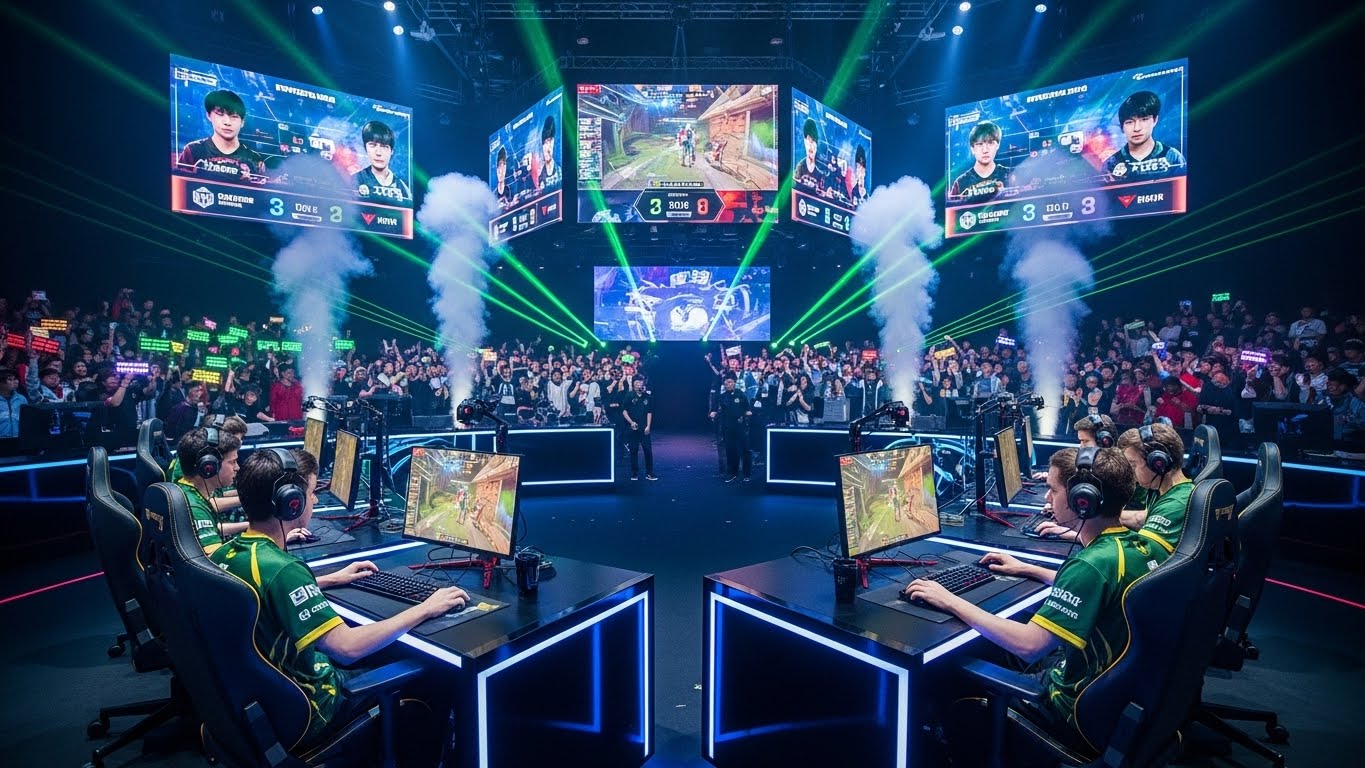
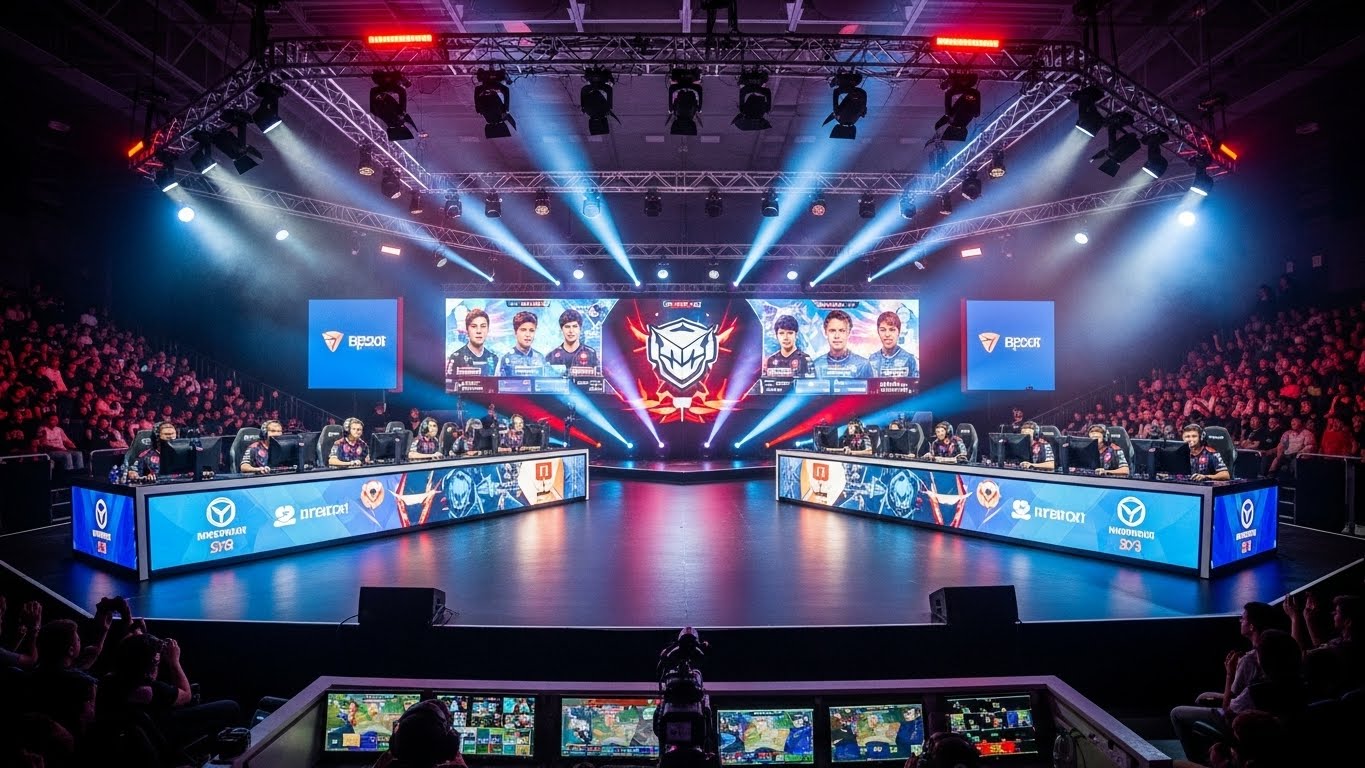
Esports has significantly influenced global culture, reshaping how people perceive gaming. Competitive gaming is no longer seen as a solitary activity or a frivolous pastime. Instead, it is celebrated as a form of entertainment, social interaction, and skill development. Major esports events attract massive audiences, comparable to traditional sports championships, and often feature elaborate stage productions, live commentary, and celebrity appearances.
Esports has also fostered inclusivity. Online communities allow players from different countries, genders, and backgrounds to connect over shared interests. Streaming platforms provide opportunities for underrepresented voices to gain visibility, while collaborative gameplay encourages teamwork and communication across diverse groups. This cultural shift has helped elevate esports from niche hobby to mainstream phenomenon.
Esports in Education
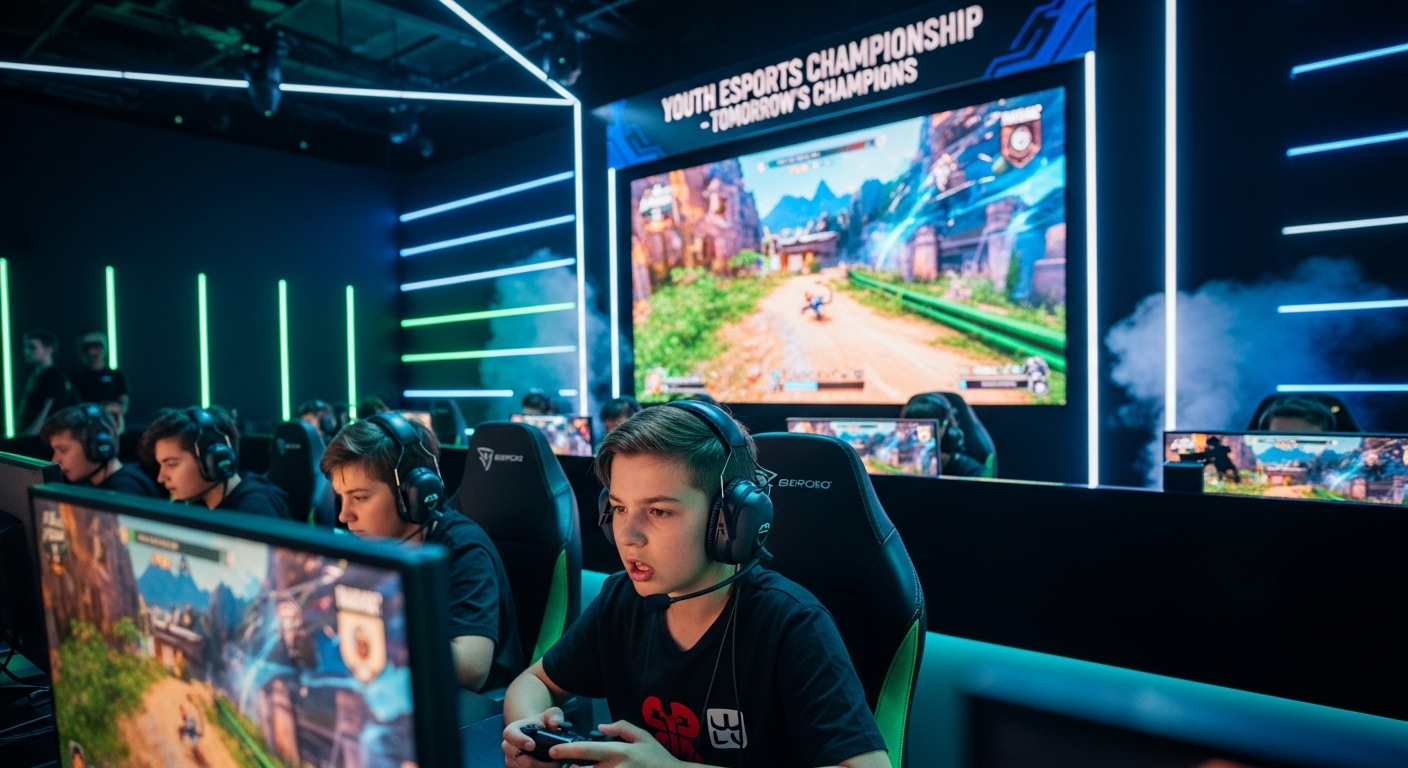
Esports is increasingly finding a place in educational institutions. Schools and universities have developed esports programs, offering structured training, competitive opportunities, and scholarships. These programs teach valuable skills such as strategic thinking, communication, and problem-solving, which are transferable to careers beyond gaming.
Educational institutions also benefit from the growing popularity of esports by attracting students interested in digital media, game design, and technology. Esports competitions in schools foster community engagement, student involvement, and a sense of belonging among participants. This integration of esports into education highlights its potential as both a learning tool and a professional pathway.
The Future of Esports
The future of esports looks incredibly promising. With advancements in virtual reality, augmented reality, and cloud gaming, the way players compete and fans experience esports is set to transform. Imagine virtual stadiums where fans can attend matches in immersive 3D environments or AI-driven analytics that enhance both player performance and viewer engagement.
Global expansion is another key trend. Countries across Asia, Europe, and the Americas are investing in esports infrastructure, hosting international tournaments, and nurturing local talent. As the industry continues to professionalize, we may see esports becoming a standard part of mainstream entertainment, akin to traditional sports leagues with global fan bases and celebrity athletes.
Conclusion
Esports has come a long way from its humble beginnings in arcade halls and basements. It has evolved into a multifaceted global industry, shaping culture, entertainment, and careers. While challenges such as sustainability, regulation, and player welfare remain, the opportunities for growth and innovation are immense.
As technology continues to advance and gaming culture becomes increasingly mainstream, esports will likely continue its upward trajectory. Its influence is felt not only in entertainment but also in education, technology, and global cultural exchange. For players, fans, and industry professionals alike, esports represents a dynamic and evolving world where passion, skill, and community converge, making it one of the most exciting developments of the 21st century.