Introduction: Esports as a Global Phenomenon
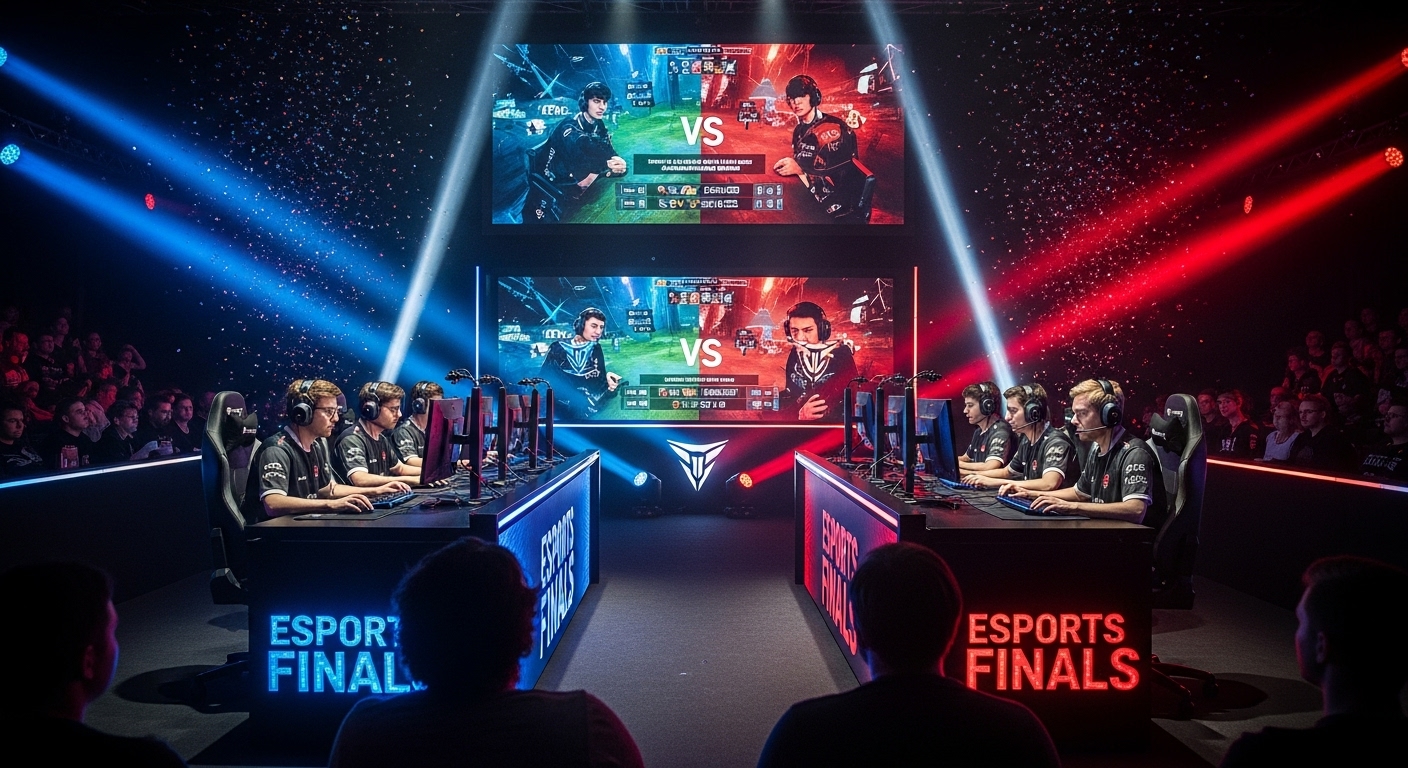
Esports, or competitive video gaming, has evolved from a niche hobby into a billion-dollar industry that captivates millions worldwide. What once was considered a pastime for a small group of enthusiasts has now grown into a global phenomenon with professional leagues, massive tournaments, and international fan bases. Esports is not just about entertainment; it represents skill, strategy, teamwork, and dedication at the highest level. This blog explores the rise of esports, its cultural significance, technological advancements, economic impact, challenges, and the future of this dynamic industry.
The Origins of Esports: From LAN Parties to Online Competitions
The roots of esports can be traced back to the late 20th century when gamers organized local competitions and LAN (Local Area Network) parties. Early tournaments for games like Street Fighter, Quake, and StarCraft attracted passionate players eager to showcase their skills. These events laid the foundation for competitive gaming, emphasizing skill, strategy, and community engagement.
With the advent of the internet, online competitions became possible, allowing players from different regions to compete in real-time. This connectivity transformed esports into a global phenomenon. Early online tournaments created international communities and set the stage for modern professional leagues, where players could pursue careers in competitive gaming.
The Evolution of Esports: Professionalization and Mainstream Acceptance
Esports has undergone significant evolution over the past two decades. Initially, competitive gaming was viewed as a hobby or subculture. Today, it is recognized as a legitimate profession, with professional players, coaches, analysts, and support staff working full-time in the industry.
Major esports leagues and tournaments, such as the League of Legends World Championship, Dota 2’s The International, and the Overwatch League, have professionalized the sport. These events attract millions of viewers, offer substantial prize pools, and provide sponsorship and endorsement opportunities. The mainstream acceptance of esports is also evident in media coverage, corporate investment, and the inclusion of esports in multi-sport events, reflecting its growing cultural significance.
Popular Esports Games and Genres
Esports encompasses a variety of games and genres, each with its unique competitive scene. Multiplayer Online Battle Arenas (MOBAs) like League of Legends and Dota 2 are among the most popular, requiring strategic thinking, teamwork, and precise execution. First-Person Shooters (FPS) such as Counter-Strike: Global Offensive and Call of Duty focus on reflexes, accuracy, and tactical coordination.
Other genres include real-time strategy games like StarCraft II, fighting games such as Street Fighter and Super Smash Bros, and sports simulations like FIFA and NBA 2K. Each genre attracts dedicated communities, with players and fans honing their skills, analyzing strategies, and participating in tournaments at local, regional, and international levels.
The Role of Technology in Esports
Technology is central to the growth and accessibility of esports. High-speed internet, powerful gaming hardware, and streaming platforms allow players to compete at the highest level and reach global audiences. Advanced gaming peripherals, including specialized keyboards, mice, and controllers, enhance precision and performance, providing professional players with a competitive edge.
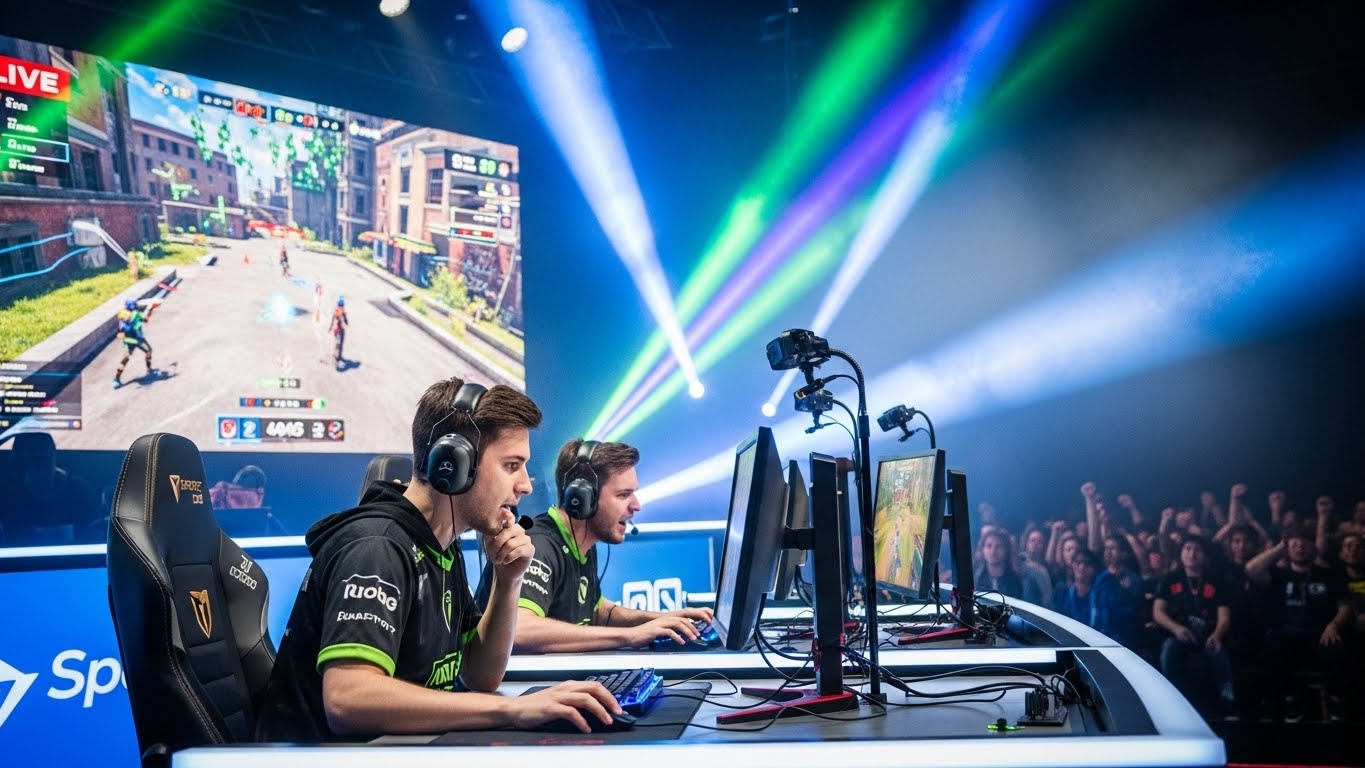
Streaming technology has also transformed esports into a spectator sport. Platforms allow fans to watch live matches, interact with players, and analyze gameplay. Virtual overlays, real-time statistics, and interactive features create immersive viewing experiences, attracting audiences comparable to traditional sports. Technology ensures that esports remains both accessible and engaging for players and fans alike.
The Economic Impact of Esports
Esports has grown into a multi-billion-dollar industry, generating revenue from sponsorships, advertising, media rights, merchandise, and ticket sales. Corporations invest heavily in teams, tournaments, and events to reach younger, digitally engaged audiences. Professional players often earn substantial salaries, prize money, and sponsorship deals, creating new career pathways within the gaming industry.
In addition to professional leagues, grassroots tournaments, streaming platforms, and content creation contribute to the ecosystem. The economic impact extends beyond the industry itself, influencing marketing strategies, media consumption habits, and technological innovation. Esports has emerged as a significant contributor to both entertainment and digital economies.
Social and Cultural Significance of Esports
Esports fosters community, collaboration, and shared experiences. Online platforms allow players to form teams, join fan communities, and participate in tournaments, creating social bonds and networks. Fans engage through live chats, forums, and social media, contributing to a vibrant cultural ecosystem surrounding esports.
Esports also challenges traditional notions of sports and competition. It emphasizes strategy, communication, and cognitive skill as much as physical prowess. The global appeal of esports promotes cultural exchange, diversity, and inclusion, with players and fans from different countries, backgrounds, and genders coming together through shared passion for games.
Challenges in the Esports Industry
Despite its rapid growth, esports faces several challenges. Player burnout and mental health concerns are significant issues due to intense training schedules, travel, and performance pressure. Ethical challenges, including cheating, match-fixing, and harassment, require vigilant regulation and community engagement.
Gender disparity remains a concern, as women are underrepresented in professional esports. Promoting inclusivity, diversity, and equal opportunities is crucial for the long-term growth and credibility of the industry. Additionally, balancing commercialization with competitive integrity is a continuous challenge, ensuring that the focus remains on skill and sportsmanship.
The Future of Esports
The future of esports is full of potential and innovation. Emerging technologies like virtual reality (VR) and augmented reality (AR) may create new types of immersive competitive experiences. Artificial intelligence and analytics will further enhance training, strategy, and audience engagement.
Educational institutions are beginning to recognize esports, offering scholarships, academic programs, and research opportunities related to competitive gaming. As esports becomes more integrated into mainstream culture, its influence on entertainment, media, and education will continue to expand.
Furthermore, the rise of mobile esports and global tournaments in developing regions will democratize access, allowing more players to participate professionally and reach international audiences. Esports is evolving into a multifaceted industry with long-term growth potential, shaping how we understand competition, teamwork, and digital entertainment.
Conclusion: Esports as a Cultural and Competitive Force
Esports has transformed from a niche hobby into a global cultural and competitive phenomenon. It combines skill, strategy, technology, and community, creating experiences that rival traditional sports in engagement and excitement. Esports entertains, inspires, and provides economic and social opportunities for players, fans, and creators worldwide.
As technology advances and global audiences continue to grow, esports is poised to become an integral part of modern culture. Whether as a player, fan, or observer, engagement with esports offers lessons in dedication, teamwork, and resilience. Beyond the screen, esports is shaping the future of competition, entertainment, and human connection, proving that gaming is more than just a pastime—it is a way of life.