
Understanding Esports: More Than Just Video Games
Esports, short for electronic sports, is the competitive side of video gaming where players or teams compete in organized tournaments. Unlike casual gaming, esports involves strategy, teamwork, quick reflexes, and intense practice. It has grown from informal matches among friends to an industry attracting millions of viewers and generating significant revenue worldwide.
Origins and Growth of Competitive Gaming
The journey of esports began decades ago with arcade competitions and early computer games. As technology improved, online multiplayer games created a platform for wider competition. Titles like StarCraft and Counter-Strike laid the foundation for competitive gaming communities, while modern games like League of Legends and Fortnite have pushed esports into mainstream entertainment.
The Life of a Professional Esports Player
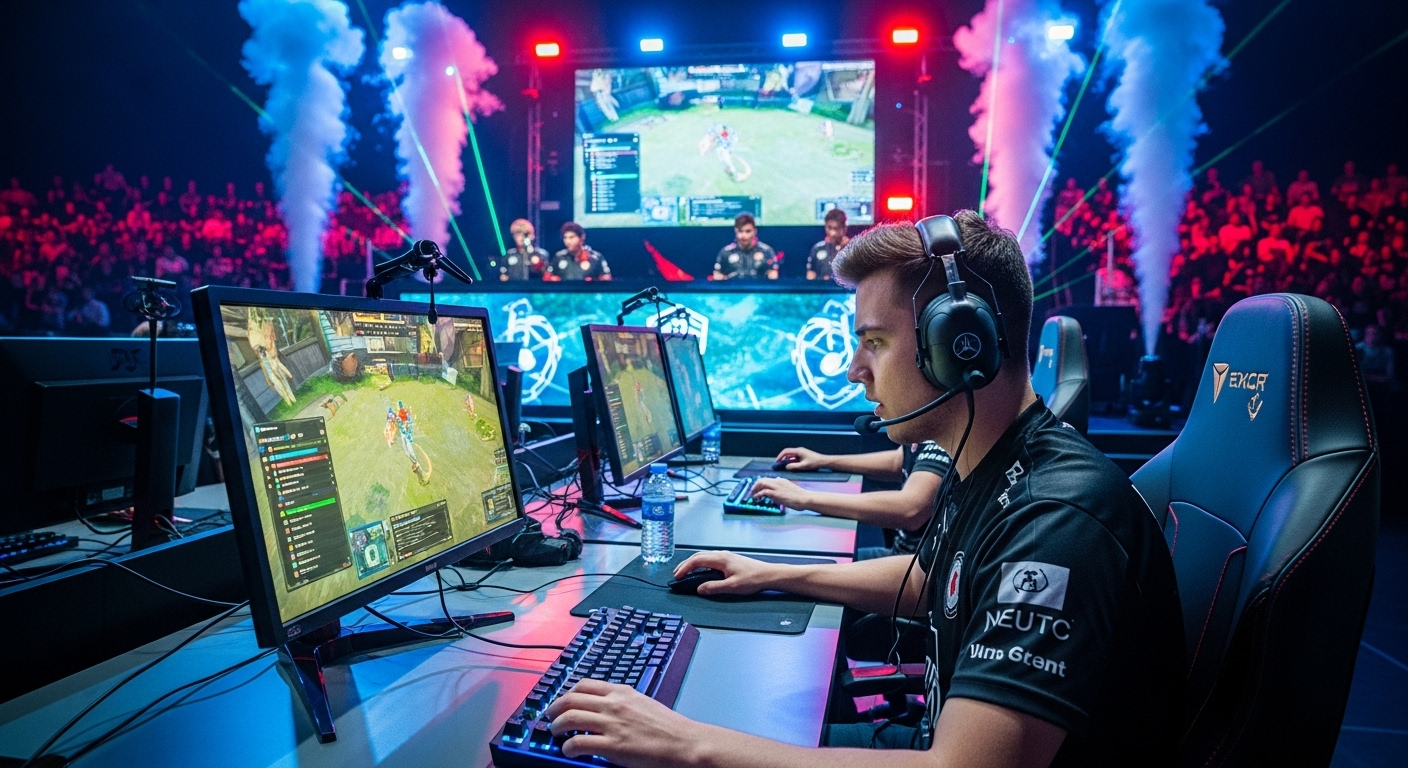
Professional esports athletes train rigorously, sometimes practicing for eight or more hours a day. Their routine includes not only gameplay but also physical fitness, mental conditioning, and team strategy sessions. Many players sign contracts with teams, receive salaries, and participate in global tournaments. The dedication and skill required rival those of traditional sports athletes.
The Economic Impact of Esports
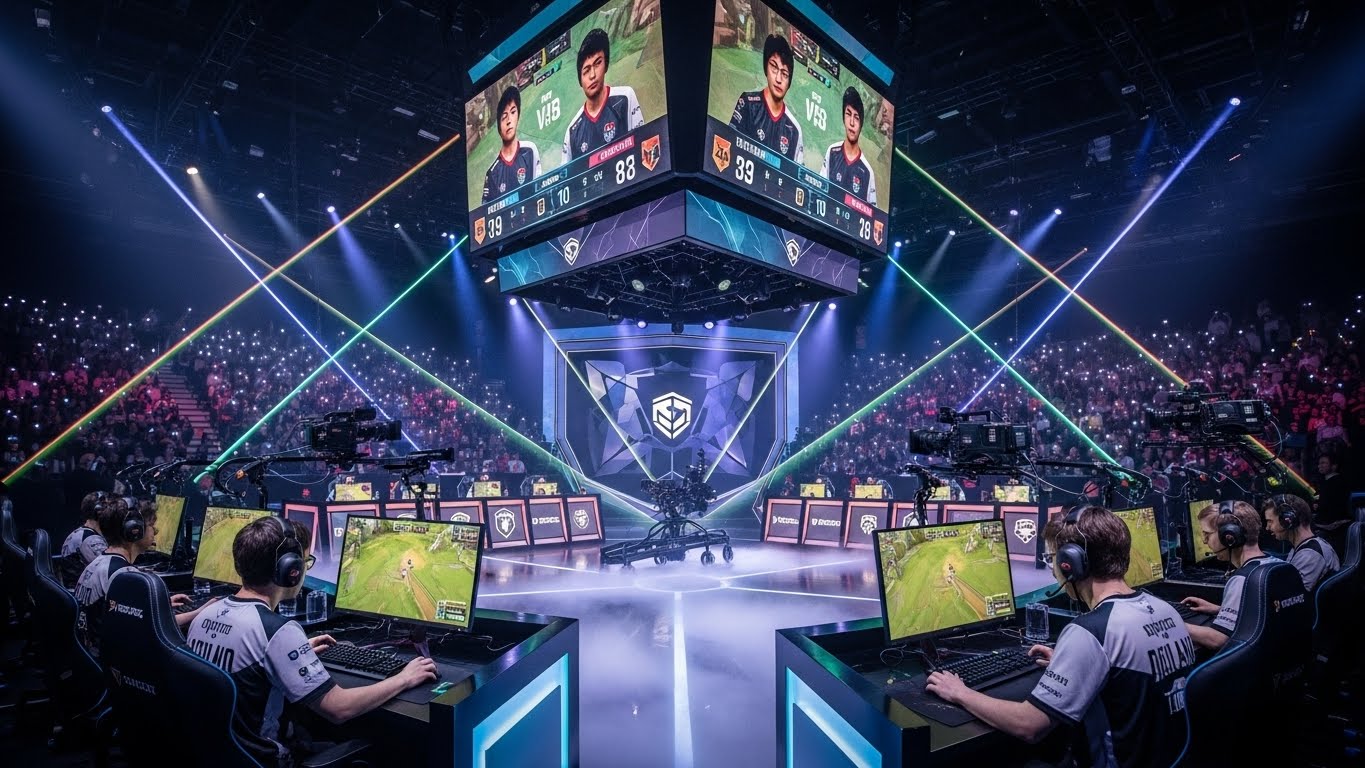
Esports is a booming business with revenue streams from sponsorships, advertising, merchandising, ticket sales, and broadcasting rights. Major events fill large arenas and attract online audiences comparable to traditional sporting events. Prize money for tournaments can reach millions, motivating players and teams to compete at the highest levels.
Esports in Education and Society
Schools and universities are recognizing esports as a legitimate field. Some offer scholarships to talented players and host varsity esports teams. Beyond competition, esports encourages skills such as problem-solving, communication, and leadership. It also fosters diverse communities, connecting people globally through shared interests.
Challenges Facing the Esports Industry
Despite its growth, esports faces challenges like player burnout, regulatory concerns, and online toxicity. Maintaining fair play and managing mental health are ongoing priorities. Additionally, the industry works to improve inclusivity and ensure long-term sustainability as it continues to evolve.
The Future of Esports: Innovations and Opportunities
Emerging technologies like virtual reality and artificial intelligence promise to change the landscape of esports dramatically. These innovations will create new types of games and experiences, potentially expanding the audience further. As esports continues to grow, it is shaping the future of entertainment, competition, and digital culture.
Conclusion: Esports as a Cultural and Competitive Force
Esports has moved far beyond a simple hobby to become a significant part of modern culture. It combines technology, competition, and community in unique ways. As millions worldwide tune in and participate, esports continues to redefine what it means to be an athlete in the digital age.