Introduction: The Boom of Esports
In the past decade, esports has evolved from a niche hobby into a global entertainment juggernaut, captivating millions of fans worldwide. What started as small online competitions and local gaming tournaments has transformed into a multi-billion-dollar industry, attracting attention from traditional sports leagues, broadcasters, and investors. Today, esports is more than just gaming; it’s a thriving ecosystem that blends technology, strategy, and fan engagement in ways that traditional sports cannot replicate.
In this blog post, we’ll explore the explosive growth of esports, the factors driving its success, and what the future holds for this dynamic and rapidly evolving industry. Whether you’re a seasoned esports fan or new to the world of competitive gaming, it’s clear that this digital phenomenon is here to stay.
What is Esports?
Esports, short for electronic sports, refers to organized, multiplayer video game competitions, often between professional players, teams, or organizations. While it includes various game genres, esports is most commonly associated with real-time strategy games (e.g., StarCraft), first-person shooters (e.g., Counter-Strike, Call of Duty), multiplayer online battle arena games (e.g., League of Legends, Dota 2), and battle royale games (e.g., Fortnite, PUBG).
Unlike casual gaming, esports involves serious, competitive play with players dedicating hours of practice and strategizing to outperform their opponents. Players compete in global tournaments with prize pools reaching millions of dollars, while fans cheer on their favorite teams, watch live streams, and engage in online discussions. The competitive nature of esports, combined with the incredible skill on display, makes it one of the most exciting forms of entertainment today.
The Explosive Growth of Esports
Esports didn’t just happen overnight; its rise is a result of several key factors. The first major driver has been the growth of gaming itself. As gaming technology improved, so did the quality of online multiplayer experiences, which opened the door for competitive play. Games like StarCraft and Warcraft in the late 90s were the pioneers of online competition, but it wasn’t until League of Legends launched in 2009 that esports truly began to grow at an exponential rate.
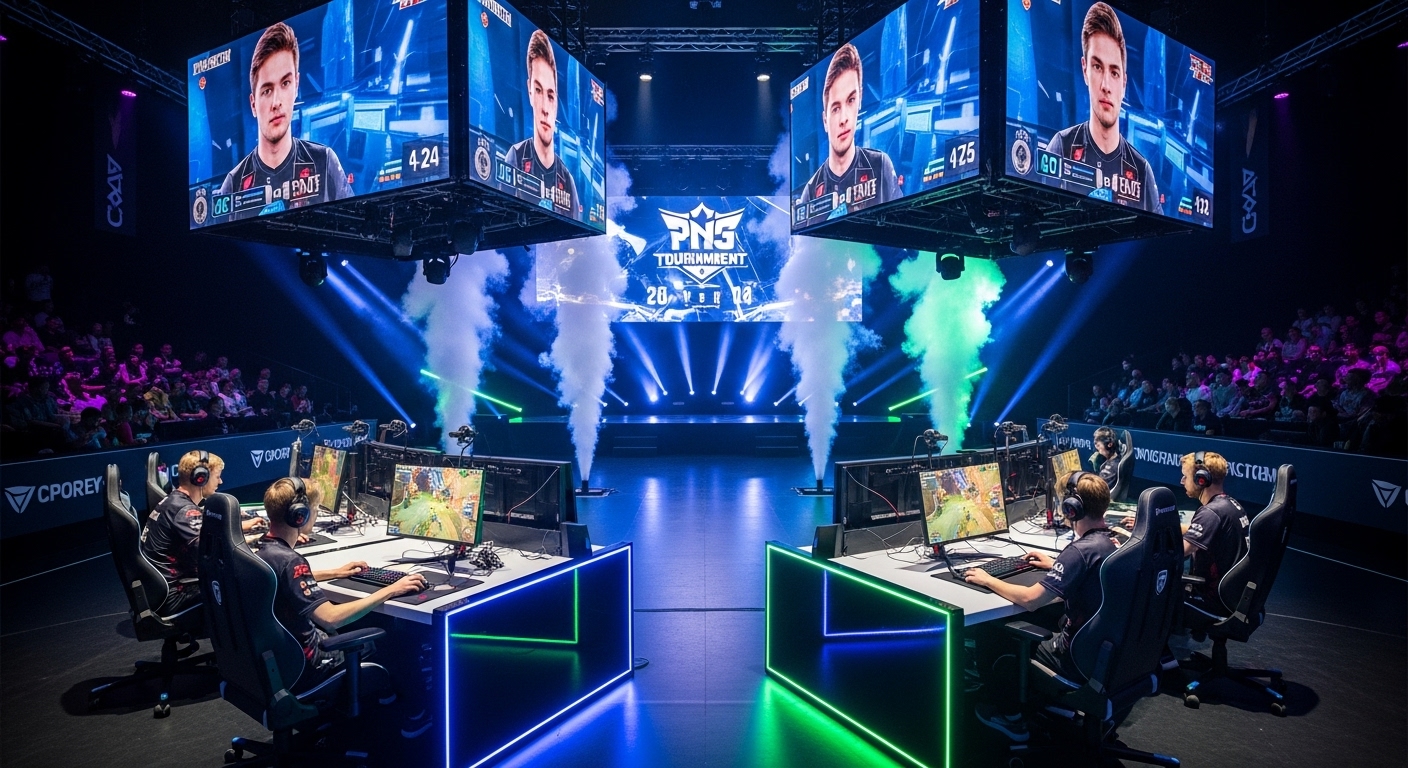
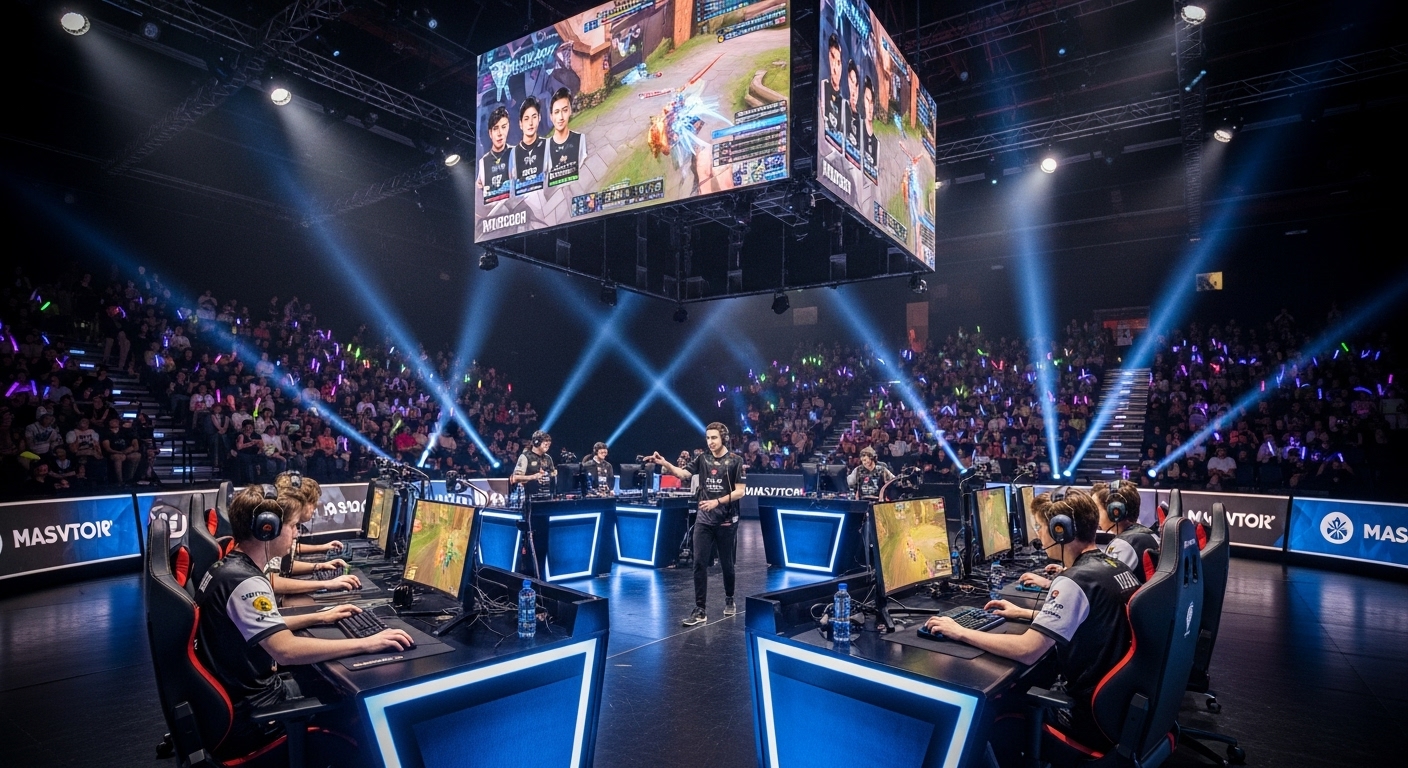
Today, esports tournaments such as The International, League of Legends World Championship, and the Fortnite World Cup attract millions of viewers and offer multi-million-dollar prize pools. These events are broadcasted across streaming platforms like Twitch and YouTube Gaming, further boosting esports’ visibility and accessibility.
Esports is not just a trend but a lasting cultural shift in entertainment. As traditional sports like football and basketball continue to dominate TV networks, esports is carving out its own space, with events broadcasted on national and international platforms. Its appeal is universal—crossing geographical and cultural boundaries, attracting both young and old fans alike.
The Role of Streaming Platforms in Shaping Esports
A significant factor in esports’ explosive growth has been the rise of live streaming platforms like Twitch, YouTube Gaming, and Facebook Gaming. These platforms have revolutionized how fans consume esports content, allowing them to watch live events, follow their favorite teams and players, and even interact with the gaming community in real-time.
Twitch, in particular, has played a crucial role in the success of esports by providing a space where gamers and streamers can build their personal brands, while also broadcasting major esports events. The social aspect of these platforms—where fans can comment, interact, and even donate to streamers—has turned esports into more than just a competition; it’s an experience.
Additionally, esports fans can enjoy access to exclusive behind-the-scenes content, player streams, and practice sessions, which further deepens their connection to the players and teams they support. In this sense, esports has evolved into a multi-dimensional ecosystem where streaming content, fan engagement, and professional competition are all intertwined.
The Business of Esports: Sponsorships, Teams, and Media Deals
Esports has quickly become a lucrative industry, drawing in significant investments from major brands, media companies, and even traditional sports teams. Global brands such as Intel, Red Bull, Coca-Cola, and Samsung have partnered with esports teams, leagues, and events, recognizing the potential of tapping into a young, digitally-native audience. These sponsorships provide vital financial support for esports events, player salaries, and team operations, ensuring that esports continues to grow.
In addition to corporate sponsorships, esports organizations have established lucrative broadcasting and media deals. Major tournaments are now regularly broadcast on television networks and streaming platforms, reaching wider audiences than ever before. The business of esports extends beyond sponsorships and media deals, with professional esports teams and players earning millions in prize money, endorsement deals, and streaming revenue.
Esports has also led to the creation of esports-specific infrastructures, such as dedicated arenas, training facilities, and coaching staff. Much like traditional sports, esports organizations now operate with full support systems to help players improve, strategize, and perform at their best.
The Global Appeal of Esports
One of the most remarkable aspects of esports is its ability to transcend borders and bring together a diverse, international audience. Unlike traditional sports, which are often regionally constrained, esports is a global phenomenon, accessible to anyone with an internet connection. Whether you’re tuning in from South Korea, Brazil, or the United States, esports tournaments offer a truly international spectacle.
Furthermore, esports isn’t just limited to one genre of game. From League of Legends to FIFA, from Counter-Strike to Dota 2, there is an esports scene for virtually every type of gamer. This wide variety of genres ensures that esports can appeal to a wide range of audiences, from competitive strategists to casual fans who enjoy fast-paced action games.
The global nature of esports has also led to the formation of international tournaments where teams from different continents compete for supremacy. This international aspect has sparked a new form of fan culture where people from diverse backgrounds can unite to cheer for their favorite teams and players.
The Future of Esports: New Technologies and Expanding Markets
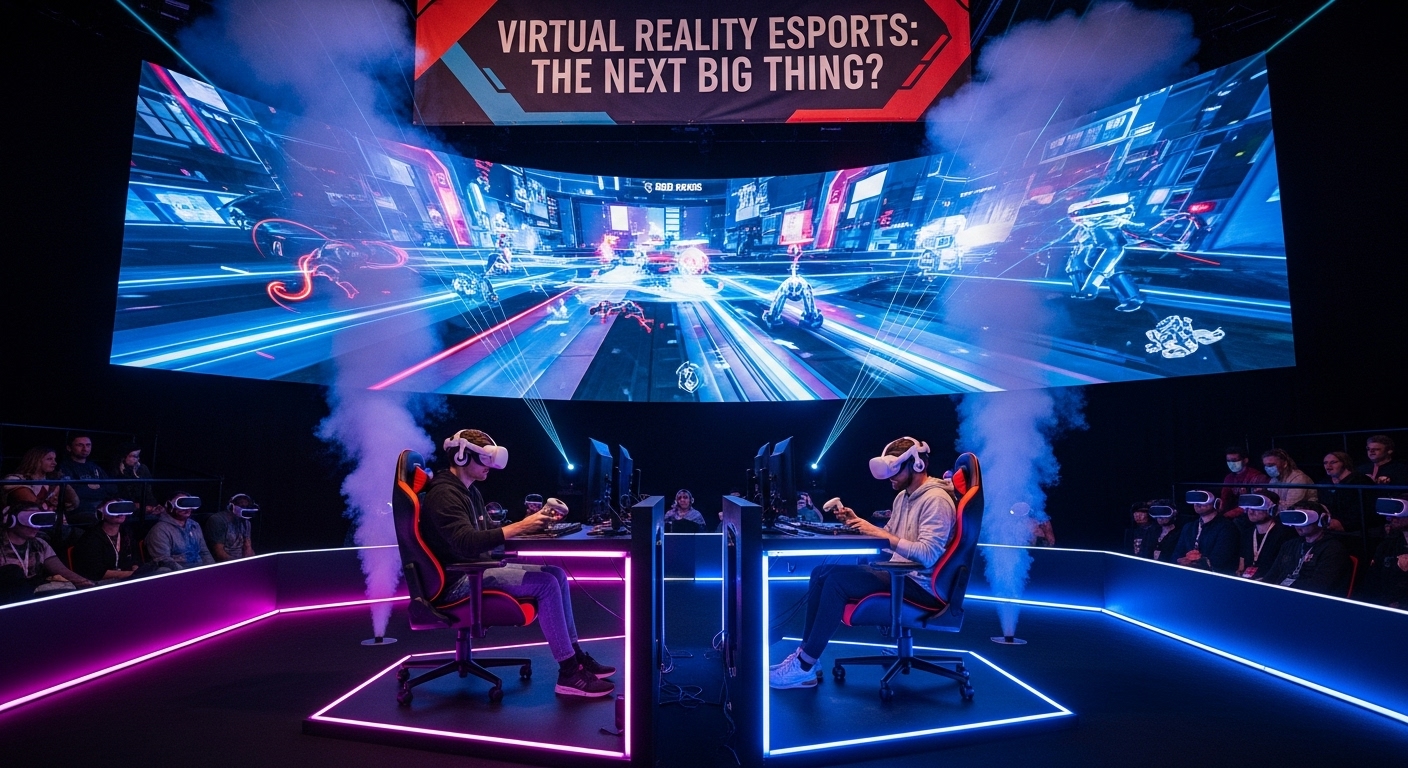
As esports continues to grow, new technologies and trends are emerging that will shape the future of the industry. One of the most exciting possibilities lies in the integration of virtual reality (VR) and augmented reality (AR) into esports competitions. VR could allow players and spectators to experience tournaments from new perspectives, while AR could add interactive elements to live events. These technologies could provide esports fans with immersive, 360-degree viewing experiences that transform how competitions are enjoyed.
Additionally, mobile gaming and esports are expected to continue growing. As mobile technology improves, games like PUBG Mobile and Arena of Valor will become even more competitive, with mobile esports tournaments gaining traction across the globe. The rise of mobile esports could bring competitive gaming to regions where console and PC gaming may not be as accessible, opening up new markets.
Another exciting development is the growing investment in esports from traditional sports teams and celebrities. High-profile names like David Beckham and Shaquille O’Neal have entered the esports scene by investing in teams, bringing their influence and knowledge from traditional sports to the digital world. As more traditional sports figures see the potential in esports, we can expect to see greater collaboration between the two industries, possibly creating hybrid events that combine the excitement of traditional sports with the unique appeal of esports.
Conclusion: Esports as the Future of Competitive Entertainment
Esports has undeniably cemented its place in the global entertainment landscape. It’s no longer just about playing video games; it’s about skill, strategy, and community. Whether you’re a professional player, a casual viewer, or a fan attending a live event, esports offers an experience like no other.
The combination of global reach, massive fan engagement, high-level competition, and corporate investment has made esports one of the most exciting industries to watch. As technology continues to evolve and new markets open up, the future of esports is incredibly bright. From new gaming genres to innovative viewing experiences, esports is poised to continue its rise and redefine the way we think about competitive entertainment in the digital age.
Esports isn’t just a passing trend—it’s a cultural shift that’s transforming how we engage with games, competition, and entertainment on a global scale. If the past decade is any indication, the best is yet to come for esports, and we’re just getting started.