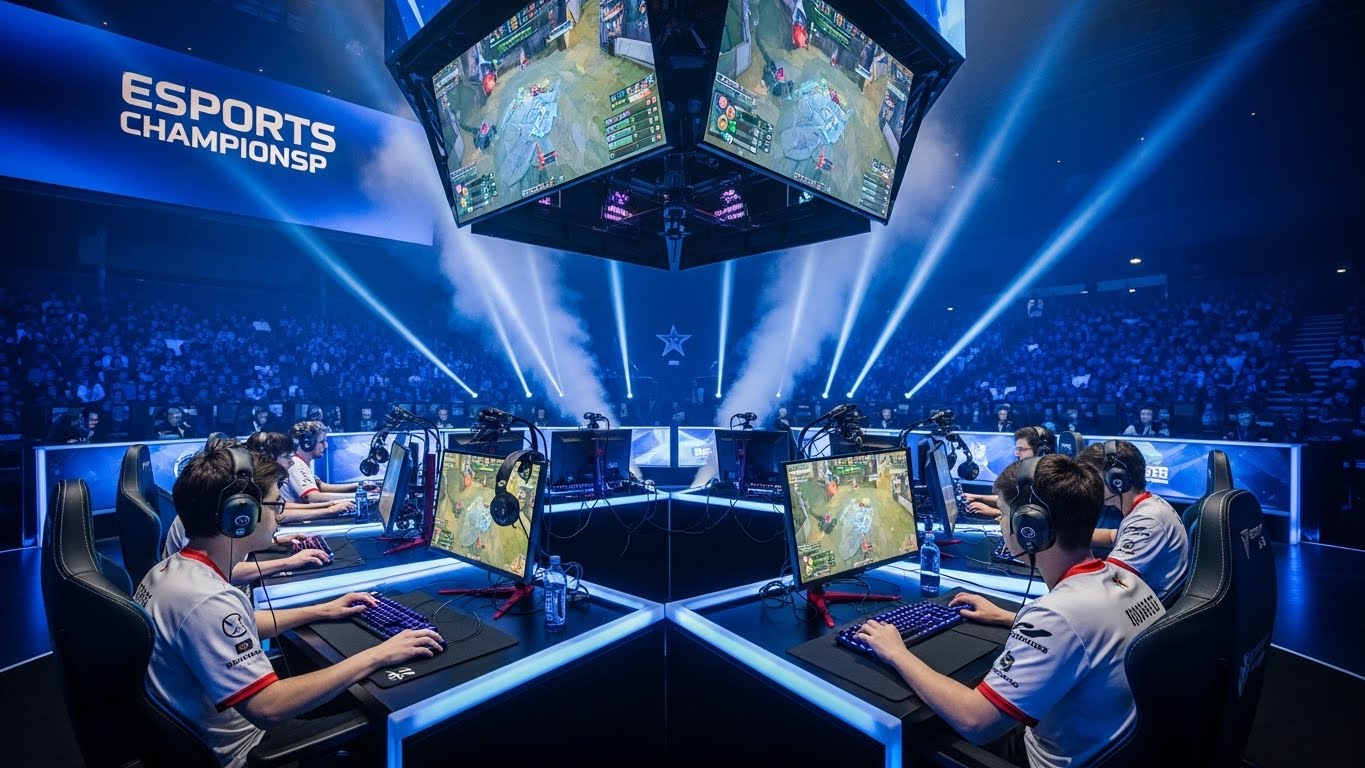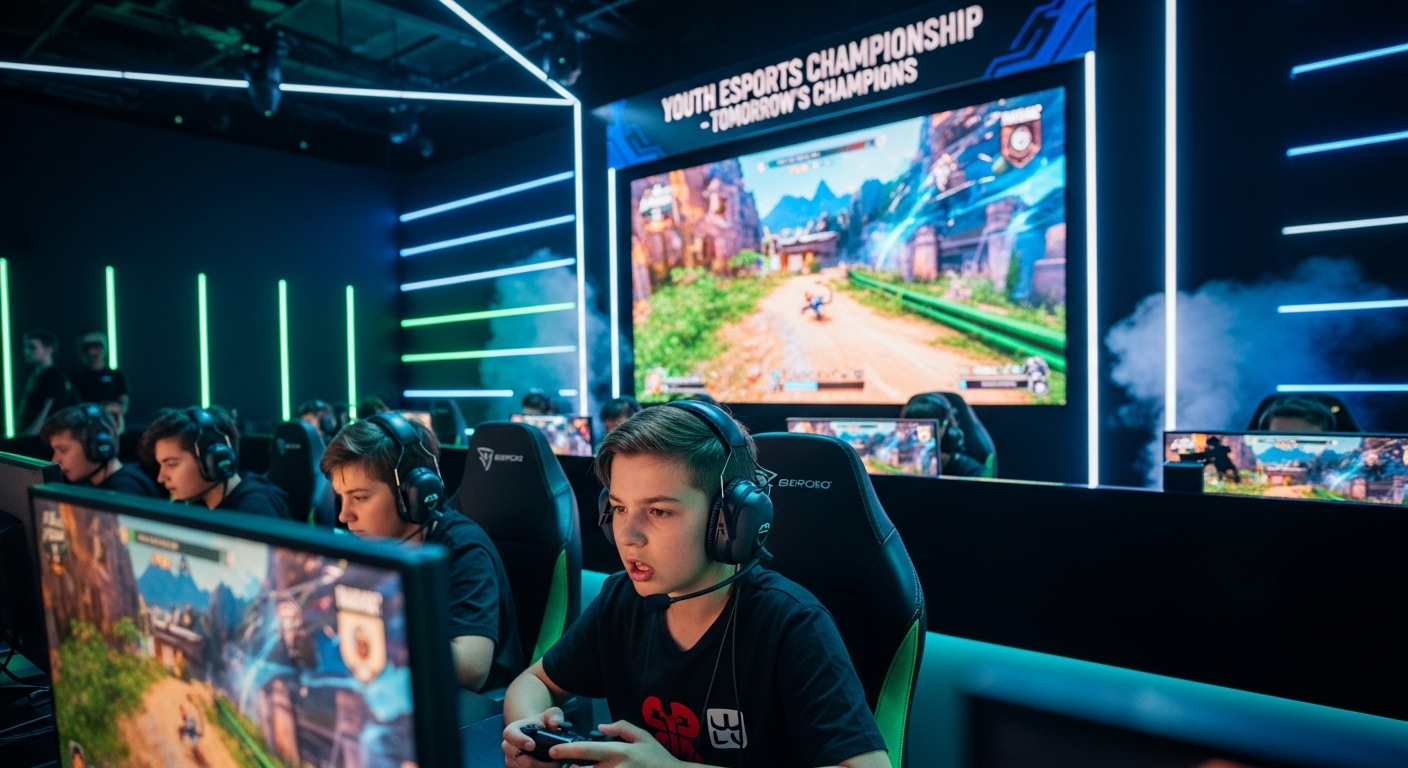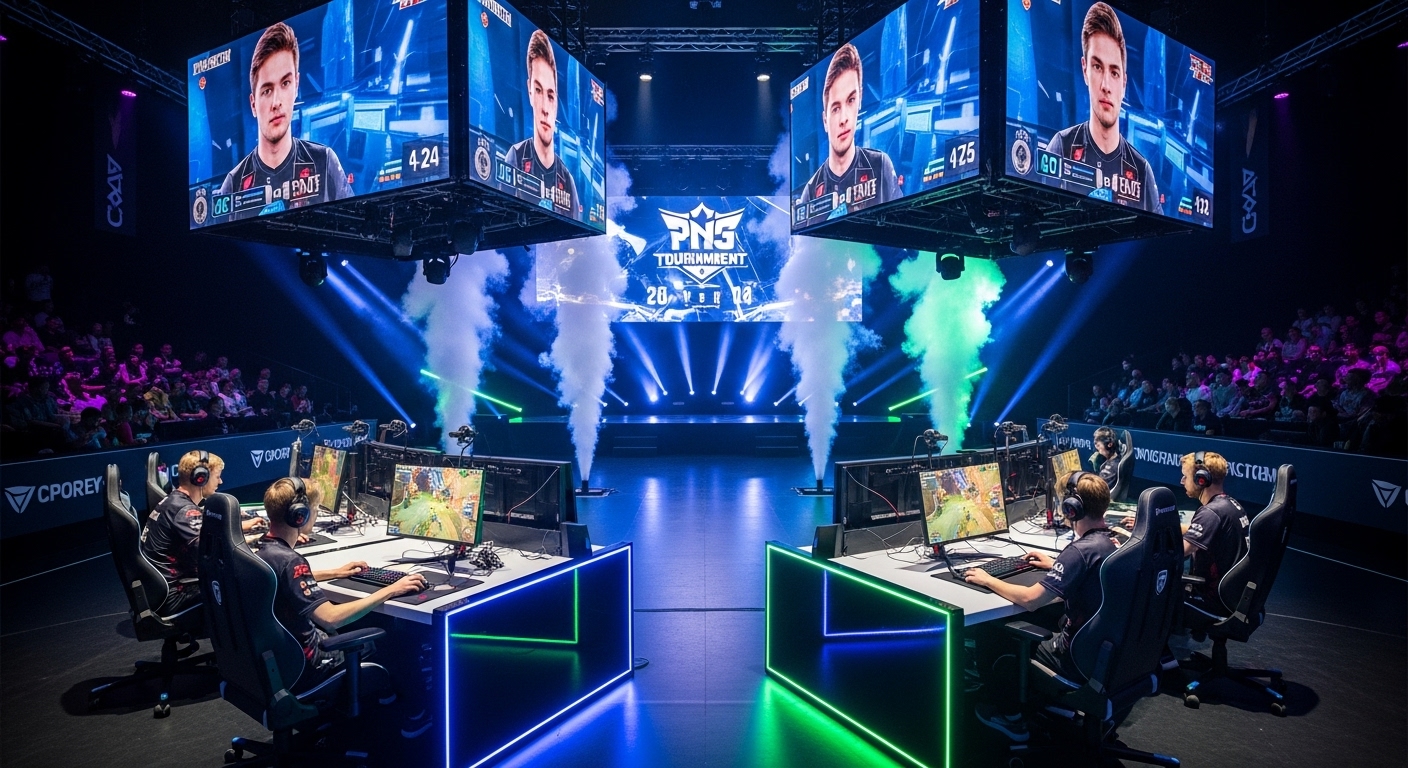

Esports, or electronic sports, has transformed from a niche hobby to a global phenomenon over the past few decades. Once considered a pastime for a small community of gamers, esports now attracts millions of viewers worldwide, has its own dedicated leagues, and is even recognized by major sporting organizations. With massive tournaments, lucrative sponsorships, and an ever-growing fan base, the esports industry is rapidly becoming one of the most influential sectors in the world of entertainment. But what exactly is esports, and how did it become the multi-billion-dollar industry it is today? This blog post will explore the evolution, impact, and future of esports, examining its rise in popularity, the major players involved, and what lies ahead for this digital revolution.
What is Esports?
At its core, esports refers to competitive video gaming. Just like traditional sports, players (or teams) compete against each other in organized tournaments or leagues, with skilled athletes (often referred to as “pro gamers”) battling it out in various video games. These games can range from real-time strategy games like StarCraft II, to first-person shooters such as Counter-Strike: Global Offensive (CS:GO), multiplayer online battle arena (MOBA) games like League of Legends, and battle royale titles like Fortnite.
Esports is not simply about playing games for fun. It is a high-stakes, competitive environment where the best players from around the world come together to compete for substantial prize pools, sponsorships, and global recognition. These tournaments are often streamed live on platforms such as Twitch, YouTube Gaming, and Facebook Gaming, attracting millions of viewers who tune in to watch their favorite teams or individuals in action.
The history of esports dates back to the early days of gaming, with arcade tournaments and local competitions in the 1980s and 1990s, but it wasn’t until the early 2000s that esports began to gain significant traction. In the past decade, however, esports has exploded into mainstream culture, with professional leagues, celebrity players, and even government recognition.
The History of Esports: From Arcades to Global Phenomenon
Esports has a long and storied history that can be traced back to the early days of video games. The first major organized competition occurred in 1972 with the Stanford University Intergalactic Video Game Tournament, which focused on the game Spacewar. However, it was not until the 1990s that the concept of esports began to truly take shape.
With the rise of arcade gaming and early home consoles like the Super Nintendo and Sega Genesis, players began to gather for local tournaments. As the internet gained prominence, online multiplayer games like Quake and StarCraft began to create the foundations for competitive gaming, with regional competitions and LAN (Local Area Network) parties becoming more common.
By the late 1990s and early 2000s, the advent of high-speed internet and the increasing accessibility of gaming PCs allowed esports to gain a global following. StarCraft: Brood War in South Korea is widely considered one of the first games to officially launch the esports scene as we know it today. South Korea became the epicenter of competitive gaming, with professional leagues, dedicated esports channels, and government support for the industry.
However, it was the release of League of Legends in 2009 that really pushed esports into the mainstream. Riot Games’ commitment to creating an accessible and competitive environment for players laid the foundation for the current esports ecosystem. The first League of Legends World Championship in 2011 saw a prize pool of $100,000, but by 2018, the prize pool had exploded to over $6 million, signaling the rapid growth of the industry.
Today, esports is not only a billion-dollar industry, but it is also being embraced by traditional sports organizations. The International Olympic Committee (IOC) has even explored the possibility of integrating esports into the Olympic Games. As the popularity of esports continues to grow, it has firmly cemented its place in the global entertainment landscape.
The Global Esports Ecosystem: Tournaments, Leagues, and Players
The esports ecosystem is vast and intricate, with many moving parts that make the industry thrive. Central to the success of esports are tournaments and leagues, where the world’s best players compete for prestige and large sums of money. These competitions are typically organized by game developers, third-party organizations, or media companies.
Some of the most popular esports tournaments and leagues include:
Major Tournaments
- The International (Dota 2): Known for having one of the largest prize pools in esports history, The International is the premier tournament for Dota 2 players. In 2021, the prize pool reached a staggering $40 million, with the winners taking home over $18 million.
- League of Legends World Championship (Worlds): Every year, the world’s top League of Legends teams compete in the World Championship, with the finals being one of the most-watched esports events globally. The prize pool for Worlds is typically over $2 million, and the event attracts millions of viewers from around the world.
- CS:GO Major Championships: The Counter-Strike: Global Offensive (CS:GO) Major Championships are some of the most prestigious esports events, where top-tier teams from around the world face off for the championship title and share of a multi-million-dollar prize pool.
- Fortnite World Cup: The Fortnite World Cup, hosted by Epic Games, is one of the newest and most exciting additions to the esports calendar. In its first year (2019), the event had a prize pool of $30 million, with the winner taking home $3 million.
Leagues and Professional Teams
In addition to tournaments, many games now feature professional leagues where teams compete in a seasonal format. These leagues offer a steady stream of competition, sponsorship deals, and television coverage, helping to further legitimize esports as a professional sport.
- League of Legends Championship Series (LCS): The LCS is the premier professional league for League of Legends in North America, featuring top-tier teams like Cloud9, Team Liquid, and TSM.
- Overwatch League (OWL): The Overwatch League is a global esports league based on Blizzard Entertainment’s game Overwatch. The league features city-based teams and offers a professional structure similar to traditional sports leagues like the NBA or NFL.
- Call of Duty League (CDL): The Call of Duty League is a professional esports league for players of the popular first-person shooter game Call of Duty. Teams like Atlanta FaZe and Dallas Empire compete for the championship in this high-stakes league.
Players: The Faces of Esports
The professional esports scene is home to many iconic players who have become celebrities in their own right. These athletes train rigorously, sometimes for upwards of 10 hours a day, to perfect their craft and achieve success in the highly competitive world of esports.
Some of the most notable players in esports history include:
- Lee “Faker” Sang-hyeok: Known as the greatest League of Legends player of all time, Faker has been the face of T1, winning multiple World Championships and cementing his legacy in the esports world.
- Johan “N0tail” Sundstein: A legend in the Dota 2 scene, N0tail is the captain of OG, the team that won The International 2018 and 2019.
- Tyler “Ninja” Blevins: While originally a Halo player, Ninja rose to mainstream fame through Fortnite streaming, becoming one of the most recognizable figures in the gaming world.
- Kenny “kennyS” Schrub: Known for his exceptional skills with the AWP (sniper rifle) in Counter-Strike: Global Offensive, kennyS has been a major force in the competitive CS:GO scene for over a decade.
Esports as a Business: Sponsorships, Streaming, and Media
The business side of esports is just as robust as the competition itself. Esports organizations, teams, and tournaments attract significant sponsorship deals from some of the world’s biggest brands. Companies like Intel, Red Bull, Coca-Cola, Twitch, and HyperX are just a few of the many companies that invest heavily in the esports industry, often sponsoring tournaments, teams, and individual players.
Streaming and Content Creation
Streaming platforms like Twitch, YouTube Gaming, and Facebook Gaming have played a pivotal role in making esports more accessible to a global audience. These platforms allow fans to watch live broadcasts of games, interact with players, and engage with the broader gaming community. Streaming has not only provided a way for fans to enjoy esports but has also created a new career path for many players, content creators, and commentators.
Top streamers, such as Ninja, Shroud, and Pokimane, have millions of followers and earn substantial income through subscriptions, sponsorships, and donations. Many of these streamers have become household names, transcending the gaming world to become pop culture icons.
Esports Media Coverage
As esports has grown, so has its media coverage. Mainstream networks like ESPN and Fox Sports now air esports events, and dedicated media outlets like ESPN Esports, The Esports Observer, and Dexerto cover the latest news, tournaments, and player profiles. Esports has become a legitimate entertainment property, attracting the attention of investors, media companies, and fans alike.
The Future of Esports: What Lies Ahead?
The future of esports is incredibly bright, with significant opportunities for growth and innovation. As technology continues to advance, esports is expected to become even more immersive, with virtual reality (VR) and augmented reality (AR) likely playing a larger role in the gaming experience. The rise of mobile esports, particularly in markets like Asia, is also expected to continue, with games like PUBG Mobile and Free Fire drawing massive audiences.
Esports may also continue to integrate more closely with traditional sports, with the possibility of esports being included in future Olympic Games or the creation of new multi-sport events that feature both traditional and electronic sports.
The industry will likely see more investment from global brands, expanding the reach of esports into new regions and demographics. As the esports ecosystem becomes more professionalized, we can also expect to see increased support for players in terms of coaching, mental health services, and career development.
Conclusion: The Growing Impact of Esports
Esports has come a long way from its humble beginnings as a hobbyist activity in basements and arcades. Today, it stands as one of the most vibrant and lucrative industries in the world of entertainment. With its massive global audience, competitive spirit, and diverse range of games, esports has solidified its place in mainstream culture.
Whether you’re a casual gamer, a dedicated fan, or someone who just enjoys watching top-tier competition, it’s clear that esports is here to stay. The industry is poised for even greater growth in the coming years, and the opportunities for players, fans, sponsors, and investors are endless. As esports continues to evolve, one thing is certain: the future of gaming is competitive, and it’s happening now.