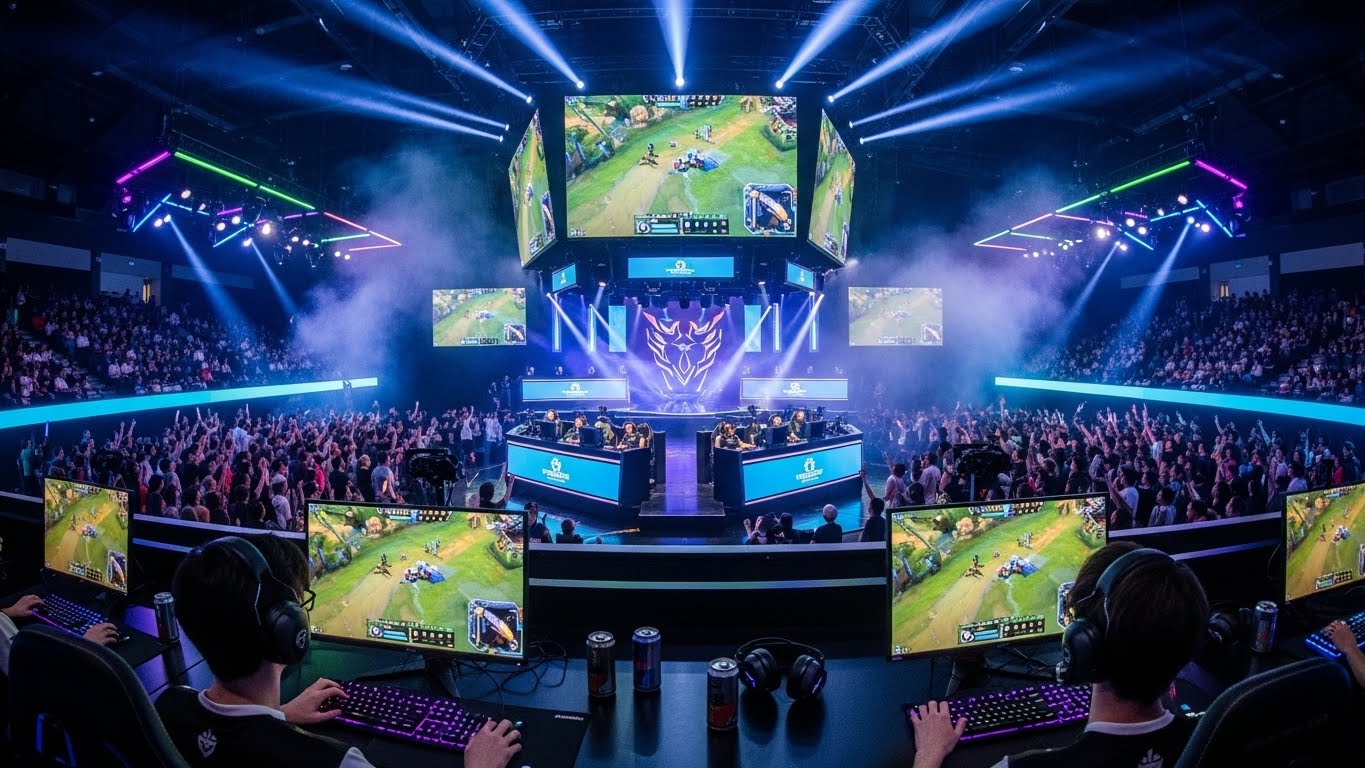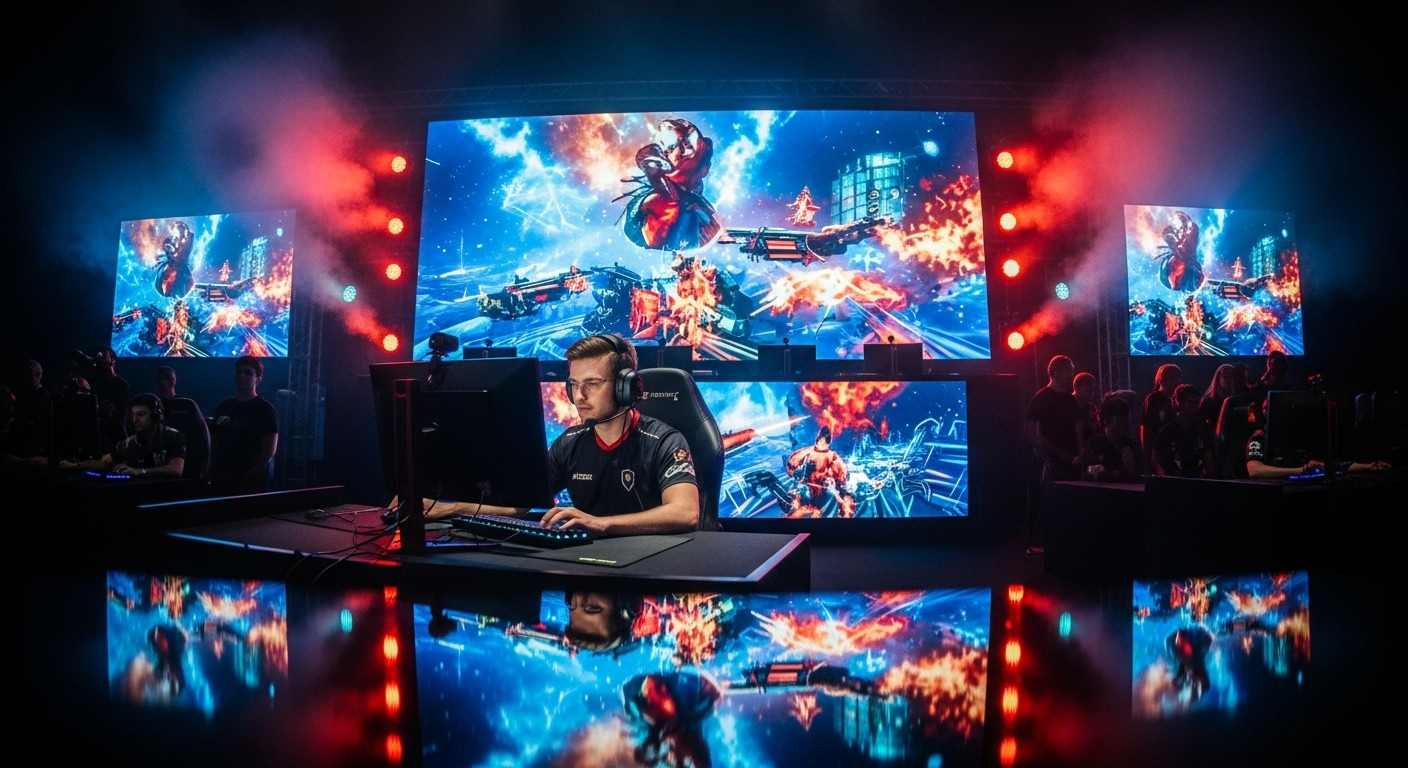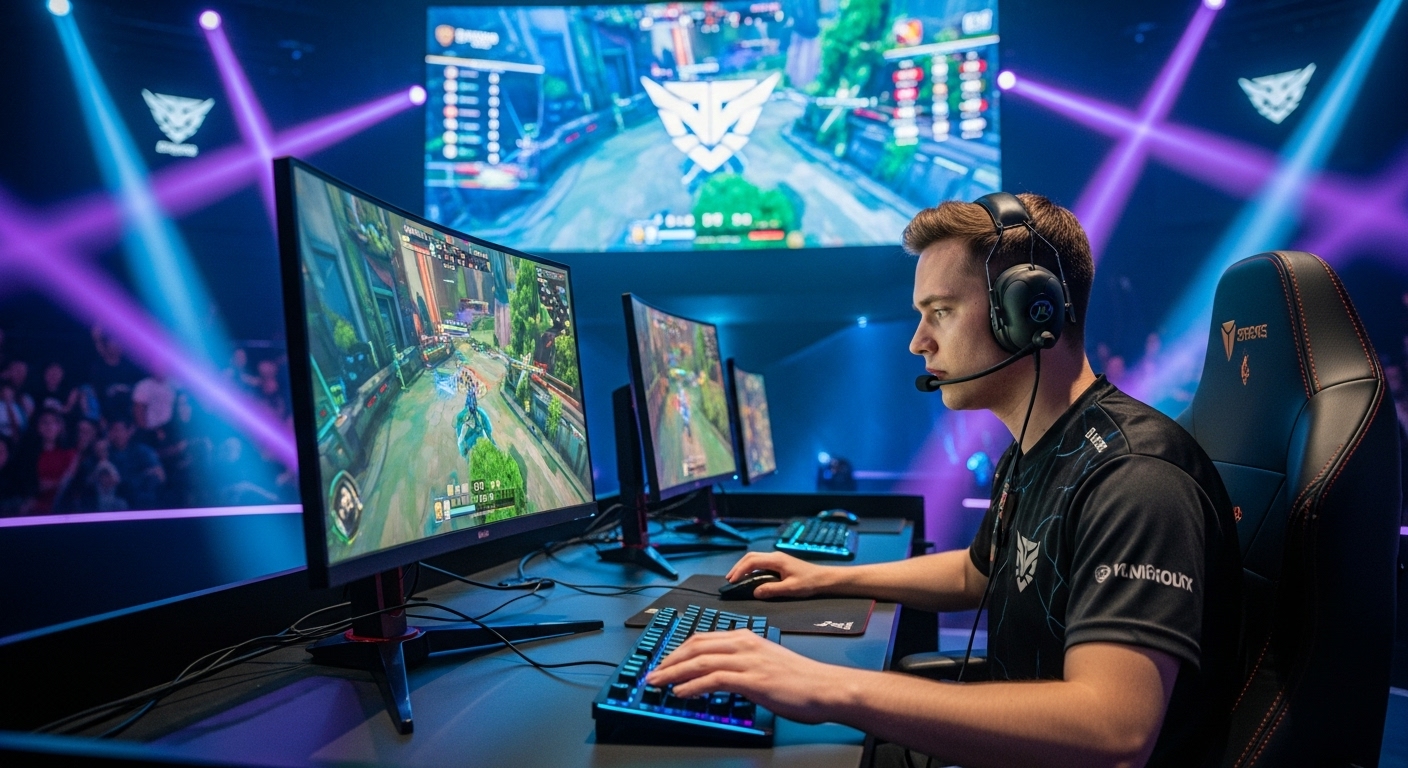
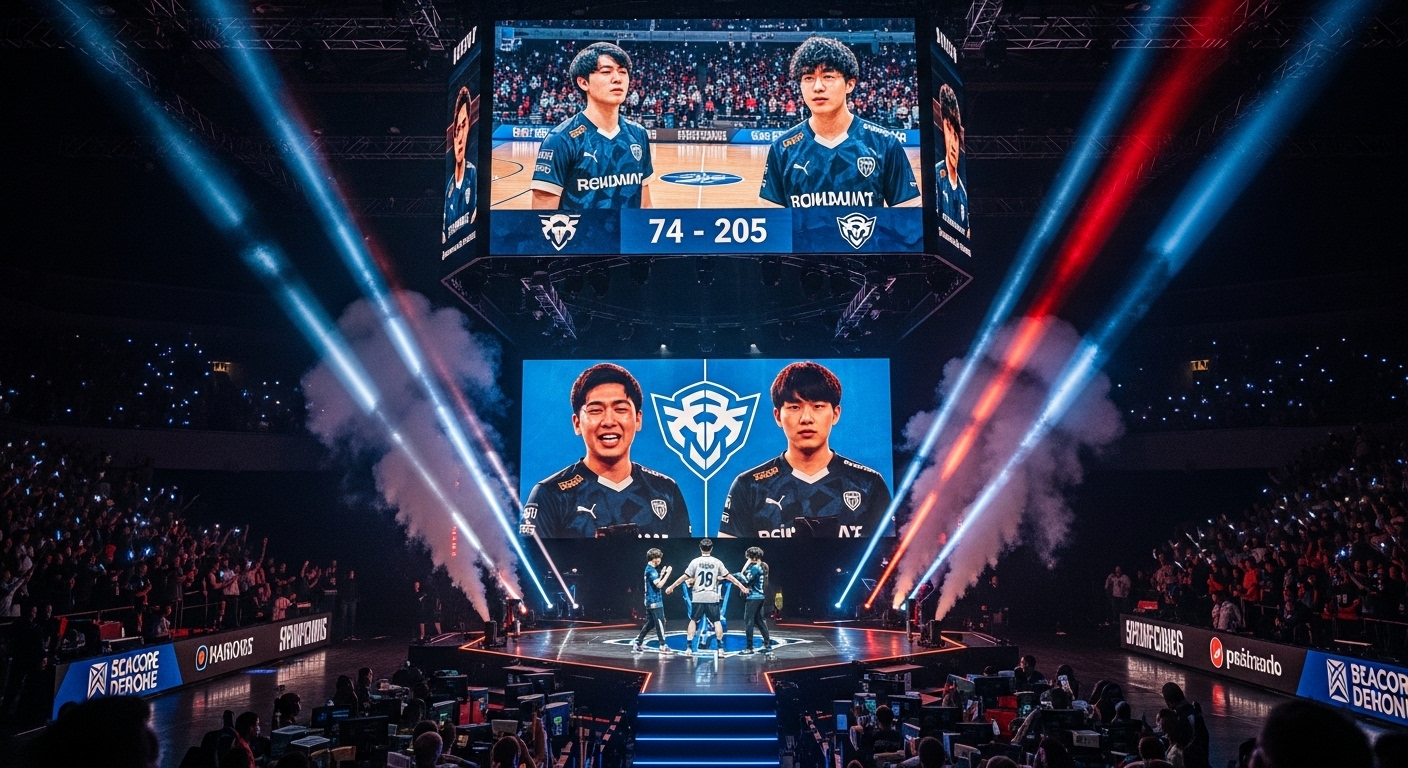
Esports has grown from a niche hobby into a global phenomenon. What was once a pastime enjoyed by a few gamers is now a billion-dollar industry, complete with professional players, large-scale tournaments, sponsorship deals, and university programs. One of the critical elements that underpins this growth and professionalization is technology—specifically, high-performance PCs. The performance and capabilities of gaming computers have a direct impact on competitive play, influencing reaction times, strategy execution, and overall performance. In this blog, we explore the importance of high-performance PCs in esports, how they affect gameplay, the components that matter most, and why professional players invest heavily in their setups.
The Evolution of Gaming PCs in Esports
In the early days of competitive gaming, players could compete using average consumer computers. Titles like StarCraft and Counter-Strike demanded strategy and skill, but hardware limitations were less critical because games were simpler and ran on less powerful machines. As games evolved in complexity, graphics, and network requirements, the need for better hardware became undeniable. Modern esports titles such as League of Legends, Valorant, and Call of Duty: Warzone demand high refresh rates, low latency, and reliable frame rates. This evolution has made high-performance PCs a necessity rather than a luxury for competitive players.
High-performance PCs today are not just about raw power. They are designed for stability, speed, and efficiency. Gamers must execute complex maneuvers under milliseconds of pressure, and even minor hardware deficiencies can result in missed opportunities or losses. From top-tier graphics cards to ultra-fast processors, every component of a PC contributes to creating an environment where players can perform at their peak.
Why High-Performance PCs Matter in Competitive Gaming
In esports, every millisecond counts. The hardware running a game affects everything from frame rate to input response time. High-performance PCs reduce lag, increase visual clarity, and ensure that players experience smooth gameplay. This can be the difference between winning a crucial round or missing a vital shot.
- Frame Rate and Smoothness
Frame rate, measured in frames per second (FPS), is one of the most important metrics for competitive gamers. High FPS ensures smoother motion on screen, which is essential for tracking opponents and reacting quickly. A PC that struggles to maintain stable FPS can disrupt a player’s timing, making it difficult to perform consistently. - Input Lag Reduction
Input lag is the delay between pressing a key or moving a mouse and seeing the action on the screen. High-performance PCs minimize input lag, allowing players to respond instantly. In fast-paced games like first-person shooters, where split-second decisions can determine the outcome, reducing input lag is critical. - Visual Clarity and Detail
Competitive players rely on visual cues to gain an edge over opponents. High-quality graphics cards enable detailed textures, realistic lighting, and higher resolutions, making it easier to spot enemies and navigate complex environments. Enhanced visual clarity can give professional players a significant advantage. - System Reliability
Esports tournaments are high-pressure environments. Any technical failure during a game can cost a player the match. High-performance PCs are built to handle long gaming sessions without overheating or crashing. Stability is just as important as raw speed when competing at a professional level.
Key Components of High-Performance Esports PCs
To understand why these PCs matter, it is essential to examine their components and how each contributes to performance. While every component plays a role, some are more critical in esports than others.
Central Processing Unit (CPU)
The CPU, or processor, is the brain of the computer. It handles calculations, logic, and game physics. In esports, a powerful CPU ensures that games run smoothly, especially during moments of intense action. Modern competitive games often rely on multi-core CPUs, which allow parallel processing for complex game mechanics and AI interactions. Choosing a high-speed CPU with multiple cores ensures that games remain responsive even under heavy loads.
Graphics Processing Unit (GPU)
The GPU, or graphics card, handles rendering images, textures, and animations. A high-performance GPU is essential for maintaining high frame rates and visual fidelity. In esports, where fast movement and detailed visuals can provide competitive advantages, a top-tier GPU ensures that players can track opponents accurately and respond without delay. Graphics cards are particularly important for games with rich visuals or high-resolution monitors.
Random Access Memory (RAM)
RAM temporarily stores data for quick access, allowing the CPU and GPU to retrieve information without delays. In esports, sufficient RAM ensures that games load smoothly and run without hiccups, even when multiple processes are running simultaneously. Most professional setups include at least 16GB of RAM, with some players opting for 32GB to future-proof their systems.
Storage
Fast storage devices, such as solid-state drives (SSDs), are crucial for esports PCs. SSDs significantly reduce load times compared to traditional hard drives, enabling players to jump into matches faster and experience quicker map transitions. High-speed storage also improves system responsiveness overall, reducing delays that can disrupt gameplay.
Cooling Systems
High-performance components generate heat, and overheating can lead to performance drops or hardware damage. Advanced cooling solutions, including liquid cooling and high-quality fans, maintain optimal temperatures. Proper cooling ensures that PCs operate at peak efficiency during extended gaming sessions, which is essential for tournament play.
Monitors and Peripherals
While not part of the PC itself, monitors and peripherals complement high-performance hardware. High-refresh-rate monitors, low-latency mice, and mechanical keyboards allow players to utilize the full potential of their PCs. These peripherals enhance precision and responsiveness, directly impacting performance in competitive scenarios.
The Impact of High-Performance PCs on Professional Play
Professional esports players invest heavily in their equipment, and for good reason. High-performance PCs not only improve individual gameplay but also affect team dynamics and strategies. Here are some ways they impact professional play:
- Enhanced Reaction Time
Faster hardware allows players to react more quickly to in-game events. This is crucial in fast-paced games where a fraction of a second can determine the outcome of a duel. - Consistency Across Tournaments
Reliable, high-performance PCs ensure consistent performance in different venues. Professional players often travel for competitions, and having a setup they can trust reduces uncertainty and allows them to focus on gameplay. - Advanced Training Opportunities
Esports athletes use high-performance PCs to practice at maximum settings, simulating competitive conditions. This allows players to refine their skills and strategies in an environment that mirrors tournament play. - Psychological Confidence
Knowing that hardware will not fail provides players with mental stability. Confidence in equipment allows them to focus on decision-making and execution without worrying about technical issues.
High-Performance PCs and the Esports Ecosystem
High-performance PCs are not only critical for players but also for the broader esports ecosystem. Tournament organizers, streamers, and content creators rely on robust hardware to deliver seamless experiences to audiences. Live streaming, for example, requires simultaneous gaming and encoding, which demands top-tier CPUs and GPUs. High-performance PCs also enable advanced broadcasting features, including multiple camera angles, overlays, and instant replay, enhancing the entertainment value for viewers.
Additionally, the demand for high-performance PCs drives innovation in the hardware industry. Graphics card manufacturers, processor makers, and peripheral companies continually develop new technologies to meet the needs of competitive gamers. This symbiotic relationship between esports and technology ensures that the industry evolves rapidly, benefiting players and fans alike.
The Future of High-Performance PCs in Esports
As esports continues to grow, the role of high-performance PCs will only become more significant. Emerging technologies such as virtual reality (VR), artificial intelligence (AI), and cloud gaming will push hardware requirements even higher. Professional players may need specialized rigs capable of handling VR headsets, real-time analytics, and ultra-high-resolution displays simultaneously. Cloud-based esports competitions may also require robust PCs to manage streaming and processing tasks locally while maintaining competitive latency.
Moreover, the rise of artificial intelligence in coaching and performance analysis could influence PC configurations. Advanced AI tools will require processing power to provide real-time feedback, player metrics, and strategic suggestions, further emphasizing the importance of high-performance hardware.
Conclusion
High-performance PCs are the backbone of modern esports. They enable professional players to compete at the highest level by providing smooth gameplay, reduced input lag, and enhanced visual clarity. Every component, from the CPU and GPU to RAM and cooling systems, contributes to creating a competitive environment where milliseconds matter. Beyond individual performance, high-performance PCs support the broader esports ecosystem, including tournaments, streaming, and content creation.
As esports continues to evolve, the demand for cutting-edge hardware will grow, driving technological innovation and setting new standards for competitive play. For aspiring players and professionals alike, investing in a high-performance PC is not just about playing games—it is about unlocking potential, achieving consistency, and gaining a competitive edge in an industry where precision and speed define success.
High-performance PCs are more than machines; they are enablers of skill, strategy, and excellence. In the fast-paced world of esports, the right hardware is as essential as talent, practice, and teamwork. The future of competitive gaming will continue to intertwine with technological advancement, and high-performance PCs will remain at the heart of that evolution.