Esports has grown into a billion-dollar industry, and teams are no longer just groups of competitive players. They are full-fledged brands, competing not only for trophies but also for fans, sponsors, and cultural influence. Building a brand in esports is a complex process that blends gaming performance, entertainment, marketing, and community engagement.
This blog takes a deep dive into how esports teams build their brands, what strategies they use, and why branding is just as important as winning championships.
Why Branding Matters in Esports
Branding is the foundation that allows an esports team to grow beyond the competition. A strong brand creates identity, recognition, and loyalty.
For fans, a brand makes them feel connected to something larger than just the players. For sponsors, branding makes a team a valuable partner. For players, it provides stability and a sense of belonging.
Without a clear brand, even the most talented teams can struggle to build a following. That’s why organizations invest heavily in defining who they are and how they are perceived.
The Role of Identity in Esports Branding
Every successful esports team starts by defining its identity. Identity is more than just a logo or team colors. It’s the philosophy, culture, and values that the team represents.
Some organizations focus on being “the underdog,” while others highlight dominance and professionalism. Teams like these create emotional connections because fans don’t just support gameplay—they support what the team stands for.
Identity often answers key questions:
- Are we entertainers or competitors first?
- Do we want to represent fun, seriousness, or community spirit?
- How do we differentiate ourselves from dozens of other teams?
This foundation shapes all branding efforts.
Visual Branding: Logos, Colors, and Jerseys
Visual identity is the first thing fans see. Teams invest in professional designers to create logos that are recognizable and meaningful.
Colors also play a huge role. Bright, bold palettes may appeal to younger audiences, while darker tones suggest seriousness and prestige. Jerseys are often designed with sponsors in mind but still serve as fashion items for fans.
Some esports jerseys even become collectibles, just like football or basketball merchandise. This visual consistency builds brand recognition across social media, tournaments, and fan events.
Storytelling as a Branding Tool
Fans love stories. Esports teams build narratives around their journey, struggles, and victories. Storytelling creates emotional bonds and keeps fans engaged even during losing streaks.
For example, a team that positions itself as “the young squad rising against the odds” attracts supporters who love underdog stories. Another team might emphasize being “the legacy team” with years of tradition and veteran players.
Social media posts, documentaries, and live streams are tools for telling these stories. This makes the team more than just a name—it becomes an evolving saga that fans want to follow.
The Importance of Content Creation
Winning matches alone is not enough to build a brand. Content creation bridges the gap between players and fans.
Teams produce:
- YouTube videos showcasing behind-the-scenes moments.
- TikTok clips with funny highlights.
- Twitch streams where fans interact with players.
- Podcasts discussing gaming culture.
This content keeps the brand alive even outside tournament seasons. It also makes players more relatable and human, which strengthens fan loyalty.
Social Media Presence
Esports brands thrive on social media. Platforms like Twitter, Instagram, TikTok, and Discord are essential for connecting with fans.
Teams use memes, quick updates, highlight reels, and player interactions to stay relevant. Being part of online conversations ensures visibility beyond tournaments.
The tone of social media also matters. Some teams choose humor and memes, while others stick to professionalism and focus on match highlights. Both approaches work, depending on the target audience.
Building Player Personalities
Fans don’t just follow teams—they follow players. That’s why esports organizations encourage players to build personal brands that contribute to the team’s identity.
A charismatic star player can attract thousands of fans and bring mainstream attention to the team. Teams often provide media training, streaming setups, and brand guidelines to help players grow their personal presence.
When player personalities align with team values, it creates a powerful synergy.
Fan Engagement and Community Building
No brand can succeed without a loyal community. Esports teams invest heavily in fan engagement strategies.
This includes:
- Hosting meet-and-greet events.
- Running online contests and giveaways.
- Offering fan clubs or membership programs.
- Engaging directly through Discord servers.
Community-driven branding gives fans a sense of ownership. They feel like part of the journey, not just passive viewers.
Merchandise and Fashion Collaborations
Merchandise is one of the most effective branding tools. Jerseys, hoodies, caps, and mousepads allow fans to show loyalty in real life.
Many teams collaborate with fashion brands to release limited-edition drops. These collaborations blur the line between esports and streetwear, making the brand part of pop culture.
Merch not only generates revenue but also spreads awareness every time a fan wears it.
Partnerships and Sponsorships
Sponsorships are the financial backbone of esports. But they also contribute to branding.
When a team partners with a global brand, it elevates their status. Sponsors, in turn, want teams with strong fan loyalty and a clear identity.
The type of sponsor also shapes perception. A tech sponsor suggests professionalism, while a lifestyle brand suggests coolness and cultural relevance. Teams carefully choose partners that align with their brand message.
Global vs. Local Branding
Some esports teams aim to be global icons, while others focus on representing their region.
Global branding requires multilingual content, international rosters, and worldwide sponsorships. Local branding, on the other hand, emphasizes cultural roots and community pride.
Both strategies can succeed. A global brand reaches more fans, while a local brand builds stronger loyalty in a specific region.
Esports Arenas and Live Events
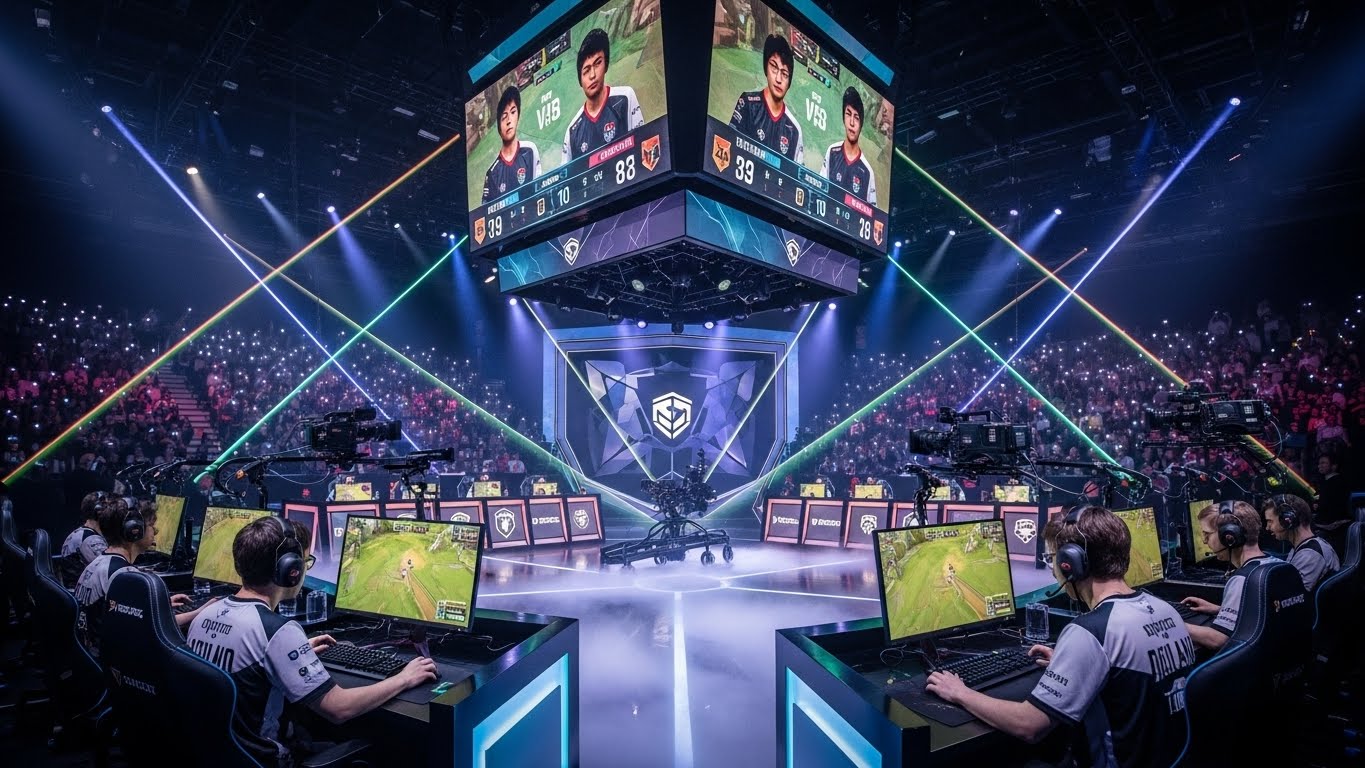
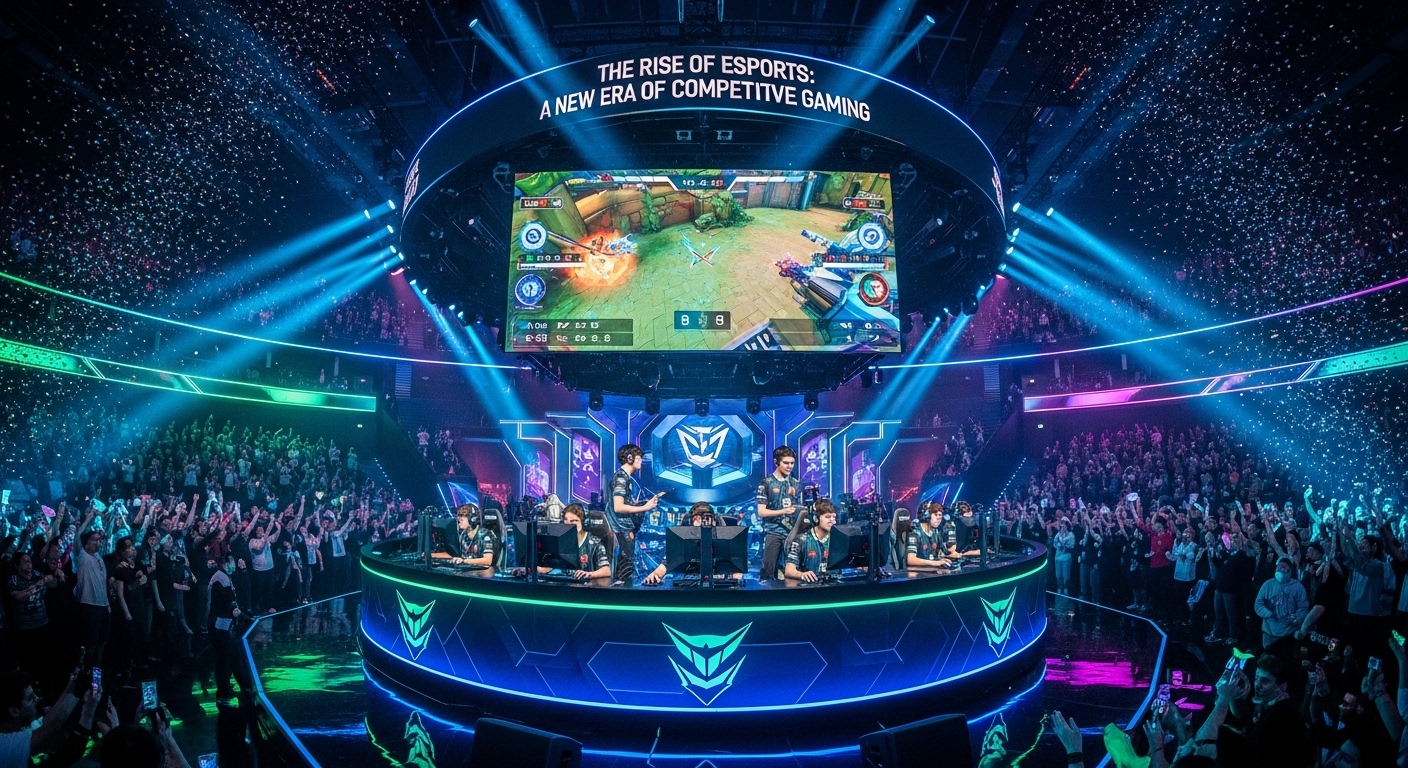
Participating in live events is a key part of brand-building. Esports teams use arenas, fan meetups, and international tournaments to showcase their identity.
Walking into a stadium filled with fans wearing team jerseys is powerful branding. The chants, signs, and atmosphere reinforce the emotional bond between the team and its supporters.
Events also create unforgettable moments that strengthen the team’s story.
Crossover into Mainstream Entertainment
The strongest esports brands don’t stay confined to gaming. They expand into music, fashion, and pop culture.
Some teams collaborate with musicians, release lifestyle products, or appear in mainstream media. This crossover allows them to reach audiences who may not follow competitive gaming but are drawn to cultural relevance.
Such expansion ensures the brand has a life beyond the competitive scene.
The Role of Esports Organizations
Behind every team, there’s an organization managing branding efforts. These organizations hire marketing experts, content creators, and brand strategists.
Branding is treated like a long-term investment. Winning tournaments provides short-term recognition, but brand identity ensures lasting relevance.
Organizations also help manage crises, rebrands, and public relations. They keep the brand consistent even as rosters change.
Challenges in Branding for Esports Teams
Building a brand in esports isn’t easy. Teams face challenges such as:
- Constant roster changes that disrupt identity.
- Maintaining relevance when not winning.
- Balancing player personalities with team values.
- Standing out in an industry full of competitors.
The fast-paced nature of gaming means strategies must adapt quickly. A team can rise to fame in a year but fade just as fast without strong branding.
Successful Branding Examples
While not focusing on specific names here, some of the world’s most recognizable esports teams built their success through branding, not just gameplay.
They invested in merchandise, created unique content, and engaged fans in creative ways. Their branding strategies allowed them to attract major sponsors and become household names in gaming culture.
Longevity Through Branding
Esports is unpredictable. A team can dominate one year and fall behind the next. Branding is what ensures survival.
A strong brand means fans will stick around even during tough times. Sponsors will continue to invest. And players will want to be associated with the organization.
This is why branding is often more important than any single tournament result.
The Future of Esports Branding
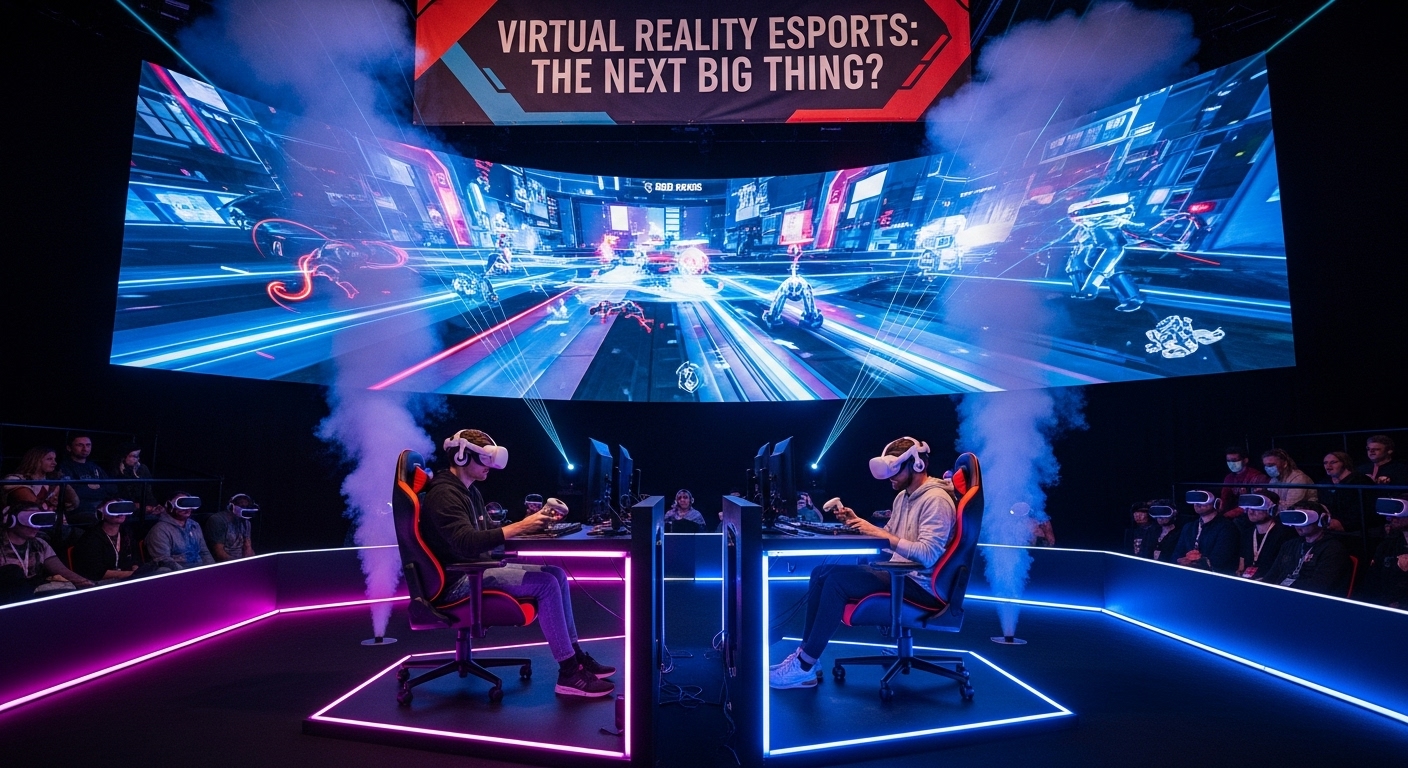
As esports continues to grow, branding will evolve. Future strategies may include:
- Virtual reality fan experiences.
- Interactive NFTs and digital collectibles.
- More collaborations with mainstream brands.
- Player-driven media empires.
Esports teams will likely become entertainment brands that extend far beyond competitive gaming.
Conclusion
Building a brand in esports is an art and science. It requires more than just winning matches. Teams must create identities, engage fans, tell stories, and expand into new areas of culture.
Branding ensures that esports organizations can thrive in the long term, becoming icons that transcend games and inspire millions of fans worldwide.