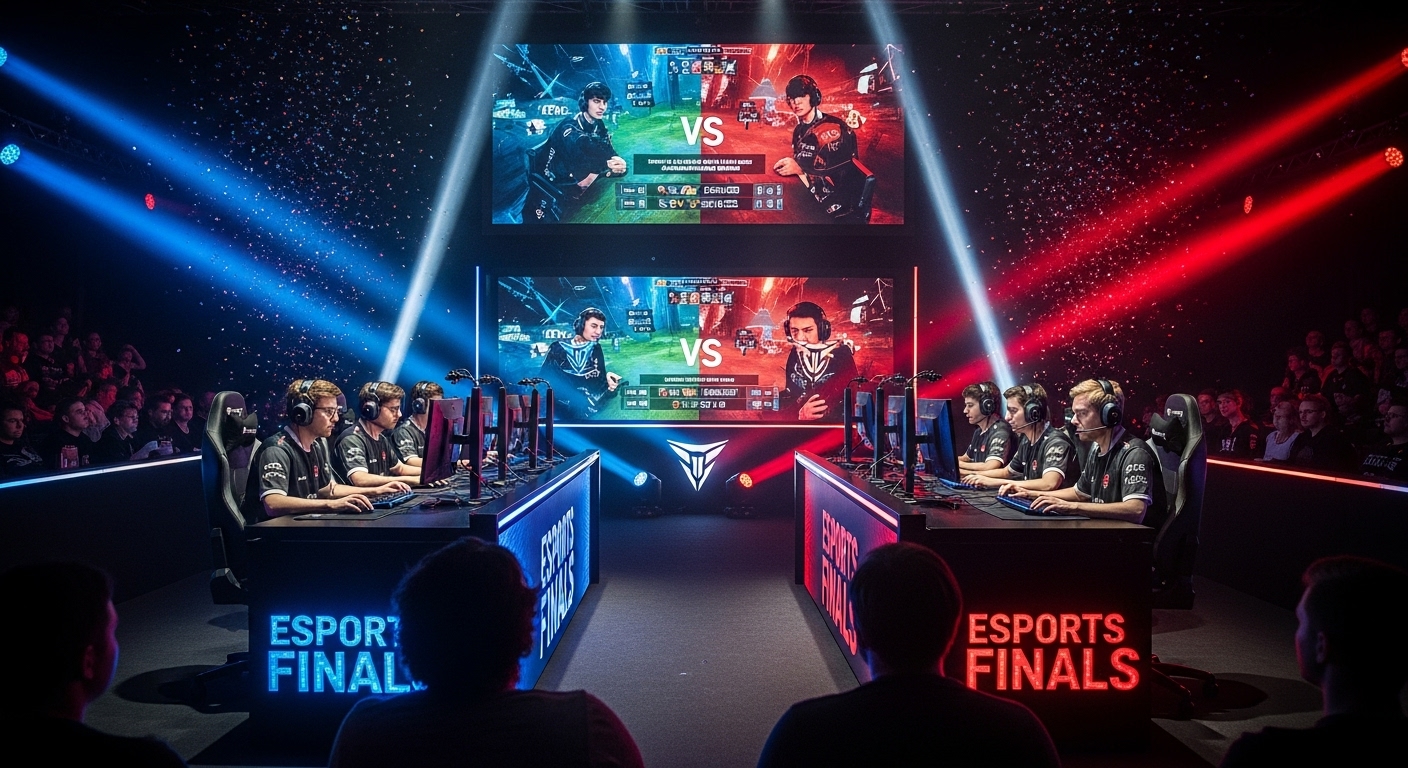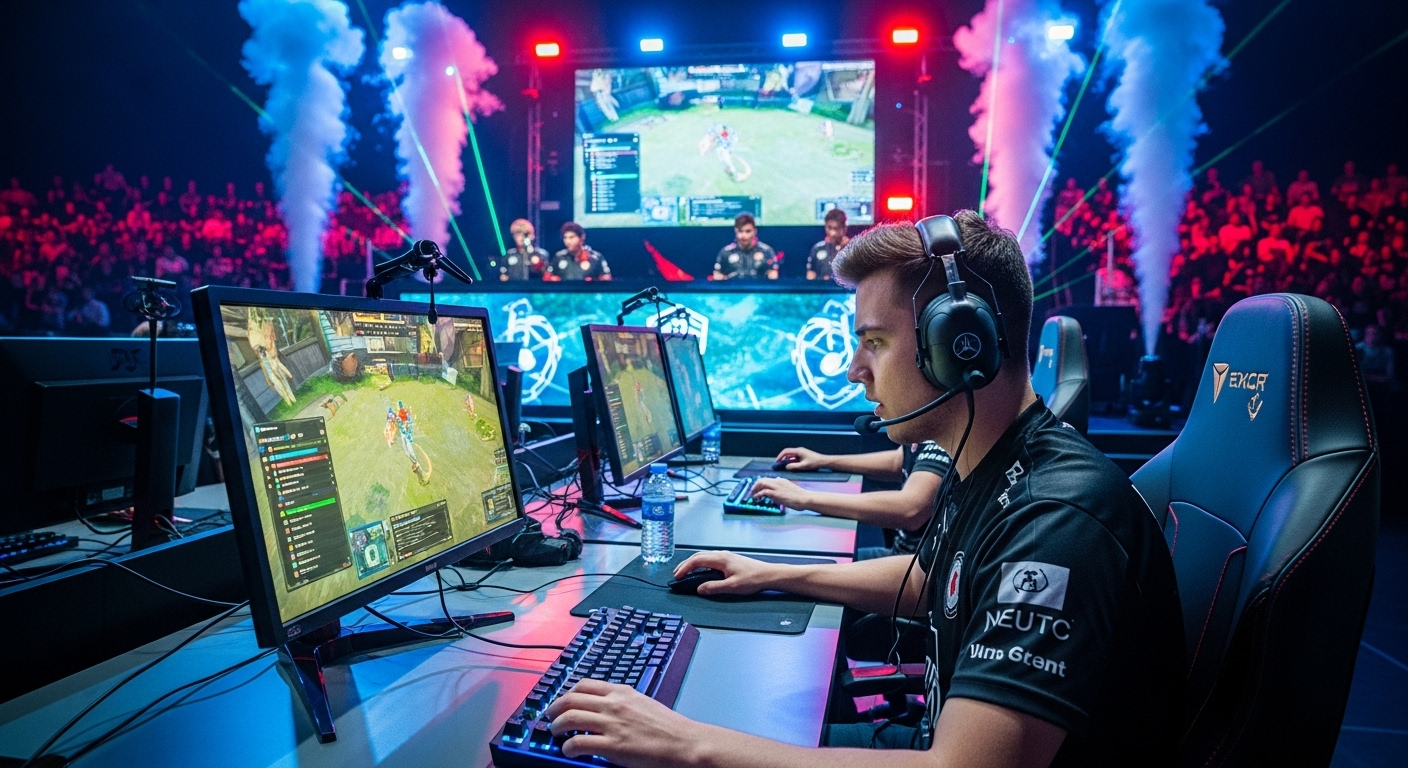
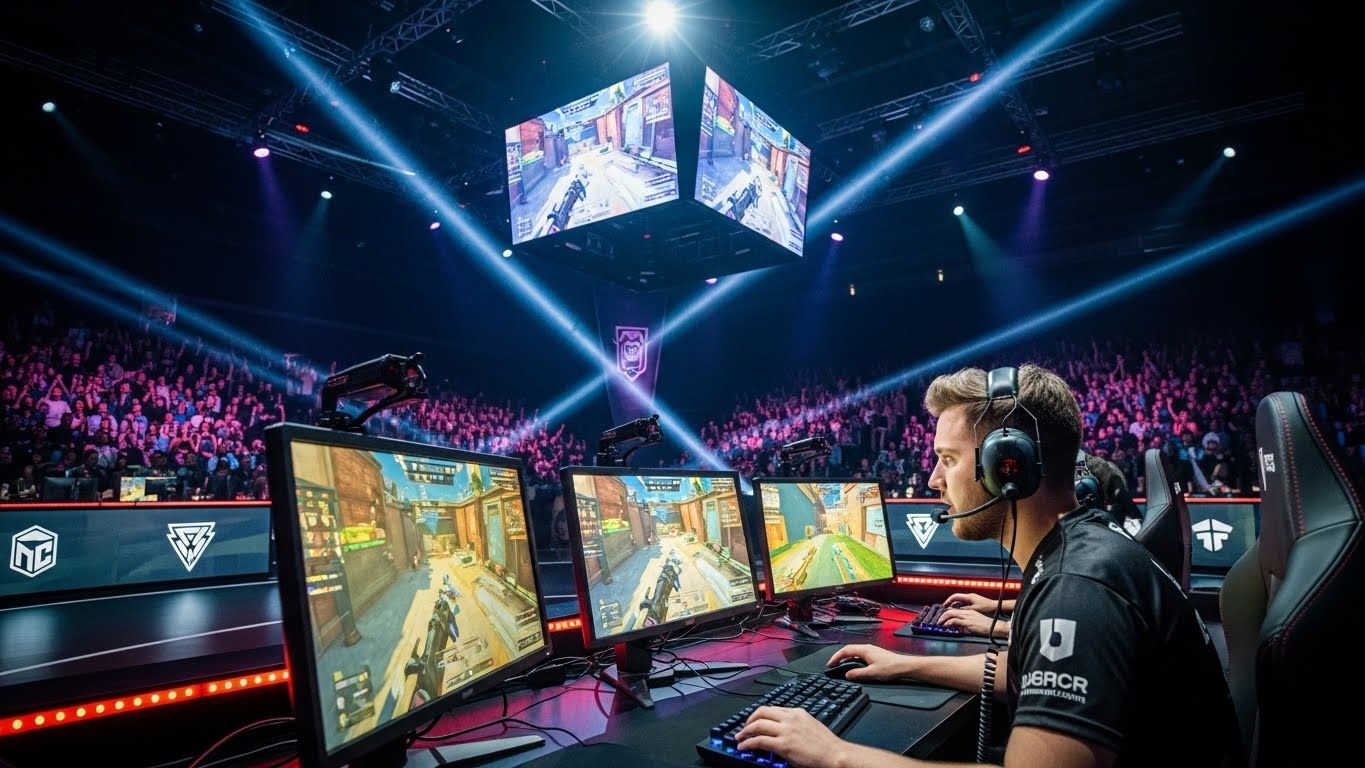
In the past decade, esports has evolved from a niche hobby into a global phenomenon. Once dismissed as mere video game playing, competitive gaming now stands alongside traditional sports, boasting millions of fans, lucrative sponsorships, and professional athletes dedicated to honing their craft. This blog explores the world of esports, examining its history, growth, cultural impact, and the factors fueling its meteoric rise.
The Origins of Esports
Esports, short for electronic sports, refers to organized competitive video gaming. While gaming has existed since the early 1970s, competitive gaming began to emerge in the 1980s with arcade competitions and early console tournaments. One of the first major milestones was the Space Invaders Championship in 1980, attracting tens of thousands of participants. These early competitions laid the groundwork for what would eventually become a multi-billion-dollar industry.
The 1990s saw the rise of local area network (LAN) parties and online multiplayer games like Quake and StarCraft, providing a platform for gamers to compete at a higher level. These events fostered communities and rivalries that mirrored traditional sports leagues, creating a foundation for professional gaming.
The Rise of Professional Gaming
The early 2000s marked the birth of professional esports leagues. Games such as Counter-Strike, Warcraft III, and Dota began hosting large-scale tournaments with cash prizes and sponsorships. Players began dedicating significant time to practice, developing strategies, and forming teams, signaling the transition from casual gaming to professional competition.
South Korea played a pivotal role in this transformation. With the explosive popularity of StarCraft, the country embraced competitive gaming as a legitimate career path. Professional players became celebrities, matches were broadcast on television, and esports stadiums filled with enthusiastic fans. This cultural acceptance propelled esports to the international stage.
Global Expansion and Major Titles
Today, esports is a worldwide phenomenon with tournaments spanning continents and massive audiences tuning in from all corners of the globe. Several games have risen to prominence within the esports scene, each offering unique gameplay and competitive appeal.
- League of Legends: Known for its strategic depth and intense team play, League of Legends has one of the largest esports followings. Annual tournaments, such as the World Championship, attract millions of viewers worldwide.
- Dota 2: Famous for its massive prize pools, Dota 2’s International Championship has consistently broken records, offering millions in prize money for top teams.
- Counter-Strike: Global Offensive: A first-person shooter with a strong competitive community, CS:GO tournaments are celebrated for their tactical gameplay and passionate fan base.
- Fortnite: A battle royale game that captured mainstream attention, Fortnite introduced esports to a younger demographic and showcased the potential for viral gaming competitions.
- Valorant: A tactical shooter blending elements of Counter-Strike and hero-based gameplay, Valorant has quickly established itself as a prominent esports title with an expanding professional scene.
Esports Tournaments and Events
Esports tournaments have grown into spectacles rivaling traditional sports events in scale and production quality. Events such as the League of Legends World Championship and The International for Dota 2 are broadcast globally, attracting millions of viewers. These tournaments feature live commentary, immersive graphics, and dramatic storylines, creating an entertainment experience beyond the game itself.
The rise of streaming platforms has further fueled esports’ popularity. Services dedicated to live streaming gameplay, combined with social media, allow fans to follow their favorite teams and players in real-time, building communities and fan engagement on an unprecedented scale.
Economic Impact of Esports
The economic impact of esports is enormous and continues to grow each year. Revenue comes from multiple streams, including sponsorships, advertising, media rights, merchandise, and ticket sales. Major brands recognize esports as a prime marketing opportunity, partnering with teams and tournaments to reach younger, digitally savvy audiences.
Professional esports organizations operate much like traditional sports franchises, managing player contracts, training facilities, and merchandising. The industry has created thousands of jobs, from professional players and coaches to analysts, event organizers, and content creators.
The Role of Technology in Esports
Esports is intrinsically linked to technological advancements. High-speed internet, powerful gaming hardware, and streaming platforms are essential to the ecosystem. Cutting-edge equipment, such as high-refresh-rate monitors and precision gaming peripherals, provides competitive advantages and enhances the viewing experience.
Moreover, advancements in data analytics and artificial intelligence have revolutionized how teams prepare for competitions. Detailed performance analysis, strategy simulations, and predictive modeling allow teams to optimize gameplay and gain a competitive edge, similar to how traditional sports use analytics.
Cultural Impact and Mainstream Acceptance
Esports has transcended the gaming community to become a mainstream cultural phenomenon. Universities offer scholarships for esports athletes, and some countries have recognized professional players with visas similar to traditional athletes. Major media outlets cover tournaments, and esports stars are celebrated on social media, influencing fashion, music, and entertainment.
The popularity of esports has also fostered inclusivity. Gamers from diverse backgrounds and locations can compete on a global stage, breaking down barriers traditionally present in sports. This democratization of competition allows talent to shine regardless of socioeconomic status, gender, or geography.
Challenges Facing Esports
Despite its rapid growth, esports faces several challenges. The industry must address issues such as player burnout, mental health, and fair labor practices. Professional gaming demands rigorous practice schedules, often exceeding 10 hours a day, which can take a toll on physical and mental well-being.
Regulatory and governance issues are also critical. Standardized rules, anti-cheating measures, and transparent tournament structures are necessary to maintain credibility and ensure fair competition. As the industry matures, balancing commercialization with the integrity of the sport will be paramount.
The Future of Esports
The future of esports is bright, with new opportunities emerging in virtual reality, augmented reality, and mobile gaming. VR and AR could revolutionize competitive gaming by providing immersive experiences for players and spectators alike. Mobile esports, particularly in regions like Southeast Asia and India, is expanding rapidly, bringing competitive gaming to millions of new participants.
Integration with mainstream sports is another promising development. Traditional sports leagues are exploring esports divisions, and collaborations between athletes and gaming organizations are becoming more common. This convergence could further elevate esports’ status and introduce it to broader audiences.
Conclusion
Esports has evolved from humble beginnings into a global cultural and economic powerhouse. Its growth has been fueled by technological innovation, passionate communities, and the rise of professional competition. As it continues to expand, esports is redefining what it means to be an athlete, a fan, and a global spectator. With new opportunities on the horizon, the digital arena is set to remain a central part of entertainment for years to come.
In the ever-evolving landscape of entertainment, esports represents more than just gaming. It symbolizes the intersection of technology, culture, and competition—a new kind of arena where skill, strategy, and passion collide on a global stage.