Introduction: The Birth of a New Era in Gaming
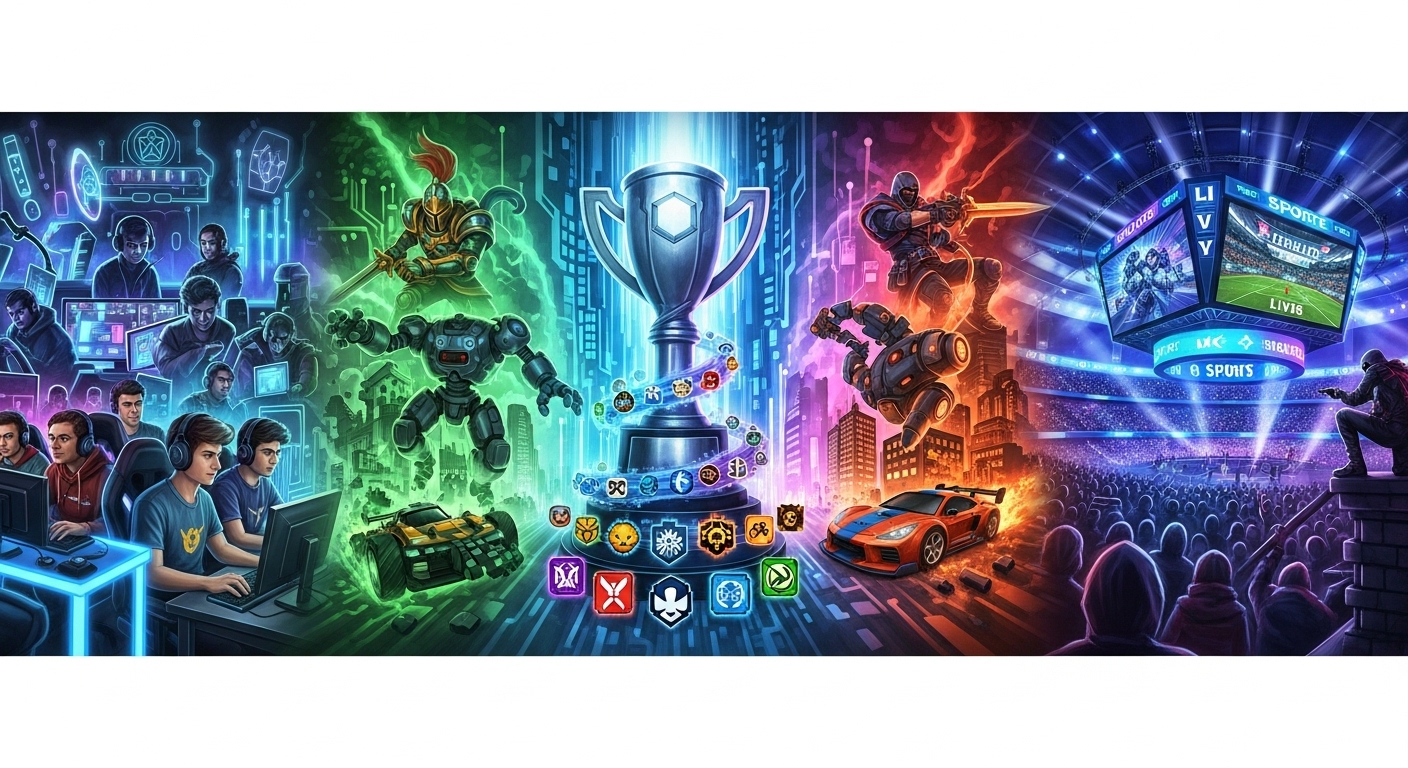
In the early days of gaming, playing video games was largely a solitary or casual experience. However, over the past two decades, the world of gaming has evolved dramatically. What was once a hobby for a niche group of players has grown into a massive global phenomenon known as esports. Competitive gaming, or esports, has become one of the fastest-growing industries in the world, captivating millions of fans, creating professional careers, and influencing mainstream entertainment. In this blog post, we will explore the explosive growth of esports, the factors that have contributed to its success, and its future as a major cultural and economic force.
What is Esports? A New Form of Competition
Esports, short for electronic sports, refers to competitive video gaming where individuals or teams compete against each other in organized tournaments, often for large prizes and sponsorships. The games played in esports can vary widely, ranging from real-time strategy games like StarCraft to first-person shooters like Counter-Strike: Global Offensive, multiplayer online battle arena (MOBA) games like League of Legends, and battle royale games like Fortnite.
Competitive Structure of Esports
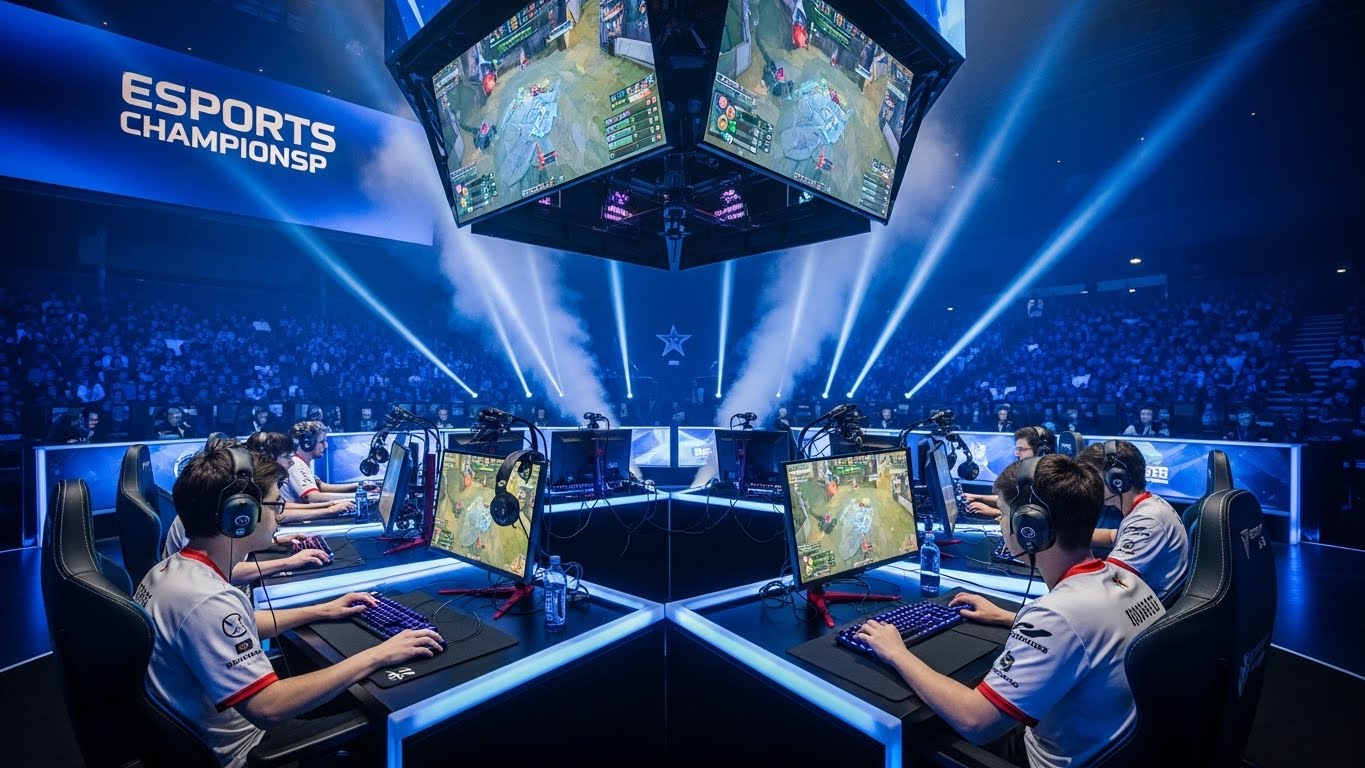
Esports is organized in a structure similar to traditional sports. There are professional leagues, tournaments, and events that attract top players from around the globe. These competitions are often broadcasted live on streaming platforms, such as Twitch and YouTube, allowing fans to watch and follow their favorite players and teams. Professional players often sign contracts with esports organizations, representing them in competitions, participating in training, and engaging with fans through social media and other digital channels.
A Global Phenomenon
What makes esports so unique is its global reach. Players, teams, and tournaments are not confined to one country or region. The appeal of esports stretches across continents, with players in South Korea, North America, Europe, and China often competing on the same stage. Major tournaments can attract millions of viewers, both online and in person, and the top players in esports can earn prize money and sponsorship deals that rival those of traditional athletes.
The Factors Behind the Rapid Growth of Esports
Esports has exploded in popularity over the last decade, and there are several key factors that have contributed to its rise.
The Power of Streaming Platforms
One of the most significant drivers behind the growth of esports has been the rise of live streaming platforms. Services like Twitch, YouTube Gaming, and Facebook Gaming allow fans to watch their favorite players and teams in real time. These platforms not only provide a direct connection between players and fans but also offer interactive features such as live chat, allowing audiences to engage with the content in real time.
Streaming has also allowed esports to expand its reach beyond traditional broadcast television. With millions of viewers tuning in to watch esports events, it has become a highly lucrative medium for advertisers, sponsors, and streaming platforms alike.
Technological Advancements
Esports has benefited greatly from the continued advancement of technology. Modern gaming systems, high-speed internet, and cutting-edge graphics cards have all contributed to making competitive gaming more exciting and accessible. The evolution of cloud gaming has also enabled players to compete from virtually anywhere in the world, further expanding the reach of esports.
In addition, streaming technology has improved the quality of live broadcasts, with high-definition streams and multi-camera setups giving viewers a more immersive experience. The use of data analytics and AI in training and gameplay analysis has also allowed players to optimize their skills and strategies, making esports even more competitive.
The Rise of Professionalism
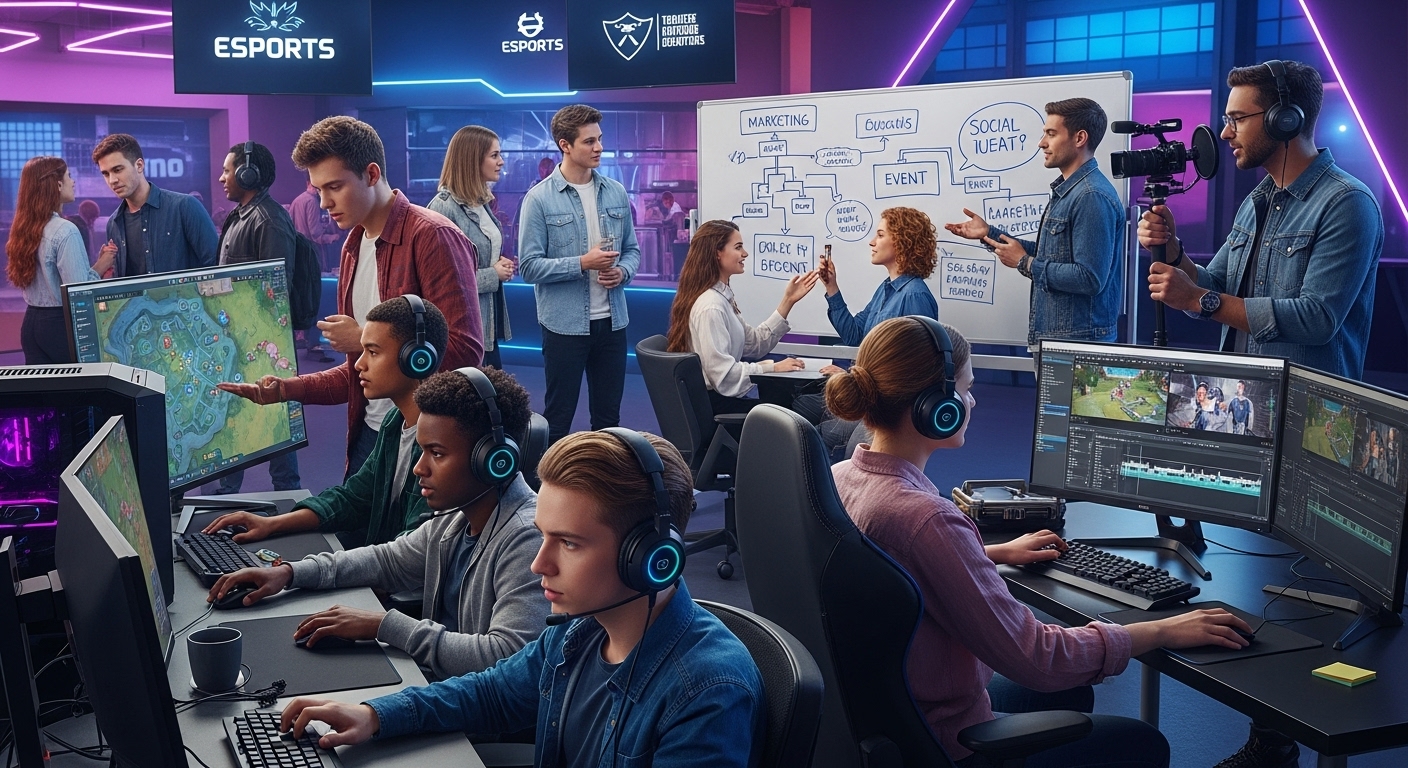
As esports grew in popularity, it became more professionalized. Today, many players are full-time professionals, supported by large esports organizations that provide training, sponsorship, and support. These organizations manage everything from player contracts to media appearances, allowing players to focus on their craft.
Esports organizations now operate in a manner similar to traditional sports teams, with dedicated staff members including coaches, analysts, and psychologists to help players improve both their gameplay and mental endurance. This professional approach has contributed to the longevity and sustainability of esports.
The Esports Ecosystem: Players, Teams, and Fans
Esports isn’t just about the players—it involves a whole ecosystem that includes teams, coaches, sponsors, broadcasters, and, of course, the fans. Let’s take a closer look at these different elements of the esports ecosystem.
Players and Teams
At the core of the esports industry are the players. Professional esports athletes are highly skilled individuals who dedicate countless hours to mastering their games, analyzing strategies, and competing at the highest level. Many players start at a young age, honing their skills through online competitions or local tournaments before moving up to the professional leagues.
Esports teams are often made up of several players who specialize in different roles within the game. For example, in League of Legends, each player may focus on specific positions, such as mid-lane, bot-lane, or support, and they work together as a cohesive unit to win games. Teams are supported by coaches, analysts, and management staff who help with strategy development, training, and mental preparation.
Sponsors and Investors
Esports has attracted significant investment from both traditional and non-traditional sources. Major brands like Coca-Cola, Intel, and Nike have invested in esports sponsorships, and companies are increasingly looking to esports to reach younger, tech-savvy audiences. Esports sponsorships come in many forms, including team sponsorships, event sponsorships, and in-game branding.
Investors have also played a major role in the growth of esports. Venture capital and private equity firms have poured millions of dollars into esports startups, including team organizations, event production companies, and even esports media platforms. As a result, esports has become a multi-billion-dollar industry with the potential for further growth.
The Role of Fans
Esports fans are some of the most dedicated and passionate audiences in the world. Fans engage with their favorite teams and players on social media, attend live events, and watch tournaments online. Esports communities are often built around specific games or teams, and fans participate in online discussions, create fan art, and even organize their own local tournaments.
The fan experience in esports is highly interactive. Fans not only watch the action unfold but also interact with players, coaches, and other fans through live chats and social media. This level of engagement creates a sense of belonging and community among fans, which is a key factor in esports’ continued success.
The Future of Esports: What Lies Ahead?
As esports continues to grow, what does the future hold for this dynamic and rapidly evolving industry?
Mainstream Integration
Esports is already making inroads into the mainstream. With major events being broadcast on television, such as League of Legends World Championships and The International for Dota 2, esports is starting to be recognized as a legitimate form of entertainment. Some traditional sports organizations, like the NBA and NFL, have even entered the esports space, launching their own competitive gaming leagues.
Esports in Education
Esports is increasingly being integrated into educational settings. Colleges and universities across the world are offering esports scholarships and building esports programs that allow students to compete in collegiate leagues. Some schools even have dedicated esports arenas, complete with high-end gaming equipment and training facilities. As a result, esports is becoming a viable career path for students interested in gaming and competition.
Virtual and Augmented Reality (VR/AR)
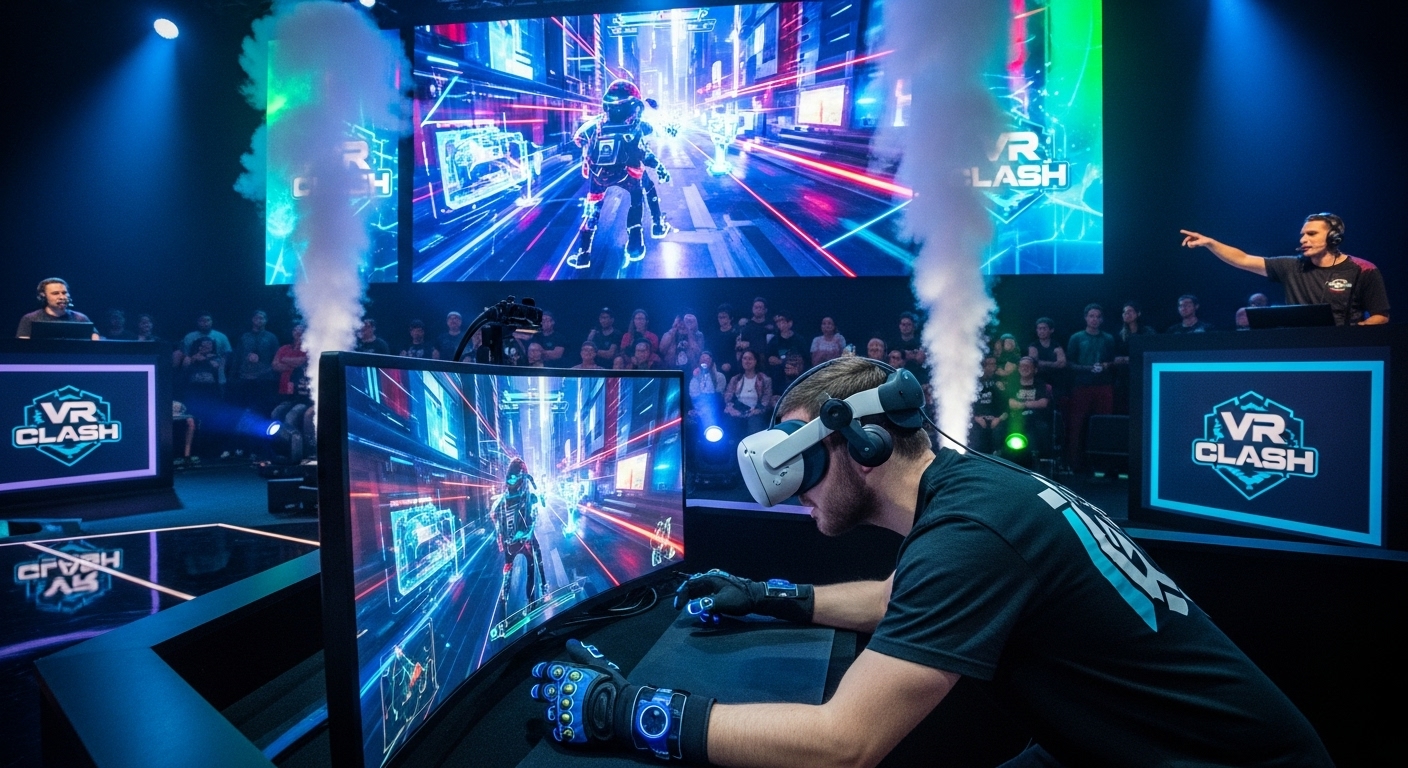
The integration of VR and AR technologies could dramatically change the way esports are played and viewed. These technologies have the potential to make games more immersive and create new types of interactive experiences for both players and fans. Imagine a Counter-Strike match where players are fully immersed in the game world using VR headsets, or a live event where fans can interact with the game in real-time through augmented reality features.
Global Expansion
Esports is already a global phenomenon, but there are still regions where it has yet to fully take off. As internet infrastructure improves worldwide, more people will be able to access and participate in esports, especially in countries with rapidly growing middle classes and improving tech access. This global expansion will bring new talent, new fans, and new opportunities for growth.
Conclusion: Esports – The Future of Entertainment
Esports has come a long way from its humble beginnings in arcades and dorm rooms. Today, it is a multi-billion-dollar industry with millions of fans and players around the world. Its rapid growth, fueled by streaming technology, professionalization, and the power of global connectivity, has forever changed the landscape of competitive gaming.
As esports continues to evolve, it promises to become an even more integral part of the entertainment industry, with greater mainstream recognition and integration into popular culture. Whether you’re a player, a fan, or an investor, esports represents an exciting frontier in entertainment, sports, and technology. The future of esports is bright, and its influence will only continue to grow as it redefines the world of competitive gaming.