Introduction: The Dawn of Competitive Gaming
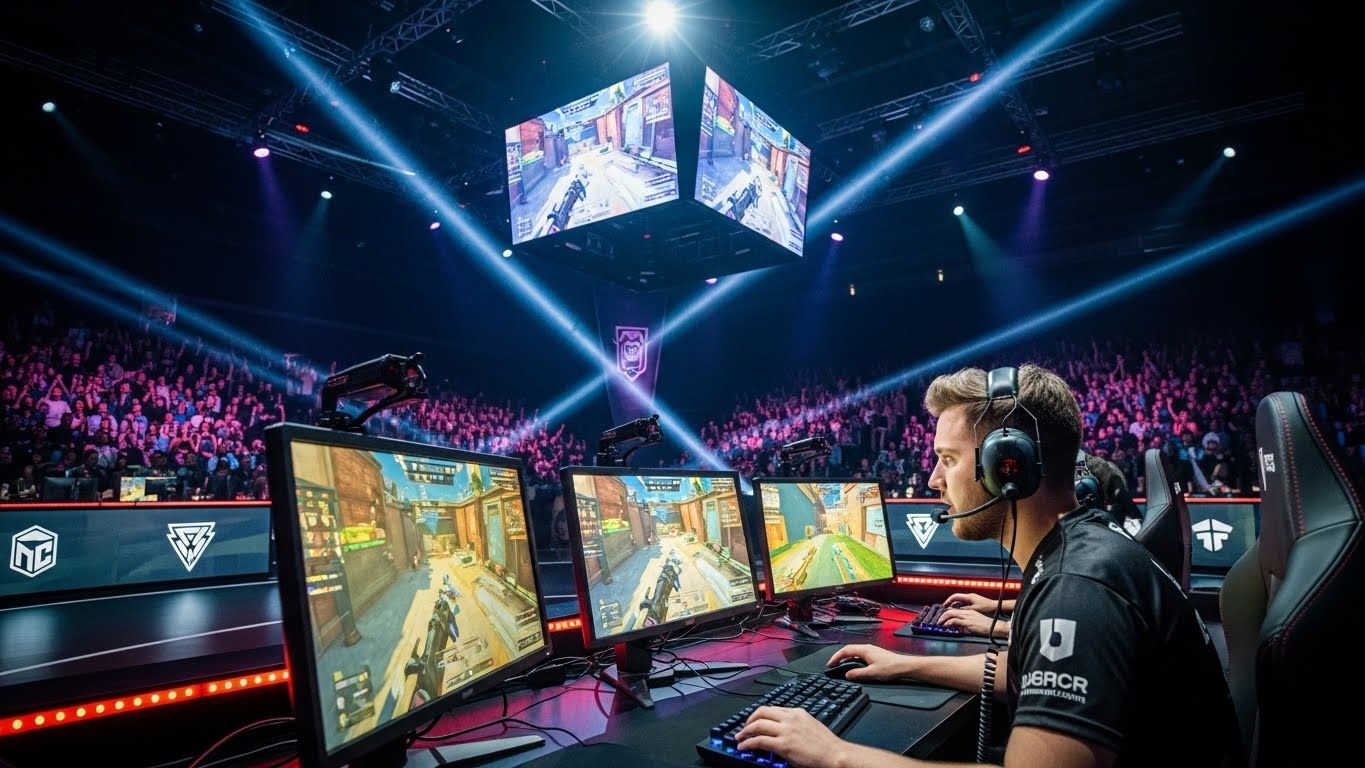
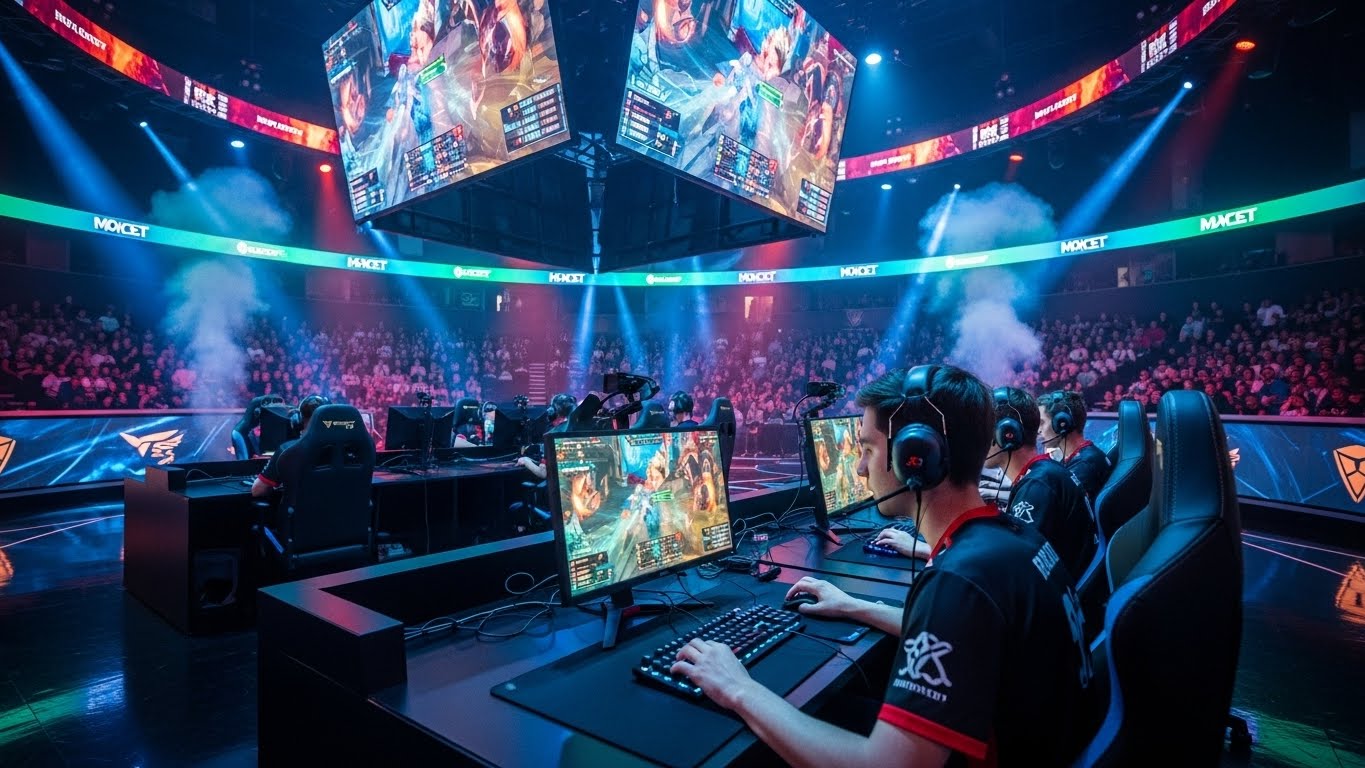
In the last two decades, video games have transformed from casual entertainment to a thriving global industry. Among the many innovations within gaming, esports stands out as a phenomenon that has redefined competition, community, and culture. Short for electronic sports, esports encompasses organized competitive gaming where individuals or teams compete in video games for recognition, prizes, and sometimes, global fame. What once began as small tournaments among friends or local gaming communities has now evolved into a multi-billion-dollar industry, drawing millions of viewers worldwide and reshaping the way people perceive professional gaming.
The Origins of Esports
Esports has a surprisingly long history, dating back to the 1970s and 1980s, when arcade game competitions were organized in schools and public spaces. One of the earliest known gaming competitions was the Space Invaders Championship in 1980, which attracted thousands of participants across the United States. The 1990s saw the rise of multiplayer games like StarCraft and Quake, creating the foundation for competitive gaming on a larger scale. Internet connectivity further accelerated esports by allowing players to compete across regions, giving birth to online tournaments and international leagues. The formation of professional teams and sponsorships eventually formalized esports as an industry with structure, rules, and serious financial investment.
Popular Esports Titles
The esports landscape is diverse, with numerous genres attracting players and audiences alike. Multiplayer online battle arena games, such as League of Legends and Dota 2, dominate the scene with their strategic gameplay and complex team dynamics. First-person shooters, including Counter-Strike and Call of Duty, appeal to fans with fast-paced action and precision skills. Fighting games like Street Fighter and Mortal Kombat showcase individual talent and reflexes, while sports simulation games such as FIFA and NBA 2K bring the excitement of real-world sports into a virtual arena. Battle royale games like Fortnite and PUBG have further expanded esports by combining survival mechanics with massive online participation. Each game type brings its own community, strategy, and competitive ecosystem, allowing esports to cater to a wide array of interests.
The Growth of Esports Viewership
One of the most remarkable aspects of esports is its audience growth. Unlike traditional sports, which often require physical presence or regional affiliation, esports is accessible globally. Streaming platforms have revolutionized the way fans consume esports content. Millions of viewers now tune in to watch tournaments live, follow their favorite teams, or enjoy highlights and commentary from content creators. Events like the League of Legends World Championship and The International for Dota 2 attract viewership numbers that rival traditional sports championships. This accessibility, combined with the entertainment value of professional gaming, has allowed esports to reach demographics that were previously untapped by mainstream sports media.
Professionalization of Esports
Esports has come a long way from casual competitions, evolving into a highly professional industry. Players now train rigorously, often dedicating hours each day to practice strategies, improve reaction times, and refine team coordination. Many professional teams employ coaches, analysts, and support staff, mirroring the structure of traditional sports franchises. Sponsorship deals, merchandising, and tournament winnings contribute to substantial earnings for top players, making esports a viable career option. Colleges and universities have also started offering esports scholarships and programs, further legitimizing competitive gaming as a professional pursuit. The professionalization of esports has created opportunities for careers beyond playing, including casting, coaching, event management, and content creation.
Economic Impact of Esports
The economic impact of esports is significant and multi-faceted. Revenue streams include sponsorships, advertising, merchandise sales, media rights, and ticket sales for live events. Major brands have recognized the marketing potential of esports, targeting younger, tech-savvy audiences through tournament sponsorships and endorsements. In addition to revenue generation, esports contributes to job creation in areas such as event management, software development, marketing, and content production. Cities hosting large-scale esports tournaments often experience boosts in tourism, hospitality, and local business engagement. The industry’s rapid growth indicates not only its profitability but also its potential to reshape entertainment and digital media landscapes.
The Role of Technology in Esports
Technology plays a crucial role in the development and expansion of esports. High-speed internet, advanced graphics, and powerful gaming hardware enable seamless online competition and immersive experiences. Streaming platforms provide real-time access to tournaments, allowing global audiences to engage with content effortlessly. Analytics software and performance tracking tools help teams optimize strategies, analyze opponent behavior, and refine training methods. Virtual reality and augmented reality are beginning to influence esports by offering new gaming formats and spectator experiences. The continuous advancement of technology ensures that esports remains dynamic, innovative, and engaging for both players and fans.
Cultural Influence and Community
Esports has created a unique cultural ecosystem that extends beyond gaming itself. Online communities, forums, and social media platforms provide spaces for fans to connect, discuss strategies, and celebrate achievements. Cosplay, fan art, and streaming content contribute to a vibrant culture surrounding esports. Additionally, esports promotes inclusivity by allowing people from diverse backgrounds, genders, and regions to participate competitively. The collaborative and social nature of esports fosters friendships, mentorships, and global connections that transcend geographical boundaries. The culture of esports reflects modern digital society, where interaction, entertainment, and competition converge seamlessly.
Challenges Facing Esports
Despite its rapid growth, esports faces several challenges. The intense training schedules and high-pressure environments can lead to burnout and mental health issues among players. Regulatory frameworks for tournaments, player contracts, and prize distribution vary across regions, sometimes causing disputes or inconsistencies. Cheating, hacking, and performance-enhancing software also threaten the integrity of competitions. Additionally, the sustainability of long-term careers in esports remains a concern, as many professional players retire at a relatively young age. Addressing these challenges is crucial for ensuring that esports remains a reputable and thriving industry in the future.
The Future of Esports
The future of esports appears promising, with continuous innovation, growing audiences, and expanding global reach. Integration with mainstream sports, collaborations with entertainment industries, and the rise of mobile esports will continue to diversify the ecosystem. As technology advances, immersive experiences like virtual stadiums, interactive spectator options, and AI-driven gameplay analysis will redefine how fans engage with esports. Furthermore, educational institutions and governments are increasingly recognizing the value of esports in skill development, career opportunities, and digital literacy. The trajectory of esports suggests that it will continue to evolve, influencing entertainment, culture, and even traditional sports for years to come.
Conclusion: Beyond Gaming
Esports is more than just playing video games; it represents a cultural, social, and economic phenomenon that has transformed entertainment globally. From humble beginnings in arcade competitions to becoming a professional industry with millions of fans and substantial revenue, esports has demonstrated the power of technology, creativity, and community. Its growth reflects broader societal shifts toward digital engagement and online connectivity. As esports continues to mature, it will not only provide thrilling competition for fans but also inspire future generations to embrace innovation, teamwork, and global collaboration. The rise of esports marks a turning point in how we define sports, entertainment, and even achievement in the digital era.