Introduction: The Emergence of Esports
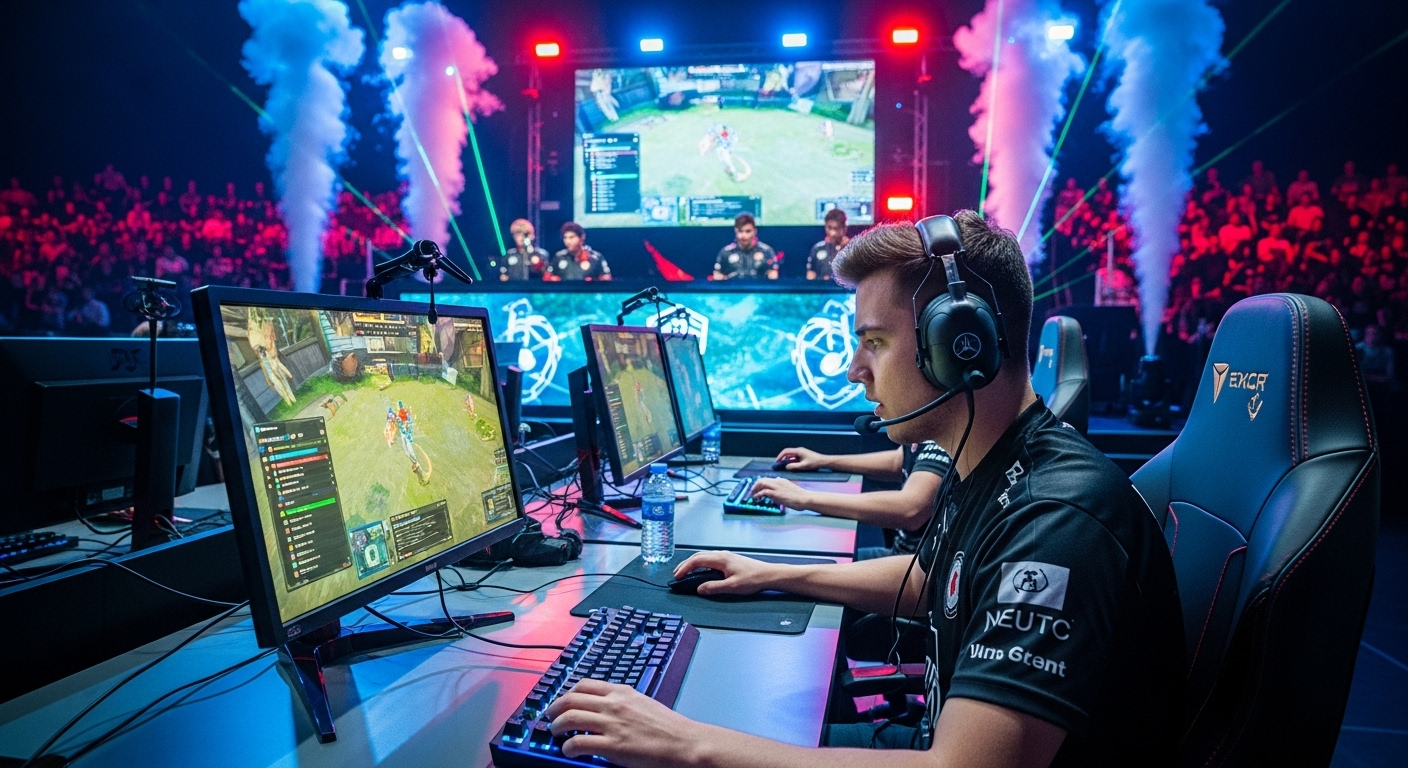
Over the last decade, esports has evolved from a niche hobby to a global entertainment powerhouse, attracting millions of viewers and participants worldwide. The term “esports,” short for electronic sports, refers to organized multiplayer video game competitions, often between professional players, teams, and organizations. What was once seen as a pastime or subculture has now become an integral part of the gaming industry and a mainstream cultural phenomenon.
Esports encompasses a wide range of competitive games, from strategy-based games like League of Legends and Dota 2 to first-person shooters like Counter-Strike: Global Offensive and Call of Duty. With millions of fans watching tournaments across platforms like Twitch, YouTube, and Facebook Gaming, and players securing lucrative sponsorships, esports is no longer just about gaming—it’s about entertainment, sportsmanship, and a global community coming together to celebrate their passion for competition and skill.
In this blog post, we’ll delve into the key factors driving the growth of esports, its cultural impact, the business opportunities it presents, and what the future holds for this exciting industry.
The Growth of Esports: From Niche to Mainstream
In the early days of gaming, esports was largely confined to local LAN (Local Area Network) parties, where players would gather to compete in games like Quake and StarCraft. These events, though small in scale, set the foundation for the competitive gaming community we know today. However, it wasn’t until the mid-2000s that esports began to gain mainstream recognition, thanks to the rise of popular games and online platforms that allowed people to watch and engage with live competitions.
Games like StarCraft and Warcraft III laid the groundwork for professional tournaments, particularly in South Korea, where esports became a national pastime. The success of the StarCraft and League of Legends World Championships in the 2010s served as a catalyst for the industry’s rapid global expansion.
Esports and Its Growing Popularity Among Viewers
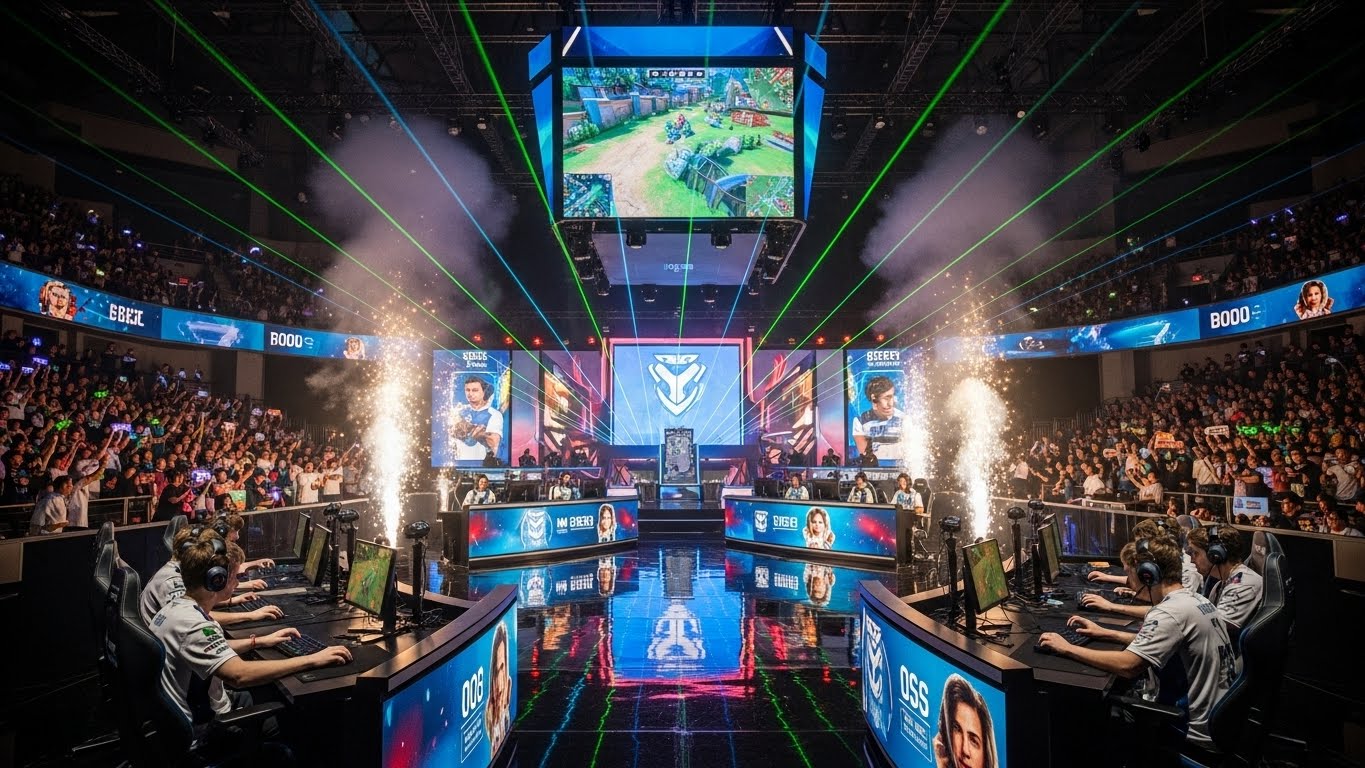
The digital age has changed how people consume entertainment, and esports is no exception. Platforms like Twitch have revolutionized the way fans watch live gaming events, creating a direct and interactive connection between players and viewers. Watching professional gamers compete in real-time, while also having the ability to interact with them through live chats and social media, has turned esports into a form of entertainment that rivals traditional sports.
One of the most significant aspects of esports’ rise in popularity is its ability to appeal to a younger, digitally native audience. According to recent studies, millennials and Gen Z make up the majority of esports fans, many of whom have grown up with video games as a central part of their lives. This demographic is not only interested in watching others play but also wants to be a part of the action. Whether it’s by playing in local tournaments, streaming their own gameplay, or following their favorite players and teams online, esports offers a dynamic and immersive way for fans to engage with the gaming community.
The popularity of esports has also given rise to new viewing formats, such as virtual reality (VR) broadcasts and interactive experiences. As technology continues to advance, we can expect esports broadcasts to become even more immersive, offering fans new ways to experience the action.
The Financial Boom of Esports: A Lucrative Industry
With its growing popularity, esports has transformed into a highly profitable industry. The financial landscape of esports is driven by a combination of revenue streams, including sponsorships, advertising, media rights, ticket sales, merchandise, and prize money from major tournaments.
Sponsorships are perhaps the most significant driver of revenue in the esports world. Leading brands like Coca-Cola, Red Bull, Intel, and Nike have invested heavily in esports, recognizing the potential to reach a young, engaged, and tech-savvy audience. Teams and tournaments often sign multi-million-dollar deals with these companies, helping to fuel the industry’s growth and creating a thriving ecosystem of partnerships.
In addition to sponsorships, media rights play a crucial role in the financial success of esports. Platforms like ESPN, YouTube, and Amazon’s Twitch have secured exclusive broadcasting rights for major tournaments, further legitimizing esports as a mainstream form of entertainment. This has resulted in massive viewership numbers for events like The International (Dota 2’s world championship), which has attracted over 40 million unique viewers in recent years.
The Role of Professional Esports Teams and Players
At the heart of the esports industry are the players and teams that compete at the highest level. Professional esports teams have evolved into well-organized organizations, with dedicated coaches, analysts, and managers to support their players’ development. Some teams even recruit players from around the world, building diverse rosters with exceptional talent.
The life of a professional esports player is demanding, with intense training schedules and constant pressure to perform at the highest level. Players must constantly adapt to game updates, strategies, and emerging meta (the ever-evolving strategies and techniques within a game). Many players start their careers at a young age, often as teenagers, and devote countless hours each day to improving their skills.
For top players, esports can be highly lucrative. In addition to tournament prize money, many professional gamers earn income through sponsorships, streaming, and merchandise sales. For instance, top-tier players like Faker (League of Legends) or s1mple (Counter-Strike) have built significant personal brands and amassed substantial wealth, in some cases earning millions of dollars in career earnings.
Esports also offers an opportunity for players to build a global fanbase. Some players achieve celebrity status within the gaming community, gaining sponsorship deals and partnerships with major brands. As esports continues to grow, the potential for players to turn their passion into a profitable career will only increase.
The Impact of Esports on Traditional Sports
Esports has not only had a profound impact on the gaming industry but also on traditional sports. In many ways, esports has bridged the gap between gaming and traditional athletics, with both industries borrowing elements from one another. Esports shares several similarities with traditional sports, including team dynamics, individual competition, and large-scale live events.
Many traditional sports organizations, including the NBA, NFL, and even FIFA, have invested in esports, either by sponsoring events or launching their own esports leagues. The NBA, for example, launched the NBA 2K League, which allows players to compete in the popular NBA 2K video game in a professional setting. Similarly, FIFA has its own esports league, with players competing in the FIFA video game series for world titles.
This crossover between esports and traditional sports has also led to the professionalization of competitive gaming. Like traditional sports leagues, esports organizations now offer player contracts, salary structures, and training facilities. Esports players are treated like athletes, with dedicated coaching and performance optimization to help them reach their full potential.
The Future of Esports: Trends to Watch
The future of esports looks incredibly promising, with several trends on the horizon that will likely shape the industry for years to come.
- Expansion of Esports into Mainstream Media: Esports is already being broadcast on traditional TV networks, such as ESPN, and we can expect this trend to grow. Major sports networks are beginning to dedicate more airtime to esports events, and as a result, the esports audience will expand even further. Esports may soon become as regular a fixture on television as other sports.
- Increased Investment from Traditional Sports Organizations: As esports continues to gain recognition, more and more traditional sports organizations are investing in esports. This trend will likely continue as sports franchises look for new revenue streams and ways to engage with younger audiences. Expect more collaborations between esports and traditional sports brands.
- The Growth of Mobile Esports: Mobile gaming has exploded in recent years, and mobile esports is becoming a major part of the competitive gaming scene. Games like PUBG Mobile, Free Fire, and Arena of Valor have attracted millions of players and viewers worldwide. Mobile esports presents a unique opportunity for global growth, especially in regions like Southeast Asia, where mobile gaming is incredibly popular.
- Technological Advancements: Virtual reality (VR) and augmented reality (AR) technologies are poised to transform the esports landscape. VR gaming could open up entirely new ways to experience competitive gaming, while AR may enhance the viewing experience for fans at live events and broadcasts. Additionally, advancements in AI-driven game analytics and coaching tools will further improve the competitiveness of players and teams.
- Inclusion and Diversity: As esports continues to grow, there will be an increasing focus on promoting inclusivity and diversity within the gaming community. Organizations are working to ensure that all players, regardless of gender, race, or background, have the opportunity to participate in competitive gaming. Diversity initiatives, along with a more inclusive approach to fandom, will help solidify esports as a truly global and welcoming community.
Conclusion: Esports as the Future of Entertainment
Esports is no longer just a trend—it’s a transformative force in the world of entertainment. The combination of competitive gaming, passionate communities, and lucrative business opportunities has created an ecosystem where players, teams, fans, and sponsors can all thrive. From local tournaments to global events broadcast to millions of viewers, esports has proven that it is here to stay.
As the industry continues to grow, there is no telling just how far esports can go. With advancements in technology, more investment from traditional sports, and a rapidly expanding global audience, esports is well on its way to becoming one of the dominant forms of entertainment in the 21st century. Whether you’re a casual gamer or a die-hard fan, one thing is certain: the future of esports is bright, and it’s only going to get more exciting from here.