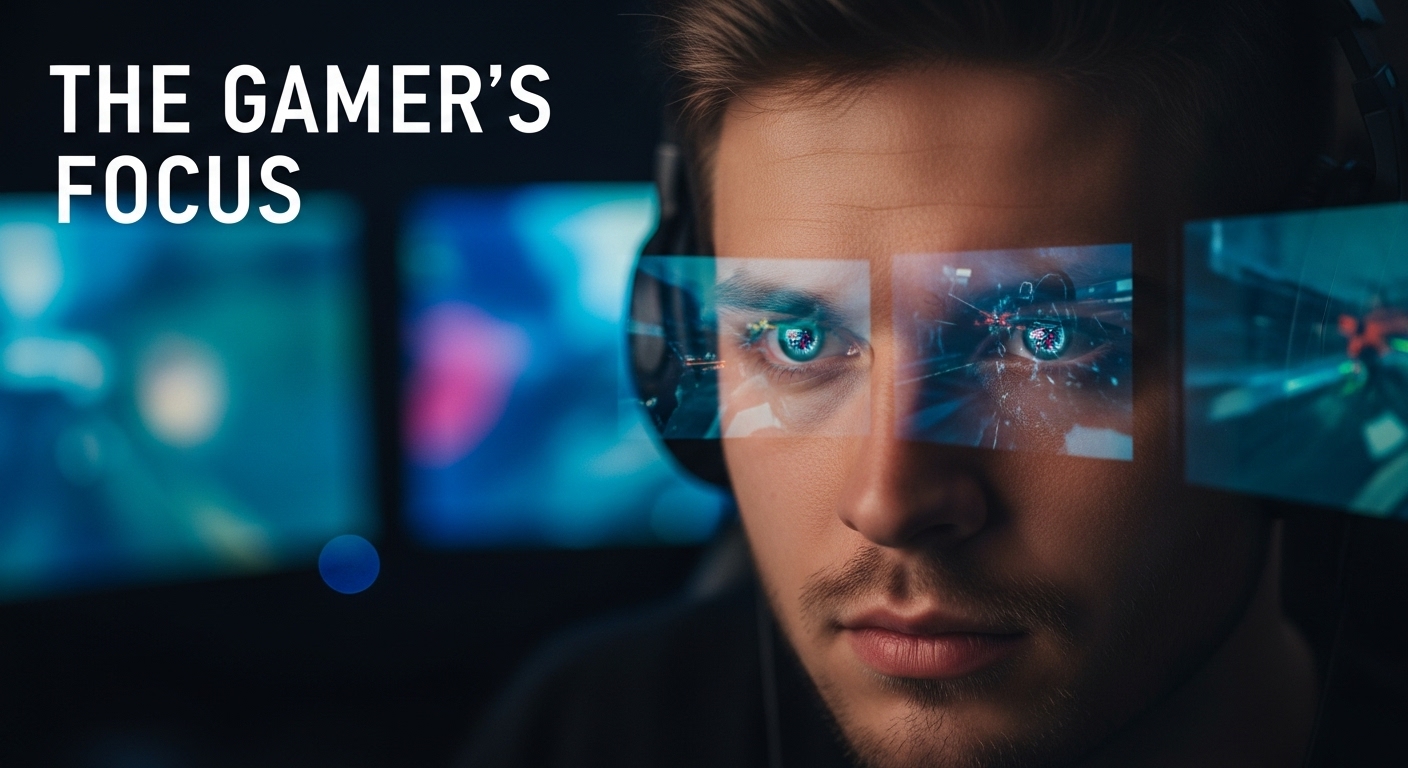
Esports has emerged as one of the most powerful cultural forces of the modern era. What started as friendly gaming competitions has transformed into a global industry filled with professional athletes, massive audiences, and high-stakes tournaments. Esports is no longer just a subculture for gamers. It is a serious competitive field, an entertainment powerhouse, and a new frontier for digital innovation. This blog explores the evolution, influence, and future of esports while highlighting why it has become a key part of global entertainment.
The Evolution of Competitive Gaming
The roots of esports go back to the early days of arcade machines. Players gathered around classic games to challenge each other for high scores. These early competitions created the first sparks of excitement around competitive gaming. While simple by today’s standards, they established the foundation for modern esports culture.
The rise of home consoles and personal computers in the 1980s and 1990s expanded gaming accessibility. Local tournaments, school competitions, and gaming events brought players together, allowing skills and passion for gaming to grow. Once the internet became widely available, a new era of competition was born, allowing players to face opponents from around the world. This technological leap transformed gaming from a local hobby into a global competitive platform.
The Slow but Steady Growth of Esports
Esports did not become a global sensation overnight. Its growth was gradual but powerful. Online multiplayer games allowed players to compete with hundreds of thousands of others in real-time. This sparked the formation of early competitive communities based on strategy, teamwork, and mastery of game mechanics.
Games like Counter-Strike, Warcraft, StarCraft, and early online role-playing games gained loyal fan bases that supported competitive play. As more players joined, the demand for organized tournaments grew. Major gaming events began offering cash prizes and attracting spectators eager to watch high-level play. Over time, esports transformed into a structured industry supported by sponsors, gaming companies, and a global audience.
The Rise of Professional Esports Athletes
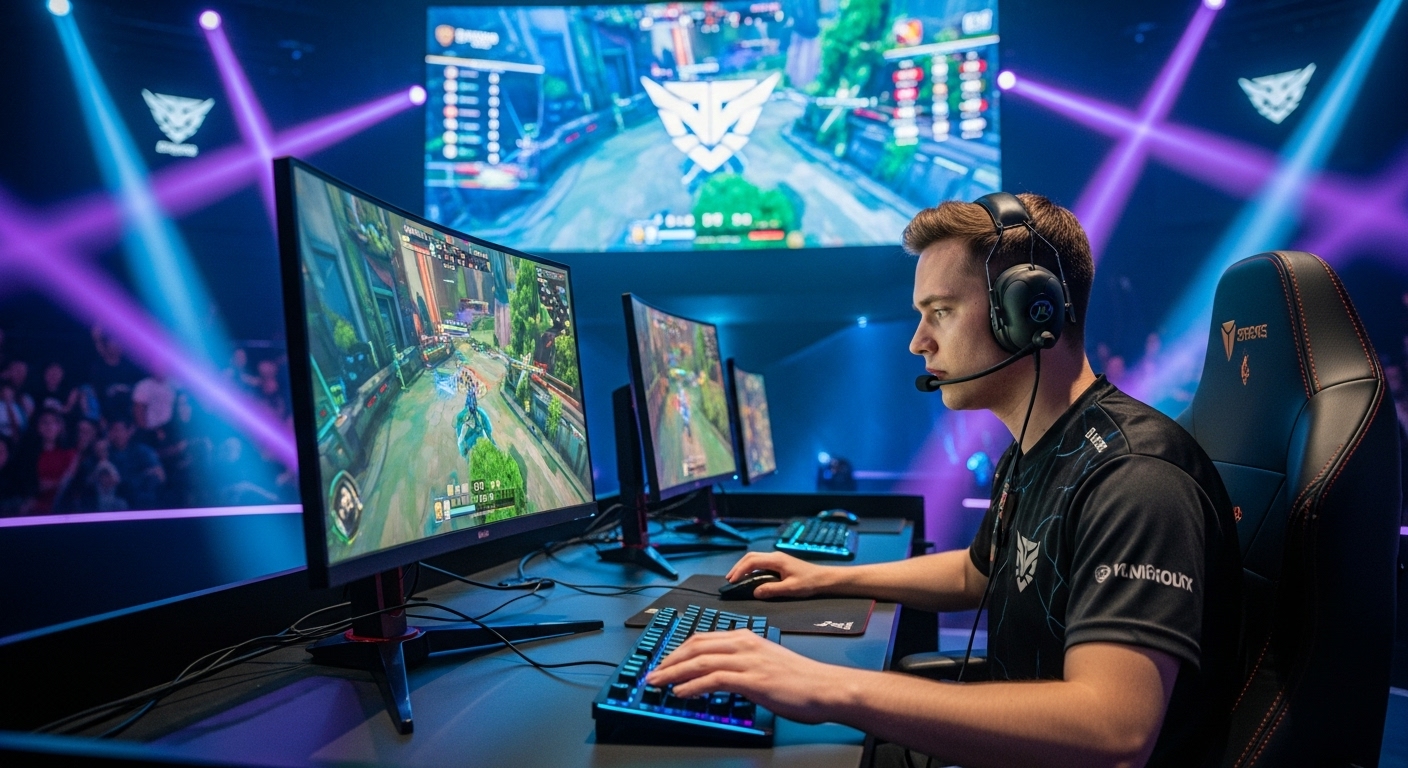
Today’s esports professionals are highly trained athletes who dedicate their lives to improving their performance. They practice for hours each day, analyzing gameplay, developing strategies, and strengthening communication with their teammates. Many esports athletes begin training from a young age, just like traditional sports stars.
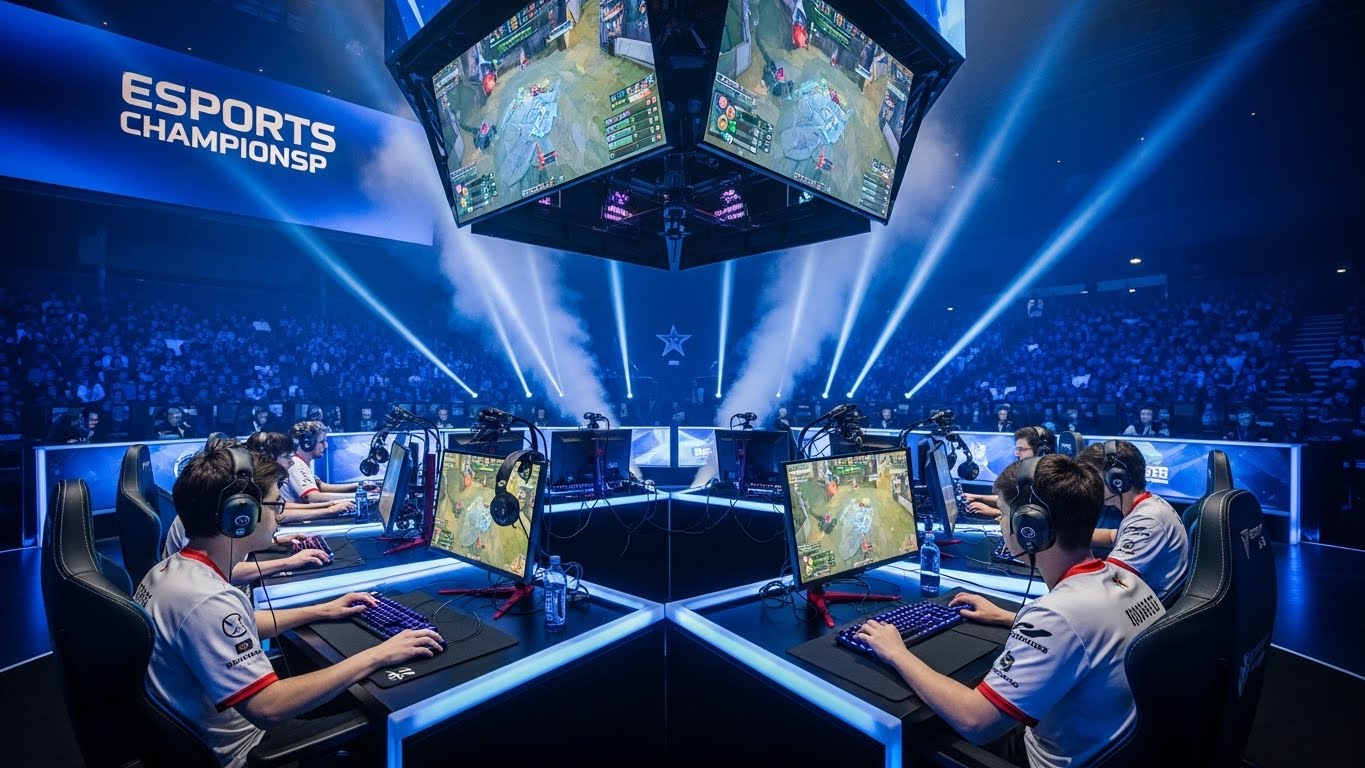
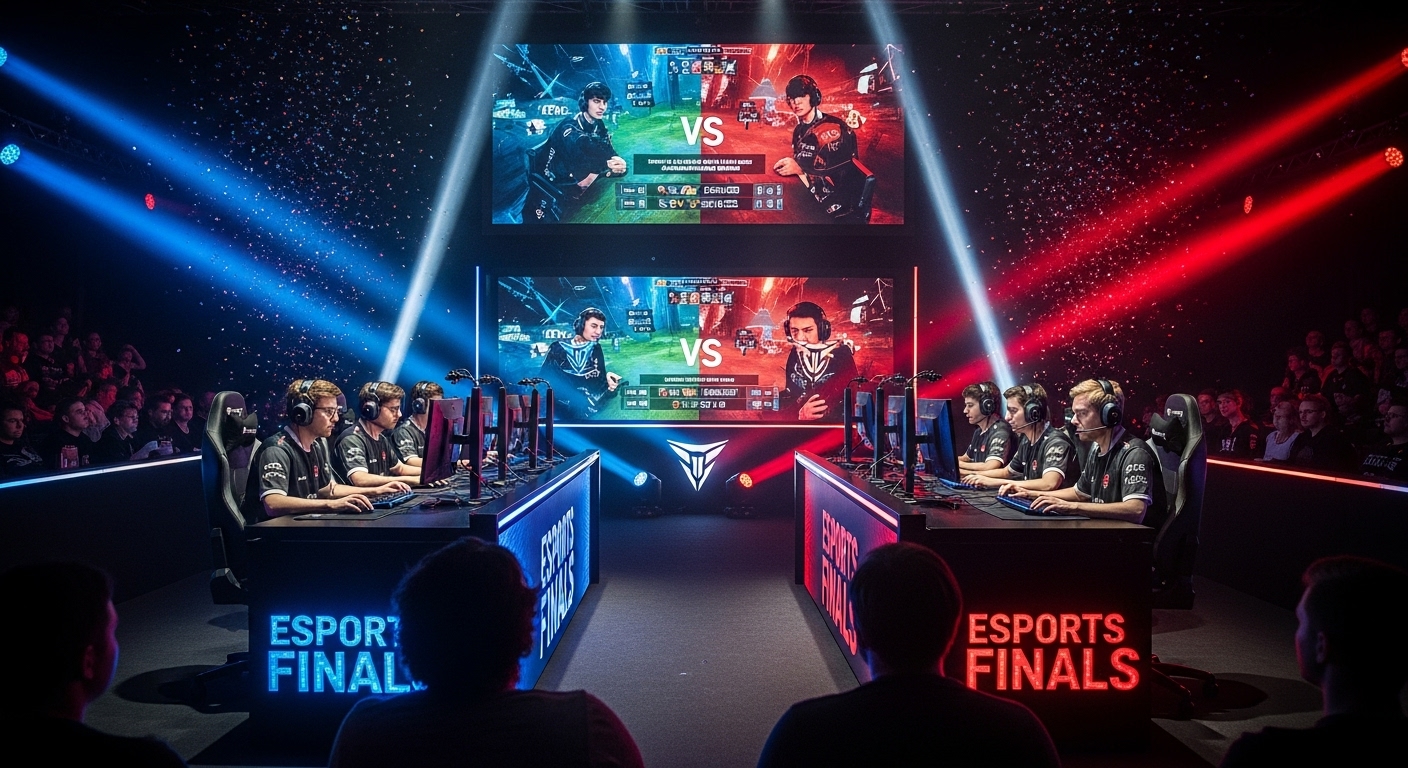
Professional organizations recruit top players, offering them salaries, housing, nutrition plans, and mentorship. This level of professionalism has reshaped public perception of gaming. Esports athletes compete at prestigious events in front of packed arenas and millions of online viewers. Their skills, discipline, and dedication prove that competitive gaming requires as much effort and focus as any physical sport.
Popular Esports Titles Shaping the Industry
Esports is diverse, offering a wide range of competitive games that attract different types of players and fans.
Multiplayer Online Battle Arenas
MOBAs such as League of Legends and Dota 2 are among the most watched esports. They require deep strategy, advanced teamwork, and lightning-fast reactions. Their tournaments feature enormous prize pools and global participation.
First-Person Shooters
FPS titles remain a pillar of esports. Games like Counter-Strike: Global Offensive, Valorant, and Call of Duty test accuracy, communication, and tactical awareness. Their competitive scenes are intense and thrilling.
Battle Royale
Games like Fortnite and Apex Legends revolutionized esports by combining survival mechanics with fast-paced combat. These titles attract younger audiences and have created opportunities for new types of competitions.
Fighting Games
Titles such as Tekken, Street Fighter, and Mortal Kombat offer one-on-one battles that showcase pure skill and reaction time. Their communities are among the most passionate in the esports world.
Sports and Racing Games
Digital simulations of real sports, including FIFA and NBA 2K, provide a competitive outlet for fans of traditional sports. Racing games also have their own esports leagues with impressive production quality.
The Influence of Streaming and Online Platforms
The explosion of streaming platforms transformed esports from a niche interest into a global entertainment phenomenon. Fans can now watch professional matches, engage with players, and follow their favorite teams from any device.
Streaming has opened the door for aspiring players to showcase their skills and build fan bases. Many professional careers began with players broadcasting their gameplay, attracting large audiences with their personality and talent. This direct interaction creates strong bonds between players and fans, fueling both community growth and esports popularity.
The Business Side of Esports
Esports is one of the fastest-growing industries in the world. Its economic value continues to rise due to sponsorships, advertising, merchandise, and live event sales. Companies across technology, sports, fashion, and entertainment invest in esports to connect with digital audiences.
Teams secure sponsorship deals with globally recognized brands. Gaming events draw millions of viewers, making them valuable opportunities for marketing. The financial success of esports has inspired schools, universities, and businesses to support the industry, further accelerating its growth.
Esports Training and Team Dynamics
Behind every successful esports team is a complex structure of training and support. Players participate in daily practice sessions, scrims, and strategy reviews. Coaches guide players in improving performance, while analysts study opponents’ strengths and weaknesses.
Team chemistry is essential. Players must communicate clearly, trust each other, and remain focused under pressure. Many teams also adopt physical fitness routines, mental health support, and lifestyle guidelines to maintain peak performance. The rigorous training environment demonstrates that esports requires discipline, teamwork, and resilience.
Global Reach and Cultural Impact
Esports is truly global, with fans and players spread across every continent. Some countries have embraced esports as a national passion, creating advanced training centers, hosting international tournaments, and supporting young talent.
The cultural impact goes far beyond gaming. Esports influences fashion, music, and entertainment. Professional players collaborate with artists, appear in commercials, and build massive followings on social media. Esports also fosters global friendships, bridging cultural gaps through shared excitement and digital competition.
Challenges and Controversies in Esports
Despite its success, esports faces several challenges that must be addressed for sustainable growth.
Player burnout is common due to intense schedules and competitive pressure. Some players retire early because maintaining peak performance becomes too demanding.
Inclusivity is another ongoing challenge. Women and players from less-developed regions still face barriers and biases within esports communities. Creating a welcoming and supportive environment is essential for the industry’s future.
Regulation is also needed. Standard rules, fair contracts, and safeguards against cheating or exploitation must be strengthened as the industry grows. Addressing these challenges will make esports healthier and more inclusive for everyone involved.
The Future of Esports
The future of esports is filled with exciting possibilities. Advancements in virtual reality, augmented reality, and artificial intelligence will change how games are played and watched. More educational institutions are introducing esports programs, opening doors for academic and career development.
Traditional sports organizations are partnering with esports teams, recognizing the industry’s potential. Crossovers between digital and physical sports are becoming more common, creating new experiences for fans.
As technology evolves, esports will continue to expand, reaching new audiences and transforming entertainment. Its growth is a powerful example of how digital culture shapes modern society.
Why Esports Matters in Today’s World
Esports matters because it blends creativity, technology, competition, and community. It provides opportunities for careers in gaming, broadcasting, coaching, marketing, event management, and more. It inspires teamwork, problem-solving, and innovation.
Esports shows that competition is not limited to physical sports. Digital skill, strategic thinking, and determination are equally valuable. It proves that passion can create communities, careers, and global movements.
Conclusion: The Unstoppable Rise of Esports
Esports has become one of the most influential industries of the modern era. Its growth reflects the power of technology, creativity, and human connection. From simple arcade beginnings to international championships, esports has evolved into a dynamic and respected form of entertainment.
As the industry continues to grow, it will reshape how we view sports, digital culture, and global community. Esports is not just a trend. It is a revolution—a new era of competition that brings people together through passion, skill, and imagination.