
Introduction: The Rise of Esports
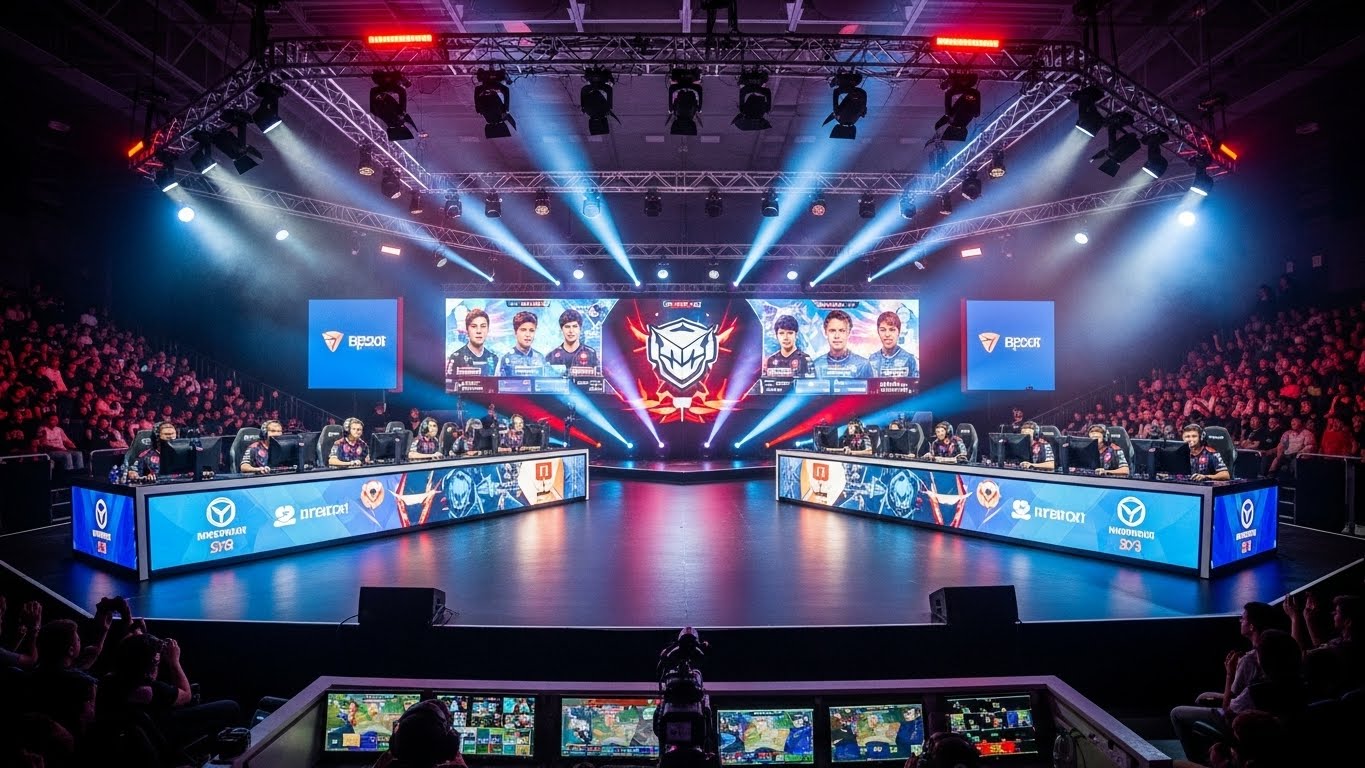
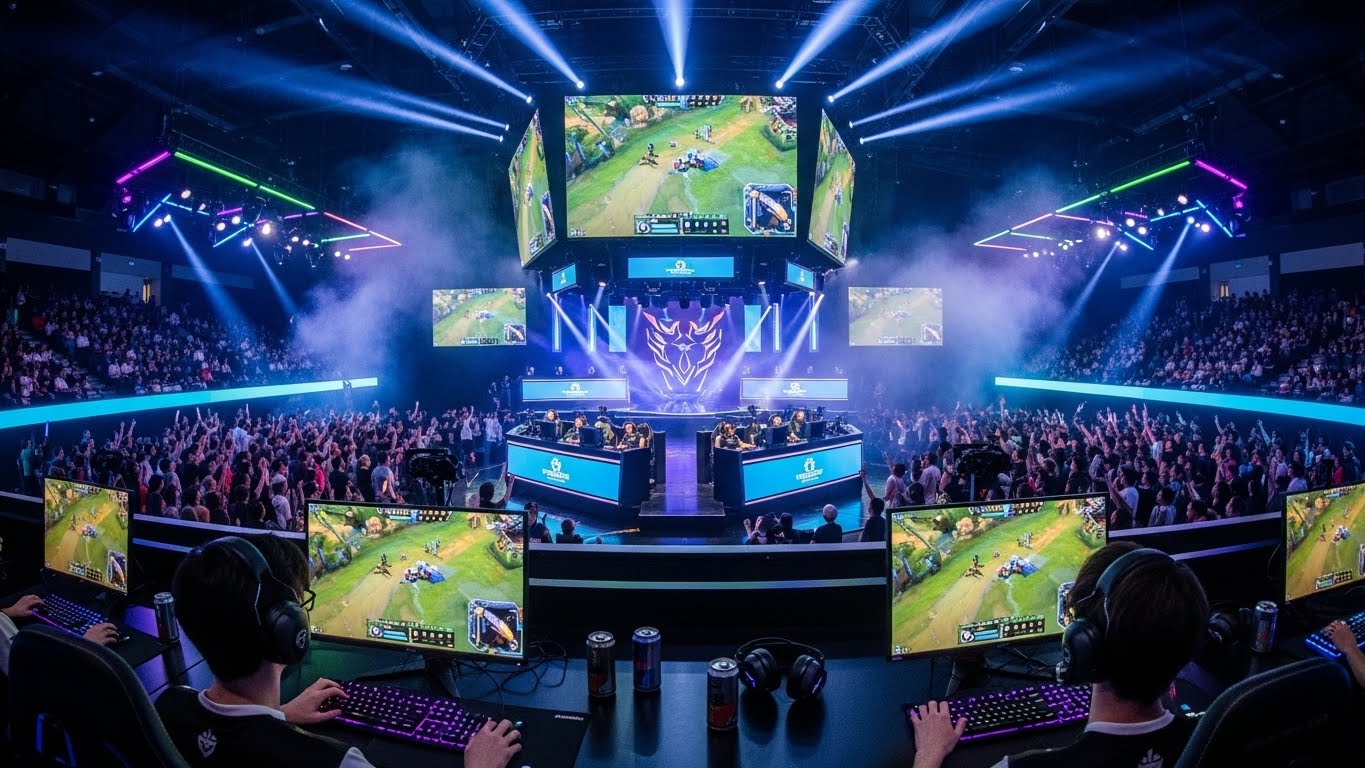
In the last decade, esports has emerged from niche gaming communities to a global phenomenon, attracting millions of fans and generating billions in revenue. Unlike traditional sports, esports is entirely digital, yet it shares many of the same elements: competition, teamwork, strategy, and skill. Players compete in a wide range of games, from multiplayer online battle arenas to first-person shooters and real-time strategy games.
Esports has transformed the way people perceive gaming, turning what was once considered a casual hobby into a professional, high-stakes career path. It has also influenced culture, technology, and the entertainment industry. This blog explores how esports is reshaping competition, fostering talent, driving innovation, and shaping the future of digital entertainment.
The Origins of Esports
Competitive gaming is not a new concept. Tournaments and competitions have existed since the early days of video games in the 1970s and 1980s. Classic games like Pong and Space Invaders attracted competitive players, but it was the rise of personal computers and the internet that truly allowed esports to flourish.
Games like StarCraft in South Korea, Counter-Strike, and League of Legends popularized professional gaming, complete with organized leagues, sponsorships, and fan followings. These early competitions laid the foundation for the professional esports industry we see today, proving that digital competition could captivate audiences just as traditional sports do.
The Structure of Esports Competitions
Esports competitions are highly organized, featuring leagues, tournaments, and championships similar to traditional sports. Professional players often belong to teams, train rigorously, and follow strategies designed to maximize performance. Matches are streamed online, allowing fans around the world to watch in real-time.
Major esports tournaments now rival traditional sports in scale. Events like The International for Dota 2, the League of Legends World Championship, and the Fortnite World Cup attract millions of viewers globally. Prize pools for these competitions often reach millions of dollars, reflecting the level of skill and dedication required to succeed.
Skills Required for Esports Success
Esports demands a unique combination of mental, physical, and strategic skills. Reflexes, hand-eye coordination, and precise timing are essential for fast-paced games, while critical thinking, strategy, and teamwork are crucial for complex, multiplayer games.
Players also need endurance, as professional matches can last several hours. Mental resilience is vital, as the pressure of high-stakes competitions can be intense. The ability to analyze opponents, adapt to evolving game scenarios, and maintain focus under stress separates elite players from casual participants.
The Role of Teams and Collaboration
Team-based esports titles emphasize collaboration, communication, and synergy. Unlike single-player games, these games require players to coordinate strategies, manage resources, and make split-second decisions collectively. Effective teamwork often determines victory, highlighting the importance of interpersonal skills and shared goals.
Professional teams often have coaches, analysts, and support staff, similar to traditional sports organizations. These teams study opponents, develop tactics, and refine strategies to optimize performance. The rise of professional team infrastructure has elevated esports to a level of professionalism comparable to established sports leagues.
Esports and Technology
Technology is at the heart of esports. High-performance computers, gaming peripherals, and reliable internet connections are essential for competitive play. Streaming platforms allow millions of viewers to watch tournaments live, while social media amplifies player popularity and engagement.
Moreover, esports drives technological innovation. Game developers continuously update titles to maintain competitive balance, introduce new features, and enhance gameplay. Virtual reality, augmented reality, and AI-driven analytics are beginning to shape the next generation of esports, pushing the boundaries of digital competition.
Economic Impact of Esports
Esports has grown into a multi-billion-dollar industry. Revenue streams include sponsorships, advertising, merchandise sales, media rights, and ticketed events. Major brands are investing heavily in esports, recognizing its influence over younger audiences and digital communities.
Players themselves have become celebrities, commanding sponsorships, streaming revenue, and prize winnings. Professional esports has created new career paths, including coaching, game analysis, content creation, and event management. This economic ecosystem mirrors traditional sports, demonstrating esports’ legitimacy and global influence.
Esports as a Career
Professional esports players dedicate their lives to training, strategy, and competition. Unlike casual gaming, professional players often practice for eight or more hours daily, following strict schedules to maintain peak performance. Career longevity can be limited due to physical strain, mental fatigue, and intense competition, but top players can achieve fame, financial stability, and a lasting legacy.
Beyond players, careers in esports include broadcasting, event management, game development, coaching, and analytics. Universities and academies are even offering esports programs, emphasizing the growing recognition of esports as a viable professional field.
Mental and Social Benefits of Esports
Contrary to stereotypes, esports offers numerous cognitive and social benefits. Strategic games enhance problem-solving, decision-making, and multitasking abilities. Team-based games promote collaboration, leadership, and communication skills.
Esports also fosters community. Online platforms allow players to connect with others who share their passion, forming friendships and support networks. Competitions bring fans together, creating a sense of belonging and identity similar to traditional sports fandom. For many, esports provides both entertainment and meaningful social interaction.
Challenges and Criticism in Esports
Despite its growth, esports faces challenges. Physical strain, including repetitive stress injuries and vision issues, can affect players. Mental health concerns, such as burnout, anxiety, and stress, are prevalent due to the high-pressure environment of professional competition.
Esports also grapples with ethical issues, including cheating, match-fixing, and toxicity in online communities. The industry continues to develop regulations and support systems to address these challenges, but players, organizers, and developers must work collaboratively to ensure sustainable growth.
The Future of Esports
The future of esports is promising and dynamic. Innovations such as virtual reality competitions, cross-platform gaming, and AI-driven coaching are transforming the landscape. Esports is expanding into mainstream entertainment, with increasing media coverage, partnerships with traditional sports leagues, and inclusion in international multi-sport events.
Esports is also promoting inclusivity. Games are attracting diverse participants across gender, nationality, and age. As technology continues to evolve, esports will remain at the forefront of digital entertainment, blending gaming, competition, and social interaction in unprecedented ways.
Conclusion: Esports as a Cultural Phenomenon
Esports is more than a pastime; it is a cultural and economic force that is reshaping the concept of competition. It combines skill, strategy, teamwork, and technology to create experiences that engage millions worldwide. From fostering talent and creating careers to building communities and driving innovation, esports has a profound impact on society.
As the industry continues to grow, esports will likely redefine entertainment, education, and professional sports for generations to come. It demonstrates that digital competition can be as intense, rewarding, and inspiring as traditional athletic pursuits, proving that the world of sports has entered a new, limitless era.