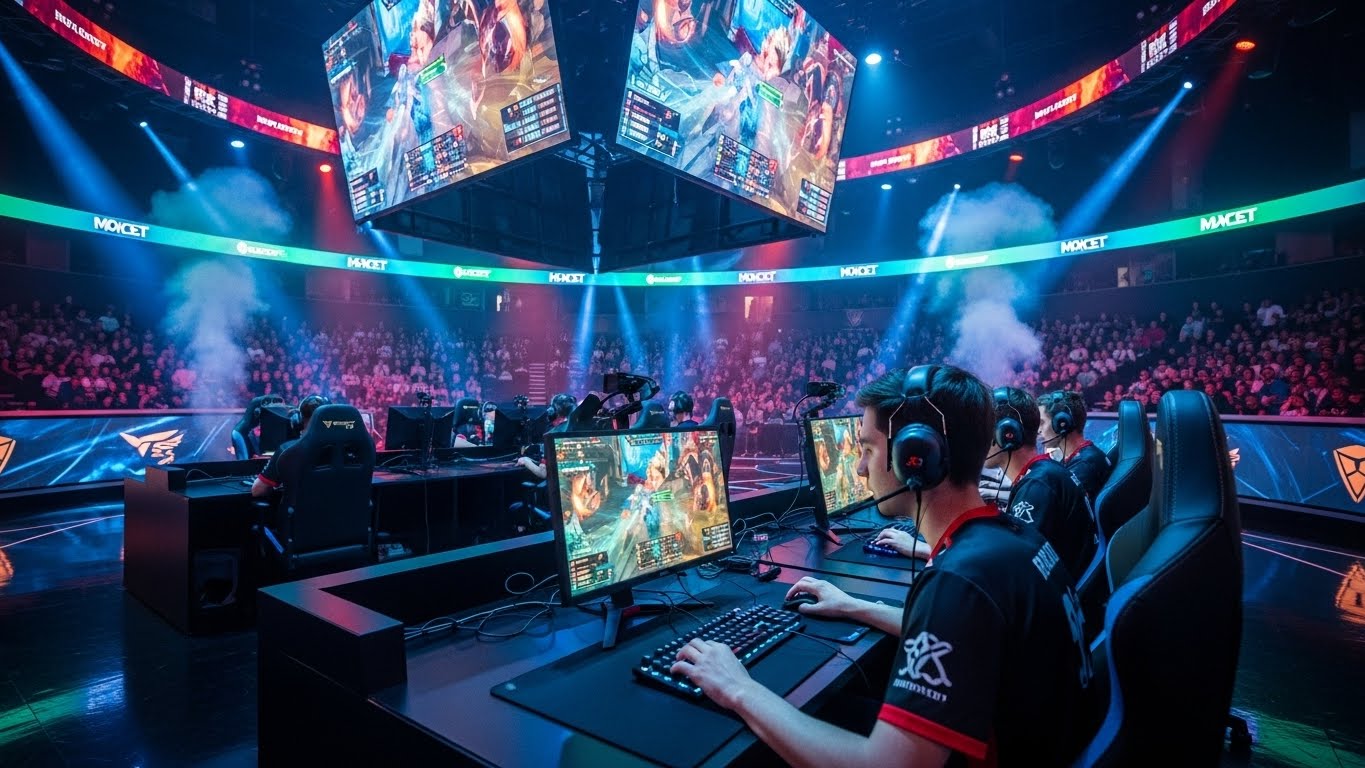
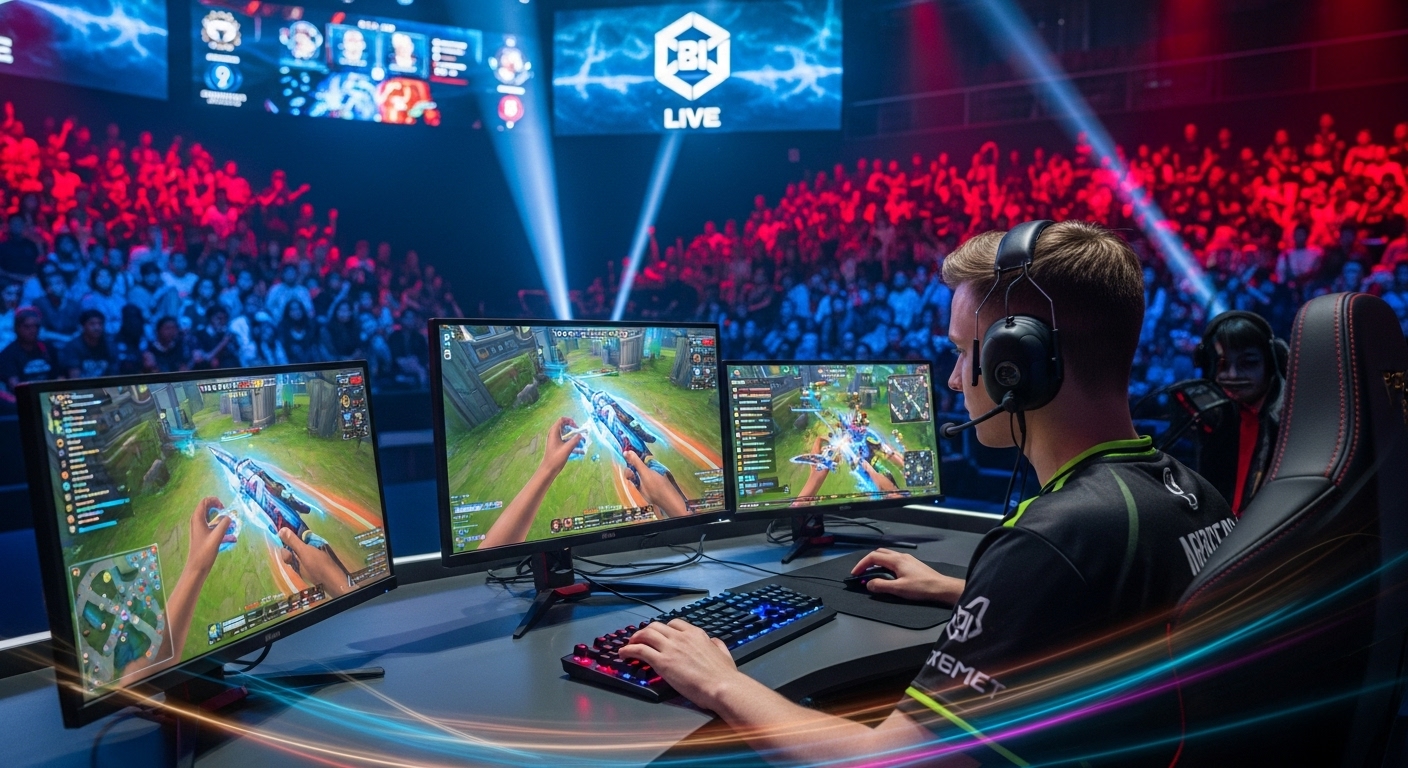
Esports, or competitive video gaming, has transformed from a niche hobby into a global cultural and economic powerhouse. Once considered a pastime reserved for casual players, esports has evolved into a professional arena attracting millions of viewers, substantial sponsorships, and international recognition. This evolution reflects not only technological advancements in gaming but also the shifting landscape of entertainment and competition in the digital age.
Understanding Esports
Esports encompasses competitive gaming in which players or teams compete against one another in organized tournaments, often for substantial cash prizes, prestige, and recognition. Unlike traditional sports, esports is not limited by physical ability but thrives on strategy, reflexes, teamwork, and cognitive skills. Popular esports titles span multiple genres including first-person shooters, real-time strategy games, fighting games, and multiplayer online battle arenas. Games like League of Legends, Dota 2, Counter-Strike, and Fortnite have become household names among esports enthusiasts.
What differentiates esports from casual gaming is the formal structure, rules, and the competitive ecosystem built around it. Professional leagues, sponsorships, live broadcasts, and audience engagement have created a business model comparable to traditional sports leagues. Players train rigorously, much like athletes, often dedicating 8 to 12 hours per day to practice, strategy planning, and reviewing gameplay.
The Historical Evolution of Esports
The history of esports can be traced back to the late 1970s and early 1980s, with the earliest known competitive video game tournaments held in arcades and universities. Titles such as Pong and Space Invaders captured the imagination of players and sparked informal competitions. By the 1980s, larger-scale events, like the Space Invaders Championship, drew thousands of participants and spectators, establishing a foundation for organized competitive gaming.
The 1990s marked a significant leap with the rise of home consoles and personal computers. The introduction of multiplayer games over local networks and the internet revolutionized competition. Games like Quake and StarCraft became iconic in shaping early esports culture. South Korea, in particular, emerged as a hub for esports, where professional leagues and televised matches elevated players to celebrity status.
The 2000s saw the rise of online streaming platforms and major international tournaments. Titles like Counter-Strike, Warcraft III, and DotA attracted global audiences, and sponsorship deals from tech companies, gaming hardware manufacturers, and non-endemic brands legitimized esports as a career path. Today, esports tournaments can fill stadiums and attract viewership comparable to traditional sports finals.
Popular Esports Genres
Esports thrives on diversity, with games spanning various genres, each requiring unique skills and strategies. Understanding these genres helps explain the appeal and growth of competitive gaming.
Multiplayer Online Battle Arena (MOBA)
MOBA games, such as League of Legends and Dota 2, feature teams of players competing to destroy the opposing team’s base while controlling characters with unique abilities. MOBAs demand precise coordination, strategic planning, and individual skill. Tournaments often feature large teams, intricate strategies, and high-pressure decision-making, making them highly engaging for viewers.
First-Person Shooter (FPS)
FPS games, including Counter-Strike: Global Offensive, Call of Duty, and Valorant, emphasize accuracy, reaction speed, and teamwork. Players control characters from a first-person perspective, often engaging in fast-paced combat scenarios. FPS esports competitions reward both mechanical skill and strategic positioning, creating high-stakes, adrenaline-pumping events.
Real-Time Strategy (RTS)
RTS games, such as StarCraft II, challenge players to manage resources, build units, and execute battlefield tactics in real time. These games require immense strategic thinking, multitasking, and foresight. Although less visually flashy than other genres, RTS esports showcases intellectual and tactical prowess.
Fighting Games
Fighting game tournaments, featuring games like Street Fighter, Tekken, and Super Smash Bros., focus on one-on-one or team-based combat. Success relies on precise timing, reading opponents, and mastering complex move sets. Fighting game competitions have a passionate community and have maintained relevance for decades.
Battle Royale
Battle royale games, including Fortnite and PUBG, involve large groups of players competing until only one remains. These games combine elements of survival, exploration, and combat, requiring adaptability and quick decision-making. The genre’s rise has attracted massive audiences, with tournaments offering multi-million-dollar prize pools.
The Professional Esports Ecosystem
Esports has developed a professional ecosystem similar to traditional sports, with players, teams, sponsors, coaches, analysts, and event organizers all contributing to its growth. Professional players often sign contracts with teams, receive salaries, and compete in leagues around the world. Teams maintain rosters, train regularly, and strategize to maximize performance.
Coaches and analysts play a critical role by studying opponents, refining tactics, and guiding players through practice regimes. Sponsorships from technology companies, energy drinks, and even mainstream brands provide financial stability for teams and tournaments. Streaming platforms allow players to engage with audiences directly, building personal brands and expanding the esports fan base.
Major tournaments, such as The International for Dota 2, the League of Legends World Championship, and the Fortnite World Cup, demonstrate the scale and professionalism of esports. Prize pools in these events can reach tens of millions of dollars, attracting top talent and generating global media attention.
Esports and Global Culture
Esports has permeated mainstream culture, influencing entertainment, fashion, and social interaction. Streaming platforms, social media, and content creation have allowed esports players to become cultural icons. Cosplay, fan art, and online communities further reinforce the cultural impact of competitive gaming.
Countries across the globe recognize esports as both an economic and social phenomenon. South Korea, China, and the United States have established esports training facilities, national leagues, and government-supported initiatives to nurture talent. Universities and schools are increasingly offering scholarships and courses in esports management, game design, and competitive training.
Esports has also facilitated inclusivity by providing platforms for individuals who may be marginalized in traditional sports due to physical limitations, age, or geographic constraints. The digital nature of esports ensures that talent can emerge from anywhere in the world.
The Economics of Esports
Esports has grown into a multi-billion-dollar industry, fueled by sponsorships, advertising, merchandise sales, and tournament revenue. Revenue streams include:
- Sponsorships: Technology companies, lifestyle brands, and energy drink manufacturers sponsor teams, players, and tournaments.
- Media Rights: Streaming platforms pay for exclusive rights to broadcast tournaments, creating new revenue channels.
- Merchandise: Team jerseys, accessories, and in-game items generate income while fostering fan loyalty.
- Prize Pools: Competitive events distribute large cash prizes, attracting elite talent.
- Ticket Sales and Live Events: Major tournaments are hosted in arenas with thousands of spectators, combining the excitement of sports with live entertainment.
The financial growth of esports has created career opportunities beyond professional play. Analysts, commentators, event organizers, and marketing specialists now play vital roles in sustaining the industry.
Challenges in Esports
Despite its meteoric rise, esports faces several challenges. Player burnout and mental health issues are prevalent due to the high-pressure environment and intense practice schedules. Injuries related to repetitive strain, vision strain, and poor ergonomics are common among professional gamers.
The industry also struggles with regulatory consistency, including contract disputes, age restrictions, and fair play standards. Ensuring esports maintains competitive integrity while addressing issues like cheating and online harassment is an ongoing challenge.
Another hurdle is societal perception. While acceptance has grown, some still view esports as a hobby rather than a legitimate career. Overcoming stereotypes requires continued education about the skill, dedication, and strategy involved in competitive gaming.
The Future of Esports
The future of esports looks promising. Emerging technologies such as virtual reality and augmented reality may create entirely new genres and viewing experiences. AI and advanced analytics are improving player training, match analysis, and audience engagement. Global expansion into regions like Africa, Latin America, and Southeast Asia suggests that esports will continue to reach new audiences and markets.
Esports may also integrate further with traditional sports, entertainment, and education. Universities may expand esports programs, while traditional sports teams explore partnerships with gaming organizations. The blurring of lines between digital and physical competition could redefine what it means to be a professional athlete.
Furthermore, the rise of mobile esports is democratizing access to competitive gaming. Titles like Mobile Legends, PUBG Mobile, and Free Fire allow players in regions with limited access to high-end PCs or consoles to participate in tournaments, fostering inclusivity and global talent discovery.
Conclusion
Esports has evolved from a niche pastime into a global cultural, economic, and competitive phenomenon. Its growth is fueled by technological innovation, professionalization, and cultural acceptance. With millions of players, fans, and stakeholders involved worldwide, esports represents a new frontier in entertainment and competition. As the industry continues to expand and adapt, it will redefine how society perceives sports, digital interaction, and the boundaries of human skill. The rise of esports is not just a story about gaming; it is a story about the power of passion, technology, and community converging to create a world where virtual competition can rival the most celebrated achievements in traditional sports.