Esports, short for electronic sports, has transformed from a niche hobby into a global phenomenon, redefining what it means to be an athlete in the 21st century. Once dismissed as a pastime for gamers, esports now commands massive audiences, lucrative sponsorship deals, and international competitions that rival traditional sports in both scale and intensity. In this blog post, we will explore the evolution of esports, its cultural and economic impact, the opportunities it presents for players and fans, and the challenges it faces as an industry on the rise.
The Origins of Esports
The origins of esports can be traced back to the late 1970s and early 1980s, when video games first became a source of competitive play. Early competitions were modest affairs, often hosted in arcades or university computer labs. Titles like “Space Invaders” and “Pac-Man” were among the first games to inspire organized contests. The 1980s also saw the advent of home consoles, which brought competitive gaming into living rooms and sparked local tournaments.
The 1990s marked a turning point with the rise of multiplayer PC games such as “Doom,” “Quake,” and “StarCraft.” These games enabled players to connect over local area networks (LANs), creating opportunities for more structured competitions. Major tournaments began to emerge, attracting players from around the globe. By the early 2000s, esports had gained a foothold in Asia, particularly South Korea, where professional gaming became a viable career path.
The Growth of Modern Esports
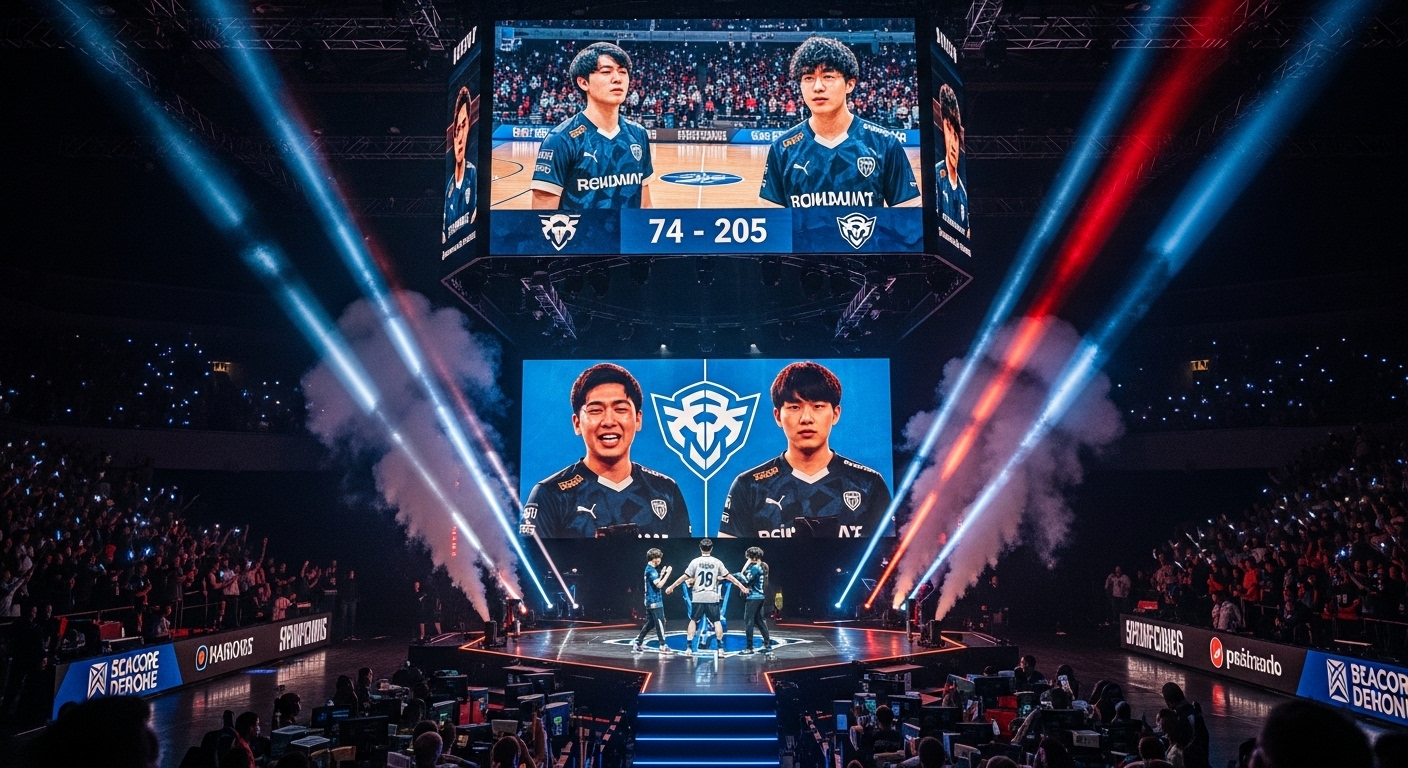
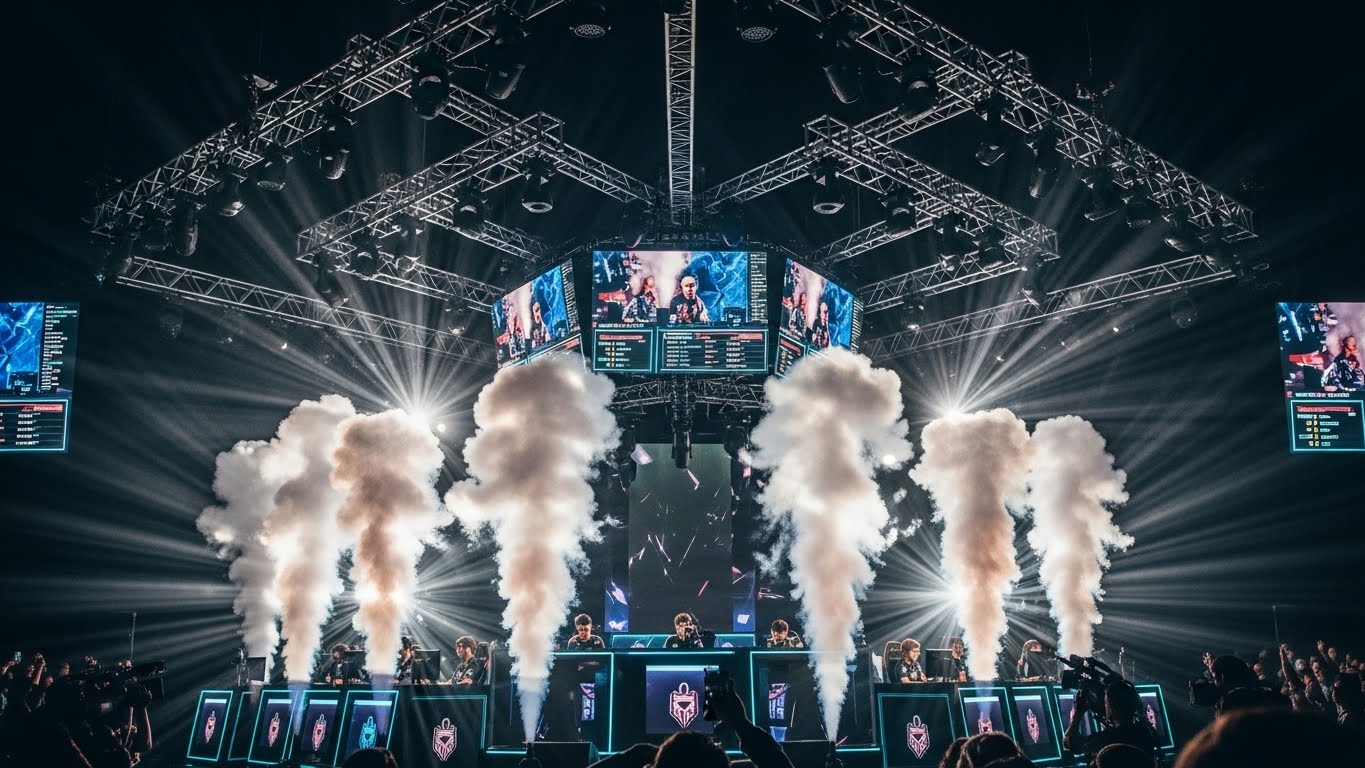
In the last decade, esports has exploded into mainstream recognition. Games like “League of Legends,” “Dota 2,” and “Counter-Strike: Global Offensive” have become household names. Tournaments such as the League of Legends World Championship and The International (Dota 2) draw millions of viewers online and fill stadiums in major cities. Esports organizations now operate like traditional sports franchises, complete with management teams, training facilities, and marketing departments.
Streaming platforms have played a pivotal role in this growth. Services like Twitch, YouTube Gaming, and other live-streaming platforms have enabled players to broadcast their gameplay to global audiences in real-time. This not only increases visibility for individual gamers but also creates opportunities for monetization through subscriptions, sponsorships, and donations. Esports has thus transformed from a hobby into a full-fledged industry capable of generating billions in revenue.
The Economics of Esports
Esports has become a multi-billion-dollar industry, driven by sponsorships, advertising, media rights, merchandise, and ticket sales. Major brands recognize the value of esports as a marketing channel, targeting younger audiences who are increasingly disengaged from traditional media. Companies from a variety of sectors—including technology, beverages, fashion, and automotive—are investing in teams, tournaments, and content creation.
Prize pools for major tournaments have skyrocketed. For instance, The International Dota 2 Championship regularly features prize money exceeding thirty million dollars. Such figures illustrate the high stakes involved and highlight the professionalization of competitive gaming. Moreover, esports organizations now offer player salaries, performance bonuses, and health benefits, further legitimizing gaming as a career path.
Esports as a Career
For many players, esports offers more than just fame and money—it provides a legitimate career trajectory. Professional esports athletes undergo rigorous training schedules, often spending six to ten hours per day honing their skills. They must maintain physical and mental fitness, strategize with their teams, and adapt to ever-changing game metas. Esports coaches, analysts, and managers also play a crucial role in team success, much like in traditional sports.
Career opportunities in esports extend beyond players. Commentators, content creators, event organizers, and marketing professionals contribute to the industry’s ecosystem. Universities have begun offering scholarships for esports athletes, while esports academies provide structured training for aspiring professionals. The increasing legitimacy of esports careers reflects a societal shift in the perception of gaming as a productive and skill-intensive pursuit.
The Social Impact of Esports
Esports is not only an economic powerhouse but also a cultural force. It fosters communities around shared interests, connecting people across the globe through a common love of gaming. Online forums, social media platforms, and Discord servers allow fans and players to interact, discuss strategies, and form friendships. Competitive gaming also encourages teamwork, communication, and problem-solving—skills that are valuable both in and out of gaming contexts.
Moreover, esports has contributed to breaking down traditional barriers in sports participation. Unlike physical sports, esports is accessible to people regardless of their physical abilities or geographic location. This inclusivity has helped expand the definition of competitive sports, offering opportunities for a more diverse range of participants to shine on an international stage.
Challenges Facing the Esports Industry
Despite its rapid growth, esports faces significant challenges that must be addressed for long-term sustainability. One major concern is player burnout. The intense training schedules and high-pressure environment can lead to physical and mental exhaustion, similar to traditional athletes. Many players retire in their early twenties due to the demanding nature of competitive gaming.
Another challenge is the lack of regulatory oversight. Unlike traditional sports leagues, esports operates in a fragmented ecosystem with varying rules, standards, and contractual practices. This can lead to disputes over player rights, cheating, or tournament management. Establishing standardized regulations and labor protections will be crucial to ensuring the industry’s ethical and professional development.
The perception of gaming as a legitimate sport also remains a barrier in some regions. Critics argue that esports lacks the physical rigor of traditional sports and question its value as a competitive pursuit. Overcoming these perceptions requires continued education, advocacy, and the demonstration of esports’ mental, strategic, and collaborative demands.
The Future of Esports
The future of esports is promising and filled with opportunities for innovation. Emerging technologies like virtual reality (VR) and augmented reality (AR) could redefine how games are played and experienced. Imagine spectators immersing themselves in live matches with 360-degree perspectives or players training in fully interactive virtual environments. These advancements have the potential to enhance engagement and broaden the appeal of esports to wider audiences.
Esports is also likely to see further integration with mainstream media. Collaborations with music artists, film franchises, and major sports leagues can create cross-industry synergies, attracting diverse audiences. Educational institutions may expand esports programs, fostering talent development from a younger age and professionalizing the industry further.
The Global Reach of Esports
Esports has transcended national borders, establishing itself as a global phenomenon. Asia remains a dominant force, particularly South Korea and China, where gaming culture is deeply ingrained and government support has facilitated esports infrastructure. North America and Europe are also key players, with extensive professional leagues, sponsorship deals, and international tournaments.
Global competitions foster cultural exchange and international camaraderie. Players from different countries compete on the same stage, showcasing unique strategies, playstyles, and approaches to teamwork. This global connectivity contributes to the growth of esports as a truly international phenomenon, with fans from every corner of the world.
Conclusion: Esports as a Cultural and Economic Powerhouse
Esports has evolved far beyond its humble beginnings as arcade competitions. It has grown into a thriving industry with economic, social, and cultural significance. As technology advances, the audience expands, and professional opportunities diversify, esports continues to redefine what it means to be an athlete, a fan, and a community member in the digital age.
The rise of esports demonstrates the power of digital platforms to create new forms of entertainment and competition. It challenges traditional notions of sports, highlights the value of strategic thinking and teamwork, and offers opportunities for careers that were unimaginable just a few decades ago. While challenges remain, the trajectory of esports points to a future in which competitive gaming is recognized, respected, and celebrated around the world.
The world of esports is more than just a game—it is a digital revolution that continues to shape the culture, economy, and imagination of a generation. Its story is still being written, but one thing is clear: esports is here to stay, and its impact will only continue to grow.