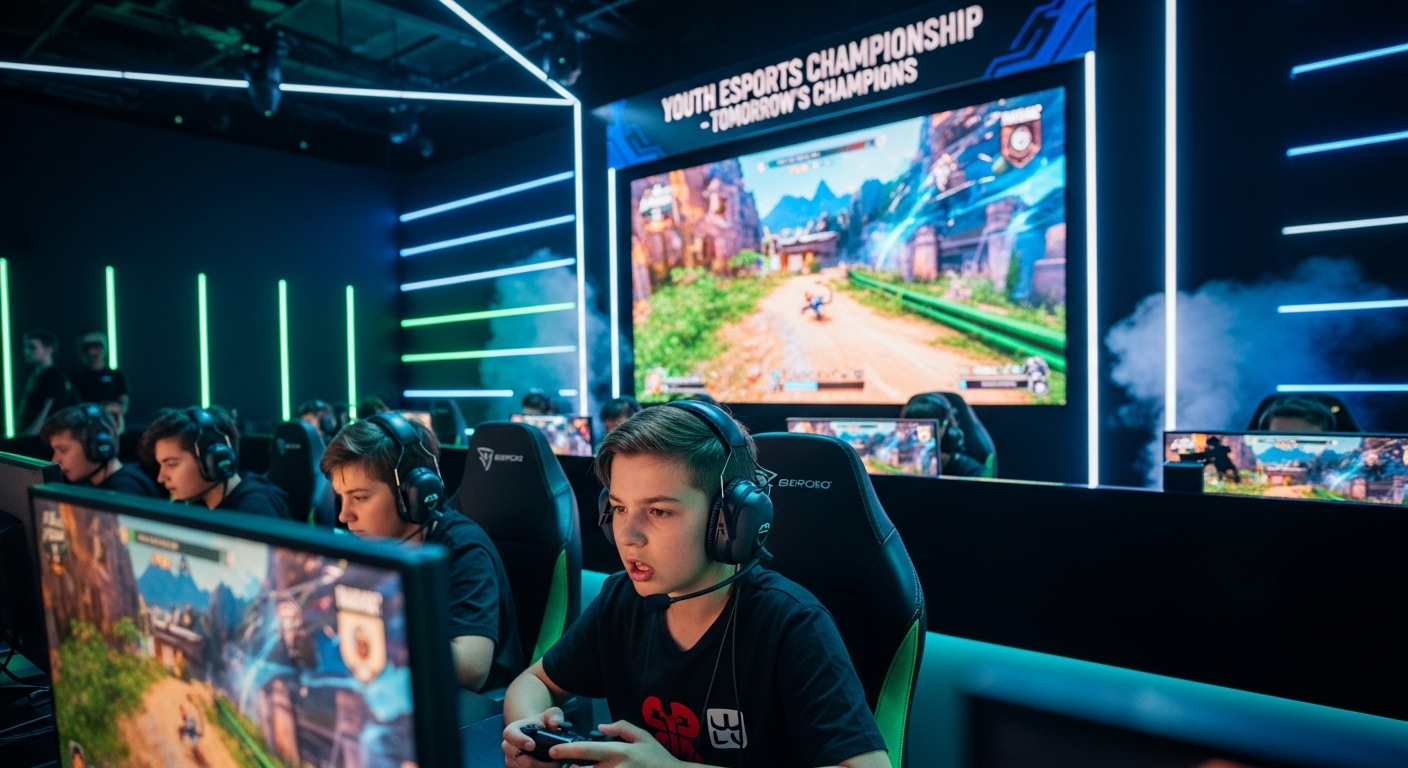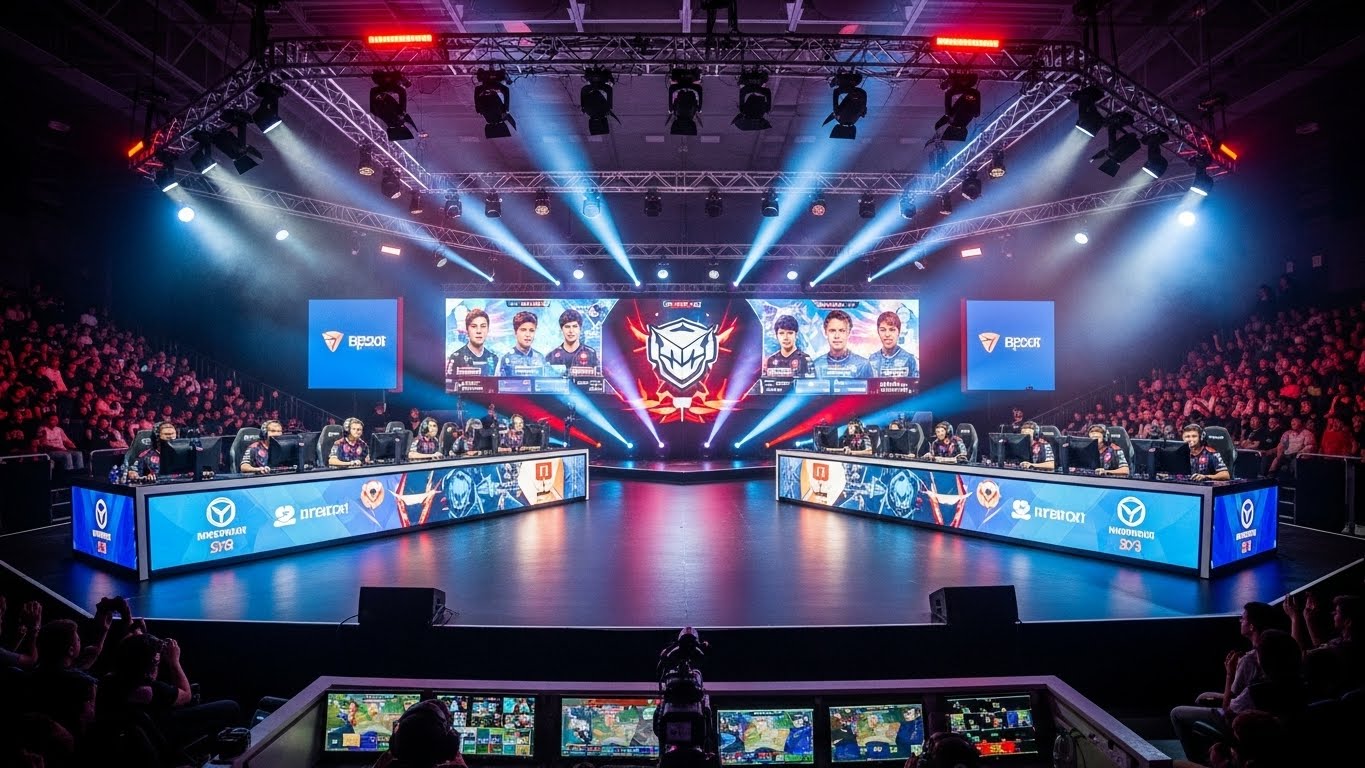
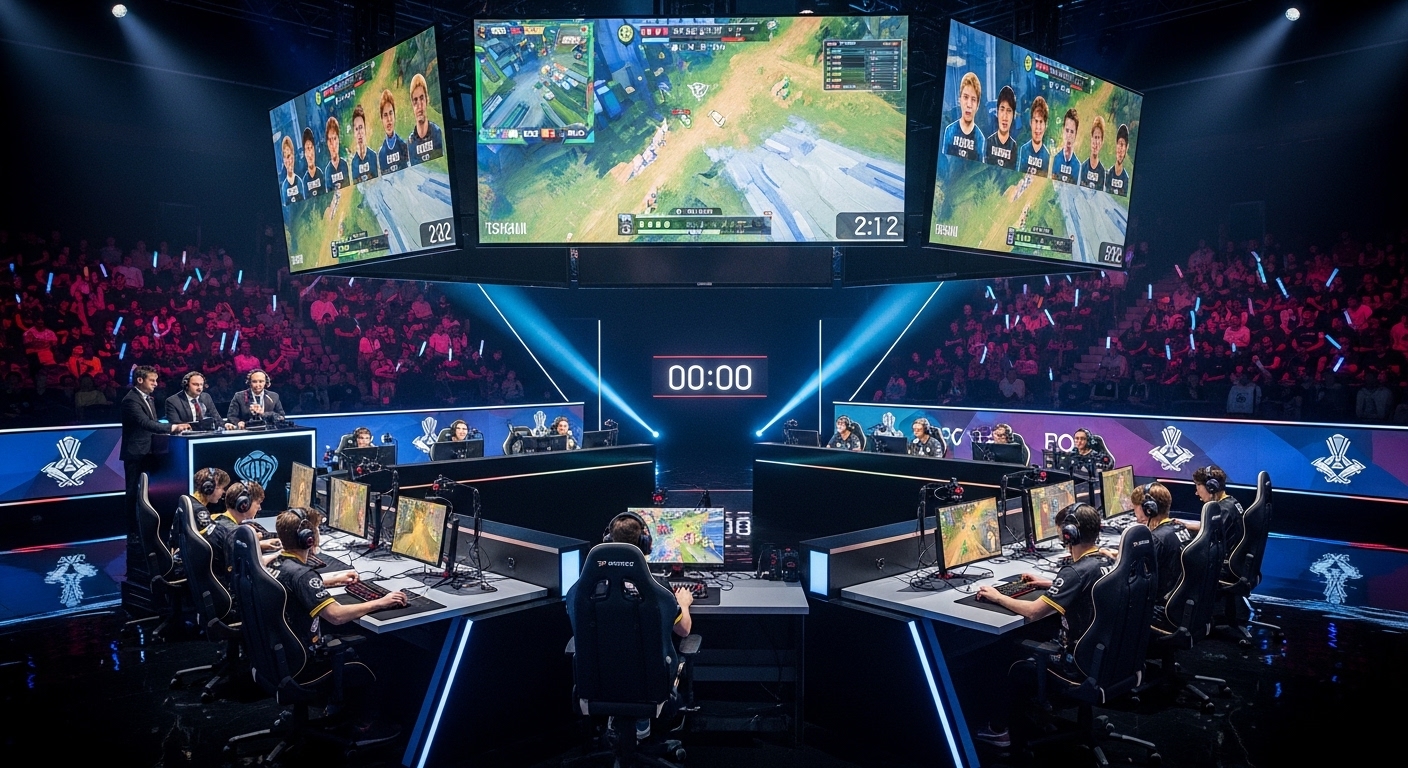
In recent years, Esports has become one of the most exciting and rapidly growing sectors in the global entertainment and sports industries. With millions of viewers around the world, Esports has earned its place alongside traditional sports in terms of both popularity and financial clout. What was once seen as a niche interest, primarily dominated by competitive video games played in basements or small tournaments, has blossomed into a multi-billion-dollar industry that captivates millions.
In this blog, we will explore the rise of Esports, its origins, the players and organizations involved, and how it has transformed into a global phenomenon that continues to grow at an exponential rate. From major tournaments to the development of a robust ecosystem of sponsorships, media rights, and streaming platforms, Esports has firmly established itself in the cultural and economic landscape.
Understanding Esports: What Is It?
Esports, or electronic sports, refers to competitive video gaming where individuals or teams play against each other in organized events. These events can range from online competitions to massive in-person tournaments held in arenas. While competitive gaming has existed in various forms for decades, the term “Esports” specifically refers to professional-level gaming.
Games like League of Legends, Dota 2, Counter-Strike: Global Offensive (CS:GO), Overwatch, Fortnite, Call of Duty, and Valorant are some of the most popular Esports titles. These games often require a combination of skill, strategy, teamwork, and reflexes, much like traditional sports.
Esports is characterized by its highly organized structure, featuring leagues, tournaments, and a dedicated fanbase. The industry’s professional aspect includes players who compete for cash prizes, sponsors, and accolades, often attracting massive audiences online and in-person. Streaming platforms like Twitch, YouTube Gaming, and Facebook Gaming have been crucial in broadcasting these events to fans across the globe.
The Origins of Esports
Esports, as we know it today, began to take shape in the late 1990s and early 2000s. While competitive gaming has a long history dating back to the early arcade days, the notion of Esports as a professional, organized industry really began to emerge with the advent of the internet.
The 1990s: The Early Days
In the 1990s, competitive gaming events were primarily small-scale, with tournaments hosted in local gaming centers or at LAN (Local Area Network) parties. Games like Doom (1993) and Quake (1996) helped set the stage for future competitions, as these first-person shooters required precise aim, fast reflexes, and coordination—traits that would define Esports.
The year 1997 saw the formation of the first-ever major Esports event, the Red Annihilation Tournament, which took place for Quake. This event became a milestone in Esports history, as it introduced the concept of a large-scale, professionally organized tournament with a significant prize pool.
The late 1990s also witnessed the development of online multiplayer gaming, which expanded the scope of competitive gaming beyond local LAN tournaments. With games like StarCraft (1998) and Warcraft III (2002), players could now compete against each other across vast geographical distances, paving the way for international competitions.
The 2000s: The Early Professionalization
As the 2000s dawned, Esports began to grow in scope and sophistication. Tournaments like the World Cyber Games (WCG), founded in 2000, and Electronic Sports World Cup (ESWC), founded in 2003, were among the first to offer global competitions, attracting players from across the globe. These tournaments featured games such as StarCraft, WarCraft III, and Counter-Strike and began to draw sizable audiences, albeit still mostly through niche online communities.
During this period, Esports also started to gain sponsorships, primarily from gaming hardware manufacturers and technology companies. Intel, AMD, and NVIDIA were among the first brands to recognize the potential of Esports sponsorship, providing both financial support and the necessary hardware for professional players to perform at their best.
The growth of broadband internet also played a critical role in Esports’ expansion. Faster internet speeds allowed for smoother online gaming experiences, making it easier for players to participate in international tournaments and for audiences to watch streams without lag. This was crucial for the development of live-streaming platforms, which would become the backbone of Esports viewership.
The Explosion of Esports: 2010s and Beyond
The 2010s marked a transformative period for Esports, as it transitioned from a niche hobby to a globally recognized industry. With the rise of platforms like Twitch, YouTube Gaming, and social media channels, Esports found a broader audience and began attracting mainstream media attention.
Streaming Platforms: The Game Changer
The rise of streaming platforms like Twitch (launched in 2011) and YouTube Gaming (launched in 2015) was a game-changer for Esports. These platforms made it possible for players to broadcast their gameplay live to audiences around the world. Streamers, often professional players or content creators, could interact with fans, build communities, and earn income through advertising, subscriptions, and donations.
Twitch, in particular, played a key role in the rise of Esports, offering a dedicated space for Esports tournaments, content creators, and gaming communities to flourish. It provided a central hub where fans could watch live broadcasts of events, follow their favorite players, and even interact with them in real-time via chat. This sense of community and engagement with players became a hallmark of Esports culture.
Streaming platforms also allowed for the creation of 24/7 content, giving fans access to Esports tournaments, news, and discussions at any time. This consistent exposure helped build a large, dedicated fanbase, which was crucial in attracting sponsorships and investment in Esports.
The Rise of Major Tournaments and Leagues
As Esports grew in popularity, more and more organizations began to create major tournaments with significant prize pools. These tournaments often attracted sponsorships from top-tier brands and brought in large crowds of both live spectators and online viewers.
One of the most well-known and financially lucrative Esports events is The International, the annual Dota 2 tournament hosted by Valve. First held in 2011, The International has grown in size and prestige, with the prize pool often exceeding tens of millions of dollars, making it one of the richest single-tournament prize pools in all of sports.
Another important milestone in Esports development was the establishment of League of Legends World Championship (commonly referred to as Worlds). Since its inception in 2011, League of Legends has become one of the most-watched Esports titles in the world, and its annual World Championship attracts millions of viewers globally. In 2018, the World Championship had a total viewership of over 200 million hours, proving the immense popularity of the game.
The creation of leagues such as the Overwatch League and the Call of Duty League furthered the professionalization of Esports. These leagues operate similarly to traditional sports leagues, with franchised teams, regular seasons, playoffs, and global championships. They have brought a new level of organization, stability, and financial investment to Esports, further fueling its growth.
Investment and Sponsorships
As the viewership of Esports exploded, major companies from outside the gaming industry began to take notice. Brands like Coca-Cola, Pepsi, Nike, and Mercedes-Benz started sponsoring Esports events, while broadcasters such as ESPN and Fox Sports began airing Esports competitions on television. In addition to these sponsorships, investment in Esports organizations became increasingly common, with venture capital firms and even traditional sports owners getting involved.
Esports organizations began signing sponsorship deals with a range of industries, including technology, energy drinks, telecoms, and even traditional sports teams. This influx of capital helped Esports become more structured and professional, leading to better facilities for players, larger tournament prize pools, and more robust support systems for teams.
The Development of Esports Ecosystems
With the increasing professionalization of Esports, the development of a broader ecosystem around it became inevitable. This ecosystem includes game developers, tournament organizers, sponsors, broadcasters, content creators, and, of course, the players themselves.
Game developers, such as Riot Games (the creators of League of Legends) and Valve (the creators of Dota 2), are key players in the Esports ecosystem. They provide the platforms and infrastructure for competitive gaming and often collaborate with tournament organizers to create official events. Some developers even create their own leagues, ensuring that their games remain at the forefront of the competitive gaming scene.
Tournament organizers, like ESL and DreamHack, play a crucial role in organizing events, securing sponsorships, and broadcasting competitions. These events are often streamed live, drawing large online audiences, and are sometimes broadcast on television, helping Esports reach mainstream audiences.
In addition to players and teams, there is also a growing number of Esports-related careers, including analysts, coaches, broadcasters, journalists, and content creators. These individuals contribute to the growth of the industry by creating content, providing commentary, and analyzing gameplay, further fueling the professional nature of Esports.
The Future of Esports
Esports shows no signs of slowing down. In fact, the future looks incredibly bright for this fast-growing industry. Here are a few key trends that will likely shape the future of Esports:
1. Expansion into New Markets
As Esports continues to grow globally, new regions, particularly in Asia, Africa, and South America, are expected to become key markets. Esports organizations and sponsors will likely expand their efforts into these regions, where there is a growing interest in gaming and competitive sports.
2. Esports as a Traditional Sport
With the rise of professional leagues and dedicated teams, Esports is moving closer to being viewed as a traditional sport. In some countries, it is already being included in major sports events, with Esports tournaments featured as part of events like the Asian Games.
3. Increased Investment and Commercialization
As Esports continues to attract larger audiences and bigger sponsors, the level of investment in teams, tournaments, and infrastructure will increase. This will lead to further professionalization of the industry, with better facilities, larger salaries for players, and higher-quality content for viewers.
4. Technological Advancements
With the advent of new technologies, such as virtual reality (VR), augmented reality (AR), and artificial intelligence (AI), Esports will continue to evolve. These innovations could lead to new game formats, more immersive viewing experiences, and enhanced player performance.
5. The Role of Women in Esports
While Esports has traditionally been male-dominated, there is a growing push for more inclusivity, and more women are starting to make their mark in the industry as players, commentators, coaches, and broadcasters. The future of Esports will likely see more gender diversity as barriers continue to break down.
Conclusion
Esports has evolved from a niche interest to a global cultural phenomenon, and its influence continues to grow at an astounding rate. The professionalization of the industry, combined with increased investment, innovative tournament formats, and a rapidly expanding global fanbase, ensures that Esports will remain at the forefront of entertainment for years to come.
Whether you’re a casual gamer or a die-hard fan, Esports offers something for everyone. From thrilling competitions to the development of new technologies and career opportunities, Esports is an industry that is constantly evolving. The future of Esports looks bright, and it will undoubtedly continue to shape the landscape of entertainment, sports, and digital culture for generations to come.