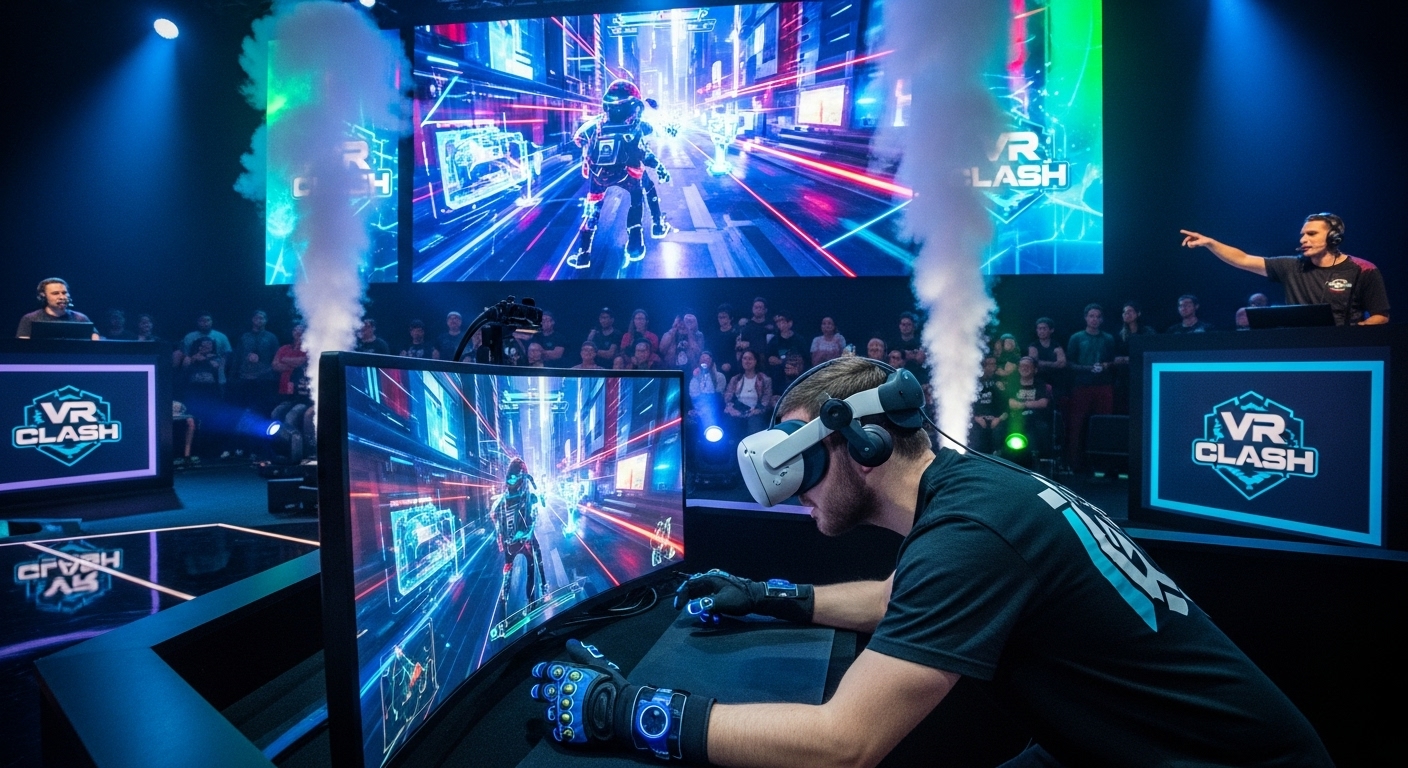
Esports has grown from small LAN parties to stadium-filling global events. Competitive gaming now attracts millions of viewers worldwide, with players and teams becoming household names. But behind every successful esports brand lies one powerful tool: social media.
In today’s digital-first world, social media isn’t just a communication channel. It’s the heartbeat of esports culture, shaping fan engagement, player branding, sponsorship value, and community growth. For players, teams, and organizations, mastering social media is the difference between obscurity and global fame.
This blog explores the role of social media in esports, why it matters, and how players and teams can use it effectively to grow a loyal fanbase.
Why Social Media Matters in Esports
Esports thrives online. Unlike traditional sports, where stadiums, TV broadcasts, and newspapers play a central role, esports lives on streaming platforms and digital communities. Fans want constant updates, behind-the-scenes content, and real-time interaction.
Social media fills that gap.
It provides players and teams with:
- Direct communication with fans – No middleman, no waiting.
- Personal branding opportunities – A player’s Twitter or TikTok can be as valuable as their in-game performance.
- Sponsor visibility – Social media reach is a key factor in signing partnerships.
- Global expansion – A tweet or Instagram post reaches fans worldwide instantly.
For an industry that is fueled by youth and digital-native audiences, social media isn’t optional. It’s essential.
Building a Personal Brand
One of the most powerful aspects of social media in esports is personal branding.
In traditional sports, athletes often rely on their performance and the league’s promotional efforts to gain fame. In esports, however, players can craft their own image.
A strong social media presence allows a gamer to:
- Share their journey from amateur to pro.
- Highlight their skills and achievements.
- Show personality outside of competition.
- Attract sponsors and collaborations.
For example, a pro player who streams on Twitch, shares highlights on TikTok, and posts opinions on Twitter builds a multi-layered brand. Fans don’t just see them as a competitor, but as an entertainer and influencer.
The most beloved esports figures are often those who engage beyond the game itself.
Esports Teams and Social Media Strategy
Just like players, organizations must build their identity online.
Top esports teams like T1, Cloud9, and Fnatic are not only successful in tournaments but also on platforms like Instagram, Twitter, and YouTube. Their posts mix professional highlights with fun, casual content to keep fans hooked.
Key elements of a good team social media strategy include:
- Consistent Branding – A recognizable logo, color scheme, and tone of voice.
- Behind-the-Scenes Content – Fans love seeing bootcamps, team meals, and travel vlogs.
- Player Spotlights – Highlighting each player’s personality helps fans connect.
- Interactive Posts – Polls, memes, and fan shoutouts build community.
- Localized Content – Posting in different languages to reach global fans.
Esports teams that nail social media create a fanbase that sticks with them through wins and losses.
Platforms That Matter Most
Not all social platforms are equal in esports. Different platforms play different roles.
1. Twitter (X)
Twitter remains the go-to platform for esports news and discussions. Fans want live updates, match results, roster changes, and banter. Quick posts and memes perform best.
2. Instagram
Instagram highlights the lifestyle side of esports. Photos of players, team merch, and tournament moments thrive here. Stories and reels keep fans engaged daily.
3. TikTok
TikTok is massive for short-form content. Esports orgs share highlights, funny skits, and viral challenges. It’s the best platform to capture younger audiences.
4. YouTube
YouTube is where long-form content shines. Vlogs, documentaries, tutorials, and highlight reels build deeper fan loyalty.
5. Twitch & Kick
While not traditional “social” platforms, streaming sites are essential for esports. Live interaction builds authenticity and fan trust.
Each platform adds a layer to an esports brand. Successful players and teams use a mix rather than relying on just one.
Storytelling Through Content
At its core, social media is about storytelling. Fans don’t just want scores—they want narratives.
Some of the most successful esports campaigns are built around storytelling:
- A rookie’s journey to the big leagues.
- A comeback story after years of struggle.
- The drama of rivalries between top teams.
- Emotional behind-the-scenes footage before and after matches.
By sharing these stories, players and teams create emotional investment. Fans aren’t just watching games; they’re rooting for human stories.
The Role of Memes and Humor
Esports audiences love memes. Humor is part of the culture, and the best teams know how to use it.
A clever meme during a tournament can spread faster than the tournament itself. When teams engage in playful banter, it makes the competition feel more alive.
But humor must be balanced. Too much can make a brand seem unprofessional, while the right mix creates a fun, approachable identity.
Fan Engagement: Turning Viewers into Community
Social media in esports isn’t just broadcasting—it’s conversation.
Successful players and teams actively engage fans through:
- Replying to comments and tweets.
- Hosting Q&A sessions.
- Running contests and giveaways.
- Shouting out fan art and cosplay.
- Creating Discord servers for direct community interaction.
This turns passive viewers into active participants. A fan who feels noticed is far more likely to become loyal and even promote the team themselves.
The Business Side: Sponsorships and Monetization
Sponsors in esports don’t just look at tournament wins anymore. They care about reach and engagement.
A player with strong social media numbers can be more attractive to brands than one with slightly better in-game performance. Why? Because social media equals visibility.
Sponsors benefit from:
- Logo placements in social posts.
- Influencer-style product promotion.
- Branded content collaborations.
- Event hype-building campaigns.
The more engaged the fanbase, the higher the sponsorship value. This is why esports organizations heavily invest in social media teams.
Challenges of Social Media in Esports
While social media offers huge opportunities, it comes with challenges.
1. Toxicity
Esports communities can be passionate but also toxic. Players must learn to filter negativity without disengaging from fans.
2. Pressure to Post
Being active constantly can be exhausting. Players need balance to avoid burnout.
3. Cancel Culture & Mistakes
One poorly thought-out tweet can harm a career. Reputation management is crucial.
4. Platform Algorithms
Changing algorithms can limit reach. Teams must adapt strategies constantly.
Handling these challenges is just as important as creating good content.
Case Studies of Social Media Success in Esports
Several esports players and teams have mastered social media, setting examples for others.
- Tyler “Ninja” Blevins grew beyond esports into mainstream celebrity thanks to his streaming and social media presence.
- FaZe Clan became a lifestyle brand as much as an esports team, leveraging content creation to dominate online culture.
- G2 Esports is known for its witty, meme-filled Twitter presence, making them one of the most recognizable orgs worldwide.
These examples show that social media can elevate an esports brand to cultural relevance.
The Future of Social Media in Esports
Looking ahead, social media in esports will only grow more influential.
Trends shaping the future include:
- Short-form dominance – TikTok-style clips will lead engagement.
- AI-driven content – Automated highlights, AI editors, and personalized fan interactions.
- Virtual fan experiences – AR and VR integrations for social engagement.
- Creator-player hybrids – More pros will double as content creators.
The lines between influencer, athlete, and entertainer will continue to blur.
Tips for Growing a Fanbase in Esports Through Social Media
To wrap up, here are actionable tips for players and teams:
- Be consistent. Post regularly across platforms.
- Mix content. Share highlights, personal stories, and casual fun.
- Engage. Reply, comment, and connect with fans.
- Stay authentic. Audiences can tell when content feels forced.
- Collaborate. Partner with other players, teams, or creators.
- Track analytics. Learn what works and double down.
- Protect mental health. Balance content with personal downtime.
By following these steps, players and teams can build communities that go beyond just watching matches.
Conclusion
Social media is no longer just a side activity for esports—it’s the foundation of growth. It drives fan engagement, sponsorships, and global recognition. For players, it’s the ultimate tool to build a personal brand. For teams, it’s the pathway to long-lasting fan loyalty.
The esports scene is competitive, but social media levels the playing field. With creativity, authenticity, and strategy, anyone can grow a fanbase that lasts beyond the game itself.