
In recent years, esports has evolved from a niche hobby into a massive global phenomenon, captivating millions of fans and players worldwide. What was once a small subculture of competitive gaming has exploded into an industry that rivals traditional sports in terms of viewership, sponsorships, and media attention. As the lines between entertainment and gaming continue to blur, esports has become an integral part of modern culture, offering new opportunities for both players and fans alike.
In this blog, we’ll explore the rise of esports, the factors contributing to its growth, and how it is shaping the future of entertainment in the digital age.
The Rise of Esports: From Hobby to Global Phenomenon
Esports, short for electronic sports, refers to organized, multiplayer video game competitions, particularly between professional players, individually or as teams. While video game competitions have existed since the early days of gaming, esports as we know it today began to take shape in the late 1990s and early 2000s with the advent of high-speed internet and more sophisticated gaming technology.
The first major milestone in the development of esports was the launch of games like StarCraft, Counter-Strike, and Warcraft III, which became popular titles in the competitive gaming community. As online gaming grew in popularity, so did the competitive scene, with tournaments and leagues emerging to cater to the growing number of professional players. However, it wasn’t until the mid-2000s, with the rise of platforms like Twitch and the introduction of large-scale tournaments like the League of Legends World Championship, that esports truly started to gain mainstream recognition.
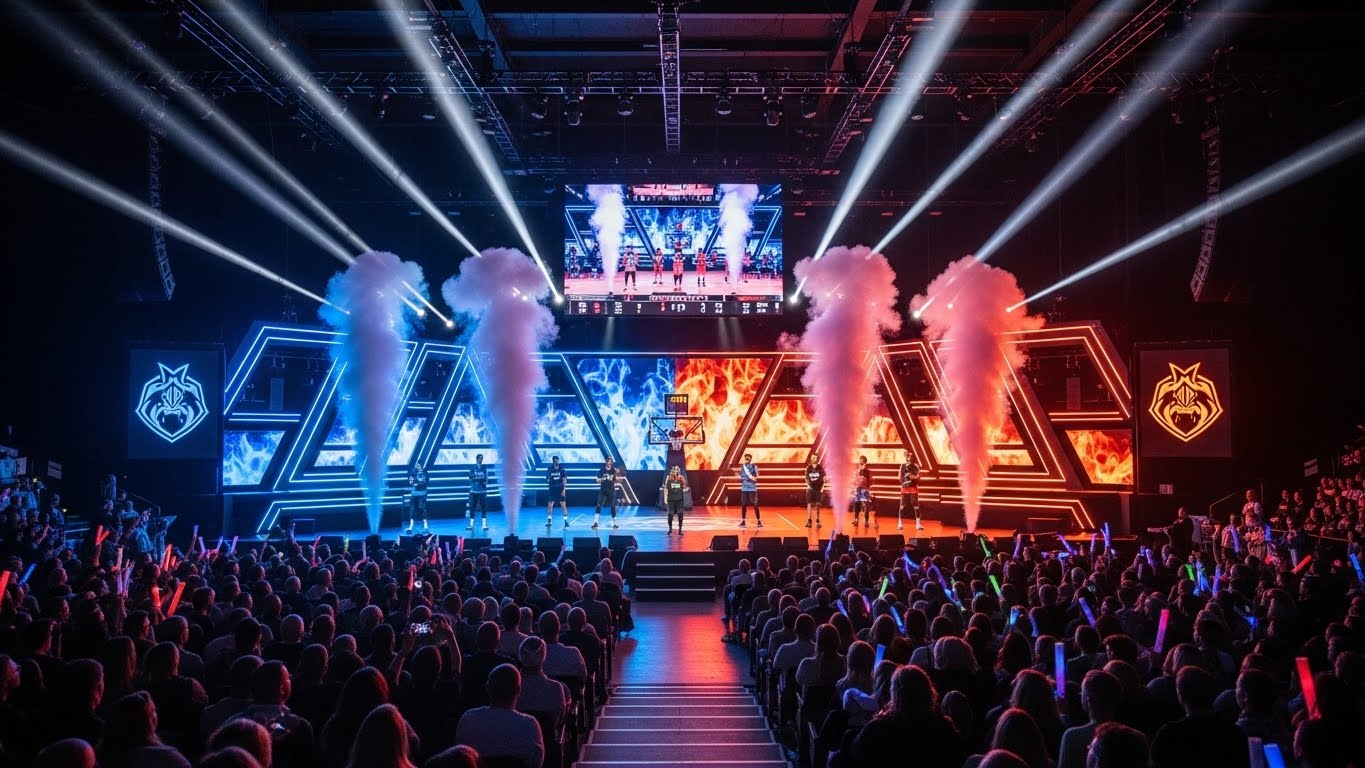
Today, esports boasts a global audience that spans all continents, with massive tournaments drawing millions of viewers online and in-person. Major esports titles like League of Legends, Dota 2, Counter-Strike: Global Offensive, and Fortnite have become household names, while esports personalities and teams have achieved celebrity status, thanks to social media and streaming platforms.
The Mechanics of Esports: Competitive Gaming at Its Core
At its core, esports is about competition, skill, and strategy. The games played in esports are typically multiplayer online games that require both individual skill and team coordination. These games often fall into specific genres, including real-time strategy (RTS), first-person shooters (FPS), multiplayer online battle arena (MOBA), battle royale, and fighting games.
For example, League of Legends (MOBA) revolves around teams of five players who must work together to destroy the opposing team’s base, all while managing resources, combating enemies, and strategically coordinating with teammates. Dota 2, another popular MOBA, has a similar format but with different gameplay mechanics. Counter-Strike: Global Offensive, an FPS, is all about precision, strategy, and team dynamics as two teams face off to either plant or defuse a bomb.
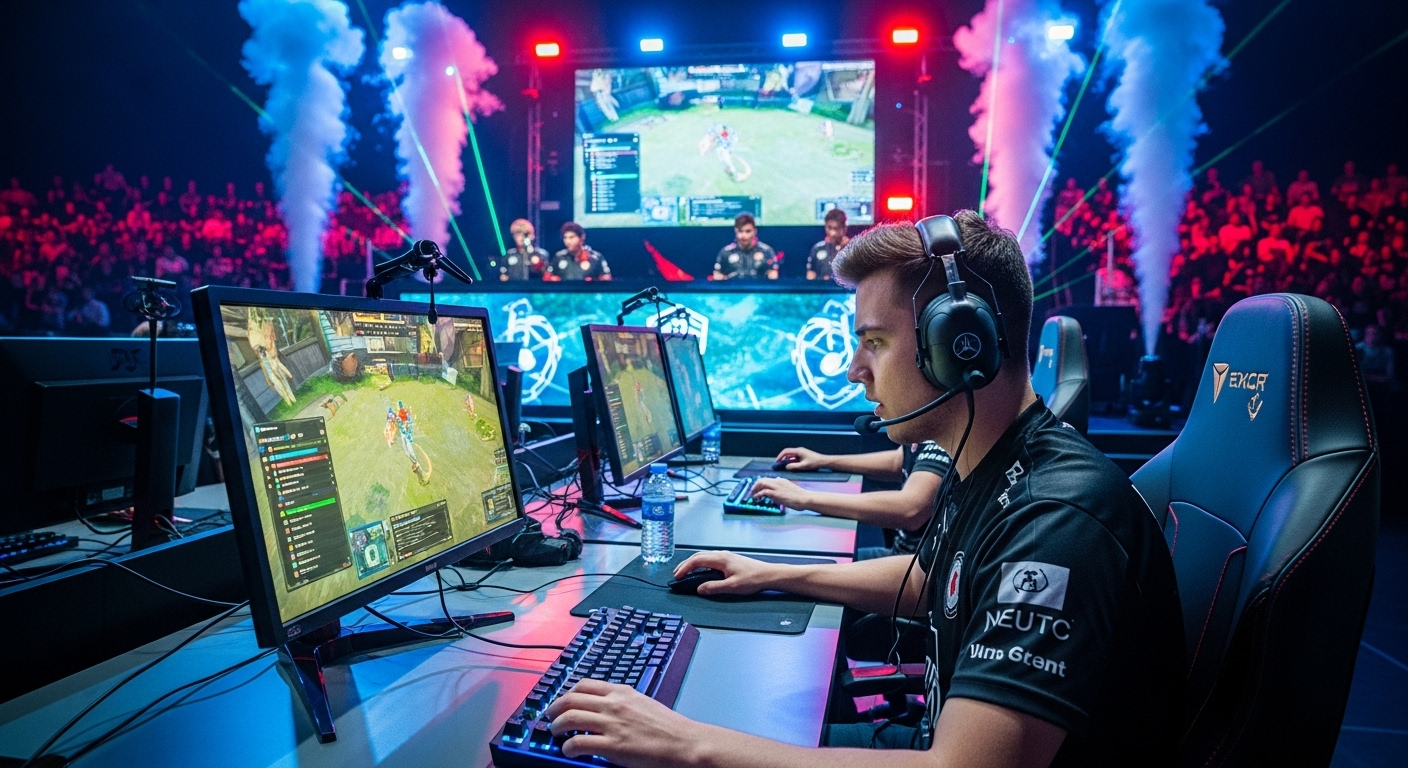
What makes esports particularly exciting is the high level of competition. Professional players spend hours practicing and refining their skills, working with coaches and analysts to develop strategies, and studying their opponents. The level of commitment and dedication required to succeed in esports is comparable to that of traditional sports, making it a true athletic endeavor in its own right.
The Role of Streaming and Digital Platforms in Esports Growth
One of the key factors behind the rise of esports is the role of streaming platforms. Platforms like Twitch, YouTube Gaming, and Facebook Gaming have transformed how fans engage with esports content. Streaming has made it easier than ever for fans to watch their favorite players and teams compete in real-time, without the need for a television broadcast or cable subscription.
Twitch, in particular, has played a pivotal role in democratizing esports, allowing anyone with a computer and internet connection to stream their gameplay. The platform has created a space for both professional gamers and aspiring streamers to showcase their skills, connect with audiences, and build personal brands. Many professional esports players started their careers as streamers, growing their fan bases by streaming daily gameplay and interacting with their audience.
Streaming also allows for real-time engagement, where fans can chat with players, cheer on their favorite teams, and even influence the direction of games through interactive features. This sense of connection and interactivity has created a new form of fan culture that is unique to esports, making it more than just a passive viewing experience.
Esports: Big Business and Major Sponsorships
The growth of esports has turned it into a highly lucrative industry, attracting major brands and corporations that see value in tapping into its large, engaged audience. Esports sponsorships are a significant revenue stream, with companies like Intel, Nike, Red Bull, and Coca-Cola backing esports events, teams, and players. These sponsorships often include branded merchandise, event marketing, and exclusive partnerships that bring even more attention to the esports ecosystem.
In addition to sponsorships, esports has become a key player in the advertising and media sectors. Streaming platforms like Twitch and YouTube monetize through ads, while large-scale esports events often attract huge audiences, both online and in-person, with ticket sales and broadcast rights generating millions of dollars in revenue. Esports broadcasting has even started to make its way onto traditional TV networks, further legitimizing its place in mainstream entertainment.
The increasing presence of major investors and media companies in esports further underscores its potential as a mainstream entertainment industry. In fact, some esports tournaments now offer prize pools in the tens of millions of dollars, making it a viable career option for top-tier players.
The Esports Fanbase: Global and Diverse
One of the most fascinating aspects of esports is its diverse and global fanbase. Unlike traditional sports, where the fanbase is often regional or national, esports attracts fans from all over the world. Thanks to the internet and online platforms, anyone, regardless of location, can watch esports tournaments or follow their favorite players.
The accessibility of esports has helped foster a passionate, inclusive community where fans from different cultures, backgrounds, and languages come together to share their love for gaming. Esports fans are not just passive observers; they are active participants in the experience, engaging on social media, creating content, and supporting their favorite teams. This level of community engagement is something that traditional sports have struggled to replicate.
Moreover, the gaming world is a space where diversity thrives. Esports offers opportunities for both male and female players, as well as gamers of all ethnicities and backgrounds, to compete at the highest level. The inclusivity and welcoming nature of the esports community have made it a space where anyone with talent and dedication can succeed.
The Future of Esports: Innovation and Expansion
As esports continues to grow, the future looks incredibly promising. One of the most exciting developments is the integration of virtual reality (VR) and augmented reality (AR) into esports competitions. These technologies have the potential to create fully immersive gaming experiences, where players feel like they are physically inside the game. VR and AR could reshape how tournaments are played, broadcasted, and experienced by fans.
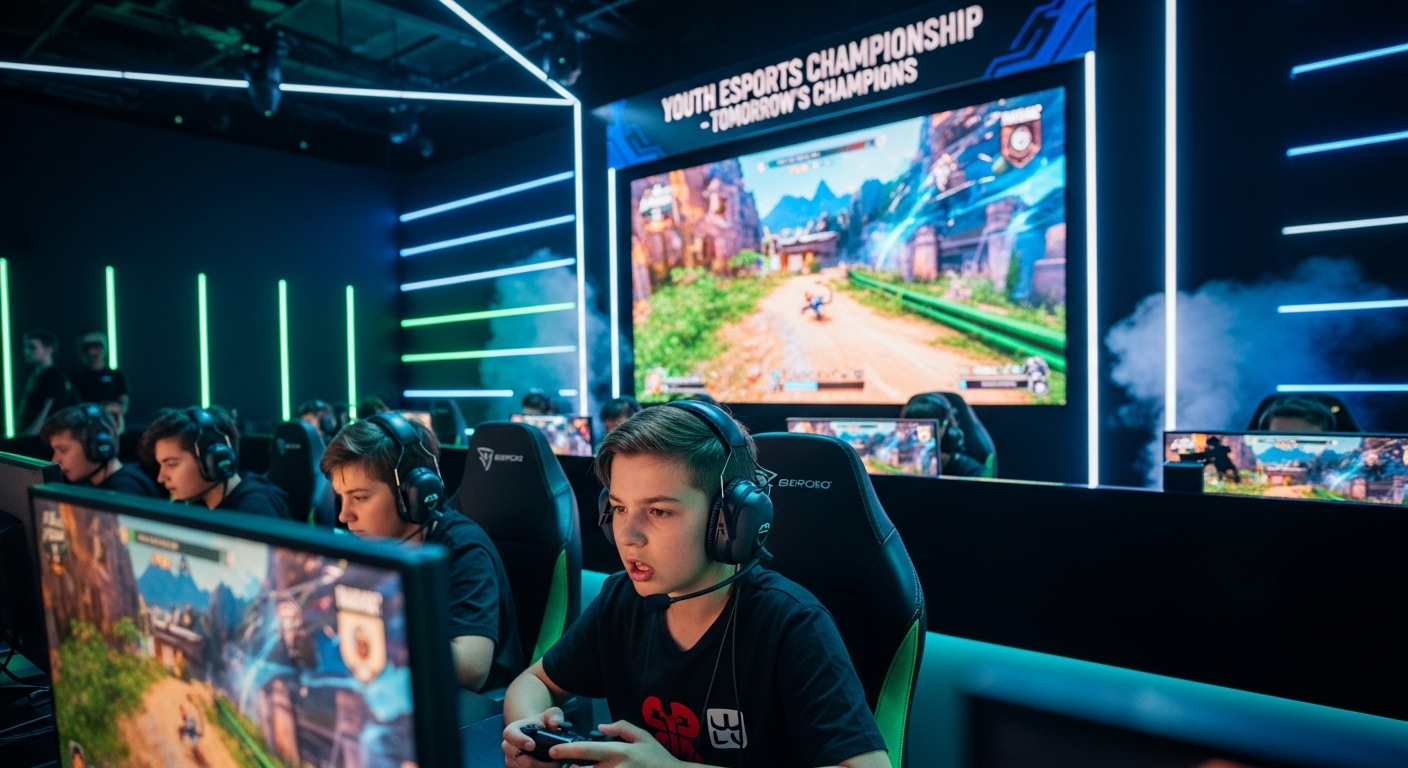
Another trend that could shape the future of esports is the rise of esports in education. Many schools and universities are now offering scholarships for esports players, while academic institutions are even starting to introduce esports programs to help nurture the next generation of players, coaches, analysts, and streamers. This move will help solidify esports as a legitimate career path and give it even more mainstream recognition.
Additionally, the expansion of esports into Olympic-style events could further increase its global appeal. Talks about including esports as an official Olympic sport have been gaining traction, and the day when professional esports players compete for Olympic medals may not be far off.
Conclusion: Esports, a New Era of Competitive Entertainment
Esports is no longer just a hobby for gamers—it’s a global industry, an entertainment juggernaut, and a legitimate career path for many talented individuals. With its growing fanbase, lucrative sponsorships, and the rise of digital streaming platforms, esports has proven that it’s more than just a passing trend.
As technology continues to evolve, and with the continued support of global investors and fans, esports is set to become an even more significant part of our digital entertainment culture. For both players and fans alike, the future of esports is exciting, and its influence on the entertainment world is only just beginning. So, whether you’re a player, a fan, or someone new to the scene, there’s never been a better time to dive into the world of esports.