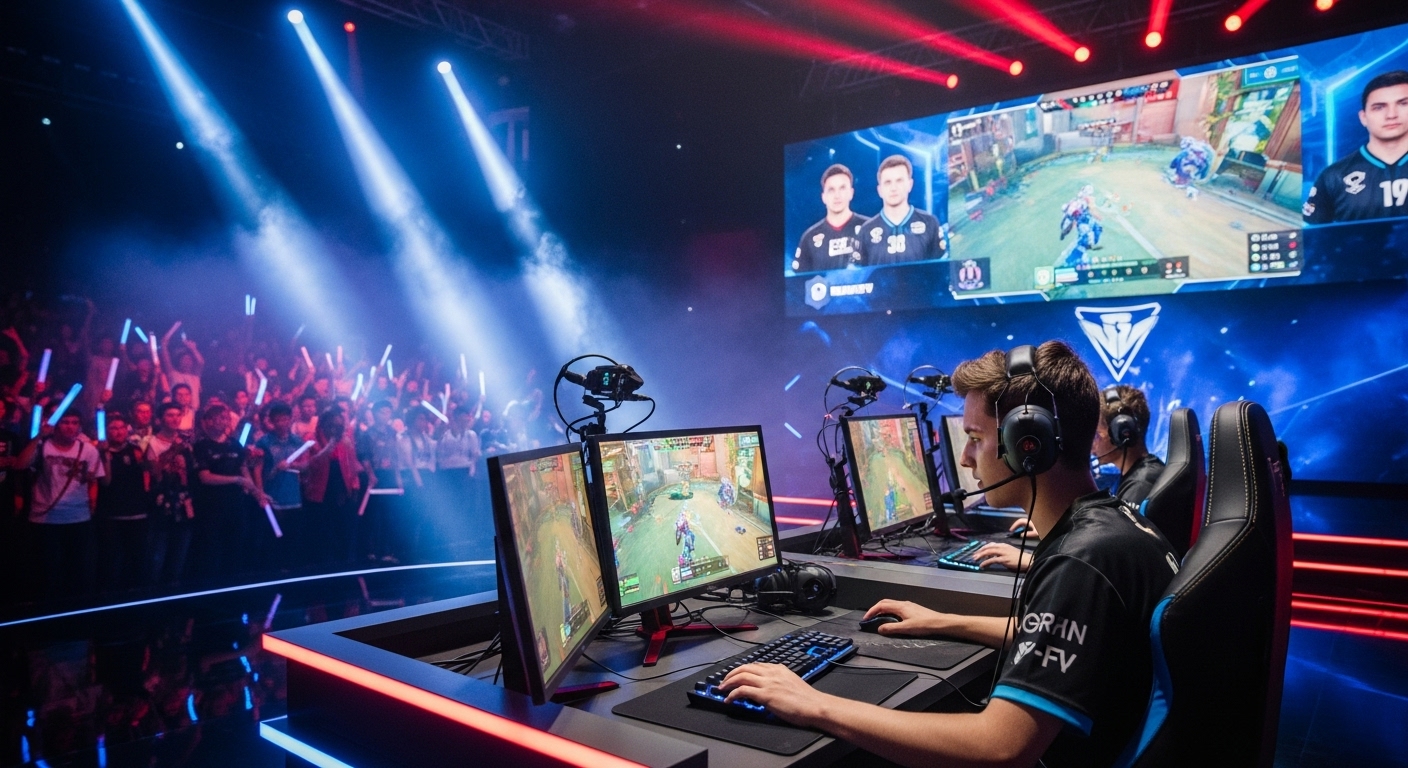
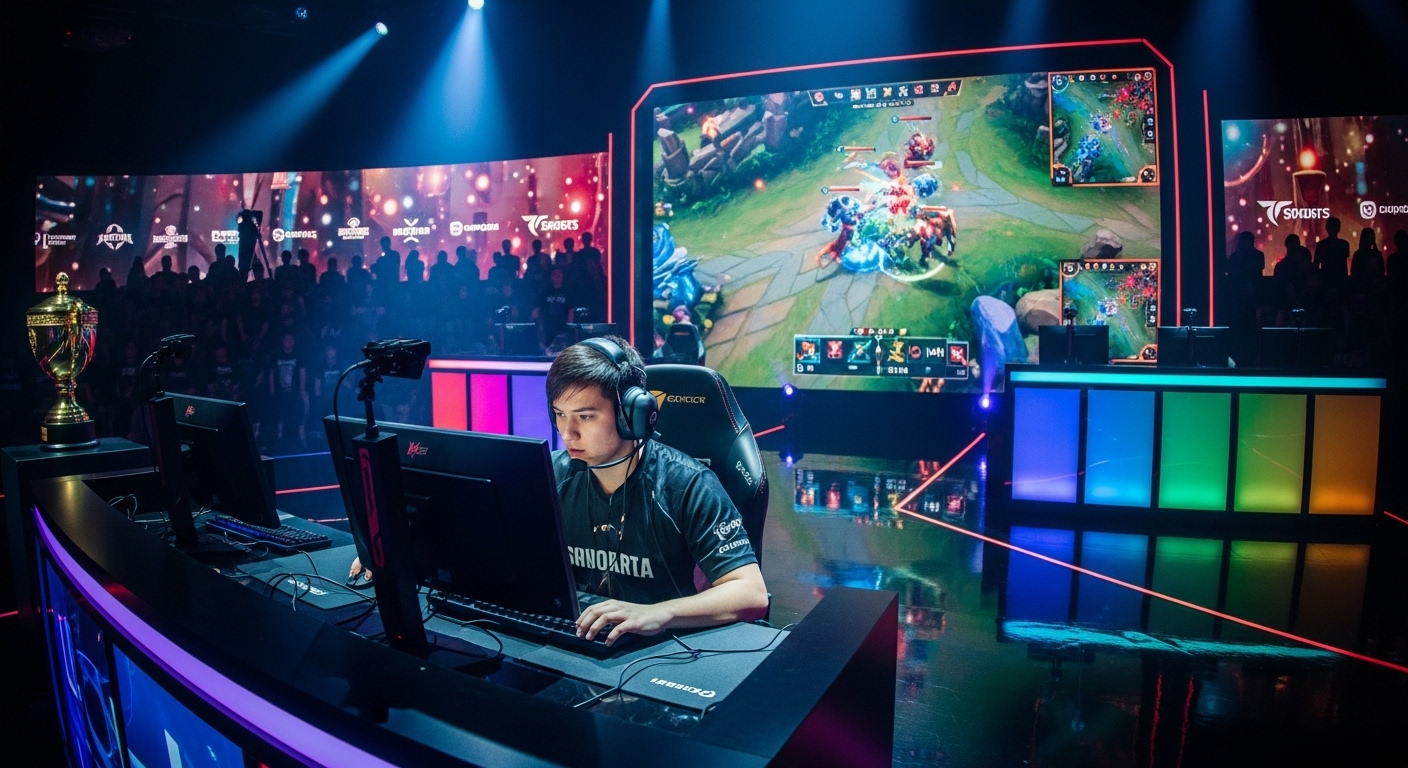
The Emergence of Esports as a Global Phenomenon
In the digital age, the concept of sports has evolved far beyond the boundaries of traditional physical competition. Esports, short for electronic sports, has emerged as a revolutionary arena where skill, strategy, and teamwork are showcased on digital platforms instead of physical fields. Once considered a niche hobby, competitive gaming has transformed into a global phenomenon with millions of fans, lucrative careers, and cultural significance.
Esports now rivals traditional sports in viewership and influence. Major tournaments draw audiences in the tens of millions, and professional players have become household names. Games such as League of Legends, Dota 2, Fortnite, and Counter-Strike: Global Offensive have shifted from casual entertainment to serious competition. The rise of esports reflects not only technological advancement but also society’s growing acceptance of digital culture as a legitimate form of competition.
Early Days of Competitive Gaming
The roots of esports trace back to the 1970s and 1980s, when arcade competitions began attracting attention. Classic games like Space Invaders and Pac-Man hosted local tournaments that brought together gaming enthusiasts. These events, though modest, sowed the seeds for organized competitive gaming.
The 1990s saw the rise of home consoles and personal computers, making gaming more accessible. Online multiplayer capabilities enabled players to compete with opponents far beyond their local communities. Games like StarCraft in South Korea ignited national interest, leading to professional leagues and televised competitions. South Korea’s dedication to esports played a critical role in shaping the global industry, establishing the concept of gaming as a serious career path.
The Professionalization of Esports
As esports gained popularity, its structure began to mirror traditional sports. Professional teams emerged with specialized roles, including coaches, analysts, and managers. Organizations such as Team Liquid, Cloud9, and Fnatic expanded across multiple game titles, managing players, branding, and sponsorships.
Major tournaments like The International for Dota 2 and the League of Legends World Championship brought unprecedented attention to esports. These events offered multimillion-dollar prize pools and attracted fans worldwide. Players now train rigorously, honing reflexes, strategic thinking, and teamwork skills. Their intense preparation demonstrates that esports requires discipline, focus, and mental resilience just as much as physical sports.
The Role of Technology in Esports Growth
Technological innovation has been central to esports’ rapid expansion. High-speed internet, powerful gaming hardware, and streaming platforms created opportunities for players and audiences to connect like never before. Platforms such as Twitch and YouTube Gaming allowed fans to watch live competitions, interact with players, and join communities.
Emerging technologies like virtual reality and augmented reality are beginning to reshape esports, providing more immersive experiences for both players and viewers. Artificial intelligence is also influencing the industry by improving game analytics, performance evaluation, and strategy development. Technology continues to be a driving force, expanding both accessibility and engagement in competitive gaming.
Esports as a Career Path
Esports has become a legitimate profession with diverse career opportunities. Beyond playing professionally, careers include shoutcasting, coaching, team management, event organization, and content creation. Streaming platforms have enabled gamers to monetize their skills and personality, creating opportunities similar to traditional entertainment.
Universities worldwide now offer esports scholarships, recognizing the value of gaming as both a skill and a career path. Dedicated esports facilities, training programs, and educational courses nurture talent and prepare players for professional competition. This formalization has transformed esports from a casual hobby into a viable and respected career.
The Economics of Esports
The economic impact of esports is vast and continually growing. Sponsorships from global brands, merchandise sales, streaming revenue, and tournament prize pools drive billions of dollars annually. Corporations from diverse industries, including technology, fashion, and consumer goods, see esports as an effective marketing platform.
High-profile tournaments contribute significantly to the economy, not just through prize money but also through event organization, broadcasting, and merchandising. Esports has proven that digital competition can generate revenue comparable to traditional sports, attracting investors and media attention worldwide.
Cultural Significance of Esports
Esports is more than competition; it is a cultural movement. It unites players and fans from diverse backgrounds, creating global communities bonded by shared passion. Online forums, social media, and streaming platforms foster engagement and interaction, turning esports into a lifestyle as much as a sport.
Professional players and content creators often become cultural icons, influencing trends in fashion, music, and entertainment. Esports has also inspired academic research, documentaries, and media coverage exploring the psychology, teamwork, and social dynamics of gaming. Its inclusion in international competitions reflects growing recognition of its legitimacy as a competitive discipline.
Challenges Facing the Esports Industry
Despite its rapid growth, esports faces several challenges. Player health is a major concern, as long practice hours, travel schedules, and constant online exposure can lead to physical strain, burnout, and mental health issues. Organizations increasingly invest in fitness programs, mental health support, and structured training to address these concerns.
Regulation is another complex issue. With multiple publishers, countries, and tournament organizers involved, establishing consistent rules is challenging. Cheating, match-fixing, and online harassment remain concerns that the industry must actively manage.
Diversity and inclusivity are also pressing issues. While more women and minority players are entering the esports arena, representation remains limited. Promoting equal opportunities is crucial for sustaining growth and maintaining community integrity.
The Future of Esports
The future of esports is promising and dynamic. Mobile esports continues to expand the industry by making competitive gaming accessible to a broader audience, particularly in regions where PCs and consoles are less common. Cloud gaming may further lower barriers, allowing players to compete without high-end hardware.
Virtual arenas, augmented reality tournaments, and immersive streaming experiences are expected to redefine fan engagement. Esports education and training academies will continue to nurture professional talent responsibly, balancing competition with health and ethical considerations.
As technology, culture, and entertainment continue to intersect, esports will evolve into a more integrated and influential part of global entertainment.
Why Esports Matters
Esports represents a new era of competition, community, and creativity. It challenges traditional definitions of sports by emphasizing strategy, collaboration, and mental acuity over physical prowess. It demonstrates that skill, focus, and teamwork can thrive in digital environments, providing meaningful engagement and opportunity.
Through esports, players develop problem-solving, communication, and leadership skills. Fans experience the excitement of competition, community, and shared experiences. The rise of esports highlights how human connection, entertainment, and ambition can flourish in the digital era.
Conclusion: The Enduring Impact of Esports
Esports has grown from humble beginnings in arcades and internet cafes to a global phenomenon with cultural, economic, and social significance. It has redefined competition, transformed careers, and united millions of people worldwide.
The industry’s growth shows that digital innovation can create entirely new forms of engagement, influence, and entertainment. As esports continues to evolve, it leaves an enduring legacy, proving that the power of play, strategy, and community knows no boundaries. It is more than just gaming—it is a reflection of human potential in the digital age.