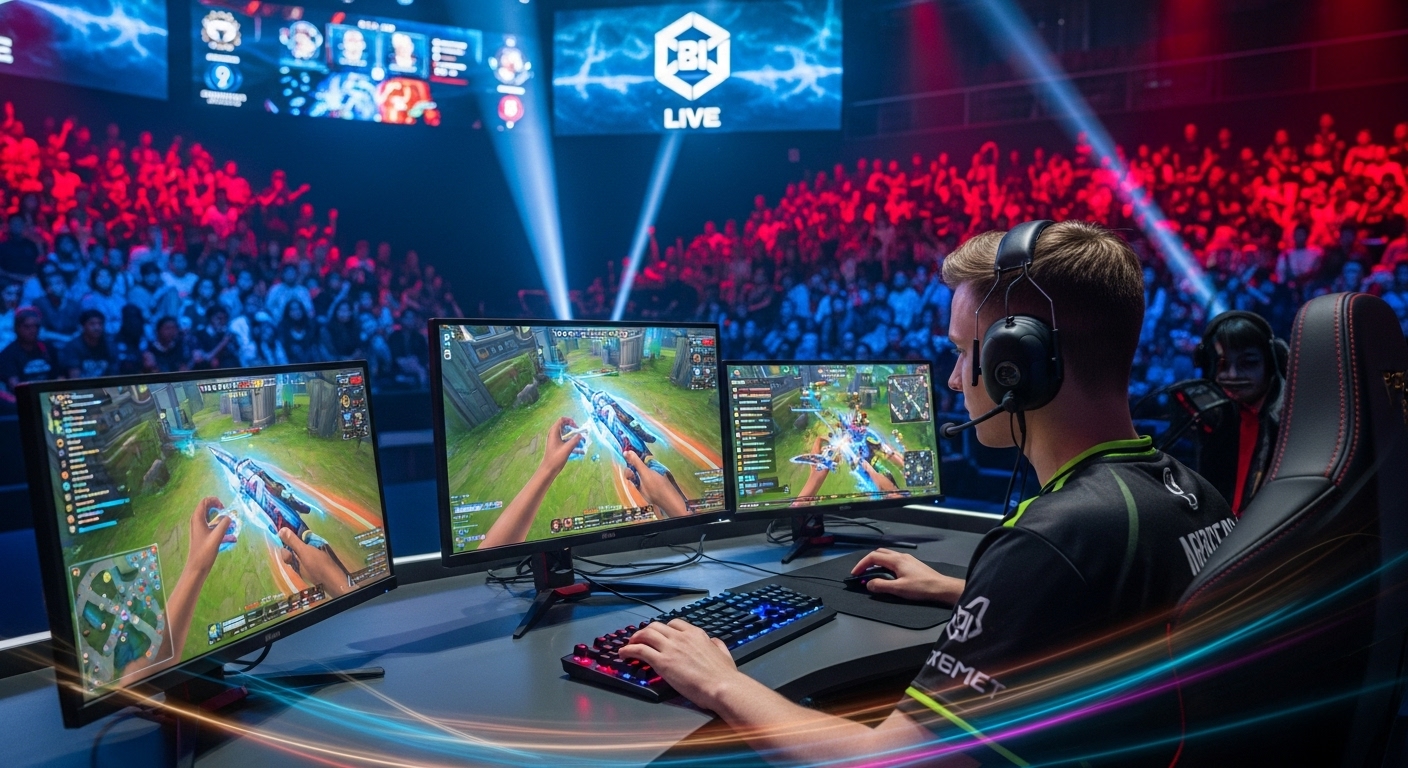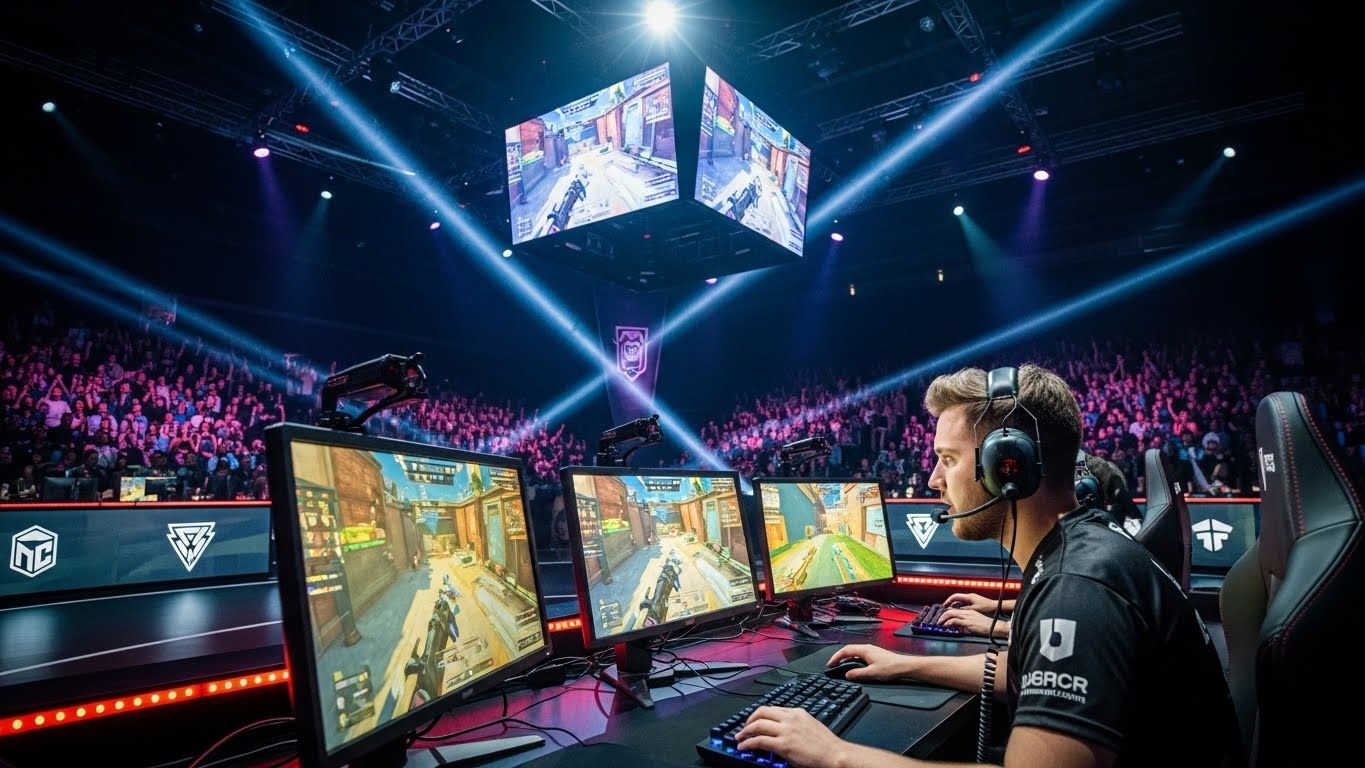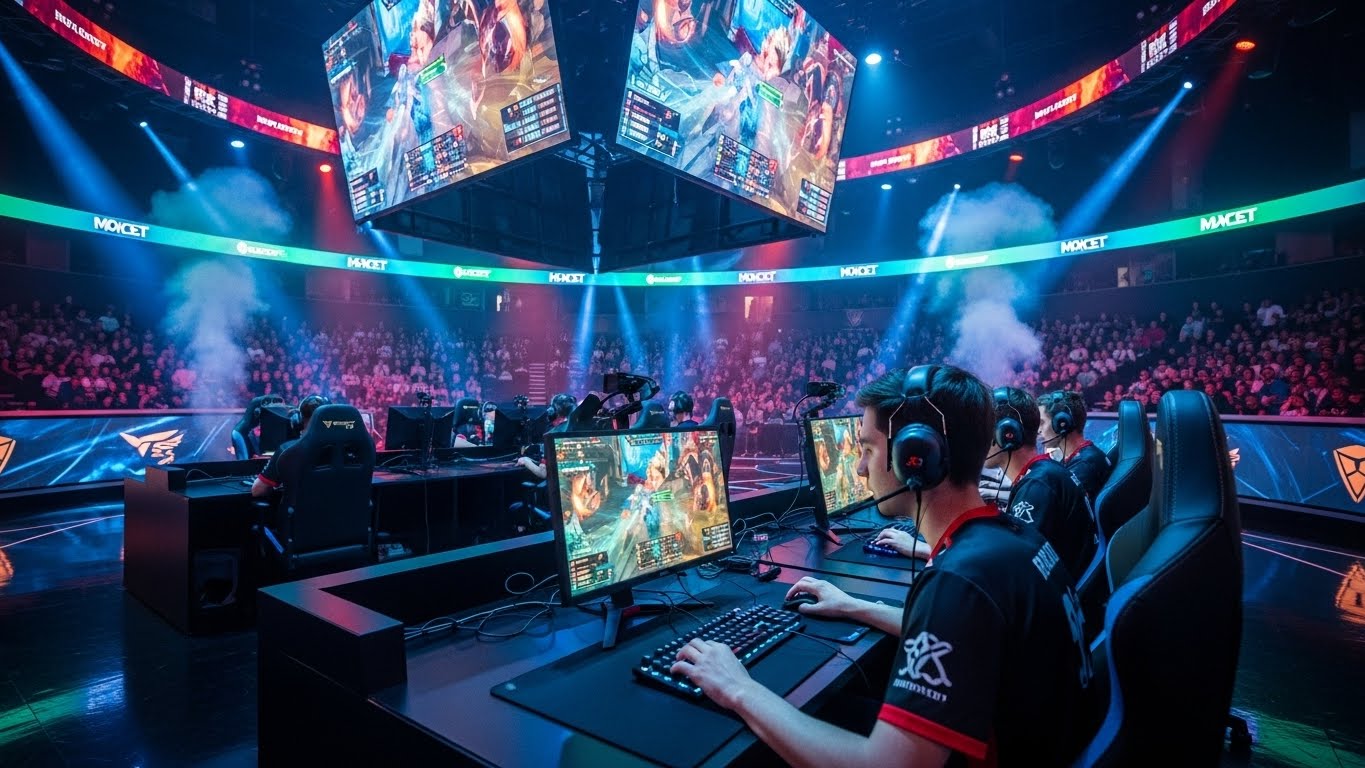
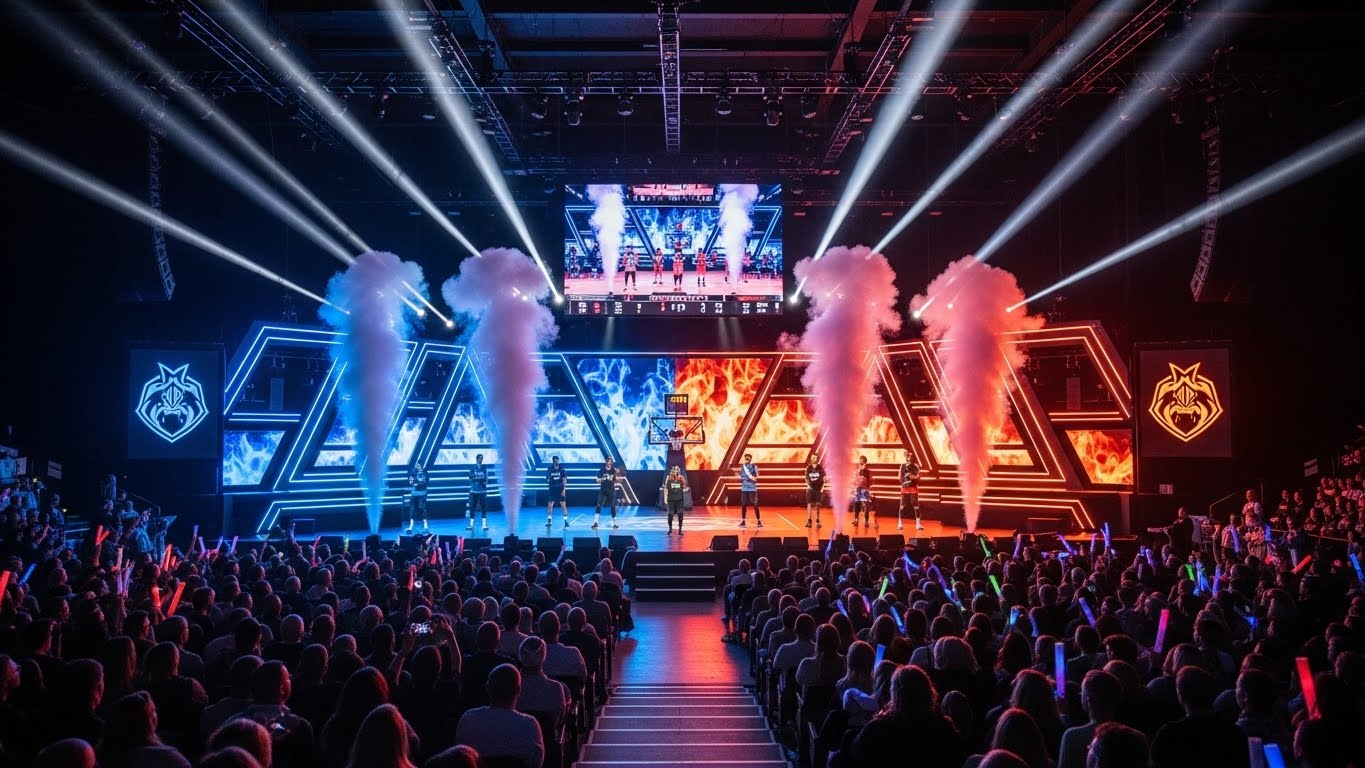
Esports, or electronic sports, has rapidly transformed from a niche hobby into a global phenomenon. What began as casual gaming among friends has evolved into a professional, highly competitive industry watched by millions of people worldwide. With structured tournaments, professional teams, sponsorship deals, and massive audiences, esports has carved a space comparable to traditional sports. But esports is more than just competition; it is reshaping entertainment, culture, technology, and even education. This blog explores the rise of esports, its impact, the benefits of participation, and its future trajectory.
The Rise of Esports
Esports has roots dating back to the 1970s and 1980s, when early video game competitions began appearing in arcades and university campuses. These small-scale tournaments were the seeds of competitive gaming culture. Over the decades, technological advances in computers, consoles, and the internet enabled gaming to evolve from a local hobby into a global pastime.
The 2000s marked a pivotal point. Online multiplayer games allowed players to compete across continents, and the first professional leagues emerged. Games like StarCraft in South Korea laid the foundation for esports as a serious competitive field. With streaming platforms like Twitch and YouTube Gaming, fans could watch live matches, making esports not just a form of participation but also a spectator sport. Today, esports tournaments attract millions of viewers, with prize pools rivaling those of traditional sports championships.
Understanding the Competitive Structure
Esports is characterized by structured competitions across various genres, such as first-person shooters, strategy games, sports simulations, and battle royale titles. Professional leagues function similarly to traditional sports leagues, with teams, coaches, analysts, and support staff.
Major tournaments, like The International for Dota 2, the League of Legends World Championship, and the Overwatch League, draw global attention. Players undergo rigorous training schedules that include practice sessions, strategy meetings, physical exercise, and mental conditioning. Esports demands not only quick reflexes but also strategic thinking, teamwork, and adaptability. The professionalization of esports has elevated it to a level where elite players are recognized as athletes, with millions of fans following their careers and personalities.
The Social and Cultural Impact
Esports is not just about playing games; it is a cultural movement. Gaming communities provide social spaces where individuals can connect, collaborate, and compete. Online platforms allow players to communicate, share strategies, and form friendships, often across countries and cultures.
Moreover, esports has contributed to breaking down social barriers. Unlike some traditional sports, esports is more inclusive, providing opportunities for people of various ages, genders, and physical abilities. Competitive gaming has become a platform for expression, creativity, and identity. Cosplay events, fan art, and streaming culture are all integral parts of the esports ecosystem, blending gaming with broader cultural trends.
Educational and Cognitive Benefits
Engaging in esports provides several cognitive and educational benefits. Players often develop skills such as problem-solving, multitasking, critical thinking, and decision-making under pressure. Strategic games, in particular, require analysis, planning, and teamwork, which translate into real-world competencies.
Some educational institutions have even incorporated esports programs, offering scholarships and curricula that teach game design, event management, and team leadership. These programs demonstrate that esports is not merely recreational; it has practical applications in education, career development, and skill-building.
Physical and Mental Well-Being in Esports
While esports is largely sedentary, top-tier players recognize the importance of physical fitness. Many professional teams incorporate exercise routines to improve reflexes, endurance, and mental sharpness. Maintaining physical health is essential for preventing strain injuries, fatigue, and burnout.
Mental health is another critical factor in esports. The competitive environment can be stressful, with pressure to perform consistently in tournaments. Players often work with psychologists and mental coaches to develop focus, resilience, and stress management strategies. Balancing gaming with rest, nutrition, and social interactions is key to sustaining a healthy esports career.
The Economic Landscape of Esports
Esports is now a multibillion-dollar industry with diverse revenue streams. Sponsorships, advertising, merchandise, tournament tickets, and media rights contribute to its economic growth. Major brands, from tech companies to global consumer goods corporations, are investing in esports to reach younger, digitally native audiences.
The rise of esports has also created employment opportunities beyond players. Coaches, analysts, event organizers, content creators, marketers, and broadcasters are all part of the ecosystem. This professionalization demonstrates that esports is not just a pastime but a sustainable career path for those involved.
Esports as a Global Spectacle
Major esports events rival traditional sports tournaments in scale and production value. Stadiums are filled with fans, and millions watch live streams online. The spectacle includes professional commentary, analysis, live graphics, and fan engagement, creating an immersive entertainment experience.
Global tournaments promote international camaraderie and competition. Players from different countries face off, fostering cross-cultural connections and mutual respect. Esports has become a medium for diplomacy and cultural exchange, demonstrating that games can unify rather than divide.
Challenges Facing the Esports Industry
Despite its growth, esports faces challenges. Issues such as player burnout, cheating, match-fixing, and harassment are persistent concerns. The fast-paced evolution of technology and games also means players must continuously adapt to stay competitive.
Inclusivity remains a work in progress. While esports is more accessible than many traditional sports, gender disparity and representation of marginalized groups are still areas needing improvement. Ensuring fair opportunities and supportive environments is essential for the sustainable growth of the industry.
The Future of Esports
The future of esports is promising and full of innovation. Emerging technologies such as virtual reality, augmented reality, and artificial intelligence are poised to reshape competitive gaming. VR esports could provide immersive experiences that blur the line between physical and digital sports.
Esports may also become more integrated into mainstream media and education. Schools and universities are increasingly recognizing esports as legitimate extracurricular activities, and global tournaments continue to grow in scale and visibility. With continued investment, technological advancement, and societal acceptance, esports is set to solidify its place alongside traditional sports.
Esports and the Evolution of Entertainment
Esports has redefined entertainment by creating interactive and participatory experiences. Unlike passive forms of media, esports encourages engagement, whether through playing, spectating, streaming, or content creation. The community-driven aspect of esports sets it apart, making fans feel like part of the game.
Streaming culture has also democratized content creation. Amateur players can broadcast their games, build audiences, and influence trends. This participatory model transforms the entertainment landscape, blurring the lines between professional and amateur, player and spectator.
Conclusion: More Than Just a Game
Esports is far more than pixels on a screen. It is a cultural phenomenon, a professional arena, and a platform for connection, learning, and personal growth. From its early roots in local gaming competitions to massive global tournaments, esports has demonstrated that digital competition can rival traditional sports in excitement, skill, and social impact.
By fostering community, promoting cognitive and physical development, and creating economic opportunities, esports has become a legitimate and influential sector of modern life. As technology continues to evolve, esports will expand its reach, transforming how people play, watch, and engage with games. The rise of esports proves that the future of competition is not confined to fields and courts—it is limitless, existing wherever creativity, skill, and passion converge in the digital world.