
Introduction
Esports, short for electronic sports, has transformed from a niche hobby into a global phenomenon. What once began as small-scale gaming tournaments among enthusiasts has evolved into a billion-dollar industry with professional athletes, massive audiences, sponsorship deals, and even international championships. Esports today isn’t just about playing video games—it’s about skill, strategy, teamwork, and entertainment on a scale that rivals traditional sports. It brings together technology, culture, and community in ways that were unimaginable two decades ago.
In this blog, we’ll explore the dynamic world of esports—its origins, rise, impact, culture, challenges, and future. From humble beginnings in gaming cafes to packed arenas filled with cheering fans, esports has rewritten the definition of what it means to be a competitor in the digital age.
The Birth of Esports
The story of esports begins long before the age of high-speed internet and live streaming. In the 1970s and 1980s, video games were rapidly growing in popularity. The first recognized video game competition took place in 1972 at Stanford University, where players competed in the game “Spacewar.” The prize? A year’s subscription to a magazine. Though modest, it marked the birth of competitive gaming.
By the 1980s, the arcade era fueled the competitive spirit. Games like Pac-Man, Donkey Kong, and Space Invaders became household names. Players aimed to get the highest scores and have their names displayed on leaderboards. In 1980, Atari organized the Space Invaders Championship, attracting over 10,000 participants across the United States. This event demonstrated that competitive gaming could draw crowds and attention far beyond local arcades.
As technology advanced, so did competition. The arrival of personal computers and gaming consoles in the 1990s opened new doors for multiplayer games. LAN (Local Area Network) parties became popular, allowing players to connect their computers and battle in real time. It was the foundation on which modern esports would eventually be built.
The Rise of Competitive Gaming
The late 1990s and early 2000s marked the true rise of esports. Games like StarCraft, Counter-Strike, and Quake became staples of the competitive scene. South Korea, in particular, became the epicenter of professional gaming. Internet cafes, known as PC bangs, were everywhere, and players spent hours honing their skills. The South Korean government even recognized esports as a legitimate industry, leading to professional teams, player salaries, and televised tournaments.
One of the most influential games in early esports history was StarCraft: Brood War. It captured the imagination of millions and turned players like Lim “BoxeR” Yo-hwan into national heroes. Televised matches in South Korea drew millions of viewers, and esports began to take shape as a real career path.
Meanwhile, in the West, games like Counter-Strike and Quake gained cult followings. The Cyberathlete Professional League (CPL) and Major League Gaming (MLG) helped legitimize gaming competitions. Players began to travel internationally to compete, and sponsors started noticing the marketing potential of reaching young, tech-savvy audiences.
The Explosion of Esports in the 2010s
While esports had existed for years, the 2010s were the decade it exploded into the mainstream. Several key developments fueled this transformation—broadband internet, streaming platforms, and social media.
The arrival of Twitch in 2011 changed everything. Suddenly, fans could watch professional players and tournaments live from their homes. It democratized esports viewership and allowed anyone with a connection to become part of the audience. The accessibility of streaming also helped individual players build personal brands, gaining massive followings on platforms like YouTube and Twitch.
Games like League of Legends, Dota 2, and Counter-Strike: Global Offensive became pillars of the esports ecosystem. Riot Games, the company behind League of Legends, organized professional leagues around the world, complete with franchised teams and structured seasons. Dota 2 introduced The International, an annual championship with multi-million-dollar prize pools crowdfunded by the community.
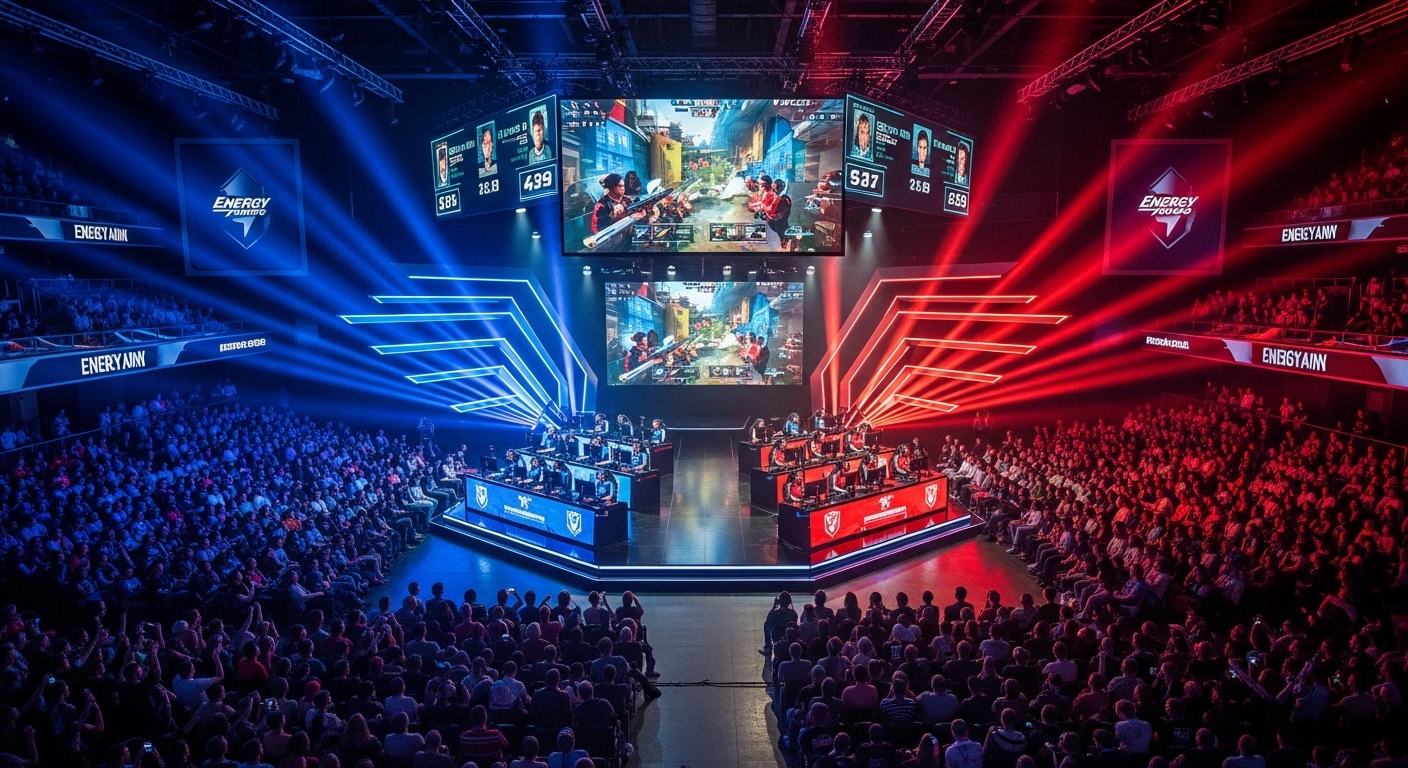
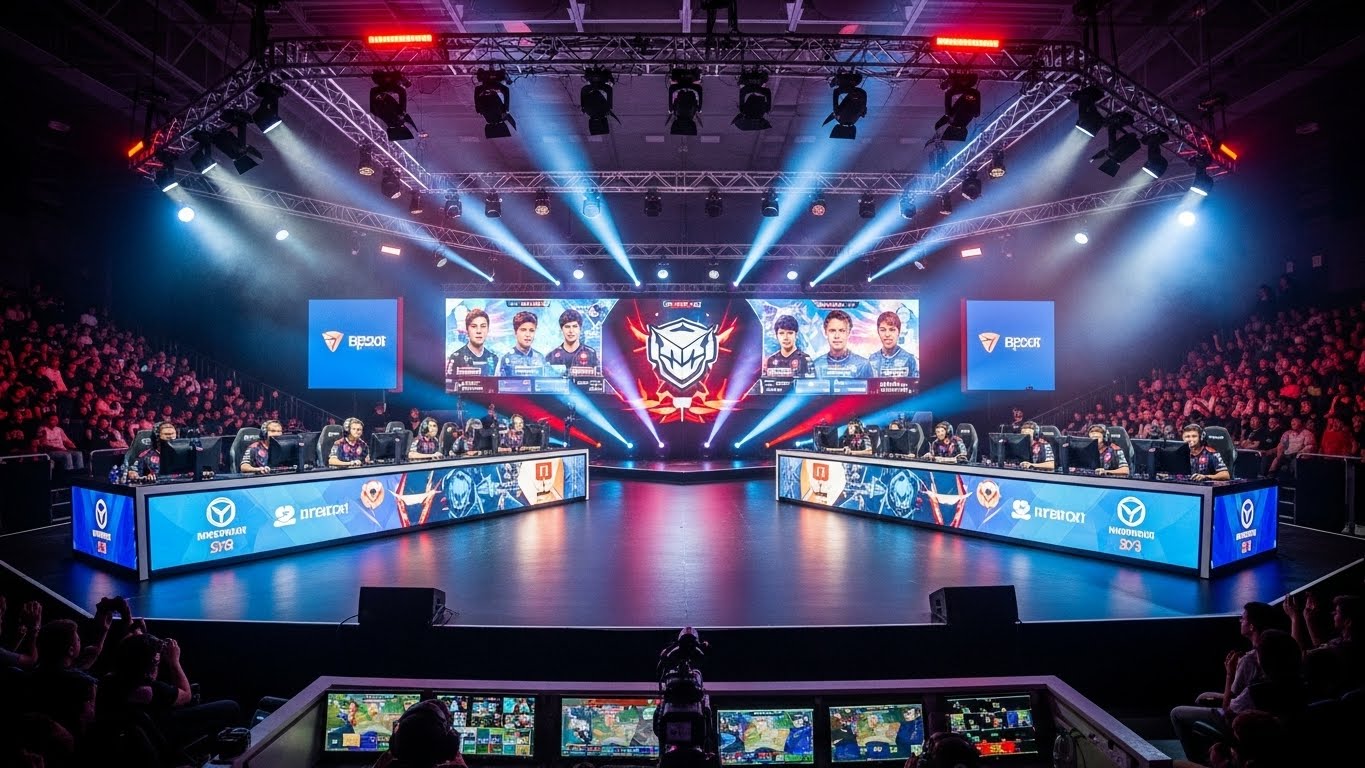
By mid-decade, esports tournaments were filling arenas. The League of Legends World Championship finals sold out stadiums in Seoul, Paris, and Los Angeles. Millions watched online—more than the viewership of many traditional sports finals. Esports was no longer underground; it was mainstream entertainment.
The Professional Esports Ecosystem
Modern esports is a well-structured ecosystem. At the top are professional leagues and international tournaments. Major games have their own competitive circuits—League of Legends has the LEC, LCK, and LCS; Counter-Strike has the ESL Pro League and BLAST Premier; Dota 2 has its regional leagues and The International.
Teams are operated like traditional sports clubs. They have coaches, analysts, nutritionists, and even psychologists. Players sign contracts, receive salaries, and compete under team banners sponsored by global brands. Big organizations like Team Liquid, Cloud9, Fnatic, and T1 are household names in the esports community.
There’s also a thriving amateur scene that feeds into the professional tier. Many young players start by streaming or competing in small online tournaments before being scouted by larger teams. The dream of going pro is now more accessible than ever.
The Cultural Impact of Esports
Esports has redefined what it means to be an athlete and what it means to be a fan. It bridges technology and creativity, competition and collaboration. Esports culture blends gaming, pop culture, and entertainment into one powerful experience.
Events like the Overwatch League finals or Fortnite World Cup have production values on par with major sports events. Music performances, light shows, and celebrity appearances have become common. The lines between gaming and entertainment continue to blur, creating a hybrid form of digital culture.
Moreover, esports has helped build global communities. Players and fans from different countries connect through shared interests, forming friendships and online communities that transcend borders. For younger generations, esports represents more than just gaming—it’s a lifestyle and a social identity.
The Role of Technology in Esports Growth
Technology has always been at the heart of esports. From faster internet connections to advanced gaming PCs and consoles, every leap in tech has pushed competitive gaming forward. High-refresh-rate monitors, low-latency networks, and powerful GPUs allow players to perform at their best.
Streaming technology deserves special mention. Live broadcasting platforms have enabled real-time interaction between fans and players. Chat rooms, donations, and subscriber systems have made esports an interactive experience rather than a passive one.
Virtual reality and augmented reality are also beginning to make their mark. In the near future, VR esports could redefine immersion, allowing players to compete physically and digitally at once.
Esports as a Career Path
For many, esports is no longer just a hobby—it’s a viable career. Players can earn income through salaries, tournament winnings, sponsorships, and streaming revenue. Top-tier professionals make millions annually, comparable to traditional athletes.
Beyond playing, there are numerous roles in the industry—casters, analysts, coaches, event organizers, and content creators. Universities now offer scholarships for esports players, and academic programs in esports management are growing worldwide. This legitimization has encouraged parents and educators to see gaming not as a distraction, but as an opportunity.
The Challenges Facing Esports
Despite its incredible growth, esports faces several challenges. Player burnout is one of the most pressing issues. The intense training schedules and constant travel take a toll on mental and physical health. Many players retire in their early twenties due to exhaustion or declining performance.
Financial instability is another concern. While top players and organizations thrive, smaller teams often struggle to stay afloat. Prize money distribution can be uneven, and some regions lack proper infrastructure to support competitive gaming.
Esports also faces issues of inclusivity. The industry remains male-dominated, and efforts are ongoing to create more opportunities for women and marginalized communities in gaming. Toxicity, online harassment, and cheating continue to be challenges that need constant attention.
Esports and Traditional Sports: Rivals or Partners?
The relationship between esports and traditional sports is fascinating. Initially viewed as competition, many traditional sports organizations have now embraced esports. Football clubs like Paris Saint-Germain, Manchester City, and FC Barcelona have their own esports teams. The NBA launched the NBA 2K League, and Formula 1 hosts virtual races with professional drivers.
Both industries have learned from each other. Esports has adopted the structure and professionalism of traditional sports, while traditional sports have borrowed esports’ digital strategies to engage younger audiences. Rather than rivals, they are becoming complementary forms of entertainment.
Global Expansion of Esports
Esports is now a global industry. Asia remains the powerhouse, with countries like South Korea, China, and Japan leading the charge. North America and Europe follow closely, while emerging regions such as Southeast Asia, the Middle East, and South America are experiencing rapid growth.
Governments are also recognizing esports’ potential. Some countries have established national esports federations and even included esports in multi-sport events like the Asian Games. This international recognition signals that competitive gaming is not just a trend—it’s a legitimate part of global culture.
The Role of Fans and Communities
Fans are the lifeblood of esports. Their enthusiasm drives the industry’s success. Whether they’re attending live events, watching streams, or buying team merchandise, fans create the economic and cultural foundation of esports.
Community engagement is what sets esports apart. Fans can interact directly with players through live chats, social media, and fan events. This closeness builds loyalty and excitement that traditional sports sometimes struggle to match.
Online platforms also allow fans to create their own content—highlight reels, memes, and discussions that keep the community alive between tournaments. Esports fandom is a vibrant, participatory culture.
The Future of Esports
The future of esports looks bright. With technology continuing to evolve, new games and formats will emerge. Mobile esports is already revolutionizing accessibility, especially in regions where gaming PCs are expensive. Titles like PUBG Mobile and Mobile Legends have created massive followings in Asia and Africa.
Virtual reality, blockchain, and artificial intelligence could also play major roles in shaping the next generation of esports. Smarter analytics will help players improve, while fans will enjoy more interactive and immersive viewing experiences.
Mainstream media integration will continue to grow as more networks broadcast tournaments, and global sponsors invest in esports advertising. Schools and universities will further embrace esports as part of education and athletics.
Esports may even become a medal event in future Olympic Games, bridging the digital and physical worlds of competition.
Conclusion
Esports represents more than just competitive gaming—it’s a cultural revolution that reflects the digital era. It has created new heroes, communities, and industries. It challenges old definitions of sport and entertainment while inspiring millions of young people worldwide.
From the early arcade battles to today’s global tournaments with million-dollar prizes, the journey of esports is one of passion, innovation, and persistence. It continues to grow, evolve, and inspire a new generation of players, fans, and dreamers.
The future belongs to esports because it unites people through play, competition, and creativity. It’s not just a game anymore—it’s a movement that defines the spirit of modern entertainment and human connection in the digital age.