Esports, short for electronic sports, has transformed the landscape of entertainment and competitive gaming. What began as a casual pastime among friends has now evolved into a professional global industry. Today, esports boasts professional players, international tournaments, billion-dollar sponsorships, and millions of dedicated fans. Its rise is not merely a story about video games; it is a story about technology, culture, innovation, and the ways human competition has adapted to the digital age.
Esports represents a unique blend of athleticism, strategy, skill, and entertainment. It is a career, a spectacle, and a community all at once. Its impact is undeniable, influencing media, education, business, and even social interaction. To understand why esports has grown so rapidly, it is essential to explore its origins, evolution, global influence, and the challenges it faces today.
Early Beginnings of Competitive Gaming
The roots of esports can be traced back to the earliest days of video gaming. In the 1970s and 1980s, arcade games like Space Invaders, Pac-Man, and Donkey Kong became competitive arenas. Players competed for high scores, and competitions were often held in local arcades, gaming stores, or community centers. While primitive by today’s standards, these events laid the groundwork for organized competition and public recognition.
The 1990s marked the expansion of competitive gaming with the rise of PC gaming and networked play. Games like Doom, Quake, and Warcraft enabled multiplayer competition over local area networks. Early esports tournaments were modest but passionate, often organized by gaming communities or universities. These events helped define the first generation of professional gamers and created a blueprint for future esports ecosystems.
The Growth of Esports in the 2000s
The early 2000s were a transformative period for esports. Improved internet connectivity allowed players to compete online globally. South Korea emerged as a hub of professional gaming, particularly with the rise of StarCraft: Brood War. Televised tournaments attracted massive audiences, turning gaming into a respected profession in the country. This era also saw the establishment of professional gaming leagues and organized teams, with sponsorships beginning to support players financially.
Games like Counter-Strike, Warcraft III, and DotA became cornerstones of competitive gaming worldwide. International tournaments began offering substantial prize pools, drawing attention from media outlets, corporations, and fans. The legitimacy of esports grew as communities recognized the skill, strategy, and dedication required to succeed at the highest levels.
The Role of Streaming Platforms
Streaming platforms have revolutionized esports by connecting players and fans in real time. Services like Twitch, YouTube Gaming, and other platforms have made esports more accessible and interactive. Fans can watch tournaments live, chat with other viewers, and follow their favorite players closely.
Streaming has also provided a pathway for amateur players to gain recognition. Popular streamers can build large audiences, monetize content, and sometimes transition into professional esports careers. This direct engagement between content creators and audiences has fostered a highly participatory and dynamic community, making esports a social as well as competitive phenomenon.
Popular Esports Titles
Esports encompasses a wide variety of games, each with distinct mechanics, strategies, and fanbases. Multiplayer Online Battle Arena (MOBA) games like League of Legends and Dota 2 emphasize teamwork, strategic planning, and in-game coordination. First-Person Shooters (FPS) like Counter-Strike: Global Offensive and Overwatch focus on precision, reflexes, and tactical gameplay.
Battle royale games such as Fortnite and PUBG combine strategy, survival, and adaptability, appealing to a younger demographic. Fighting games like Street Fighter and Super Smash Bros. highlight individual skill and reaction time, often featuring intense one-on-one competition. Each game attracts dedicated communities, creating diverse opportunities for competition, entertainment, and fan engagement.
Professional Players and Teams
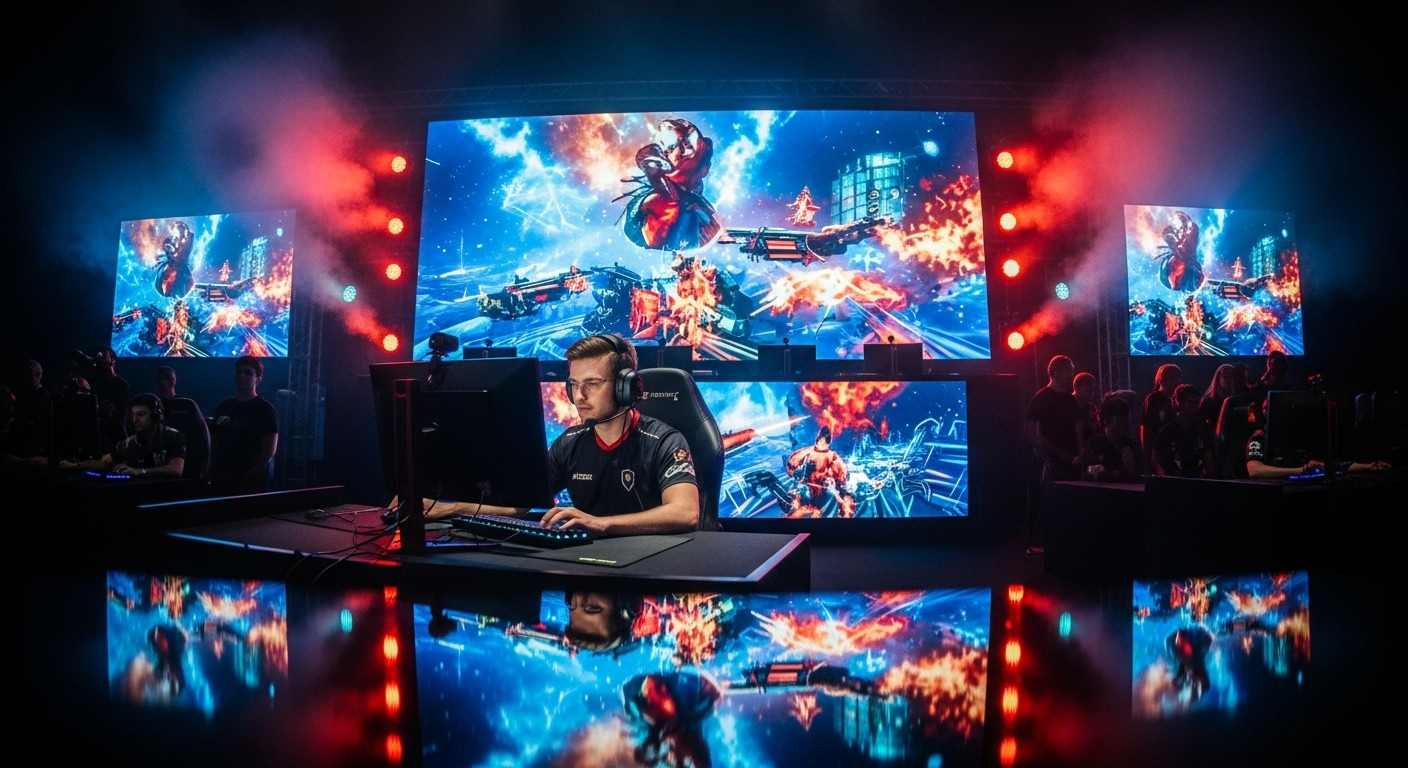
Professional esports players are highly skilled athletes who dedicate extensive hours to practice, strategy, and team coordination. The demands of competitive gaming require exceptional reflexes, mental agility, teamwork, and strategic thinking. Esports players are not only performers but also influencers, often building global followings through their skills, personalities, and online presence.
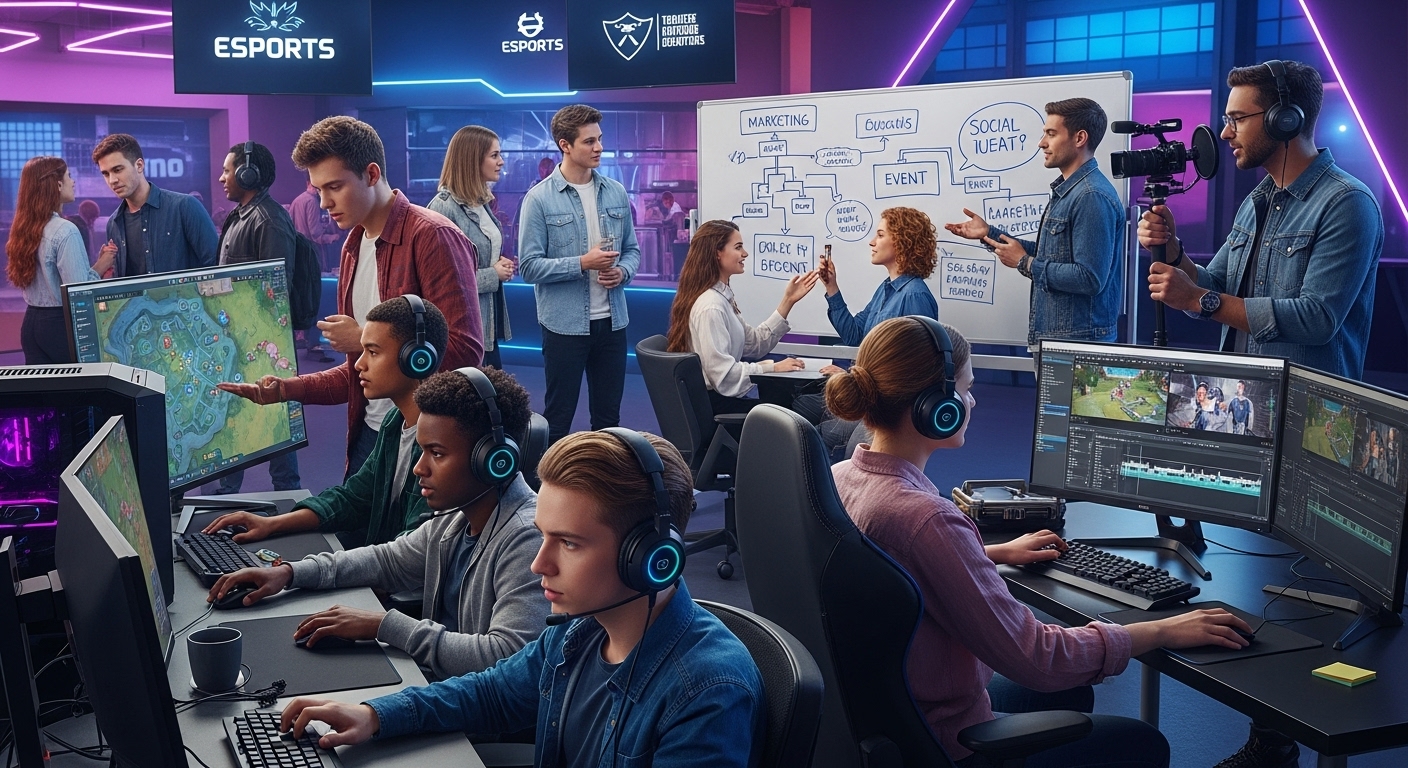
Teams operate similarly to traditional sports franchises, complete with managers, coaches, analysts, and support staff. Organizations compete in multiple leagues and tournaments, often securing sponsorships from major global brands. The most successful teams enjoy widespread recognition and influence, helping to raise the profile of esports as a professional and respected industry.
Esports Tournaments and Leagues
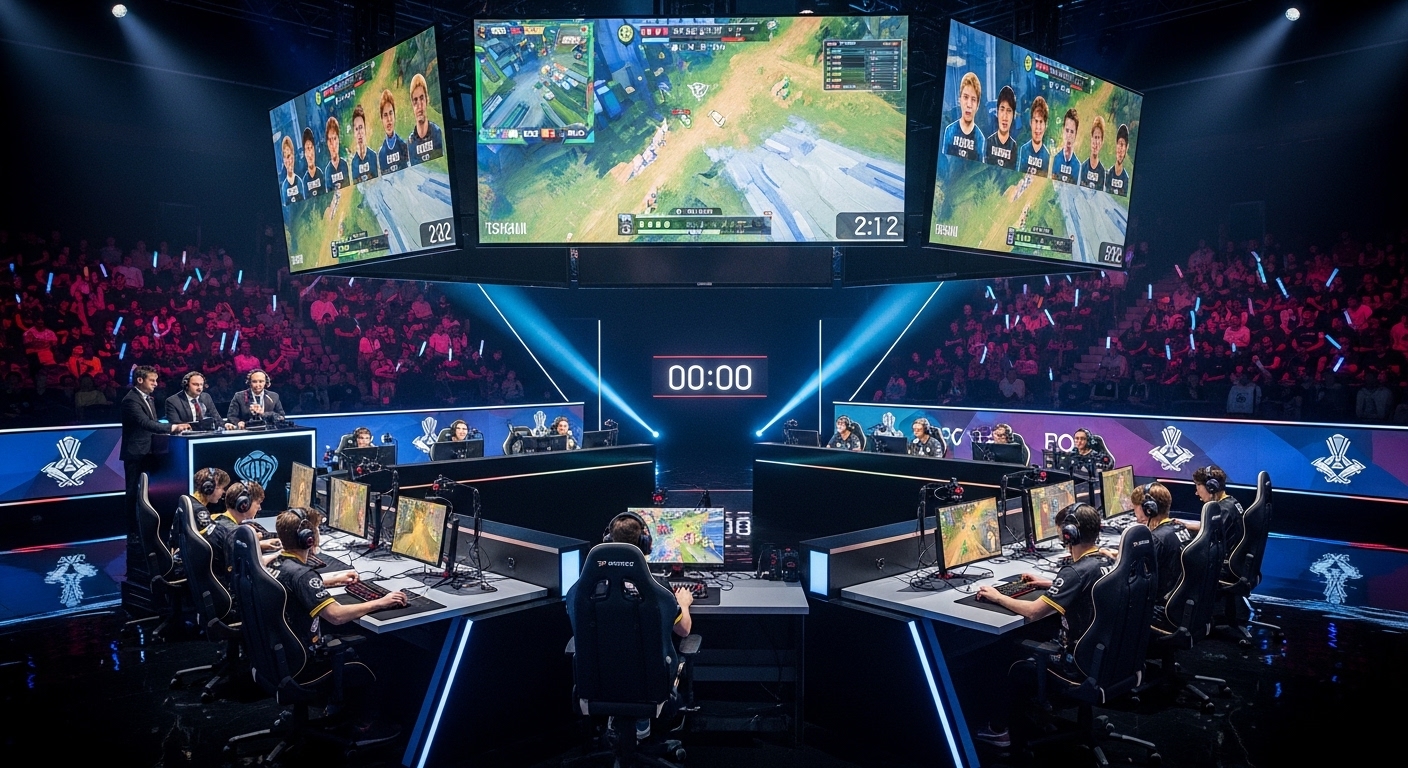
Tournaments are the centerpiece of esports. Events such as The International for Dota 2, the League of Legends World Championship, and the Fortnite World Cup attract millions of viewers worldwide. These competitions offer substantial prize pools, sometimes exceeding tens of millions of dollars, elevating the stakes and intensity of professional play.
Leagues, both regional and international, provide structure to esports competition. They establish consistent schedules, ranking systems, and rules, allowing players and teams to plan long-term careers. Major tournaments are often broadcast live, with professional commentary, in-depth analysis, and interactive fan features that mirror traditional sports broadcasts.
The Economics of Esports
Esports has grown into a multi-billion-dollar industry. Revenue streams include tournament prize money, sponsorship deals, advertising, merchandise, and ticket sales for live events. Brands from energy drinks to technology companies partner with teams, tournaments, and influencers to reach highly engaged audiences.
Merchandising, in-game purchases, and branded content generate additional revenue, making esports a comprehensive entertainment ecosystem. Investors recognize the potential of esports, and funding for teams, event organizers, and content creators continues to expand. The economic growth of esports is a testament to its increasing global relevance and sustainability.
Global Reach and Cultural Impact
Esports is truly global, with competitive hubs in South Korea, China, North America, Europe, and increasingly in Southeast Asia, Latin America, and the Middle East. International tournaments foster cross-cultural interaction, bringing together players and fans from diverse backgrounds.
The cultural impact of esports extends beyond gaming. It influences fashion, music, media, and social behavior. Esports stars are cultural icons, inspiring younger generations to pursue careers in gaming, content creation, or technology. Esports also challenges traditional notions of sports, demonstrating that competitive skill and entertainment value are not limited to physical athletics.
Technology and Innovation in Esports
Technology is the backbone of esports. High-speed internet, advanced gaming hardware, and broadcasting innovations make competitive play possible and engaging. Tools such as analytics software, real-time statistics, and augmented reality enhance both player performance and viewer experience.
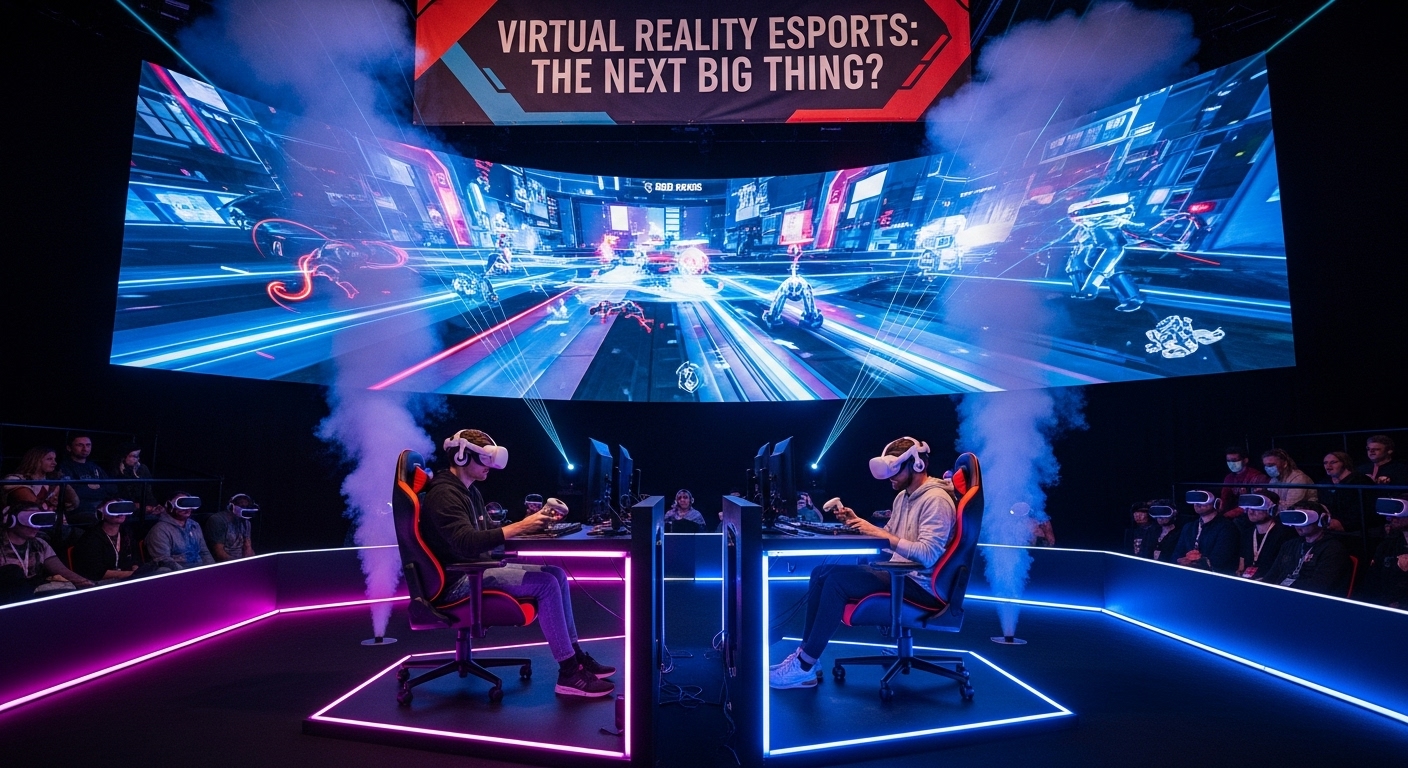
Emerging technologies, including virtual reality and artificial intelligence, are shaping the future of esports. AI can analyze gameplay, suggest strategies, and even participate in training simulations. VR and AR are creating immersive experiences that blur the lines between reality and digital competition. Technological innovation ensures that esports will continue evolving, offering new ways for players and fans to engage.
Esports in Education
Educational institutions have begun recognizing esports as a legitimate and valuable field. Universities and colleges offer scholarships for competitive gamers, integrating esports into academic programs. These programs teach strategic thinking, teamwork, leadership, and digital literacy.
High school esports programs are also growing, fostering early talent and providing structured environments for competition. Educational integration validates esports as a career path and highlights the transferable skills students develop through competitive gaming.
Mental and Physical Demands on Players
Professional esports players face significant mental and physical challenges. Long hours of practice, intense competition, and high stakes can lead to burnout, eye strain, repetitive stress injuries, and mental fatigue. Maintaining a healthy lifestyle, including proper nutrition, exercise, and mental health support, is critical for sustained success.
Teams now employ coaches, sports psychologists, and fitness trainers to support players’ well-being. These measures not only improve performance but also extend careers and prevent long-term health issues, demonstrating the professionalism of modern esports organizations.
Esports and Fan Engagement
Esports offers unique fan engagement opportunities. Unlike traditional sports, fans can interact directly with players through live chats, social media, and streaming platforms. Fantasy esports leagues, online polls, and interactive broadcasts further enhance audience participation.
Communities around esports are vibrant and global. Fans organize events, fan art contests, and online forums. The participatory nature of esports strengthens loyalty, fosters community identity, and makes the experience more immersive than simply watching a game.
Challenges Facing Esports
Despite its growth, esports faces challenges. Issues such as cheating, match-fixing, player burnout, and industry regulation are ongoing concerns. Standardizing rules, ensuring fair play, and maintaining ethical standards are essential for credibility.
Career longevity is another challenge. Esports careers can be shorter than traditional sports due to the intense demands on reflexes and mental acuity. Addressing player health, education, and career planning is critical for the sustainability of the industry.
The Future of Esports
The future of esports is promising. Technological advancements, global expansion, and mainstream media integration will continue to drive growth. Virtual reality tournaments, AI-driven analysis, and interactive streaming experiences will redefine how fans watch and participate.
Esports will likely merge further with other forms of entertainment, including music, movies, and live events. The industry’s influence on culture, business, and technology will continue to expand, making esports a permanent fixture of global entertainment.
As esports evolves, it will remain a platform where skill, strategy, and passion converge, inspiring players and fans alike. Its potential to innovate, engage, and entertain is limitless, positioning it as a defining form of 21st-century competition.
Conclusion
Esports has grown from a niche hobby into a global entertainment powerhouse. It combines competitive skill, technological innovation, strategic thinking, and community engagement to create a unique cultural phenomenon. Professional players, teams, tournaments, and fans drive an industry that rivals traditional sports in popularity and revenue.
The impact of esports extends beyond gaming. It influences culture, education, business, and media while creating opportunities for careers, innovation, and global connection. As technology advances and audiences expand, esports will continue to redefine competition, entertainment, and social interaction.
Esports is not just a pastime; it is a global movement, a cultural force, and a testament to the creativity, skill, and passion of the digital generation. Its growth exemplifies how human competition can adapt to the modern world, creating experiences that inspire millions and connect people across the globe.