Introduction
First-person shooter (FPS) games have been at the forefront of competitive gaming since the early days of esports. From pixelated arenas in the 1990s to photorealistic battlegrounds today, FPS games have not only evolved technologically but have also transformed competitive gaming into a global phenomenon. Their fast-paced action, strategic depth, and high skill ceiling make them ideal for both players and spectators, forming the backbone of the esports industry.
The evolution of FPS esports is a story of innovation, community growth, and professionalization. This blog explores the history, milestones, and trends that have shaped FPS esports, highlighting key games, tournaments, and players that have defined the genre.
The Early Days: LAN Parties and Classic FPS Games
The origins of FPS esports trace back to the 1990s with games like Doom, Quake, and Counter-Strike 1.0. These games were primarily played in LAN (Local Area Network) settings, where small communities would gather for competitive matches.
- Doom (1993): Often credited as the first FPS to support competitive multiplayer, Doom allowed players to engage in fast-paced deathmatches, laying the foundation for online FPS competition.
- Quake (1996): Quake introduced true 3D environments and advanced movement mechanics like rocket jumps, creating a highly skill-intensive competitive scene. The QuakeCon tournament became a landmark event, bringing together top players from around the world.
- Counter-Strike 1.0 (1999): Initially a mod for Half-Life, Counter-Strike transformed FPS esports. With its team-based gameplay, strategic bomb-planting modes, and balanced weapon mechanics, it became a global esports staple and led to the rise of professional FPS organizations.
During this era, FPS esports were niche but passionate. The competitive community emphasized skill, strategy, and online ladders, setting the stage for the professional scene.
The Rise of Competitive Tournaments
The early 2000s marked the formalization of FPS esports tournaments. LAN events evolved into international competitions, with prize pools and media coverage attracting attention from sponsors and fans.
- Cyberathlete Professional League (CPL): One of the first professional esports leagues, hosting international tournaments for Quake and Counter-Strike.
- World Cyber Games (WCG): A global esports festival featuring FPS competitions, which helped legitimize competitive gaming internationally.
- ESWC (Electronic Sports World Cup): Established professional circuits for FPS games like Counter-Strike, enhancing player recognition and competitive standards.
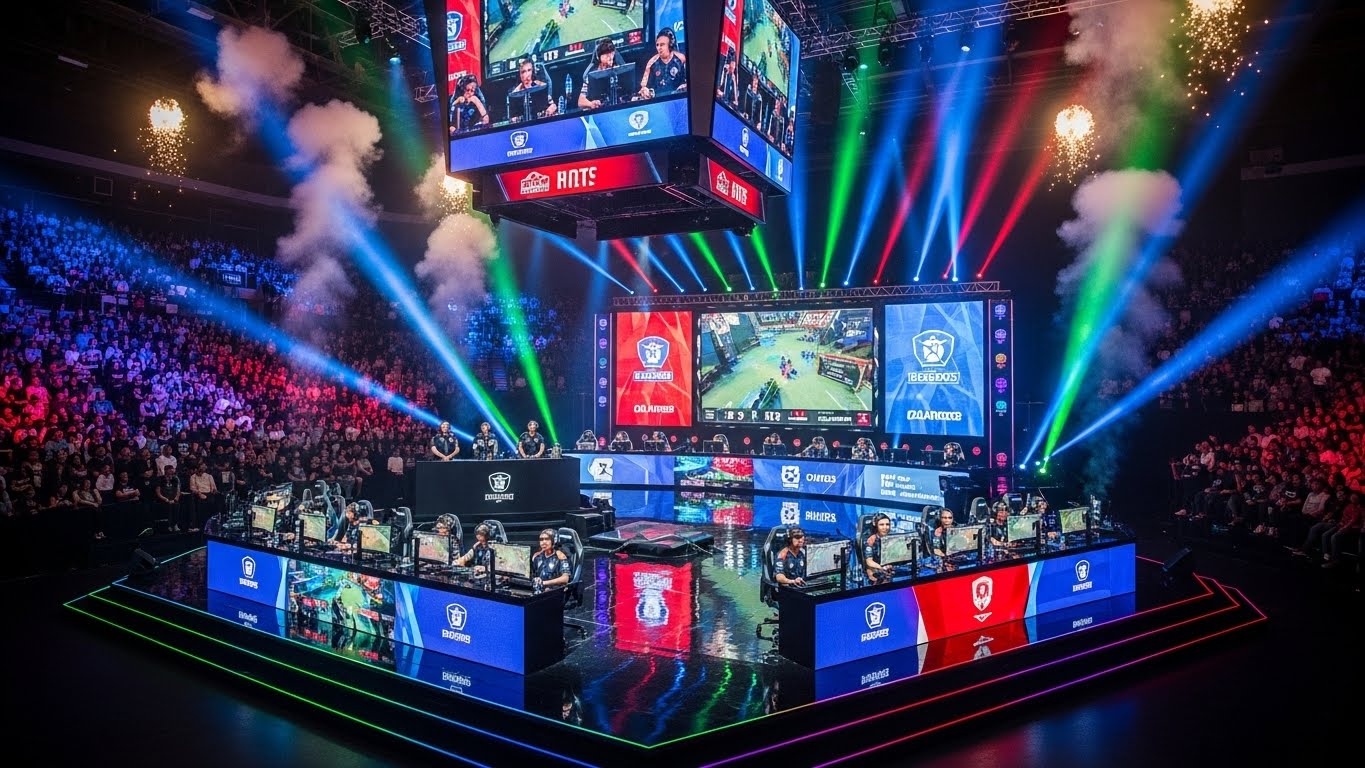
These tournaments laid the foundation for FPS esports as a spectator-friendly industry. With better production, live audiences, and commentary, FPS games began attracting mainstream attention.
The Golden Age: Counter-Strike and Call of Duty
By the mid-2000s, FPS esports entered its golden age, dominated by Counter-Strike and Call of Duty.
- Counter-Strike 1.6 and Source: With professional teams like SK Gaming, Na’Vi, and Fnatic emerging, Counter-Strike became the benchmark for FPS esports. International tournaments offered significant prize pools, while teams developed sophisticated strategies, including map control, rotations, and utility usage.
- Call of Duty (COD) Series: COD introduced console FPS esports to the competitive landscape. The Call of Duty Championship and MLG events attracted console players globally, expanding the FPS esports audience beyond PC gamers.
During this period, FPS esports became a serious career path. Players gained sponsorships, teams adopted professional training regimens, and organizations invested in branding and marketing.
The Era of Modern FPS Esports: Tactical and Battle Royale Innovations
The 2010s brought major innovations in FPS gameplay and esports. The genre expanded into tactical shooters and battle royale formats, reshaping competitive dynamics.
- Counter-Strike: Global Offensive (CS:GO, 2012): CS:GO became the most iconic FPS esport of the modern era. Its refined mechanics, strategic depth, and active developer support fueled a thriving global competitive scene. The Major Championships, backed by Valve, set new standards for esports production, prize pools, and viewership.
- Rainbow Six Siege (2015): Siege introduced destructible environments and operator-based gameplay, requiring precise strategy, team coordination, and map control. Its esports scene has grown steadily, with international tournaments like the Rainbow Six Siege Pro League.
- Overwatch (2016): Overwatch brought hero-based FPS to esports. The Overwatch League introduced city-based teams, franchising, and standardized schedules, professionalizing FPS esports on a global scale.
- Battle Royale FPS (PUBG, Fortnite, Apex Legends): The rise of battle royale FPS games introduced massive, survival-based competition. While different from traditional shooters, they expanded the FPS esports audience by emphasizing strategy, movement, and situational awareness.
Technological Advancements and Spectator Experience
FPS esports has evolved alongside technological innovation, improving both gameplay and the spectator experience.
- High-Quality Streaming: Platforms like Twitch and YouTube Gaming allow millions to watch live tournaments with real-time commentary.
- Spectator Tools: CS:GO and Overwatch provide dynamic cameras, stats overlays, and replays, making matches engaging for casual viewers.
- VR and AR FPS: Emerging technology promises immersive FPS experiences, potentially creating new esports formats.
The spectator experience is now a core element of FPS esports, driving fan engagement, sponsorships, and global reach.
Iconic FPS Esports Players
Some players have defined FPS esports through skill, innovation, and consistency:
- s1mple (CS:GO): Known for his unparalleled aim and game sense, s1mple has dominated international tournaments and set new standards for individual performance.
- Shroud (CS:GO / Valorant): Renowned for precision and versatility, Shroud became a symbol of cross-game FPS mastery.
- Nadeshot (Call of Duty): A pioneer in console FPS esports, combining skill with charisma to elevate the professional scene.
- XQC (Overwatch): A star player and streamer, bringing personality-driven entertainment to FPS esports.
These players exemplify the combination of skill, consistency, and entertainment that drives the genre forward.
Global Impact and Popularity
FPS esports is now a worldwide phenomenon. International tournaments attract millions of viewers, sponsors invest heavily in teams and events, and games like CS:GO, Valorant, and Call of Duty have become household names. FPS esports has influenced:
- Streaming culture: FPS games dominate platforms like Twitch, setting trends for content creation.
- Professional gaming infrastructure: Coaching, analytics, and training facilities mirror traditional sports.
- Cross-industry collaborations: FPS games collaborate with music, entertainment, and fashion, further embedding esports in popular culture.
Challenges and Future Directions
Despite growth, FPS esports faces challenges:
- Balancing skill and accessibility: New players must be able to join competitive scenes without steep learning curves.
- Maintaining audience engagement: Continuous innovation is required to retain viewers as games age.
- Global regulation and competitive integrity: Ensuring fair play, anti-cheat measures, and consistent rules across regions.
Future FPS esports will likely integrate VR/AR, AI-driven analytics, and immersive storytelling to enhance both competition and viewer experience. Cross-platform and mobile FPS games will also expand accessibility and global reach.
Conclusion
The evolution of FPS esports games reflects the broader trajectory of competitive gaming — from niche communities to a global entertainment powerhouse. From Doom and Quake to CS:GO, Overwatch, and battle royale formats, FPS games have continuously pushed boundaries in gameplay, strategy, and spectacle.
Modern FPS esports blends skill, teamwork, entertainment, and technological innovation, creating experiences that captivate both players and spectators worldwide. As technology and audience expectations evolve, FPS esports is poised to remain a cornerstone of the gaming industry, shaping the future of competitive and interactive entertainment for generations to come.