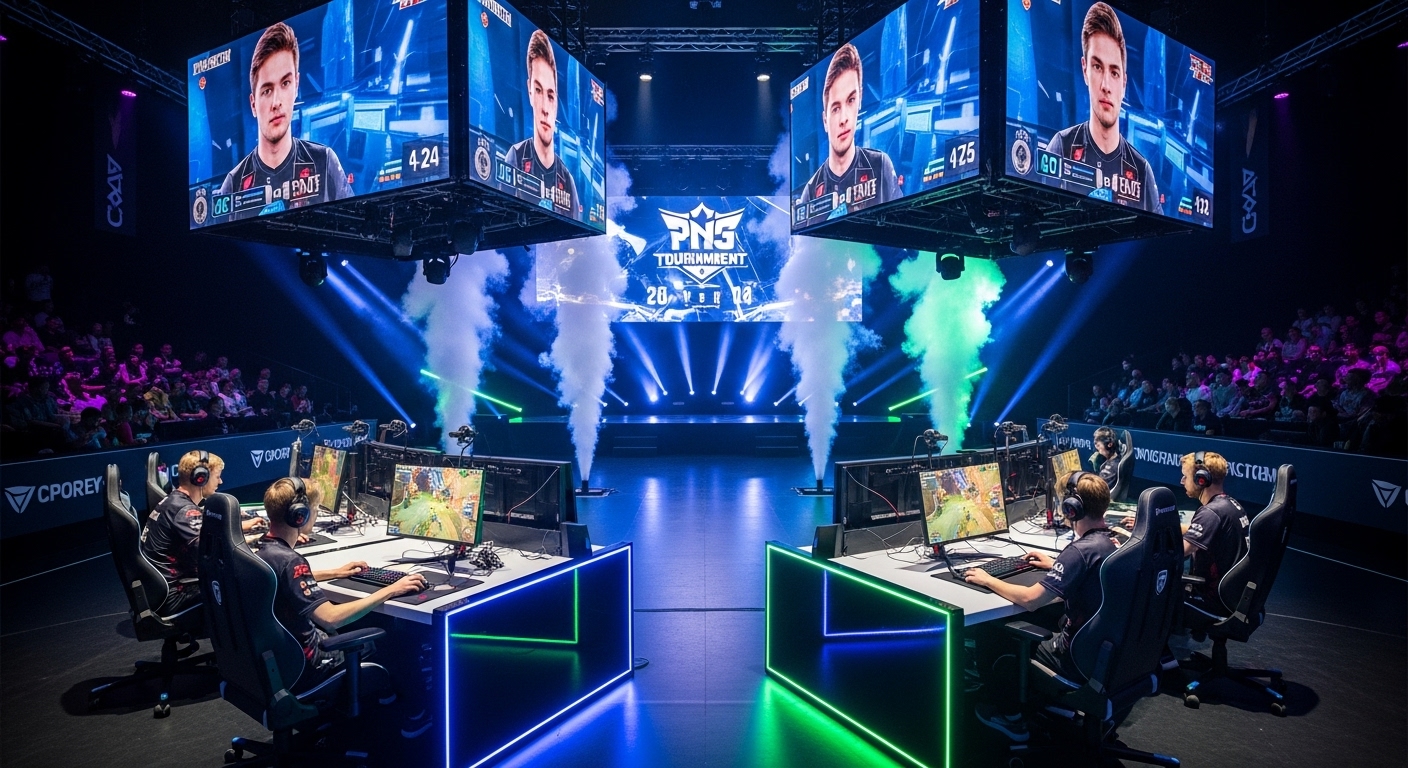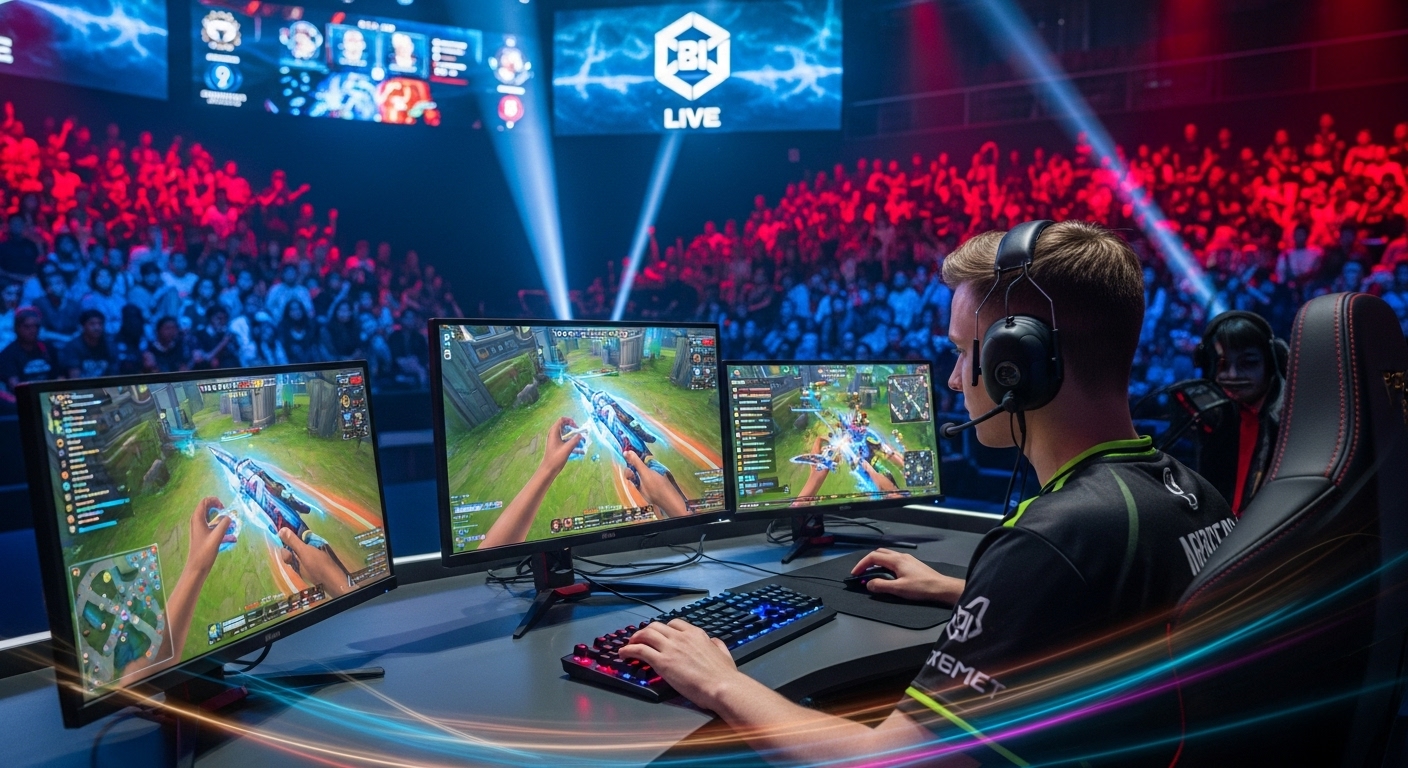
Esports has become one of the most transformative forces in the modern gaming industry. What began as small-scale competitions among passionate gamers has evolved into a multibillion-dollar global phenomenon that attracts millions of viewers, sponsors, and developers. With this rapid growth, esports has not only changed the way games are played and consumed but also the way they are created. The relationship between esports and game development is now deeply intertwined, with developers designing and refining games to meet the needs of competitive play and esports audiences. In this blog, we will explore in detail how esports influences game development, from design philosophy and balancing mechanics to community engagement and technological innovations.
The Rise of Esports as a Game Development Force
When video games first emerged, they were created purely for entertainment, often with single-player experiences or local multiplayer modes. However, as internet connectivity improved and gaming communities expanded, competition naturally became a significant part of the culture. Early examples like StarCraft, Counter-Strike, and Warcraft III laid the foundation for organized gaming tournaments. Developers began to notice that games with competitive potential had a longer lifespan and higher replay value.
Today, esports has become one of the major pillars of the gaming world. Developers now recognize that designing games with competitive balance and spectator appeal can turn their titles into long-term successes. Games like League of Legends, Dota 2, Valorant, Overwatch, and Fortnite have all been developed or refined with esports ecosystems in mind. Esports has thus transformed from a community-driven movement into a powerful force that actively shapes how modern games are conceived and produced.
Designing Games for Competitive Balance
One of the most significant ways esports influences game development is through the demand for competitive balance. In traditional games, fun and storytelling might take priority, but in esports titles, balance is everything. Every character, weapon, ability, or strategy must have a fair counter to ensure that victory depends on skill rather than game design flaws.
Developers frequently collect data from professional matches, ranked ladders, and tournaments to assess the game’s balance. For example, if a particular hero or weapon dominates competitions, developers may introduce patches to tweak its power levels. These balance updates are not just about fixing problems; they are about maintaining fairness and ensuring that no single strategy overwhelms the meta.
This focus on balance often extends to the design stage. Developers create characters, maps, and systems with balance in mind from the beginning. For instance, map symmetry, visibility lines, and choke points are carefully crafted to promote fair competition between teams. The constant balancing process ensures that players remain engaged and that esports titles remain fresh and exciting for both competitors and viewers.
Community Feedback and Iterative Design
Esports thrives on community engagement, and developers have learned that the most successful competitive games are those that evolve alongside their players. Unlike traditional game releases that might see limited post-launch updates, esports games are living ecosystems that require ongoing development.
Developers constantly analyze feedback from both casual players and professional esports athletes. This feedback helps them identify issues, improve gameplay mechanics, and enhance the overall experience. For example, professional players often discover exploits or advanced techniques that developers did not anticipate, forcing the developers to adjust the mechanics or rebalance the system.
The communication between developers and the esports community has become a defining feature of modern game development. Many studios host public test servers or beta programs where players can try upcoming changes and provide input before the official release. This collaborative approach ensures that the final product reflects the needs of its competitive audience while maintaining broad appeal.
The Importance of Spectator Experience
Another key influence of esports on game development is the emphasis on the spectator experience. Unlike traditional video games designed primarily for players, esports titles are created for both players and viewers. The ability to understand, enjoy, and follow the action is crucial for audience engagement.
Developers now integrate features that make matches visually clear and exciting to watch. This includes advanced camera tools, replay systems, observer modes, and visual indicators that highlight important moments. The user interface must be intuitive enough for spectators to grasp what is happening in real time, even if they are not expert players.
Furthermore, developers collaborate with broadcast teams to design overlays, scoreboards, and statistical tools that enhance the viewing experience. Esports games like League of Legends and Dota 2 offer detailed in-game information for casters and analysts, making it easier to explain strategies and engage the audience. By prioritizing spectatorship, developers ensure that esports can thrive as an entertainment product on streaming platforms and live events.
Long-Term Support and Content Updates
In the world of esports, a game’s success is often measured by its longevity. Developers must commit to ongoing support to keep the game relevant and exciting. This means regular patches, new content, competitive seasons, and community events. Unlike single-player titles that may have a limited life cycle, esports games are designed to last for years or even decades.
Continuous development involves introducing new characters, maps, weapons, and cosmetics. However, developers must balance innovation with stability. New additions must fit into the existing game ecosystem without disrupting the balance that competitive players depend on. This process requires meticulous testing and feedback loops involving both developers and the professional esports community.
Long-term content planning also ensures that players remain invested. Seasonal events, ranking resets, and battle passes provide incentives for players to continue engaging with the game. Developers understand that maintaining an active player base is crucial not only for esports tournaments but also for the overall health of the game’s ecosystem.
Data-Driven Decision Making in Esports Games
Data analytics has become a vital tool for game developers in the esports era. Every match played by millions of users generates enormous amounts of data, which developers analyze to make informed design decisions. This data includes player win rates, item usage, match durations, and even regional gameplay trends.
By studying this data, developers can identify balance issues, detect bugs, and understand player behavior. For example, if a certain weapon or ability consistently leads to higher win rates across all skill levels, it signals a possible imbalance. Similarly, if specific maps result in one-sided victories, developers might revise the layout to improve fairness.
Data analytics also helps developers improve matchmaking systems, ensuring that players are paired with others of similar skill levels. A fair and balanced matchmaking experience enhances player satisfaction, which is essential for the sustainability of competitive games. The use of data-driven development ensures that esports titles remain competitive, enjoyable, and dynamic.
Technology and Infrastructure Development
Esports has accelerated advancements in gaming technology and infrastructure. Developers now focus on optimizing their games for performance, stability, and low latency because even a slight delay can affect competitive integrity. Server infrastructure, anti-cheat systems, and network optimization have become top priorities.
Dedicated esports servers are now a common feature in modern games, ensuring that competitive matches are played under the best possible conditions. Developers also implement robust anti-cheat mechanisms to maintain fairness. These systems detect suspicious behavior, prevent exploits, and safeguard the credibility of esports competitions.
In addition, developers invest in cross-platform compatibility and high frame-rate optimization to ensure a consistent experience across devices. The demand for esports-ready games has pushed developers to refine their engines and adopt cutting-edge technologies such as real-time ray tracing, AI-assisted replay analysis, and cloud-based streaming.
Storytelling Through Esports
Game developers have also realized that esports can be a form of storytelling. Each tournament, team rivalry, or player journey adds to the narrative of a game’s world. Developers now create lore, characters, and aesthetics that resonate with the esports scene, making fans feel connected not only to the gameplay but also to the universe around it.
For example, developers release cinematic trailers, character backstories, and themed events tied to major tournaments. These elements strengthen the emotional connection between players and the game. Esports is no longer just about competition—it is also about identity, fandom, and shared experiences that extend beyond the matches themselves.
The integration of storytelling into esports development helps build brand loyalty and enhances the overall cultural impact of a game. Fans become invested in their favorite teams, characters, and game worlds, contributing to a deeper and more lasting relationship with the title.
Collaboration Between Developers and Esports Organizations
Successful esports ecosystems rely on close collaboration between developers, tournament organizers, and professional teams. Developers often work directly with esports organizations to ensure that competitive formats, rules, and game versions align with their vision. This collaboration also helps maintain consistency across different regions and leagues.
Many developers establish official esports divisions or partnerships with third-party organizers to oversee competitive operations. These collaborations extend to prize pools, event logistics, and broadcast standards. The close relationship between developers and the competitive community ensures that the esports scene remains healthy, sustainable, and aligned with the game’s design philosophy.
Developers also collaborate with teams and players to test new updates or provide feedback on gameplay mechanics. Professional input is invaluable for refining the game’s balance and ensuring that updates do not negatively impact the competitive environment. This symbiotic relationship between developers and esports professionals drives the ongoing evolution of both the game and the sport.
The Role of Monetization and Business Strategy
Esports has also reshaped the way developers approach monetization. Traditional game sales are no longer the only source of revenue; now, ongoing engagement and community participation drive profitability. Developers create esports-oriented monetization models that sustain the game while respecting the competitive ecosystem.
Cosmetic items, skins, battle passes, and team-branded content allow developers to generate revenue without affecting gameplay fairness. Fans can support their favorite teams through in-game purchases, and a portion of the proceeds often goes directly to esports organizations. This model benefits all parties involved—the developers, teams, and community.
Moreover, developers recognize that successful esports titles can significantly increase a game’s visibility and brand value. The exposure generated by tournaments, sponsorships, and live streams helps attract new players and investors, fueling further development and innovation.
Influence on Game Genres and Mechanics
Esports has also expanded the diversity of game genres and influenced the evolution of gameplay mechanics. While early esports titles focused primarily on real-time strategy and first-person shooters, today’s competitive landscape includes battle royales, fighting games, sports simulations, and even card-based strategy games.
Developers now design new titles with esports potential in mind from the outset. They focus on clear win conditions, skill expression, and spectator engagement. Features like ranked modes, replay systems, and detailed statistics have become standard in competitive game design, even for titles that are not strictly esports-focused.
Esports has also pushed developers to refine core mechanics such as movement, aiming, teamwork, and communication. Games that succeed in esports tend to reward mechanical skill, strategic thinking, and coordination, which in turn influence how future games are developed.
The Future of Esports and Game Development
Looking ahead, esports will continue to play a vital role in shaping the future of game development. As technology advances, new possibilities such as virtual reality, augmented reality, and artificial intelligence will create even more immersive and competitive experiences. Developers will need to adapt their design philosophies to incorporate these innovations while maintaining the principles of fairness and balance.
Additionally, the integration of esports into education, entertainment, and mainstream media will expand its influence. Game developers will find new opportunities to reach audiences beyond traditional gaming circles. The lines between player, spectator, and participant will continue to blur as esports becomes a central pillar of digital culture.
Conclusion
Esports has fundamentally changed the landscape of game development. What was once a niche pastime has become a driving force that influences how games are designed, balanced, marketed, and supported. Developers now approach their craft with a deep understanding of competitive play, community feedback, and spectator engagement. The impact of esports can be seen in every aspect of modern game creation—from technology and storytelling to business strategy and global collaboration.
As the esports industry continues to grow, its influence on game development will only deepen. Future games will not just be built to entertain but to compete, to connect, and to inspire millions around the world. In many ways, esports represents the ultimate evolution of gaming—a fusion of creativity, technology, and competition that shapes the future of interactive entertainment.