Introduction: Esports – More Than Just Gaming
In recent years, esports has transformed from a casual pastime into a global phenomenon that rivals traditional sports in viewership, revenue, and cultural impact. What was once considered simple video gaming is now a professional, highly competitive industry, attracting millions of players and fans worldwide. Esports is no longer just entertainment; it has become a platform for careers, social interaction, education, and innovation. This blog explores the world of esports, its growth, challenges, and the unique place it holds in modern society.
Defining Esports: Competitive Gaming in the Modern Era
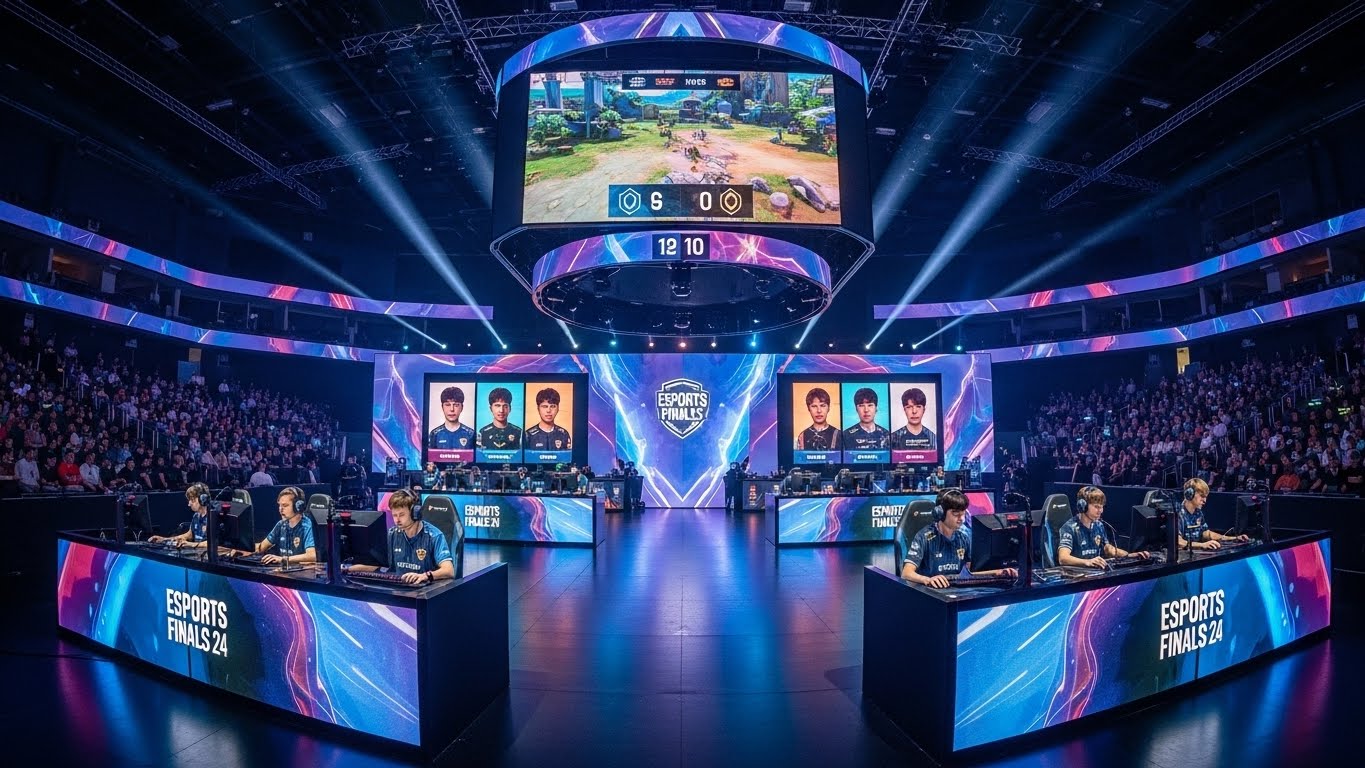
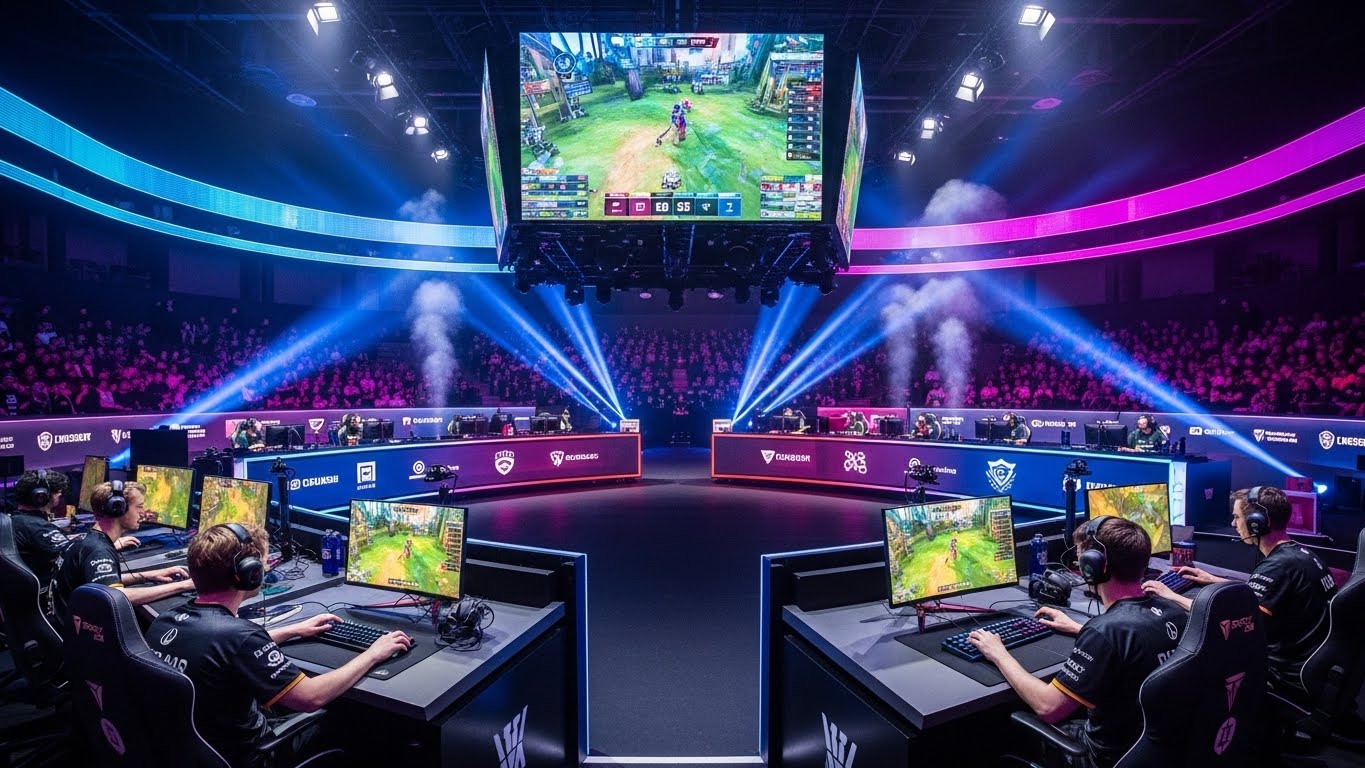
Esports, short for electronic sports, refers to organized, competitive video gaming. Players or teams compete in games that test strategy, skill, reflexes, and teamwork. Esports includes genres such as first-person shooters, multiplayer online battle arenas, real-time strategy games, and fighting games. Unlike casual gaming, esports demands hours of practice, mental sharpness, and precise coordination. Professional players dedicate themselves to mastering the game mechanics, developing strategies, and maintaining peak performance, similar to traditional athletes.
The Historical Development of Esports
The origins of esports trace back to the 1970s with small competitions in universities and arcades. Early games like Space Invaders and Pong drew crowds for competitive challenges. In the 1990s, multiplayer games such as StarCraft, Quake, and Counter-Strike gained prominence, establishing communities of competitive gamers.
The rise of the internet allowed players worldwide to connect, paving the way for online competitions. By the 2000s, tournaments began to attract sponsorships and media attention, marking the professionalization of competitive gaming. Major titles like League of Legends, Dota 2, and Fortnite further popularized esports, attracting millions of viewers and creating global events with substantial prize pools.
Professional Esports Players: The New Digital Athletes
Professional esports players are the modern equivalent of traditional athletes. Success requires not only exceptional skill but also discipline, strategy, teamwork, and mental resilience. Professional players often practice six to ten hours daily, reviewing past games, analyzing opponents, and refining strategies.
Teams employ coaches, analysts, psychologists, and nutritionists to ensure players maintain optimal performance. Beyond competition, professional players engage with fans through streaming platforms, social media, and promotional activities, further increasing the visibility and impact of esports.
Esports as a Career Opportunity
The esports ecosystem offers diverse career paths beyond competitive play. Players, coaches, analysts, commentators, event organizers, marketing professionals, and content creators all contribute to the industry. Streaming platforms allow gamers to build personal brands and generate income through subscriptions, donations, and sponsorships.
Universities have recognized esports as a legitimate career pathway, offering scholarships, esports programs, and structured training. This legitimization has opened doors for young players, providing professional opportunities that combine skill, strategy, and business acumen.
Global Reach and Popularity
Esports is a worldwide phenomenon. South Korea, China, the United States, and Europe are major hubs, producing world-class players and hosting high-profile tournaments. Global competitions attract international audiences, fostering a sense of community among fans from different cultures.
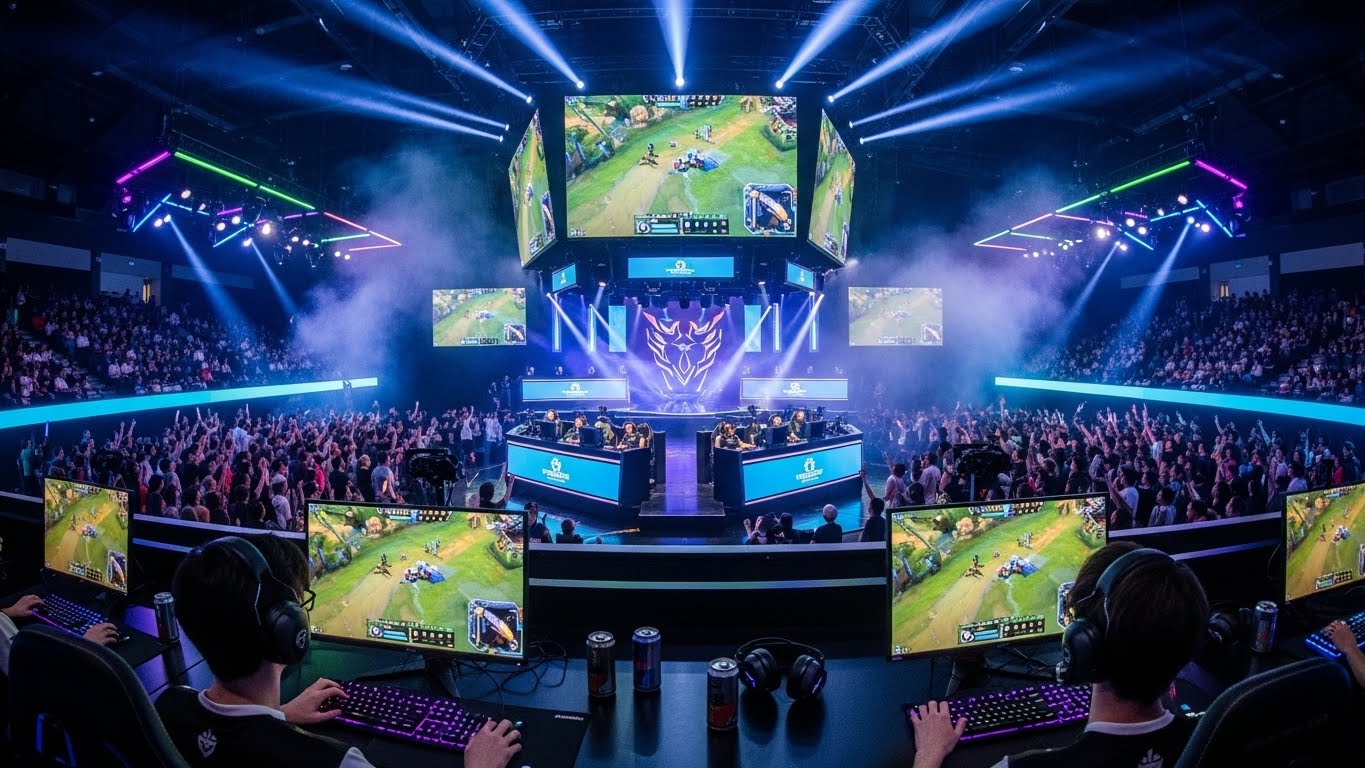
Millions tune in to watch events live or via streaming platforms, creating shared experiences across continents. Online communities further enhance engagement, where fans discuss strategies, share highlights, and celebrate victories together. This global reach has positioned esports as a significant cultural and social force.
Technology and Its Role in Esports
Technology is central to the growth and appeal of esports. High-performance computers, gaming consoles, fast internet connections, and advanced peripherals are essential for competitive play. Streaming platforms allow live broadcasts, ensuring fans can follow events in real time.
Virtual reality and augmented reality are beginning to expand possibilities in esports, offering immersive experiences for players and audiences alike. Artificial intelligence tools assist in analyzing gameplay, strategizing, and improving performance. Technology ensures that esports continues to evolve, offering innovation both on and off the screen.
Mental and Physical Challenges
Though esports is digital, it demands both mental and physical endurance. Players face intense pressure to perform consistently, often under public scrutiny. Maintaining focus, strategic thinking, and quick decision-making is essential for success.
Physical health is also crucial. Long hours of practice can cause strain injuries, eye fatigue, and posture issues. Teams now prioritize fitness, proper nutrition, and regular breaks to maintain peak performance and prevent burnout. Mental and physical resilience is essential for professional esports players, much like traditional athletes.
Community and Social Impact
Esports fosters vibrant communities. Online forums, social media groups, and streaming platforms allow fans and players to interact, discuss strategies, and celebrate achievements. These communities create a sense of belonging, connecting people with shared interests across the globe.
Local gaming events, tournaments, and conventions strengthen social ties and encourage networking. Esports has become more than competition—it is a cultural movement where digital interaction meets social connection.
Education and Esports
Esports is increasingly integrated into education. Schools and universities have established esports clubs, training programs, and scholarship opportunities. Participation teaches teamwork, leadership, strategic thinking, and time management.
Some institutions offer courses in game design, event management, marketing, and analytics, preparing students for careers in esports or related digital industries. Educational integration demonstrates esports’ value beyond entertainment, highlighting its potential as a professional and developmental tool.
Economic Influence of Esports
Esports has become a multi-billion-dollar industry. Revenue is generated from tournaments, sponsorships, merchandise, advertising, and streaming subscriptions. Major tournaments stimulate local economies through tourism, hospitality, and event management.
Brands and corporations increasingly invest in esports due to its reach and audience engagement. Sponsorships, partnerships, and in-game branding reflect the commercial potential of competitive gaming. Esports is now a major economic contributor, combining entertainment and business in a rapidly growing market.
Challenges Facing the Esports Industry
Despite rapid growth, esports faces challenges. Issues such as online harassment, cheating, and accessibility threaten fairness and inclusivity. Excessive competition can affect player well-being, emphasizing the importance of balanced schedules and mental health support.
Regulation and standardization are ongoing concerns. Establishing clear rules, ethical guidelines, and fair tournament structures ensures credibility and sustainability. Addressing these challenges is essential for the continued growth of esports as a respected industry.
The Future of Esports
Esports is poised for continued expansion and innovation. Virtual reality competitions, AI-assisted gameplay, and interactive broadcasting will reshape the industry. Esports will continue to influence education, entertainment, and professional opportunities, offering new ways to connect players and audiences.
Sustainability, diversity, and inclusion are likely to become core focuses, ensuring esports remains accessible and engaging for future generations. As technology and culture evolve, esports will continue redefining competition, entertainment, and digital interaction.
Conclusion: Esports as a Cultural Phenomenon
Esports is far more than video gaming; it is a cultural, professional, and technological phenomenon. It combines skill, strategy, and entertainment, creating a platform for competition, career growth, and global connection.
From grassroots players to professional athletes, esports fosters discipline, creativity, and resilience. Its worldwide reach, economic influence, and educational value demonstrate that esports is not only a pastime but a legitimate industry shaping modern entertainment. As esports continues to evolve, it promises to redefine what competition and community mean in the digital era.