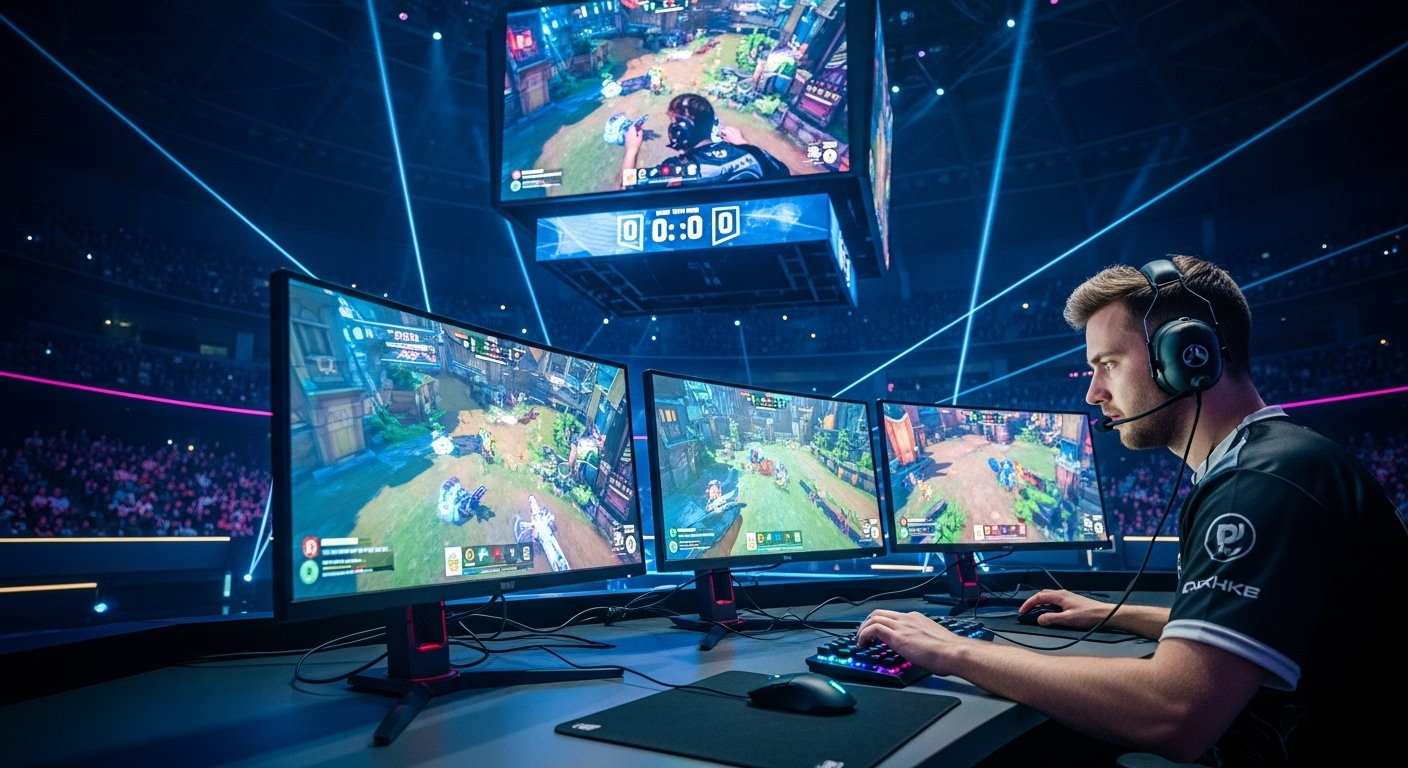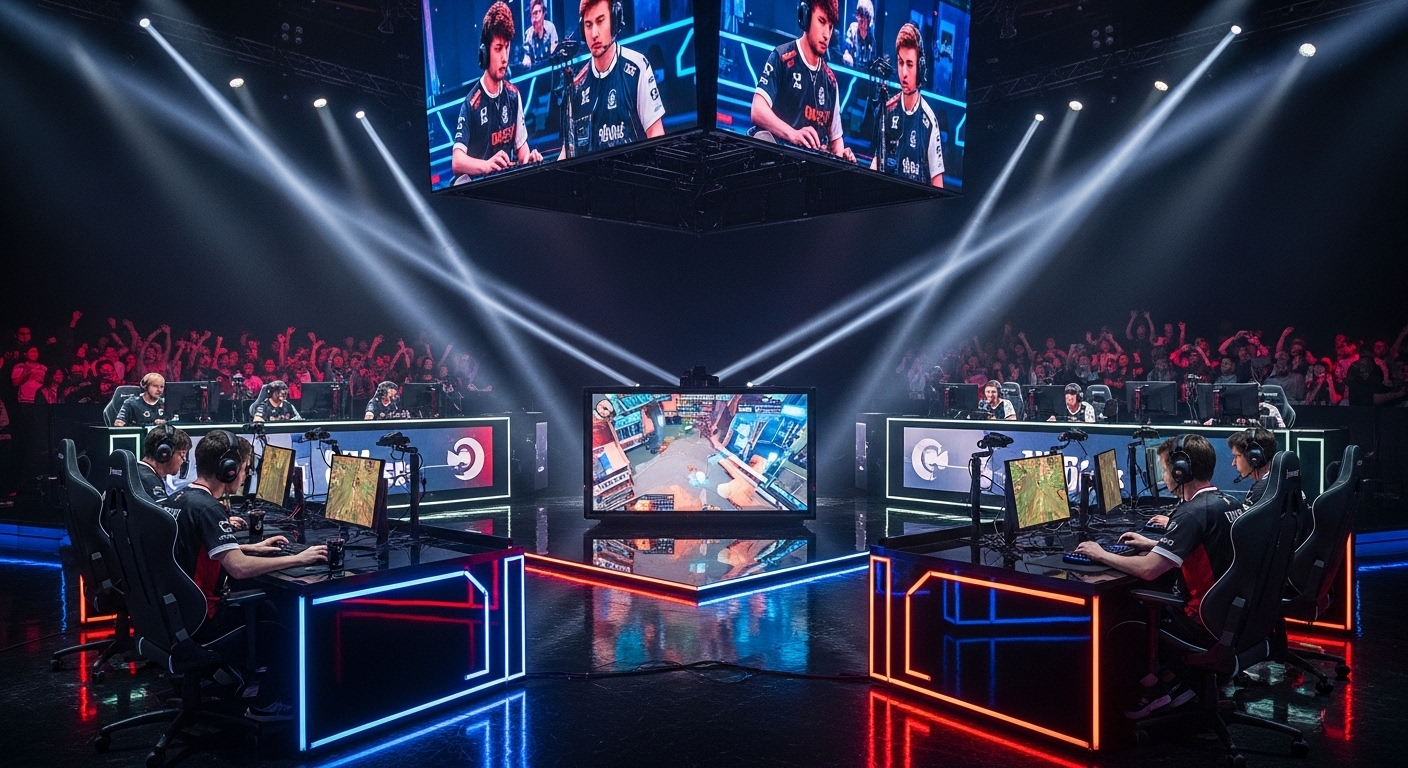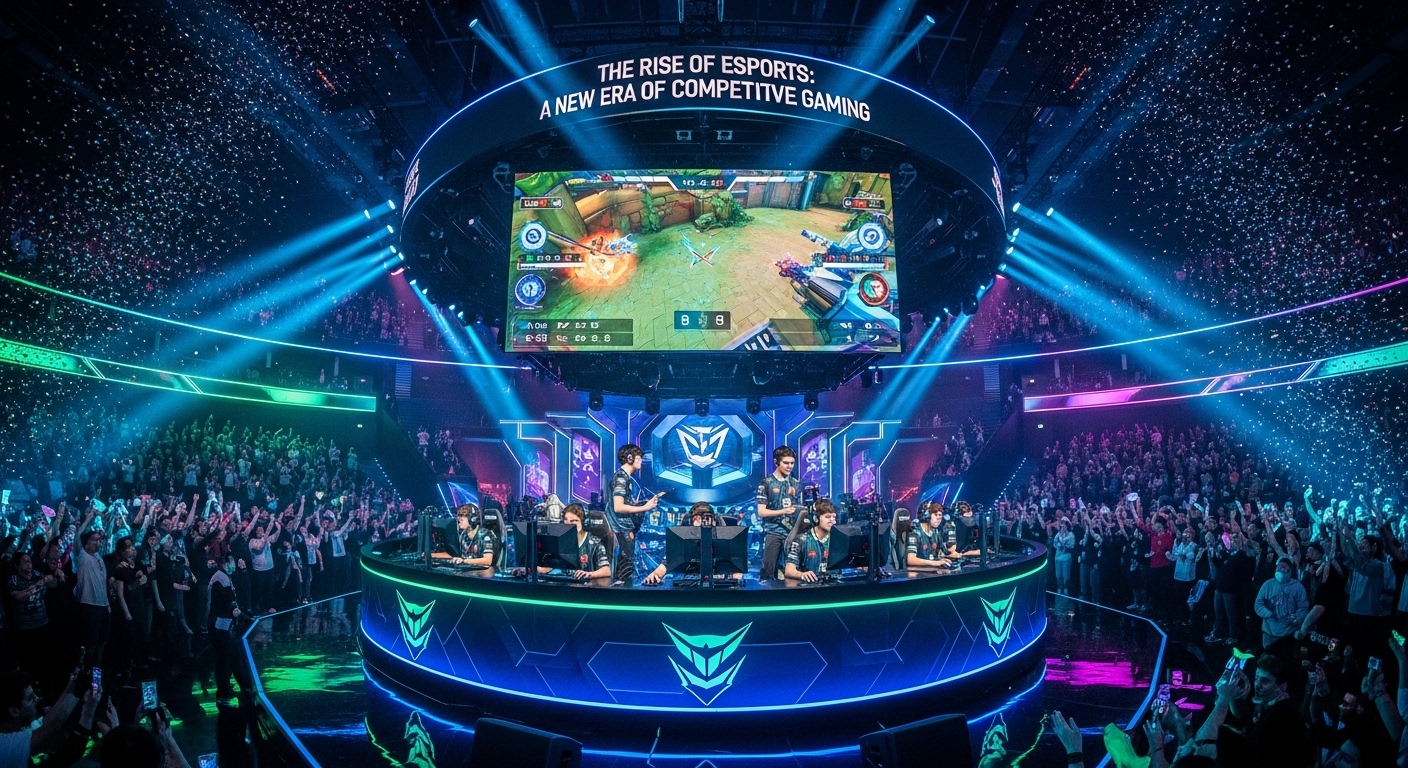
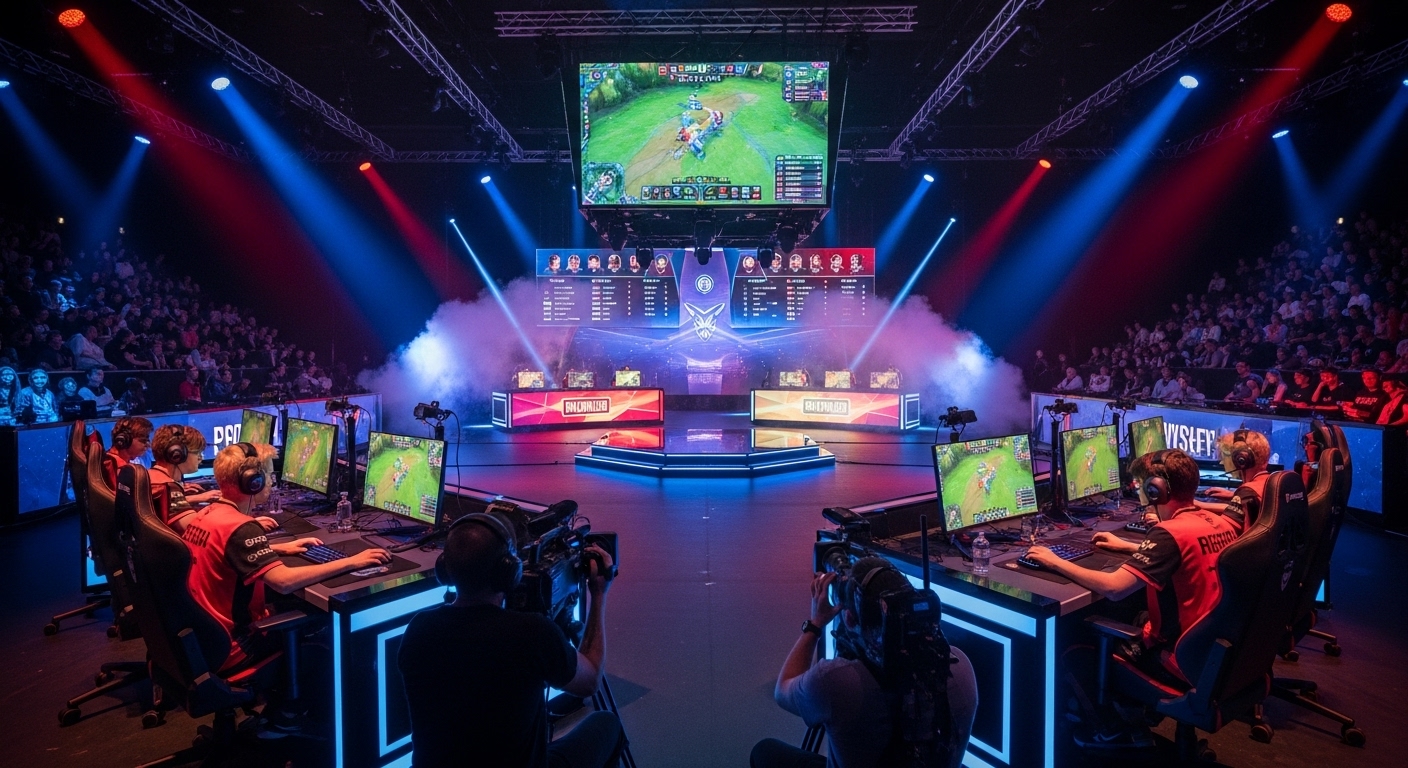
Esports, once a niche hobby for gamers, has evolved into one of the most dynamic and rapidly growing sectors within the global entertainment industry. With its roots deeply embedded in video gaming culture, esports has emerged as a professional and spectator-driven phenomenon that attracts millions of fans, players, and sponsors from around the world. What was once considered “just a game” has transformed into a legitimate competitive sport, complete with organized leagues, high-stakes tournaments, and professional players who are regarded as superstars in their own right. In this blog post, we will explore the rise of esports, the factors contributing to its growth, and the impact it has had on the entertainment industry and beyond.
The Origins of Esports: A Humble Beginning
The concept of competitive gaming dates back to the early days of video games. In the 1970s, arcade games like Pong and Space Invaders introduced the idea of players competing for high scores. However, it wasn’t until the 1990s that competitive gaming began to take shape in a more organized manner.
The first true esports tournament was the Red Annihilation tournament in 1997, a Quake competition that was broadcast live on the internet and had a grand prize of a Ferrari. This event marked the beginning of esports as we know it today, with professional-level competitions and prizes that attracted top-tier players. The success of early competitions set the stage for the rise of esports in the coming decades.
In the early 2000s, online gaming platforms like Battle.net (for Blizzard games such as StarCraft and Warcraft III) and Korean esports leagues helped build a foundation for the professional gaming scene. South Korea, in particular, played a pivotal role in the growth of esports, becoming the epicenter for competitive gaming. The country’s gaming infrastructure, widespread broadband internet, and national pride in games like StarCraft led to the establishment of professional leagues, broadcasting rights, and government support for esports.
The Emergence of Global Esports Leagues and Tournaments
As the 2000s progressed, esports began to gain more mainstream attention, particularly in the Western world. The rise of popular games like League of Legends, Counter-Strike, and Dota 2 played a significant role in the increasing professionalization of esports.
One of the most pivotal moments in esports history was the launch of League of Legends by Riot Games in 2009. With its free-to-play model and deep strategic gameplay, League of Legends quickly became a favorite among competitive players and fans alike. Riot Games also pioneered the concept of the League of Legends World Championship, an annual tournament that attracts millions of viewers worldwide. This event became one of the largest esports competitions in the world, featuring elite teams from different regions battling for supremacy.
In addition to League of Legends, Dota 2 by Valve Corporation further solidified esports as a legitimate competitive sport. The Dota 2 International, launched in 2011, introduced the concept of crowdfunding for tournament prize pools. By using community-driven contributions, Valve was able to raise millions of dollars for the prize pool, setting a new precedent for how esports tournaments could operate. The Dota 2 International became one of the most lucrative esports events, drawing attention from investors, sponsors, and fans globally.
These tournaments and leagues laid the groundwork for the modern esports ecosystem, which now includes various games across multiple genres, including First-Person Shooters (FPS), Real-Time Strategy (RTS), Multiplayer Online Battle Arenas (MOBA), Fighting Games, and Sports Simulations. Esports leagues such as Overwatch League, Call of Duty League, and Rocket League Championship Series now operate year-round, with professional teams and players vying for championship titles and substantial cash prizes.
The Growth of Esports as a Spectator Sport
One of the key factors that has propelled esports to the global stage is its appeal as a spectator sport. Much like traditional sports, esports has a dedicated fanbase that tunes in to watch live matches, tournaments, and league competitions. The rise of streaming platforms such as Twitch, YouTube Gaming, and Facebook Gaming has made it easier than ever for fans to watch live streams of their favorite players and teams, interact with the community, and keep up with the latest esports news.
Twitch, in particular, has become the hub for competitive gaming content. The platform’s live streaming model allows viewers to watch matches in real time, engage with the streamers through chat, and support their favorite players with subscriptions and donations. Esports events are broadcast on Twitch, often attracting millions of viewers during major tournaments. In fact, some of the largest esports events now rival traditional sports events in terms of viewership.
Esports has also found a home in traditional broadcast media. Networks such as ESPN and TBS have begun to air esports competitions, showcasing the legitimacy of esports as a competitive sport. In some cases, esports events are even integrated into mainstream sports channels, with live coverage, analysis, and commentary similar to traditional sports broadcasts.
The rise of esports as a spectator sport has also had a significant impact on the media industry. Professional esports commentators, analysts, and streamers have become celebrities in their own right. These figures play a crucial role in shaping the narrative around esports events, breaking down strategies for viewers, and creating engaging content. With their growing influence, esports personalities have become the face of the industry, securing sponsorships and endorsements from major brands.
The Role of Esports in Professionalization and Sponsorship
The increasing visibility of esports has attracted significant investment from major companies and corporations. Brands like Coca-Cola, Intel, Red Bull, and Nike have entered the esports scene, sponsoring teams, tournaments, and events. These sponsorships have played a pivotal role in driving the professionalization of esports and have provided financial backing that allows players to pursue careers in gaming full-time.
In addition to traditional brands, esports has also attracted tech companies, particularly those involved in gaming hardware and software. Companies like NVIDIA, Logitech, and ASUS have partnered with esports organizations to provide gaming peripherals, graphics cards, and other technology used by professional players. These partnerships have further cemented esports as a legitimate and profitable industry, with brands vying for a piece of the growing esports market.
Moreover, esports sponsorships have extended to non-endemic brands—companies that have little to no direct connection to gaming. Brands in sectors such as automobiles, fashion, and even cryptocurrency have recognized the value of esports sponsorships in reaching a younger, tech-savvy demographic. As a result, esports has become a unique avenue for advertisers to connect with a global audience.
The financial growth of esports has also led to the creation of professional esports organizations, which provide structure, support, and resources for players and teams. These organizations function similarly to traditional sports teams, with dedicated management, coaching staff, and training facilities. The establishment of esports organizations has helped elevate the professional standards of competitive gaming, allowing players to focus on honing their skills while their teams handle business and promotional activities.
The Impact of Esports on Youth Culture and Career Paths
Esports has had a profound impact on youth culture, particularly in terms of how young people perceive gaming as a potential career path. What was once considered a hobby is now seen as a legitimate profession. Many aspiring gamers view professional esports as an opportunity to make a living, much like athletes in traditional sports. The rise of streaming platforms like Twitch has further fueled this perception, as streamers and pro players are able to earn income through sponsorships, donations, and ad revenue.
Furthermore, esports has led to the creation of scholarships and college programs dedicated to competitive gaming. Institutions of higher learning, particularly in North America, are offering esports scholarships to recruit talented players for collegiate teams. These programs not only provide financial support for students but also offer a pathway for aspiring esports professionals to hone their skills and gain exposure before entering the professional scene.
The integration of esports into the education system has also opened up new opportunities for young people interested in careers in game design, broadcasting, and event management. Esports programs at colleges and universities often include curriculum that covers game theory, broadcasting techniques, and business strategies, preparing students for careers in various aspects of the esports industry.
The Future of Esports: Challenges and Opportunities
As esports continues to grow, there are both challenges and opportunities that lie ahead. One of the biggest challenges is ensuring the sustainability of the industry. While esports is currently thriving, concerns about player health, burnout, and the long-term viability of certain games need to be addressed. Maintaining a healthy balance between competitive play and physical well-being will be crucial for the future of esports.
Another challenge is the fragmentation of the esports ecosystem. With so many different games, leagues, and tournaments, it can be difficult for fans to follow all the action. The growth of the industry may eventually lead to consolidation, as major organizations seek to streamline competition and create more cohesive, cross-game experiences for fans.
On the other hand, the opportunities for growth are vast. With the continued advancement of technology, esports could evolve to incorporate new formats, such as virtual reality and augmented reality, providing even more immersive experiences for players and fans alike. The global nature of esports also means that the industry has the potential to expand into untapped markets, particularly in regions such as Asia, Africa, and South America.
Additionally, as esports continues to gain mainstream recognition, it could eventually lead to its inclusion in traditional multi-sport events like the Olympics. While this idea is still up for debate, the prospect of esports becoming an Olympic event would further cement its place in the global sports landscape.