Esports has rapidly grown from a hobby enjoyed by small groups of gaming enthusiasts to a global entertainment and sporting powerhouse. What was once considered a simple pastime has turned into a highly competitive, professionally organized, and economically influential industry that attracts millions of fans worldwide. Today, esports is celebrated not just as digital entertainment, but as a legitimate sport that demands strategy, skill, teamwork, and mental endurance. This blog explores the rise of esports, its cultural impact, the evolution of competitive gaming, and how it continues to shape the future of entertainment.
The Early Days of Competitive Gaming
Esports did not begin as the massive industry we recognize today. Its origins trace back to the 1970s and 1980s, when gamers gathered in arcades and early computer labs to compete for high scores. Events like the iconic Space Invaders Championship marked the start of organized gaming competitions and hinted at the potential of this emerging field.
In the 1990s, competitive gaming took a significant step forward with the advent of multiplayer PC games. Titles like Doom, Quake, and StarCraft enabled players to compete directly with one another, sparking the growth of gaming communities and competitive tournaments. LAN parties became popular, giving players the chance to test their skills in real time while forming long-lasting friendships within the gaming world.
The Professionalization of Esports
As gaming communities grew, esports shifted from casual gatherings to structured, professional competitions. Major game publishers, technology companies, and sponsors began recognizing the potential of competitive gaming and invested in organized tournaments, prize pools, and production studios.
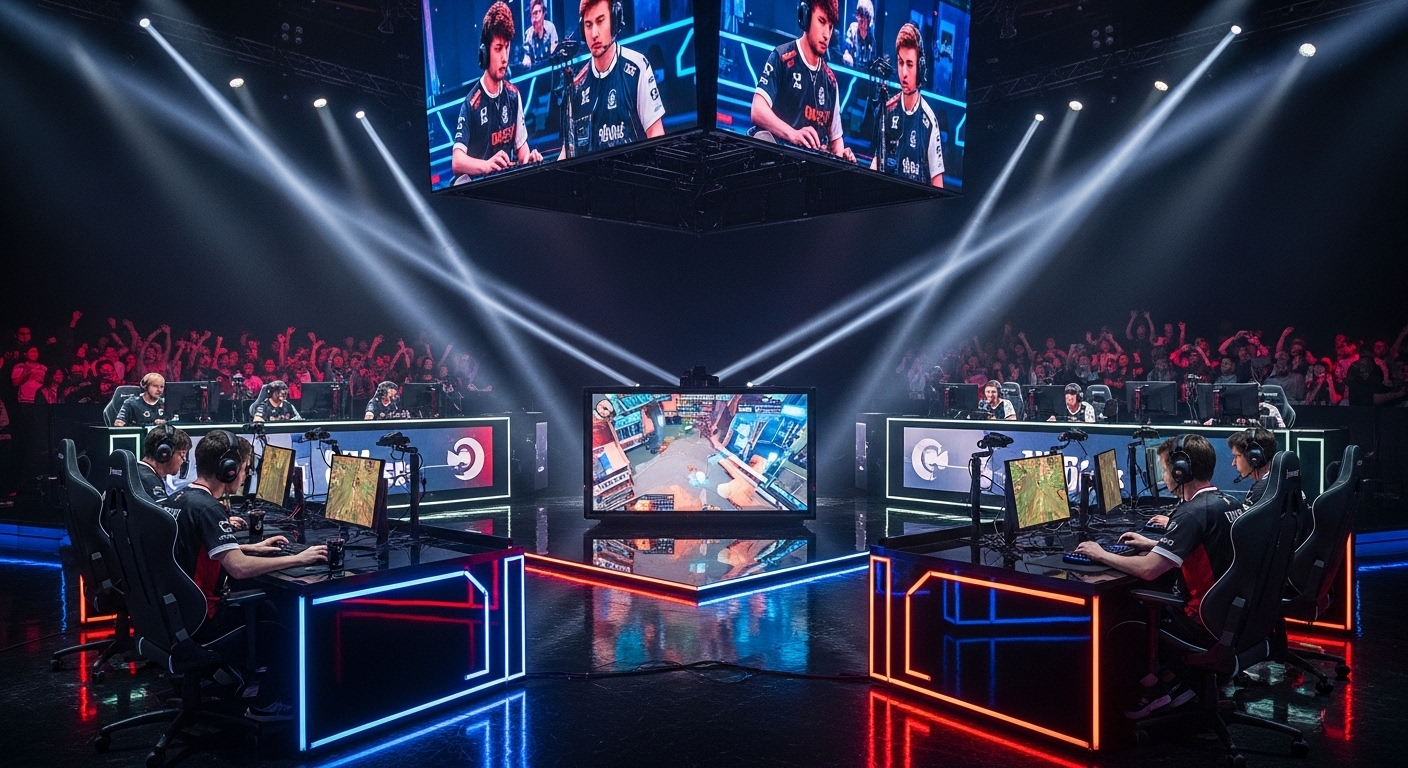
Professional esports teams emerged, complete with managers, coaches, analysts, and dedicated training environments. Players no longer competed solely for fun but pursued full-time careers with salaries, endorsements, and global recognition. The level of professionalism increased dramatically, and esports began to resemble traditional sports in structure and intensity.
Modern Esports Titles and Genres
The esports landscape is incredibly diverse, with different game genres drawing unique audiences. Multiplayer online battle arena games like League of Legends and Dota 2 dominate the competitive gaming scene with their strategic depth and intense team coordination. First-person shooters such as Counter-Strike and Valorant attract fans of fast-paced action and precision gameplay.
Battle royale games like Fortnite have introduced a new layer of unpredictability, blending survival strategy with dynamic world design. Sports simulation games and fighting titles such as FIFA, NBA 2K, and Street Fighter offer competitive environments inspired by traditional athletics. This variety ensures that esports appeals to people of all ages, backgrounds, and interests.
Esports Arenas and Global Tournaments
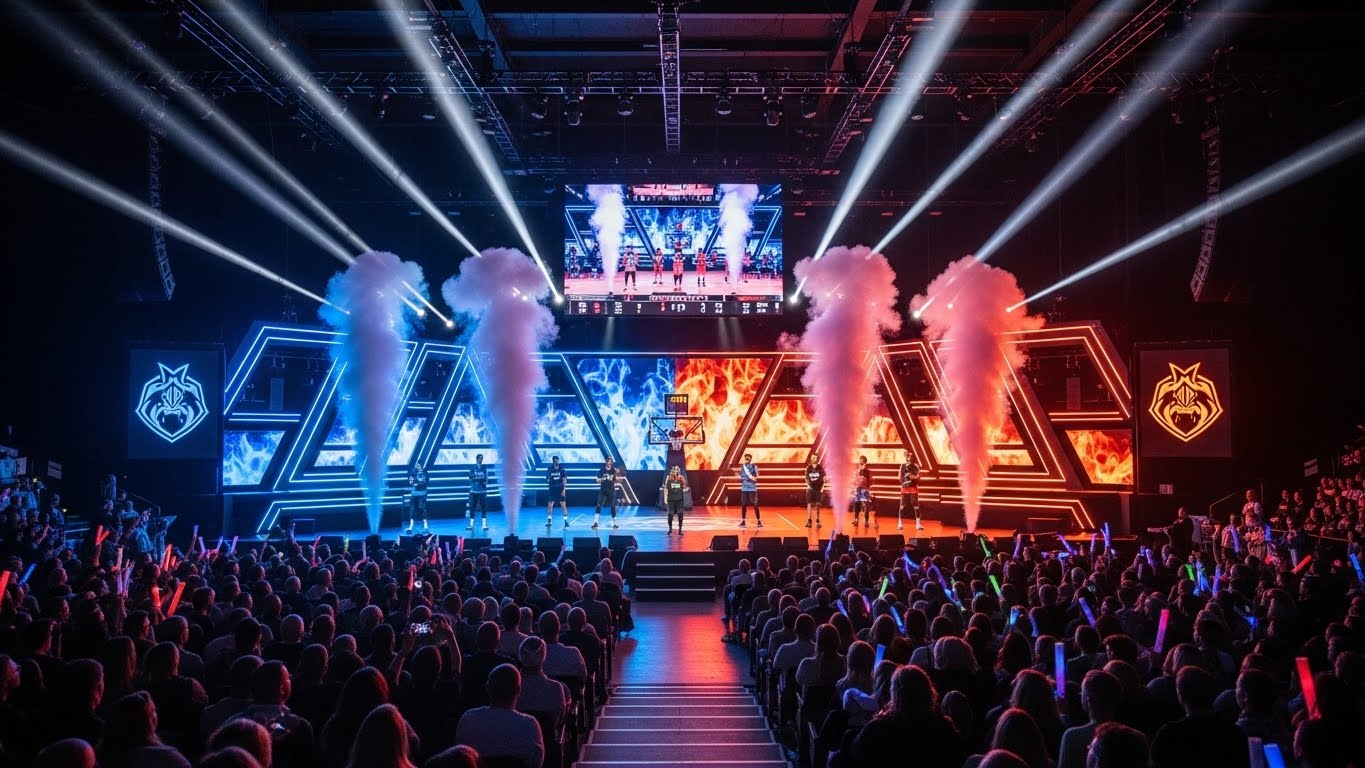
Esports tournaments have transformed into massive international spectacles, drawing both physical and virtual crowds. Esports arenas and stadiums host thousands of fans cheering for their favorite teams and players. The atmosphere is electric, with commentators analyzing gameplay, large screens broadcasting every moment, and fans passionately supporting their teams with chants and banners.
These events are often broadcast globally, attracting millions of viewers. They feature polished production, dramatic storytelling, and intense rivalries that elevate esports to the same level of excitement as traditional sports championships. The growth of global tournaments has significantly contributed to the legitimacy and widespread appeal of competitive gaming.
Streaming: The Fuel Behind Esports Growth
Streaming platforms have played a pivotal role in accelerating the rise of esports. Gamers can broadcast their gameplay to global audiences, interact with fans, and build personal brands. Some streamers have achieved celebrity status, with loyal fan communities and impressive careers built entirely around their online presence.
Streaming also allows fans to follow their favorite esports teams and players closely. They can watch behind-the-scenes content, practice sessions, and personal streams, creating a sense of connection and loyalty. This accessibility has transformed esports from a niche activity into a mainstream form of entertainment enjoyed by millions.
The Culture of Esports Communities
Esports has cultivated a vibrant and diverse culture that extends far beyond gameplay. Fans express their passion through fan art, cosplay, online forums, and social media communities. Gaming conventions and esports festivals bring people together from around the world to celebrate their shared love for competitive gaming.
The language of esports has also influenced modern pop culture. Phrases, memes, and references from gaming have become part of everyday conversation, especially among younger generations. This cultural integration highlights the significant impact esports has on modern communication, entertainment, and creativity.
Esports and Education: A New Pathway for Students
Educational institutions have taken notice of the opportunities esports provides. Schools and universities now offer esports teams, programs, and even scholarships for talented players. These programs encourage teamwork, communication, leadership, and time management—skills applicable both in gaming and real-life professions.
Esports in education also opens doors to careers beyond playing competitively. Students can explore opportunities in event management, game design, broadcasting, marketing, coaching, and analytics. By integrating esports into the academic environment, schools acknowledge its potential to equip students with valuable technical and social skills.
Physical and Mental Demands on Players
Despite misconceptions, professional gaming requires immense discipline, mental agility, and strategic planning. Players train for hours each day to improve their reflexes, decision-making, teamwork, and endurance. They often follow strict physical fitness routines, maintain healthy diets, and work with trainers to prevent injuries such as wrist strain or posture-related issues.
Mental health is equally important. Esports professionals must handle high-pressure situations, maintain focus during intense matches, and balance competitive stress with personal well-being. As the industry evolves, teams increasingly employ sports psychologists and mental health experts to support their players.
Women and Inclusion in Esports
Esports continues to make strides toward inclusivity and diversity. Women, who were often overlooked in early gaming culture, have risen to prominence as players, commentators, analysts, and creators. All-women tournaments, mixed-gender teams, and initiatives promoting inclusivity are helping to create a more welcoming and supportive environment for everyone.
Many organizations actively work to combat discrimination and encourage diversity within gaming communities. Representation matters, and the growing presence of women and diverse groups is shaping a more inclusive and vibrant future for esports.
Challenges Faced by the Esports Industry
Despite its success, esports faces several challenges that need ongoing attention. Player burnout is a major concern due to the demanding training schedules and constant pressure to perform at elite levels. Toxic behavior and harassment within online gaming communities can discourage new players and damage the industry’s reputation.
Additionally, the lack of standardized regulations for player contracts, team management, and tournament rules can create inconsistencies and conflicts. Addressing these issues is crucial for ensuring long-term sustainability, fairness, and professionalism in the industry.
The Economic Power of Esports
Esports has grown into a powerful economic force. Revenue streams come from tournament sponsorships, merchandise, ticket sales, advertising, streaming subscriptions, and game-related purchases. Companies across various industries have invested in esports, recognizing its influence among younger demographics.
The industry generates thousands of jobs worldwide and continues to expand into new markets and regions. Esports organizations, event coordinators, broadcasters, and technology companies all play a role in shaping the economic landscape of competitive gaming. Its financial growth underscores the importance of esports as both a cultural and economic phenomenon.
The Future of Esports: What Lies Ahead
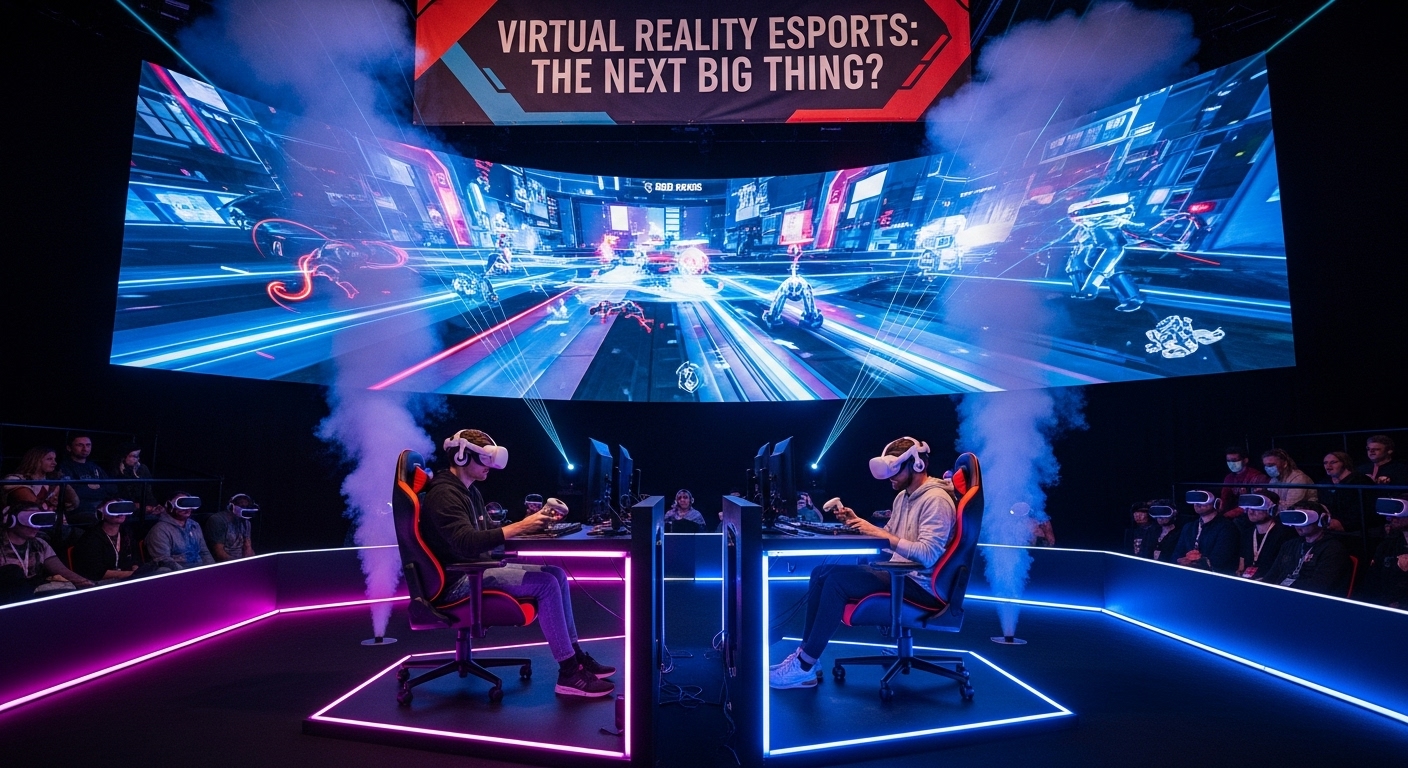
The future of esports promises innovation and expansion. Advancements in virtual reality and augmented reality may introduce entirely new types of competitive experiences that blend physical movement with digital strategy. Artificial intelligence could enhance player training, game balance, and live tournament analysis.
Esports is also likely to collaborate more closely with traditional sports and mainstream entertainment, creating hybrid events and unique viewing experiences. With the continued rise of mobile gaming and global internet access, esports will reach even larger audiences and inspire new generations of players and fans.
Conclusion: Esports as the New Global Arena
Esports has transformed from a small subculture into a global movement that blends entertainment, competition, technology, and community. It challenges outdated stereotypes about gaming and demonstrates the value of teamwork, strategy, and dedication. More than just a digital pastime, esports represents a modern arena where players from around the world come together to compete, connect, and celebrate their passion.
As technology evolves and cultural acceptance continues to grow, esports will remain a powerful force shaping the future of entertainment and competition. It stands as a testament to how human creativity and passion can turn virtual worlds into real opportunities, careers, and unforgettable moments of triumph.